[PR] This article contains affiliate links.
Every February, the capital of Japan’s northernmost island undergoes a magical transformation. Millions of cubic tons of pristine, powdery snow are hauled into the city center, streets are closed off, and colossal monuments of ice and packed snow rise against the freezing winter sky. This is the Sapporo Snow Festival (さっぽろ雪まつり, Sapporo Yuki Matsuri), widely considered the most famous and internationally recognized winter festival in all of Japan.
For international travelers planning a winter pilgrimage to Japan, attending this festival is a bucket-list achievement. However, navigating a massive, multi-venue event in sub-zero temperatures requires meticulous planning.
In 2027, the Sapporo Snow Festival celebrates its 77th edition, taking place over eight days from February 4 to February 11, 2027. Whether you want to gaze in awe at a snow sculpture the size of a multi-story building, drink hot buttered rum out of an ice glass in a neon-lit entertainment district, or plunge down giant snow slides with your family, this guide will provide you with everything you need to know.
We have compiled the most exhaustive, deep-dive visitor guide available for the 77th Sapporo Snow Festival in 2027. From venue breakdowns and crucial changes for this year to survival guides for Hokkaido’s biting cold and specific restaurant recommendations, this is your ultimate blueprint for conquering the snow.
What is the Sapporo Snow Festival? History and Global Significance
To truly appreciate the scale of what you are about to witness in 2027, you must understand where the festival began.
The Sapporo Snow Festival was born in 1950. In the post-war era, during a particularly bleak and difficult winter, a group of local junior high and high school students built six modest snow statues in Odori Park. To the surprise of the city, the event drew around 50,000 local residents. It provided a much-needed morale boost and a reason for the community to gather, celebrate, and embrace the harsh Hokkaido winter rather than simply enduring it.
By 1955, the Japan Self-Defense Forces (JSDF) joined the festival, utilizing the event as a massive cold-weather training exercise to build the first truly gigantic snow sculptures. When Sapporo hosted the Winter Olympics in 1972, international media broadcast the festival to the globe, cementing its status as a world-class tourism event.
Today, the festival routinely draws upwards of 2.5 million visitors domestically and internationally. It requires roughly 30,000 tons of snow, transported by a fleet of over 6,000 trucks from locations on the outskirts of Sapporo (such as Moerenuma Park and the Nakayama Pass), ensuring only the cleanest, purest white snow is used for the carvings.
Crucial Updates and Changes for the 2027 (77th) Edition
If you have been researching past iterations of the festival, you must take note of a few critical shifts in how the 77th edition is being organized in 2027.
1. The JGSDF Large Sculptures Have Been Reduced from Two to One
For decades, the Japan Ground Self-Defense Force (JGSDF) has been the backbone of the festival’s most massive architectural wonders. In prior years, the JGSDF’s 11th Brigade historically constructed two massive, primary snow sculptures (often spanning entire city blocks in Odori Park).
However, for the 2027 edition, organizers have confirmed that the JGSDF will build only one large snow sculpture. This change reflects a broader reallocation of resources, changing operational demands on the defense forces, and a shift toward relying more heavily on civic volunteer groups, private contractors, and corporate sponsors for the remaining large monuments. While you will still see the jaw-dropping scale of a JGSDF-built masterpiece, the total count of their specific large-scale contributions has been halved.
2. Integration with the Sapporo International Art Festival (SIAF) 2027
A major highlight exclusive to this year’s calendar is the concurrent running of the Sapporo International Art Festival 2027 (SIAF). SIAF is a massive contemporary art triennale that takes over various parts of the city.
For the 77th Snow Festival, SIAF 2027 will directly intersect with the snow festival grounds. Organizers are planning for the Odori 2-chome section of the park to host SIAF-related exhibitions. This means visitors can expect a fascinating fusion of traditional snow-carving techniques and cutting-edge contemporary art, likely featuring modern digital installations, avant-garde snow structures, and interactive multimedia pieces that bridge the gap between fine art and civic winter traditions.
The Three Venues of the Sapporo Snow Festival
A common mistake made by first-time international visitors is assuming the festival only takes place in Odori Park. In reality, the 77th Sapporo Snow Festival is split across three distinct venues, each offering a completely different atmosphere, demographic focus, and set of attractions.
To experience the festival completely, you must visit all three.
Venue 1: Odori Park (The Main Stage)
Odori Park is the heart and soul of the Sapporo Snow Festival. The park itself is a massive, 1.5-kilometer-long green space that bisects the center of Sapporo, separating the city into its northern and southern halves. During the festival, the park transforms into a spectacular winter gallery spanning from Nishi 1-chome (West 1st Block) to Nishi 11-chome (West 11th Block).
Historically, the Odori site is open and illuminated from sunset until around 22:00 every night. (Note: Specific operational hours and illumination cut-offs for 2027 have not yet been published by organizers. Always check the official event website closer to February for exact daily schedules). The Odori venue has historically been completely free to enter and stroll through, though you will need cash for food stalls and souvenirs.
Here is a block-by-block breakdown of what you typically experience walking from East to West:
- 1-Chome (Sapporo TV Tower): This block sits at the base of the iconic red Sapporo TV Tower. It traditionally hosts an outdoor ice-skating rink. At night, the illuminated tower provides a brilliant cyberpunk-esque red glow that contrasts beautifully with the white snow.
- 2-Chome (SIAF 2027 Hub): As mentioned, for 2027, this block is dedicated to the Sapporo International Art Festival. Expect highly conceptual, contemporary art installations utilizing snow, ice, and modern lighting technologies.
- 3-Chome to 10-Chome (The Giants and the Citizens): This massive central stretch is where you will find the Ooyuki-zou (giant snow sculptures). These are the structures that measure upwards of 15 meters high and 25 meters wide, often depicting world heritage sites, famous anime characters, Japanese castles, or mythological scenes.
- Mixed in between the giants are the Shimin-setsuzo (Citizen Snow Sculptures). These are dozens of smaller, incredibly charming sculptures built by local schools, community groups, and businesses. They often reflect the pop-culture zeitgeist of the year—expect to see trending anime characters, popular athletes, and internet memes rendered in snow.
- Projection Mapping: At night, several of the giant snow sculptures become the canvas for spectacular 3D projection mapping shows. These dynamic light shows usually run on a continuous loop every 10 to 15 minutes, adding movement, color, and music to the static white sculptures.
- 11-Chome (The International Snow Sculpture Contest): This is one of the most culturally diverse and competitive areas of the park. Teams of carvers from countries all over the world (ranging from sister cities in the USA to teams from tropical nations like Hawaii or Thailand who rarely see natural snow) compete over several days. You can actually watch them carving live during the first few days of the festival, using chainsaws, chisels, and sanders to create incredibly intricate, precarious, and detailed works of art.
The Snow Miku Phenomenon at Odori Park
If you are walking through the Odori venue, you will inevitably spot a massive gathering of fans surrounding a beautifully detailed snow sculpture of a blue-haired anime girl. This is Snow Miku, the official winter variant of the world-famous Vocaloid idol, Hatsune Miku, whose creator company (Crypton Future Media) is headquartered in Sapporo.
Snow Miku has become a massive festival-within-a-festival, featuring its own dedicated merchandise, a fully wrapped streetcar operating in the city, and pop-up events at places like Otaru Wing Bay. Because the Vocaloid subculture is so deep, we have an entirely separate, exhaustive guide covering the history, merchandise, and pop-up locations for this specific collaboration. If you are also a Vocaloid/Hatsune Miku fan, see our dedicated Snow Miku guide for everything you need to know about tracking down Miku during the 2027 festival.
Venue 2: Susukino Site (The Ice World)
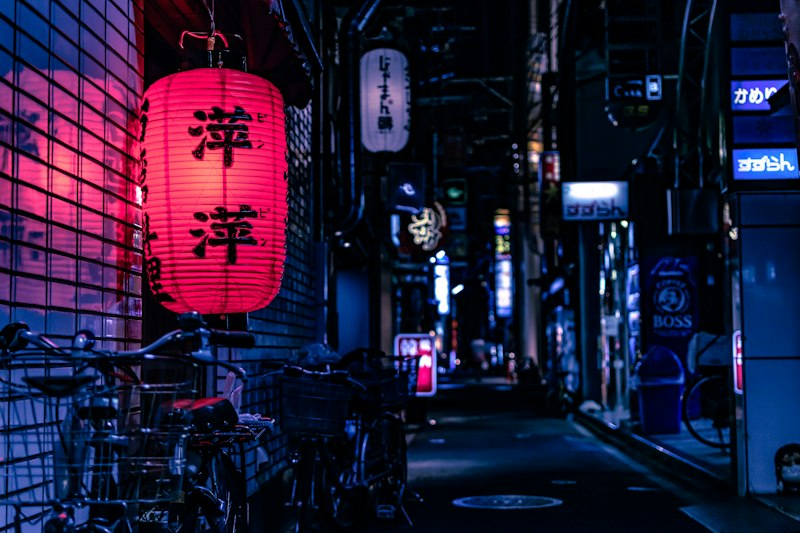
Located just a few subway stops south of Odori (or a 15-minute walk via the underground pedestrian tunnel), Susukino is Sapporo’s legendary entertainment, dining, and nightlife district. It is the largest red-light and nightlife area north of Tokyo, packed with neon signs, ramen alleys, and high-rise bars.
During the Snow Festival, the main thoroughfare of Susukino (Ekimae-dori) is shut down to vehicle traffic and transformed into the Susukino Ice Festival (Susukino venue).
If Odori is about massive snow sculptures, Susukino is exclusively about intricate ice sculptures.
- The Vibe: The atmosphere here is decidedly more adult, romantic, and urban. The crystal-clear ice blocks are illuminated by the ambient neon lights of the surrounding bars and the glowing Nikka Whisky sign.
- What to See: You will find dozens of impeccably carved ice statues lining the median of the street. Highlights often include the "Illumination Street," where tunnels of fairy lights arch over the ice, and intricately carved ice bars where you can purchase hot alcoholic beverages or whiskies served in solid ice glasses.
- Photo Ops: Look out for the famous "frozen seafood" blocks—thick slabs of ice where real Hokkaido crabs, salmon, and squid have been perfectly frozen in suspended animation inside the ice.
- When to Visit: While you can view the ice sculptures during the day, this venue absolutely must be experienced at night.
Venue 3: Tsudome Site (The Family Snow Park)
The Tsudome venue is completely different from Odori and Susukino. Located further out from the city center, the Sapporo Community Dome (nicknamed "Tsudome") serves as the hands-on, interactive, family-focused venue of the festival.
- Crucial Note on Hours: Unlike Odori and Susukino which are focused on nighttime illuminations, Tsudome is a daytime venue. While 2027 hours are not yet finalized, in past years the site typically operates from 9:00 AM to 5:00 PM. Do not plan a nighttime visit here.
- Outdoor Activities: The exterior of the dome is transformed into a massive winter playground. The main attractions are the giant snow slides, where visitors can ride inflatable tubes down massive, multi-lane ice ramps. You will also find snow-rafting (where a snowmobile drags a rubber raft full of people through a powdery course), snow mazes, and areas to build your own snowmen.
- Indoor Activities: Inside the massive dome, you will find a respite from the freezing weather. The interior hosts massive food courts with plenty of seating, giant inflatable bouncy castles for children, stage shows, and regional tourism booths.
- Who is this for? If you are traveling with young children, Tsudome is an absolute must-visit. If you are an adult traveler solely interested in the artistic sculptures, the food, and the nightlife, you can safely skip Tsudome and focus your time on Odori and Susukino.
How the Giant Sculptures are Built (The Mechanics of Snow)
Standing at the base of a 15-meter-tall snow replica of a European cathedral, many tourists wonder how such a thing is structurally possible. The process begins nearly a month before the February 4th opening day.
- The Snow Gathering: Hokkaido’s snow is famous for being incredibly dry and powdery. While great for skiing, dry powder is terrible for sculpting. To fix this, the JSDF and civilian contractors truck in massive amounts of snow and pile it into wooden scaffolding.
- The Packing (The Hardening Phase): Heavy machinery, including cranes and bulldozers, dump the snow into massive wooden frameworks. It is then heavily compressed and left to sit for several days. As the temperature fluctuates slightly between day and night, the packed snow begins to freeze solid into a massive, stable block.
- The Rough Cut: Once the scaffolding is removed, carvers use chainsaws and pickaxes to carve out the rough geometric shapes of the final design.
- The Fine Detail: Finally, artists use specialized hand tools, custom-made chisels, and even bare hands (covered in thick, waterproof gloves) to carve the intricate details. They often use a mixture of snow and slightly warmer water to create a slush that acts as a "glue" to affix smaller details or smooth over rough edges, which then freezes instantly in the sub-zero air.
Essential Food & Drink Guide at the Festival
Hokkaido is widely considered the culinary capital of Japan. Its cold waters produce the best seafood in the country, its vast farmlands produce the best dairy and vegetables, and its brutal winters gave birth to rich, heavy, soul-warming comfort foods.
The Odori Park venue is essentially a kilometer-long outdoor food court. Walking the length of the park, you will encounter dozens of Yatai (festival food stalls). Here is what you must hunt down:
1. Kani-jiru (Crab Soup)
A rich, umami-packed miso soup featuring massive, shell-on chunks of Hokkaido King Crab or Snow Crab. The hot broth cuts right through the winter chill.
- Estimated Cost: 500 to 800 JPY per bowl.
2. Jingisukan Skewers (Genghis Khan BBQ)
Jingisukan is Hokkaido’s soul food—grilled mutton or lamb. While usually eaten at indoor tabletop grills, festival stalls serve massive, thick chunks of marinated lamb grilled over charcoal on long bamboo skewers. It is savory, fatty, and deeply satisfying.
- Estimated Cost: 700 to 1,000 JPY per skewer.
3. Zangi (Hokkaido Fried Chicken)
Do not call it Karaage. In Hokkaido, fried chicken is called Zangi. The meat is heavily marinated in a dark, garlic-and-ginger soy sauce mixture before being coated in potato starch and deep-fried. The result is a much darker, crunchier, and intensely flavorful fried chicken.
- Estimated Cost: 500 to 700 JPY per serving.
4. Scallops Grilled in Hokkaido Butter
Massive, palm-sized scallops (Hotate) pulled straight from the Okhotsk Sea, grilled in their own shells over an open flame, and finished with a thick square of rich Hokkaido butter and a dash of soy sauce.
- Estimated Cost: 800 to 1,200 JPY per shell.
5. Hot Beverages
To keep your core temperature up, you will find countless stalls selling piping hot drinks. Highlights include hot apple cider, hot chocolate made with incredibly rich local milk, and alcoholic options like hot buttered rum, mulled wine (Glühwein), and hot whiskey toddies.
- Estimated Cost: 400 to 900 JPY depending on the alcohol content.
Payment Tip: While many stalls in Japan have historically been cash-only, the Sapporo Snow Festival has modernized rapidly. Many stalls now accept IC cards (like Suica or Kitaca) and PayPay. However, connection issues in the freezing cold can happen, so always carry physical yen. If you are unsure about how much cash to bring for a trip to Japan, check our guide on Cash vs Card in Japan 2026: How Much Cash Do You Need? for comprehensive budgeting advice.
Top 7 Restaurants Near the Festival Venues (Deep Dive)
While the festival stalls are fantastic, the sub-zero temperatures mean you will eventually need to retreat indoors for a proper, sit-down meal. Sapporo’s food scene is legendary. Here are seven highly specific, iconic establishments near the Odori and Susukino venues that are perfect for a warm winter dinner.
1. Jingisukan Daruma Main Shop (成吉思汗 だるま 本店)
The Vibe: A legendary, cramped, counter-only institution operating since 1954. It smells aggressively of smoke and roasted meat. You will sit shoulder-to-shoulder with locals and tourists alike, grilling your own fresh mutton over a convex iron skillet loaded with onions and leeks. Price: Plates of fresh mutton start at 1,280 JPY. Draft beers are 650 JPY. Expect to spend 3,000 to 4,500 JPY per person. Access: A 5-minute walk south from Susukino Subway Station (Exit 5). Located on the first floor of the Crystal Building in Minami 5 Jo Nishi 4-chome. Note: They do not take reservations. You will wait in the cold. Dress accordingly.
2. Soup Curry Suage+ (すあげプラス)
The Vibe: Soup curry is a Sapporo invention—a thin, intensely spiced, aromatic broth filled with massive chunks of flash-fried local vegetables and fall-off-the-bone chicken legs. Suage+ is one of the most famous purveyors in the city. The spice level is highly customizable. Price: A standard chicken and vegetable soup curry runs about 1,350 JPY. Expect to spend 1,500 to 2,000 JPY per person. Access: A 3-minute walk from Susukino Subway Station. Located on the 2nd floor of the Toshin Sapporo Building in Minami 4 Jo Nishi 5-chome.
3. Ramen Shingen Minami-6jo (らーめん信玄 南6条店)
The Vibe: Sapporo is the birthplace of Miso Ramen. Shingen is arguably one of the top three most beloved ramen shops in the city. Their signature "Echigo" (spicy miso) or "Shinshu" (rich miso) ramen features a complex, savory broth that coats the thick, curly, yellow egg noodles perfectly. Price: A bowl of ramen is highly affordable at around 900 JPY. Add a side of their famous fried rice (chahan) for 500 JPY. Access: A 10-minute walk west from Susukino Station (Minami 6 Jo Nishi 8-chome). Expect a long line wrapping around the building.
4. Nijo Market - Ohiso (二条市場 大磯)
The Vibe: Nijo Market is Sapporo’s historic downtown seafood market. Ohiso is a bright, bustling eatery right on the edge of the market specializing in Kaisendon (seafood bowls). If you want to eat sea urchin (uni), salmon roe (ikura), and fatty tuna (toro) so fresh it practically melts, this is the place. Price: High quality seafood is an investment. A premium three-topping bowl will run between 3,500 to 5,000 JPY depending on market rates. Access: A 5-minute walk east from Odori Subway Station (Minami 3 Jo Higashi 2-chome). Best visited for breakfast or lunch before hitting the Odori snow sculptures.
5. Sapporo Beer Garden (サッポロビール園)
The Vibe: Housed in a gorgeous, ivy-covered 19th-century red-brick building, this massive beer hall offers an incredible "All-You-Can-Eat and All-You-Can-Drink" (Tabehoudai / Nomihoudai) Jingisukan experience. Drinking incredibly fresh, factory-direct Sapporo Classic beer from a massive glass stein while eating lamb in a historic hall is unforgettable. Price: The standard 100-minute all-you-can-eat-and-drink course is roughly 4,800 JPY per adult. Access: A 10-minute direct bus ride (Bus Loop 88) leaving directly from Sapporo Station South Exit, or a 15-minute walk from Higashi-Kuyakusho-Mae Subway Station.
6. Sapporo Kani Honke - Sapporo Station Main Branch (札幌かに本家 札幌駅前本店)
The Vibe: An upscale, multi-story crab palace. If you want to splurge on a luxurious, multi-course King Crab and Snow Crab kaiseki meal served in private tatami rooms by staff in traditional kimono, this is the gold standard. Price: Lunch courses start around 4,500 JPY, but full elaborate dinner courses range from 8,000 to 15,000 JPY per person. Access: A 5-minute walk from Sapporo Station South Exit (Kita 3 Jo Nishi 2-chome). Reservations are practically mandatory during the Snow Festival.
7. Parfaiteria Pal (夜パフェ専門店 パフェテリア パル)
The Vibe: Sapporo has a unique local culinary culture known as "Shime-Parfait" (closing parfait). Instead of ending a night of drinking with ramen, locals end it with highly elaborate, architectural, artisanal ice cream parfaits. Parfaiteria Pal offers sophisticated, photogenic parfaits using local dairy, fresh fruits, and liqueurs. Price: Parfaits range from 1,600 to 2,400 JPY. Access: A 3-minute walk from Susukino Station (Minami 4 Jo Nishi 2-chome). Usually open from 6:00 PM until 2:00 AM.