[PR] This article contains affiliate links.
If you are a dedicated Pokémon GO Trainer, there is only one place you need to be this November: Sendai, Japan.
Niantic has officially rebranded its large-scale, location-based "Safari Zone" gatherings into the massive new Pokémon GO Wild Area, and the first major stop in Japan for this new era is the Tohoku region. Running for three strict days—November 6 to November 8, 2026—the Pokémon GO Wild Area 2026: Sendai・Tohoku is poised to be one of the most significant in-person gaming events of the year.
Important: ticket registration for this event closed on September 15, 2026 (tickets were sold first-come-first-served and are no longer available through official channels). If you already hold a ticket, this guide covers everything you need for the event itself. If you don't, don't worry — Niantic is also running a free, no-ticket-required companion "Global" event on November 14-15, 2026, open to all players worldwide including in Japan, which we cover at the end of this guide as an alternative.
For ticket-holders: whether you are flying across the world to hunt for the elusive Gigantamax Duraludon with a Sendai Location Background or you are looking to maximize your six daily Special Trades with local Japanese players, this exhaustive, massive guide covers absolutely everything you need to know for your trip.
From navigating Sendai’s subway system to booking the right hotels and eating the best local beef tongue (gyutan) between raids, here is your ultimate visitor guide to the Pokémon GO Wild Area 2026 in Sendai.
Part 1: Event Overview & Crucial Ticket Information
The Pokémon GO Wild Area replaces the old Safari Zone branding, bringing an evolved, modernized approach to Niantic's live events. This means different mechanics, different research structures, and highly localized rewards that cannot be obtained anywhere else in the world.
Essential Event Facts
- Event Name: Pokémon GO Wild Area 2026: Sendai・Tohoku
- Host City: Sendai, Miyagi Prefecture, Japan (Tohoku Region)
- Event Dates: November 6 (Friday), November 7 (Saturday), and November 8 (Sunday), 2026
- Ticket Price: 4,000 yen (approx. $26 USD / €24 EUR)
- Ticket Limitations: Tickets are strictly date and time-specific. A one-day ticket is valid only for the date printed on it. You cannot buy a Friday ticket and play on Saturday.
- Official Ticket Portal: pokemongo.com/gowildarea/sendai/tickets
Ticket Status: Registration Is Closed
At 4,000 yen, the entry fee for the Wild Area was highly competitive compared to major GO Fest global events — but registration closed on September 15, 2026, and tickets were sold first-come-first-served via pokemongo.com/gowildarea/sendai/tickets. There is no walk-up or on-site purchase option for this ticketed portion of the event.
If you already secured a ticket during the registration window, your ticket is bound to your Pokémon GO account automatically — there are no physical QR codes; when you physically enter Sendai city limits on your ticketed day, the event spawns and special stops will automatically activate on your map.
Note: Do not buy tickets from third-party resellers or screenshot scalpers — tickets are tied to trainer accounts at the moment of purchase and cannot be transferred, so resold "tickets" will not work.
No ticket? Here's your alternative: Niantic is running a free, no-registration "Global" companion event on November 14-15, 2026, playable from anywhere in the world (including elsewhere in Japan) — check the in-game Events tab closer to the date for details.
Part 2: Confirmed Gameplay Features & In-Game Perks
Niantic is notoriously secretive about the complete wild spawn pools until the event begins, but they have confirmed a massive array of premium perks for ticketholders. If you are holding a 4,000 yen ticket for your specific day, here is exactly what unlocks for your account while inside Sendai.
1. Gigantamax Duraludon with a Sendai Location Background
This is the premier reason hardcore collectors are traveling to Tohoku. Gigantamax Pokémon have recently shifted the competitive and PvE meta, but this event offers something special: any Gigantamax Duraludon caught from in-person Max Battles/Raids during your ticketed event window will feature a Sendai-specific Location Background on its summary screen.
- Crucial Warning: This exclusive background is NOT available to remote raiders. You cannot use a Remote Raid Pass to get this background, and non-ticketed players in Sendai will not see the background either. You must be physically present, holding a ticket, and raiding in person.
2. Mighty Latias and Mighty Latios via Incense
The Eon Duo is returning, but with a twist. "Mighty" Latias and Latios will be spawning exclusively via Incense for ticket holders. If previous "Mighty" or wandering legendary spawns (like the Hoenn Tour or Johto Tour) are any indication, these dragons will have incredibly high flee rates and low catch rates.
- Pro Tip: Stockpile Golden Razz Berries and Ultra Balls now. Do not attempt to catch these with standard Poké Balls unless you are using a Master Ball.
3. Up to 10 Free Raid Passes Per Day
Your ticket grants you up to 10 free daily Raid Passes by spinning Gym Photo Discs. These are standard (orange) in-person passes, not Premium Battle Passes, meaning you can only hold one at a time. To maximize this, you must raid, spin, raid, and spin. Central Sendai is dense with Gyms, making it incredibly easy to burn through all 10 passes in under an hour if you join lobbies in the downtown core.
4. Up to 6 Special Trades Per Day
This is a massive boon for international travelers. Normally restricted to one Special Trade per day, ticketholders can execute up to six. This is your golden opportunity to trade with Japanese locals.
- Trading Advice for Foreigners: Bring highly coveted regional Pokémon from your home country. Japanese players are always looking for regionals like Bouffalant, Comfey, Hawlucha, Sigilyph, Relicanth, and Klefki. Create a "Trade Tag" in your storage before your flight so you aren't scrolling through 6,000 Pokémon while standing in a busy park.
5. Increased Shiny Rates
While Niantic never publishes the exact numbers, historical data for Safari Zones and Wild Areas suggests the shiny rate for event-featured Pokémon is boosted to approximately 1-in-64 (or better for certain species).
6. Halved Egg-Hatch Distance
All eggs placed into an incubator during your ticketed hours will only require 50% of their normal walking distance. With players easily logging 15 to 20 kilometers a day walking around Sendai, this is the perfect time to clear out your 10km and 12km egg backlog.
7. Event-Exclusive Steel/Dragon Special Research
Ticketholders will receive an exclusive Special Research storyline heavily themed around Steel and Dragon-type Pokémon (tying into Duraludon). Ensure you complete at least the first page of this research during event hours, as subsequent pages may require event-specific spawns that will disappear when the weekend ends.
8. The Official Event GO Stamp Rally
Do not confuse this with the broader "Pokémon Local Acts" regional ambassador program (which features Lapras in Miyagi Prefecture). The Wild Area features a dedicated, temporary, event-specific GO Stamp Rally. Physical stations will be set up around Sendai where you can collect real-world stamps in a commemorative passport booklet, unlocking physical and digital rewards.
Part 3: Essential Pre-Trip Preparation & Packing List
Traveling to Japan for a mobile gaming marathon requires specific gear. You will be staring at your screen for 8 to 10 hours straight while navigating a foreign city.
Weather in Sendai (November)
November in Tohoku is solidly autumn, bordering on winter. Temperatures typically range from a high of 13°C (55°F) to a low of 5°C (41°F). The wind coming off the coast can be biting.
- What to wear: Dress in layers. A heat-tech undershirt, a comfortable hoodie, and a windbreaker are essential. You will be walking extensively, so prioritize highly supportive walking shoes over fashion.
Tech and Connectivity
- Power Banks: You will need at least 10,000mAh to 20,000mAh of backup power per day. Airlines strictly regulate lithium-ion batteries. Ensure your power bank is under 100Wh (watt-hours), which usually caps out around 27,000mAh. Keep them in your carry-on luggage; they will be confiscated from checked bags.
- Data Connections: Do not rely on public Wi-Fi to play Pokémon GO. The networks will be heavily congested. Buy a local tourist eSIM (like Ubigi or Airalo) or rent a physical Pocket Wi-Fi at the airport upon arrival.
Managing Payments in Japan
While Japan has rapidly adopted digital payments over the last few years, a large-scale event means you might be buying street food or merchandise from smaller local vendors. To understand exactly how much physical currency you should carry for food and emergency transit in Sendai, check our comprehensive guide: Cash vs Card in Japan 2026: How Much Cash Do You Need?.
Hydration and Health
You will be walking non-stop. Japanese vending machines are ubiquitous, but if you are curious about filling up your own water bottle at hotel sinks before hitting the parks, read our guide: Can You Drink Tap Water in Japan? | City by City Guide 2026. Furthermore, if you are an international traveler dealing with severe dietary restrictions (which can be tricky in regional Japanese cities like Sendai), we highly recommend reviewing our Allergy Travel Japan | Nut Egg Dairy Free Dining with Translation Cards resource to prepare your custom translation cards before the trip.
Part 4: Getting to Sendai
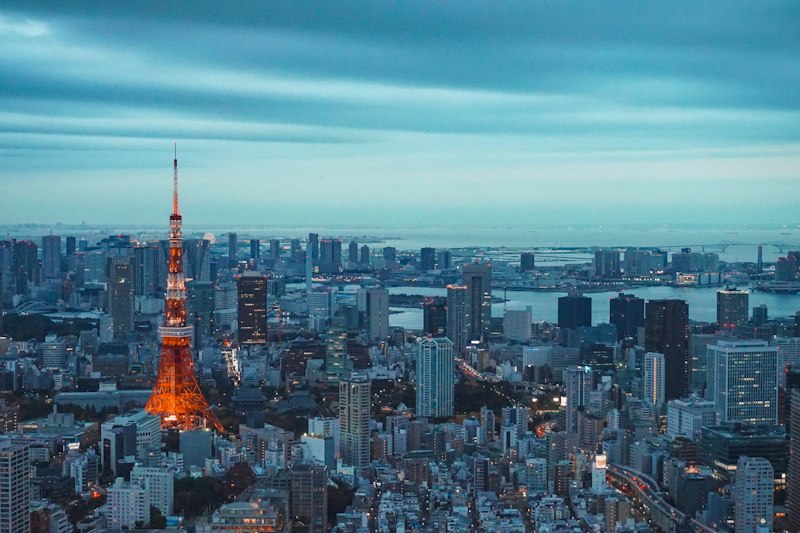
Sendai is the largest city in the Tohoku region, located about 300 kilometers (185 miles) north of Tokyo. It is incredibly accessible, making it an ideal host for international gaming events.
From Tokyo (The Shinkansen Route)
The absolute best way to reach Sendai from Tokyo is via the Tohoku Shinkansen.
- Trains to look for: The Hayabusa (fastest, about 90 minutes from Tokyo Station to Sendai Station) or the Yamabiko (stops more frequently, about 110 to 120 minutes).
- Cost: Approximately 11,210 yen one-way.
- Important Note: The Hayabusa is completely reserved seating. You must buy a specific seat ticket in advance. Do not board a Hayabusa train with a standard unreserved ticket. You can purchase tickets from the JR East ticket machines at Tokyo or Ueno stations, or online via the JR East Train Reservation website.
(If you are staying in Tokyo before taking the train north and need recommendations on where to stay near the massive tech and anime hub that connects to the Shinkansen, check out our guide to the Best Hotels Near Akihabara 2026 | Value Location Convenience.)
From Sendai International Airport (SDJ)
If you are flying directly into Sendai (usually via connections from Taipei, Seoul, or domestic Japanese flights), the airport is brilliantly connected to the city.
- Take the Sendai Airport Access Line train.
- It takes exactly 17 minutes on the rapid train (or 25 minutes on the local) to reach Sendai Station.
- The cost is 660 yen. You can tap in with a standard IC card.
Speaking of transit cards, ensuring you have the right digital or physical card will save you hours of queuing at ticket machines. For a full breakdown on which card works best in Tohoku, read: What is the Best IC Card for Tourists in Japan 2026? | Suica vs Pasmo vs ICOCA.
Part 5: Where to Play in Sendai — Top 5 Locations for Wild Area Grinding
Unlike old Safari Zones which were restricted to a single park, the Wild Area experience spans the entire city of Sendai. Your ticket activates gameplay anywhere within the city limits. However, to maximize your 10 free raids, 6 special trades, and encounter rates, you need to be where the local players and the highest density of PokéStops are.
Here are the specific locations you must visit during your ticketed day:
1. Nanakita Park (七北田公園)
- The Vibe: Historically utilized by Niantic for GO Fest 2024, Nanakita Park is a sprawling green space with wide paths, a massive pond, and dozens of heavily clustered PokéStops. It is arguably the best "lured up" park in the city.
- Access: Take the Namboku Subway Line north from Sendai Station to Izumi-Chuo Station. From the station, it is a flat, easy 5-minute walk.
- Facilities: Plenty of public restrooms, open grass for sitting down to do your Special Trades, and a nearby mall at Izumi-Chuo for food breaks.
2. Tsutsujigaoka Park (榴岡公園)
- The Vibe: Closer to the city center than Nanakita, this park is famous for its weeping cherry trees in spring, but in November, it turns into a dense Pokémon GO grinding hub. The loop around the park is perfect for continuous walking to hatch eggs with the 1/2 distance bonus.
- Access: Take the Senseki Train Line from Sendai Station to Tsutsujigaoka Station (just one stop away). The park is a 3-minute walk from the station. Alternatively, you can walk here directly from the East Exit of Sendai Station in about 15 minutes.
3. Jozenji-dori Avenue (定禅寺通)
- The Vibe: This is the iconic, tree-lined avenue of Sendai. Lined with massive zelkova trees, it features a wide pedestrian median in the center of the road peppered with bronze statues (all of which are Gyms or PokéStops).
- Strategy: This is the best place in the city to burn through your 10 Free Raid Passes. The density of Gyms along this street means you can walk in a straight line and hop from one Gigantamax Duraludon raid to the next.
- Access: Take the Namboku Subway Line to Kotodai-Koen Station. Emerge from the station and you are standing right on the avenue.
4. Kotodai Park (勾当台公園)
- The Vibe: Directly adjacent to Jozenji-dori, this is a large urban plaza rather than a grassy park. It is heavily paved, meaning no mud if it rains in November. Local Japanese players frequently gather around the central fountain area for community days.
- Access: Immediately outside Kotodai-Koen Station (Namboku Line).
5. Sendai Station Pedestrian Deck
- The Vibe: Sendai Station is surrounded by a massive, interconnected, elevated pedestrian walkway. You can navigate between department stores, hotels, and office buildings without ever crossing a street on ground level.
- Strategy: If the weather turns bad (cold rain is common in November), the pedestrian deck and the immediate surroundings inside the station malls (like S-PAL and PARCO) are excellent for indoor/covered grinding. The GPS drift inside the station can occasionally be annoying, but the sheer density of constant lures makes up for it.