
[Disclosure] This article contains affiliate links. We may earn a commission at no extra cost to you.
Planning a trip to Japan in 2026 and dreaming of filling your suitcase with exclusive Pokémon merchandise? You’re not alone. A Pokémon Center in Japan isn't just a shop; it's a pilgrimage site for fans, offering limited-edition goods, interactive experiences, and an atmosphere unlike anywhere else. While generic travel guides might tell you where to find one, they rarely delve into the critical details: which store has the truly unique items, how to avoid soul-crushing crowds, or the subtle differences that make one location superior to another for a serious collector or a family on a tight schedule. This guide cuts through the noise to give you the honest, deep-dive intel you need to maximize your Pokémon Center adventure in 2026, ensuring you snag that elusive plushie or figure without wasting precious travel time.
What You'll Get From This Guide
- 2026-Specific Merch & Pricing: Up-to-date estimates on what you'll pay and what's trending.
- In-depth Store Comparison: A breakdown of major Pokémon Centers, highlighting their unique offerings and why you should (or shouldn't) visit.
- Crowd-Beating Strategies: Local tips to navigate peak times and ensure a more relaxed shopping experience.
- Exclusive Item Hunting: How to identify and track down Japan-exclusive merchandise beyond the standard plushies.
- Honest Advice: Dispelling common tourist misconceptions and revealing what's truly overrated.
Understanding the Pokémon Center Landscape in 2026
As of 2026, Japan boasts over 15 main Pokémon Center stores, strategically located in major cities, alongside smaller Pokémon Stores and specialty shops like the Pokémon Cafe and Sweets by Pokémon Cafe. Each main Pokémon Center, while sharing a core range of merchandise, often features unique design elements and, crucially, exclusive local-themed goods that aren't available anywhere else. These can range from city-specific Pikachu plushies (e.g., Shibuya Pikachu with graffiti) to merchandise celebrating local landmarks or regional Pokémon. The true challenge for the discerning fan isn't just finding a Pokémon Center, but deciding which one offers the best experience and the most coveted exclusive items for their specific travel itinerary and budget. Understanding these nuances is key to avoiding disappointment and making the most of your visit.
What Tourists Get Wrong: Not All Centers Are Created Equal
A common misconception among first-time visitors is that if you've seen one Pokémon Center, you've seen them all. This couldn't be further from the truth. While core items like game cartridges, Trading Card Game (TCG) booster packs, and general plushies are available nationwide, the experience and the exclusive merchandise vary significantly. For instance, Pokémon Center Mega Tokyo in Ikebukuro has a grand, almost museum-like feel with massive statues, while Pokémon Center Shibuya focuses on a sleek, urban aesthetic. The specific Pikachu regional mascots, collaboration items, and even the layout and atmosphere are distinct. Don't fall into the trap of thinking a quick visit to the closest store will cover all your bases; strategic planning is essential for serious collectors.
Which Pokémon Center is Right for You? A 2026 Comparison
Choosing the "best" Pokémon Center depends entirely on what you're looking for. Are you chasing specific regional merch? Do you prioritize a less crowded experience? Or are you aiming for the biggest selection possible? Below, we compare some of Japan's most popular and distinct Pokémon Centers.
Tokyo's Premier Pokémon Hubs
- Pokémon Center Mega Tokyo (池袋・サンシャインシティ)
- Location: Sunshine City Alpa 2F, 3-1-2 Higashi-Ikebukuro, Toshima-ku, Tokyo.
- Access: 8-minute walk from Ikebukuro Station (JR, Tokyo Metro).
- Atmosphere: Arguably the most famous and largest. Features impressive statues (often Mega Rayquaza or Charizard), a vast selection, and is connected to the Pokémon Card Station. Expect significant crowds, especially on weekends and holidays.
- Exclusive Merch: Historically known for Mega Evolution themed merchandise. Look for special event items, often tied to game releases or seasonal promotions.
- 2026 Price Estimate: Standard plushies ¥2,200-¥4,500 / ~$14-$30 USD. Exclusive larger figures can be ¥6,000-¥15,000 / ~$40-$100 USD.
- Pokémon Center Shibuya (渋谷PARCO)
- Location: Shibuya PARCO 6F, 15-1 Udagawacho, Shibuya-ku, Tokyo.
- Access: 5-minute walk from Shibuya Station (JR, Tokyo Metro, Keio Inokashira Line).
- Atmosphere: Modern, sleek, and often considered the trendiest. Features a striking Mewtwo in a lab tube. Its location within Shibuya PARCO means it's surrounded by other pop culture and fashion stores.
- Exclusive Merch: Known for its "Shibuya Graffiti Pikachu" line and collaborations with urban streetwear brands. Often has unique merchandise that leans into a cooler, more mature aesthetic.
- 2026 Price Estimate: Similar to Mega Tokyo, but exclusive collaboration apparel can easily exceed ¥7,500 / ~$50 USD for a t-shirt.
- Pokémon Center Tokyo DX (日本橋高島屋SC)
- Location: Nihonbashi Takashimaya SC East Building 5F, 2-11-2 Nihonbashi, Chuo-ku, Tokyo.
- Access: Directly connected to Nihonbashi Station (Tokyo Metro Ginza Line, Tozai Line, Toei Asakusa Line).
- Atmosphere: Features a "Pokémon Battle Museum" display and is generally considered more spacious and slightly less chaotic than Mega Tokyo. Home to the first permanent Pokémon Cafe.
- Exclusive Merch: Historically, a "gentleman Pikachu" line and goods referencing the more traditional Nihonbashi area. Also, unique Pokemon Cafe merchandise is available here.
- 2026 Price Estimate: Pokémon Cafe items (mugs, plates) around ¥1,800-¥3,000 / ~$12-$20 USD. Set meals at the cafe ¥2,500-¥3,500 / ~$17-$23 USD.
- Pokémon Center Sky Tree Town (東京スカイツリー)
- Location: Tokyo Solamachi East Yard 4F, 1-1-2 Oshiage, Sumida-ku, Tokyo.
- Access: Directly connected to Tokyo Skytree Station (Tobu Skytree Line) or Oshiage Station (Tokyo Metro Hanzomon Line, Toei Asakusa Line, Keisei Oshiage Line).
- Atmosphere: Smaller and often less crowded than Mega Tokyo or Shibuya. Features a Rayquaza statue. Perfect for combining with a visit to Tokyo Skytree.
- Exclusive Merch: Pikachu with Skytree-themed attire (e.g., pilot or flight attendant). Great for souvenir hunters specifically looking for Skytree mementos.
- 2026 Price Estimate: Generally standard merchandise, with specific Skytree-themed goods similar to other location exclusives.
Osaka's Core Centers
- Pokémon Center Osaka DX (大丸梅田店)
- Location: Daimaru Umeda 13F, 3-1-1 Umeda, Kita-ku, Osaka.
- Access: Directly connected to Osaka Station (JR) and Umeda Station (Osaka Metro, Hankyu, Hanshin).
- Atmosphere: Osaka's largest and most comprehensive center, also home to a permanent Pokémon Cafe. Often features a large Lugia statue. Can get very busy.
- Exclusive Merch: Known for its "sailor Pikachu" or nautical-themed goods, reflecting Osaka's port city status. Offers unique café merchandise.
- 2026 Price Estimate: Similar to Tokyo DX for café items and exclusive plushies.
- Pokémon Center Osaka (ヨドバシ梅田店)
- Location: Yodobashi Umeda 1F, 1-1 Ofukacho, Kita-ku, Osaka.
- Access: Directly connected to Osaka Station and Umeda Station.
- Atmosphere: While "Osaka DX" is the main one, this older center is smaller and might be less overwhelming if you're not seeking café access or the DX exclusives.
- Exclusive Merch: Less focus on unique exclusives compared to Osaka DX, generally carries core merchandise.
- 2026 Price Estimate: Standard prices for plushies and general goods.
Local Tip: The Underestimated Charm of Smaller Centers
While the Tokyo and Osaka "DX" and "Mega" centers get all the hype, consider visiting a smaller, less prominent Pokémon Center if your main goal is simply to browse and buy general merchandise without the intense crowds. Locations like Pokémon Center Tokyo Bay (ららぽーとTOKYO-BAY) in Chiba (accessible via Minami-Funabashi Station, ~30-40 min from Tokyo Station) or Pokémon Center Kyoto (京都経済センター) (connected to Shijo Station, Hankyu Kyoto Line) offer a more relaxed shopping environment. You might miss out on a few super specific exclusives, but for general shopping and a calmer experience, they're often a superior choice. Plus, you'll still find many Japan-exclusive items that aren't available internationally.
Exclusive Merchandise & How to Get It (2026 Edition)
The allure of a Pokémon Center in Japan lies in its exclusive merchandise. These aren't just palette swaps; they're often unique designs, collaborations, or limited-run items that can't be found outside Japan, or even outside a specific store.
Types of Exclusive Merch to Hunt For:
- Store-Specific Pikachu Plushies: Each major center (Mega Tokyo, Shibuya, Osaka DX, Kyoto, etc.) typically has a Pikachu plushie dressed in an outfit or themed to its location. These are primary collector's items.
- Collaboration Goods: Pokémon frequently partners with fashion brands, artists, or even other anime/game franchises for limited-time merchandise. These are announced on the official Japanese Pokémon website, so check it religiously before your trip.
- Seasonal & Event Merchandise: Japan is big on seasonal goods (Sakura, Halloween, Christmas) and special event items (e.g., game release anniversaries, movie tie-ins). These often have limited production runs.
- Pokémon TCG Promos: Exclusive promo cards or special TCG accessories are sometimes given out or sold at Centers during events.
- Gachapon & Kuji: Unique gachapon (capsule toys, ¥300-¥500 / ~$2-3.50 USD) and Ichiban Kuji (lottery prizes, ¥700-¥900 / ~$5-6 USD per ticket) can feature exclusive items.
Tracking Down Exclusives in 2026:
- Official Website is King: The Japanese official Pokémon website (pokemon.co.jp) is your primary source for new merchandise announcements. Use Google Translate if needed. Look for the "新商品" (new products) section.
- Social Media: Follow reputable Japanese fan accounts on X (formerly Twitter) or Instagram for early leaks and release date reminders.
- Arrive Early: For highly anticipated releases, fans will queue up hours before opening, especially on weekends. If you're after a specific, limited item, be prepared to do the same.
- Online Shopping as Backup: Many non-exclusive items and some new releases are available on the official Check on Amazon Japan store or other Japanese online retailers. This can be a lifesaver if you miss out in-store or want to avoid crowds for general goods.
Navigating the Crowds & Optimizing Your Visit
Crowds are an undeniable reality at popular Pokémon Centers, especially in Tokyo and Osaka. However, with a few strategic moves, you can significantly improve your experience.
Beating the Rush: Timing is Everything
- Weekday Mornings: Aim to arrive right at opening (typically 10:00 AM) on a weekday (Monday-Thursday). The first hour or two are usually the calmest.
- Avoid Weekends & Holidays: Japanese public holidays (Golden Week, Obon, New Year's) are absolute chaos. Weekends, especially Saturday afternoons, are almost as bad. If you must visit on a weekend, go right at opening.
- Late Evenings: About an hour before closing (often 8:00 PM or 9:00 PM), the crowds might thin out slightly, but stock levels for popular items might be reduced.
The Pokémon Cafe Lottery System
A crucial point often missed by tourists is that entry to the Pokémon Cafe (in Tokyo DX and Osaka DX) is by advance reservation and lottery system only, not walk-in. You must book tickets weeks in advance through the official Japanese website. In 2026, slots will be highly competitive. Check the official Pokémon Cafe website for exact booking windows and procedures. Don't show up expecting to walk in; you'll be disappointed.
Tax-Free Shopping for Tourists
Most major Pokémon Centers, especially those in department stores (e.g., Shibuya PARCO, Daimaru Umeda, Takashimaya SC), offer tax-free shopping for eligible tourists. Look for the "Tax-Free" sign. You'll typically need to spend over ¥5,000 (~$33 USD) on eligible items (excluding services or food consumed on premises) and present your passport. Be prepared for a separate counter or process, and have your passport ready. The refund amount (typically 10% consumption tax) can add up!
Beyond the Main Stores: Pokémon Cafe & Special Experiences
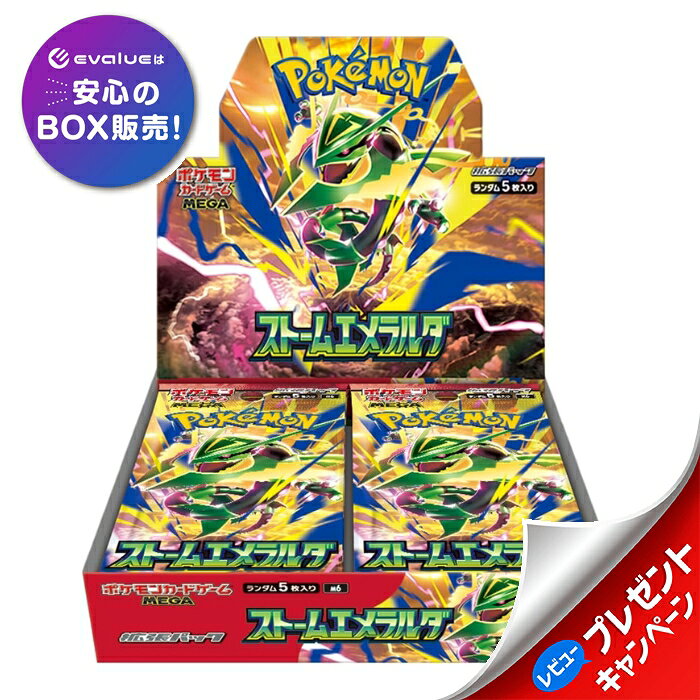 In stock now on Rakuten¥12,960
Your Pokémon journey in Japan isn't limited to just the main Centers. Several other specialized locations offer unique experiences.
The Pokémon Cafe: Worth the Hype?
As mentioned, the Pokémon Cafe in Nihonbashi, Tokyo and Umeda, Osaka are reservation-only via lottery.
- Experience: The cafes offer Pokémon-themed dishes (e.g., Pikachu curry, Eevee plate, Snorlax stew) that are adorable and meticulously presented. There's also usually a live Pikachu or Eevee mascot appearance during your meal slot.
- Cost: Expect to pay premium prices. A main dish might cost ¥2,500-¥3,500 / ~$17-$23 USD, and a themed drink around ¥1,000 / ~$7 USD. Special desserts are also pricey.
- Overrated Factor: While undeniably cute, the food itself is often standard cafe fare with a Pokémon aesthetic, not gourmet cuisine. The "value" comes from the unique experience and photo opportunities. If you're on a tight budget or time constraint and aren't deeply invested in the cafe experience itself (beyond just merch), skipping it might be wise. However, for a dedicated fan, it's a memorable visit.
Sweets by Pokémon Cafe (池袋)
- Location: Sunshine City Alpa 1F (near Pokémon Center Mega Tokyo), 3-1-2 Higashi-Ikebukuro, Toshima-ku, Tokyo.
- Access: Same as Mega Tokyo, 8-minute walk from Ikebukuro Station.
- Experience: A much more accessible alternative to the main cafes. This is a small takeaway shop offering cute Pokémon-themed sweets, drinks, and pastries. No reservations needed.
- Cost: More budget-friendly, with cookies around ¥300 / ~$2 USD, cakes ¥600-¥800 / ~$4-$5.50 USD, and drinks ¥500 / ~$3.50 USD.
- Local Tip: If you can't get into the full café or want a quicker, cheaper Pokémon food fix, this is an excellent stop after visiting Mega Tokyo.
Pokémon Stores & Kiosks
You'll find smaller "Pokémon Stores" at airports (Narita, Haneda, Kansai) and some train stations. These are essentially mini-Pokémon Centers with a more limited selection, ideal for last-minute souvenir shopping. Don't expect exclusive merchandise or the full experience of a main center here, but they are convenient.
Frequently Asked Questions
Q: How much does Pokémon Center merchandise cost in 2026?
A: Prices for Pokémon Center merchandise in 2026, while subject to slight fluctuations due to inflation and exchange rates, generally follow consistent tiers. Small keychain plushies typically range from ¥1,200-¥1,800 ($8-$12 USD). Standard size plushies (around 20-30cm tall) are usually ¥2,200-¥4,500 ($14-$30 USD), depending on the Pokémon's complexity and popularity. Larger or limited-edition plushies can go for ¥6,000-¥10,000+ ($40-$67 USD). Trading Card Game (TCG) booster packs are around ¥180-¥250 ($1.20-$1.70 USD) each, while full booster boxes can be ¥5,500-¥8,000 ($37-$54 USD). Gachapon (capsule toys) are ¥300-¥500 ($2-$3.50 USD). Apparel like t-shirts, especially collaboration items, will be ¥4,000-¥8,000 ($27-$54 USD). Expect figures and high-end collectibles to be significantly more, often starting from ¥5,000 ($33 USD) and going up to tens of thousands of yen. Remember, these are pre-tax prices, and you may be eligible for a 10% tax refund at participating stores.
Q: Is it worth visiting multiple Pokémon Centers in Japan?
A: For the casual fan looking for a few souvenirs, visiting one major Pokémon Center (like Mega Tokyo or Osaka DX) will likely suffice, as they carry the vast majority of core merchandise. However, for the dedicated collector or someone seeking truly unique items, visiting multiple centers is absolutely worth it. Each major Pokémon Center often features store-specific exclusive merchandise, particularly themed Pikachu plushies or items related to its city's culture or famous landmarks. For example, Shibuya offers graffiti-style Pikachu items, while Kyoto has more traditional Japanese-themed goods. If your itinerary allows and you have specific exclusives in mind, comparing the offerings of 2-3 distinct centers can significantly enhance your haul. Just be prepared for potential travel time between locations, especially if you're hitting multiple cities.
Q: What's the best time of day or week to visit a Pokémon Center to avoid crowds?
A: To truly minimize exposure to the notorious Pokémon Center crowds in 2026, your best bet is to visit on a weekday morning, right when the store opens. Most Pokémon Centers open between 10:00 AM and 11:00 AM. Arriving within the first hour allows you to browse and shop with significantly fewer people. Weekends (Saturday and Sunday) and Japanese public holidays (such as Golden Week in late April/early May, Obon in mid-August, and New Year's) should be avoided at all costs if possible, as these are when the centers become extremely congested, sometimes requiring timed entry tickets distributed hours in advance. If a weekday morning isn't feasible, try a weekday evening closer to closing time (e.g., an hour before they shut down, usually 8 PM or 9 PM), though popular items might be sold out by then.
Q: Can I buy Pokémon Center merchandise online if I can't go to Japan?
A: Yes, you can! While visiting a physical Pokémon Center in Japan for the full experience is ideal, many items are available for international purchase through various channels. The official Check on Amazon Japan often stocks a wide range of Pokémon Center goods, and many sellers on the platform offer international shipping (though check individual seller policies). Additionally, numerous proxy services (e.g., Buyee, ZenMarket) allow you to purchase from the official Japanese Pokémon Center Online store (pokemoncenter-online.com) and have it shipped to your home country. While these services involve additional fees and shipping costs, they are a reliable way to get Japan-exclusive merchandise. Be aware that highly limited or event-specific items might still be difficult to obtain online due to immediate sell-outs.
Q: Are there any Pokémon-themed experiences in Japan beyond the Centers and Cafes?
A: Absolutely! Japan offers a multitude of Pokémon-themed experiences beyond just the retail stores and cafes. For game fans, the Pokémon GO Safari Zones and Pokémon GO Fest events are periodically held in various cities, offering unique in-game encounters and a vibrant community atmosphere. Several Pokémon-themed manhole covers ("PokéLids") featuring unique regional Pokémon are scattered across different prefectures, making for a fun scavenger hunt. You might also find Pokémon-themed trains or airplanes on specific routes (e.g., the Pikachu Jet by Skymark Airlines or the POKÉMON with YOU Train). For a broader theme park experience, while not a dedicated Pokémon theme park, places like Universal Studios Japan (USJ) occasionally feature Pokémon parades or limited-time attractions, though this is not a permanent fixture. You can check for tour packages that might include these experiences on sites like Book USJ/Tours on Rakuten Travel Experiences. Keep an eye on official announcements from The Pokémon Company for the latest collaborations and events.
Bottom Line
Navigating Japan's Pokémon Centers in 2026 requires more than just knowing where they are. It demands strategic planning, an understanding of their unique offerings, and a willingness to sidestep tourist traps. While the bigger centers like Mega Tokyo and Shibuya offer dazzling displays and extensive selections, they also come with soul-crushing crowds. Don't fall for the hype that every exclusive is a must-buy; sometimes the simpler, less-crowded centers offer a far more enjoyable shopping experience. This guide is for the discerning fan who wants genuine exclusives and a smooth trip, not for the casual visitor who's content with generic merch or dislikes planning ahead.
📝 この記事について
監修・運営: Futuristic Imagination LLC
専門分野: 日本旅行・インバウンド
AI技術と専門家の知見を組み合わせ、信頼性の高い情報をお届けします。