[PR] This article contains affiliate links.
If you are planning an itinerary for your Japanese vacation, there is one quintessential excursion that has captivated travelers for decades: the classic Hakone loop. Nestled in the Fuji-Hakone-Izu National Park, just a short distance from the neon glow of Tokyo, Hakone offers an unparalleled mix of volcanic landscapes, pristine alpine waters, and traditional hot spring culture.
For 2026 inbound tourists, the most efficient, visually spectacular, and financially savvy way to experience this region is by undertaking the Hakone Day Trip Loop. This heavily engineered, deeply traditional circuit guides you through a seamless relay race of transportation methods: regular commuter trains, switchback mountain railways, steeply inclined cable cars, breathtaking aerial gondolas, and, most famously, a grand sightseeing cruise aboard a meticulously themed pirate ship.
In this massive, exhaustive 2026 guide, we will break down every single step of the Hakone loop. We will cover the specific logistics of navigating from Shinjuku to Lake Ashi and back, detail the critical 2026/2027 ropeway maintenance schedules you must plan around, outline exact transit fares, and thoroughly analyze the value of the legendary Hakone Free Pass. Whether you are aiming to catch a pristine glimpse of Mount Fuji from the sky or hoping to eat eggs boiled in the sulfurous waters of an active volcano, this ultimate step-by-step manual has you covered.
Part 1: The Golden Ticket — Understanding the 2026 Hakone Free Pass
Before you set foot in Shinjuku Station, you must understand the financial mechanics of traveling to and around Hakone. It is entirely possible to pay for every train, ropeway, and bus individually using cash or a transit IC card. For a deeper understanding of digital payment methods and transit cards, see our guide on What is the Best IC Card for Tourists in Japan 2026? | Suica vs Pasmo vs ICOCA. However, for the Hakone loop, paying per-segment is rarely the best choice.
The undisputed champion of regional travel in this area is the Hakone Free Pass. Issued by the Odakyu Electric Railway, this pass is a master key to the region.
What Does the Hakone Free Pass Cost?
Following a major regional fare revision by Odakyu in October 2025, the official 2-day Hakone Free Pass departing from Shinjuku costs ¥7,100 for adults.
Note: The pass is sold in 2-day and 3-day variations, and there are specific discounted fares for children. However, as these fares can fluctuate based on specific Odakyu promotional periods and age brackets, we highly recommend checking the official Hakone Free Pass page at odakyu-global.com for the complete, current price table covering child rates and multi-day pass options.
What is Included in the Hakone Free Pass?
The ¥7,100 price tag might seem like a substantial upfront investment for a day trip, but the pass includes an incredibly generous array of transit and perks:
- Round-Trip Travel from Tokyo to Odawara: The pass covers your round-trip journey on the Odakyu Line between Shinjuku Station and Odawara Station on regular, express, or rapid commuter trains.
- CRITICAL WARNING: The pass does NOT include a seat on the famed "Romancecar" limited express train. If you wish to ride the Romancecar (which offers reserved seating, large windows, and a faster journey), you must purchase a separate limited express surcharge ticket in addition to holding the Free Pass.
- Unlimited Hakone Tozan Railway Rides: Unrestricted access to the scenic mountain train winding from Odawara through Hakone-Yumoto and up to Gora.
- Unlimited Hakone Tozan Cable Car Rides: Free travel on the steep funicular linking Gora to Sounzan.
- Unlimited Hakone Ropeway Rides: Complete access to the aerial gondolas stretching from Sounzan over the Owakudani volcanic valley and down to Togendai on the shores of Lake Ashi.
- The Lake Ashi Sightseeing Cruise ("Pirate Ship"): Free passage on the standard cabin of the iconic pirate ships traversing the lake. (Note: Special or first-class cabins require an extra surcharge on each use).
- Extensive Bus Access: Unlimited rides on designated Hakone Tozan Buses and Odakyu Highway Buses within the specified free-travel zone, which is vital for completing the loop from the lake back to the train stations.
- Discounted Attraction Admission: The pass grants reduced entry fees at numerous museums, hot springs, and parks across the region, including the beautiful Hakone Museum of Art in Gora.
The Cost Comparison: A-La-Carte vs. The Free Pass
To understand the immense value of the ¥7,100 adult Free Pass, let us look strictly at the most expensive segments of the loop, based on the current October 2025 fare revisions:
- The Hakone Ropeway: A one-way ticket (adult) is ¥2,000, and a round-trip ticket is ¥3,000. (Child fares are ¥700 one-way, ¥1,000 round-trip). Important note: This is a flat fare regardless of which section is ridden. For example, riding just the short segment from Sounzan to Owakudani costs the exact same ¥2,000 one-way fee as riding the entire route from Sounzan down to Togendai.
- The Lake Ashi Sightseeing Cruise: A one-way standard cabin ticket (adult) is ¥1,700, and a round-trip ticket is ¥3,000. (Child fares are ¥850 one-way, ¥1,300 round-trip).
If you were to pay out of pocket just for a one-way ride on the ropeway (¥2,000) and a one-way cruise on the pirate ship (¥1,700), you are already at ¥3,700. Add in a standard Odakyu round-trip from Shinjuku to Odawara (roughly ¥1,800 total without the pass), the mountain railway up to Gora, the cable car, and the winding bus ride back from the lake to the station, and an a-la-carte day trip easily eclipses the ¥7,100 cost of the Free Pass. Furthermore, the pass saves you the immense hassle of queuing at ticket machines at every transfer point.
Part 2: Crucial 2026 & 2027 Ropeway Maintenance Alerts
Before finalizing your itinerary, it is imperative to cross-reference your travel dates with the official Hakone Ropeway maintenance schedule. Because the ropeway operates over an active volcanic zone and is subject to intense weather conditions, the operating company schedules routine, highly structured maintenance closures to ensure absolute passenger safety.
Do not assume the ropeway is closed on every date during the winter. The maintenance windows are specific date ranges. However, if you are traveling in late 2026 or early 2027, you must plan around the following confirmed closures:
- December 7 – December 24, 2026: The Owakudani to Sounzan section will be completely closed for scheduled maintenance.
- January 12 – February 26, 2027: The Togendai to Owakudani section will be completely closed for scheduled maintenance.
What happens if you visit during a closure? The Hakone loop is not broken during these times. Odakyu operates a robust replacement bus service along the closed segments. However, taking a replacement bus means you will miss out on the spectacular aerial views of Mount Fuji and the dramatic overhead approach into the smoking sulfur vents of Owakudani.
If your travel dates fall perfectly within these windows, check the official Hakone Ropeway schedule prior to your visit. If the aerial views are a non-negotiable part of your dream Japan trip, you may need to adjust your Hakone travel date or accept that a portion of the journey will be completed via a mountain bus.
Part 3: Step-by-Step Ultimate Hakone Loop Itinerary
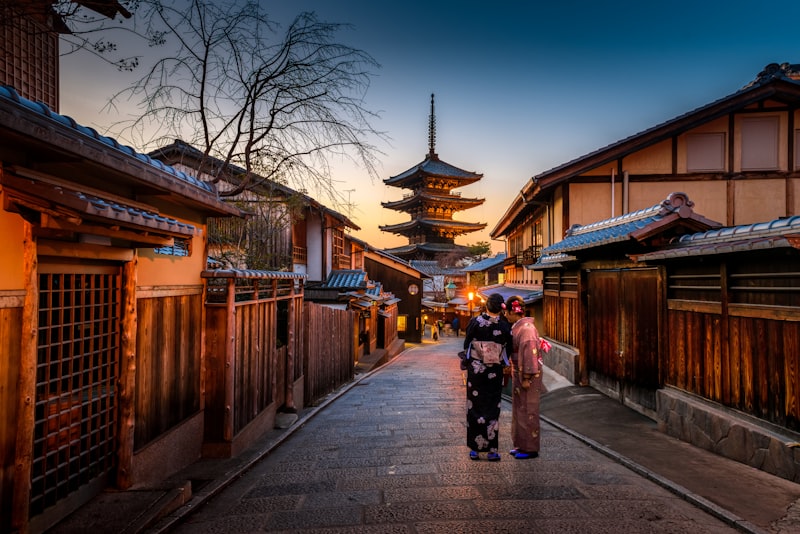
The classic Hakone loop is typically done counter-clockwise. This ensures you ascend the mountains gradually in the morning, crest at the volcanic vents of Owakudani by midday, and cruise the calm waters of Lake Ashi in the afternoon when Mount Fuji frequently peeks out from the clouds.
Here is your exhaustive, step-by-step guide to executing the perfect Hakone day trip.
Leg 1: Tokyo (Shinjuku) to Odawara & Hakone-Yumoto
Your journey begins at the massive transit hub of Shinjuku Station in Tokyo. First, you will need to purchase your Hakone Free Pass.
Location: Odakyu Sightseeing Service Center, Shinjuku West
- Access Rules: Located on the ground floor of the Odakyu line area at the West Exit of Shinjuku Station. Accessible within a 2-minute walk from the JR Shinjuku West ticket gates.
- Operating Hours: Usually opens at 8:00 AM (check current times). If you are departing earlier, you can purchase the pass from the automated Odakyu ticket machines nearby, which have English language options.
The Train Ride: Regular vs. Romancecar With your ¥7,100 pass in hand, head to the Odakyu Line platforms. You have two choices to reach Odawara/Hakone-Yumoto:
- The Budget Route (Included): Board a Rapid Express (Kaisoku Kyuko) bound for Odawara. The journey takes about 90 to 95 minutes. It operates like a standard city subway—long bench seating, no reserved spots, and you might have to stand if it's crowded. Once at Odawara, you will transfer across the platform to the Hakone Tozan Railway to complete the final 15-minute leg into Hakone-Yumoto.
- The Premium Route (Surcharge Required): The Odakyu "Romancecar" is a sleek, limited express train featuring spacious, forward-facing reserved seats, tray tables, and large panoramic windows. Some models (like the GSE) even feature observation decks at the very front and rear. The Romancecar travels directly to Hakone-Yumoto without requiring a transfer at Odawara, cutting the journey down to about 75-85 minutes. Because the Free Pass covers only the base fare, you must pay a surcharge (typically around ¥1,200 depending on the exact date and train model) at the ticket machine or counter to secure a Romancecar reservation.
If you are a food lover, buying an ekiben (station bento box) at Shinjuku to eat aboard the Romancecar is a cherished Japanese travel tradition. For a breakdown of food pricing in Japan, including bento boxes versus sit-down dining, check our guide: How Much Does Food Cost in Japan? 2026 Konbini vs Restaurant.
Leg 2: Hakone Tozan Railway (Hakone-Yumoto to Gora)
Hakone-Yumoto is the bustling gateway town to the hot spring resorts. From here, you will transition to the Hakone Tozan Railway, Japan’s oldest mountain railway.
Location: Hakone-Yumoto Station
- Access Rules: If you took the Romancecar, you are already here. If you took the regular Odakyu line, you transferred at Odawara and rode 15 minutes to reach this terminus.
- The Experience: Before boarding the mountain train, you might want to briefly step out of the station. Right across the street is the town's main shopping strip.
Recommended Stop: Kikukawa Shoten (Hakone-Yumoto)
- Access Rules: A 3-minute walk from Hakone-Yumoto Station, right on the main street.
- Details: Famous for their freshly baked Hakone Manju (small sponge cakes filled with sweet white bean paste, stamped with a hot iron). You can watch the mesmerizing vintage mechanical belts baking the cakes in the window. Perfect for a quick, cheap morning snack before heading up the mountain.
Back at the station, board the small, alpine-style Tozan train. This incredible piece of engineering takes roughly 40 minutes to climb the heavily forested mountain to Gora. The gradient is so steep that the train cannot go straight up. Instead, it utilizes three distinct "switchbacks." The train will pull into a dead-end siding, the conductor and driver will swap ends of the train, and it will proceed in the opposite direction to zig-zag its way up the mountain. It is a slow, methodical, and incredibly charming ride.
Leg 3: Exploring Gora & The Hakone Tozan Cable Car
Upon arriving at Gora Station, the elevation is noticeably higher and the air crisper. Gora is a luxurious hot spring resort area, heavily influenced by early 20th-century French landscape design, and serves as the transfer point to the cable car.
Before immediately rushing to the cable car, this is an excellent area to stretch your legs and utilize one of your Free Pass perks.
Recommended Stop: Hakone Museum of Art
- Access Rules: You can walk up the steep hill from Gora Station (about 15 minutes), or take the Hakone Tozan Cable Car to Koen-Kami Station and walk 3 minutes.
- Details: Show your Hakone Free Pass for discounted admission. The museum houses beautiful Japanese ceramics, but the real draw is the breathtaking moss garden and maple trees. If you are visiting in late November, the autumn leaves contrasting with the deep green moss here offer some of the best photography in all of Japan.
Recommended Dining: Ginkatsu Tei (Gora)
- Access Rules: A 3-minute walk from Gora Station, situated near the railway tracks.
- Details: If you are hitting Gora around lunchtime, Ginkatsu Tei is legendary for its Tofu Katsu Ni—tofu stuffed with minced pork, deep-fried like a tonkatsu cutlet, and simmered in a sweet and savory broth with egg. Be prepared for a queue, as this is one of Hakone's most popular lunch spots.
When you are ready to proceed, return to Gora Station and board the Hakone Tozan Cable Car (a funicular railway). The tracks pull you straight up the dramatic incline of the mountain for about 10 minutes until you reach Sounzan Station.
Leg 4: The Hakone Ropeway (Sounzan to Owakudani)
Sounzan Station is a modern facility that features a beautiful observation terrace (cu-mo Hakone) offering footbaths and expansive views of the caldera. It is here that you transition from terrestrial rails to the sky via the Hakone Ropeway.
As a reminder, if you chose not to buy the Hakone Free Pass, you will need to pay the ropeway fare here. Under the October 2025 revision, the one-way adult fare is ¥2,000, and the round trip is ¥3,000. Because it is a flat fare, purchasing a ticket from Sounzan to Owakudani costs the exact same as a ticket from Sounzan all the way to the lake at Togendai. The Free Pass simply allows you to flash your ticket and walk straight onto the gondola.
The gondolas hold about 18 passengers and depart continuously. The journey from Sounzan to Owakudani takes approximately 10 minutes.
The View: As the gondola ascends, it climbs the steep face of Mount Kami. Suddenly, it crests the peak, and the ground beneath you simply falls away into the gaping, smoking, sulfurous crater of Owakudani. It is a jaw-dropping transition. On clear days, as you cross this active volcanic valley, Mount Fuji reveals itself majestically on the horizon.
Leg 5: The Volcanic Valley of Owakudani
Stepping off the ropeway at Owakudani (literally "Great Boiling Valley"), the first thing you will notice is the intense smell of sulfur. This area is the result of the explosion of the Hakone volcano some 3,000 years ago, and the active vents continue to pump out steam and volcanic gases today.
Safety Note: Because of the volcanic gases, individuals with severe asthma, bronchitis, or heart disease are strongly advised by park authorities not to linger in the outdoor valley. On days when gas levels are exceptionally high, the walking trails may be restricted.
Recommended Stop: Owakudani Kurotamagokan
- Access Rules: A 1-minute walk directly outside the Owakudani Ropeway Station.
- Details: This is the undisputed epicenter of Hakone tourism. The Kurotamagokan is the primary facility selling Owakudani's famous kuro-tamago, or black eggs. These are regular chicken eggs that have been slowly boiled in the naturally sulfurous hot spring water of the valley. The chemical reaction between the geothermal heat, hydrogen sulfide, and the eggshell turns the outside of the egg pitch black, while the inside remains a perfectly cooked, slightly mineral-tasting hard-boiled egg.
Local legend dictates that eating just one black egg will extend your life by seven years. Note on Pricing: While many older guidebooks confidently state the price and pack size of these eggs (often citing packs of 4 or 5 for around ¥500), inflation and supply changes mean these details frequently fluctuate. We urge readers to check the currently posted price and pack sizes on the signage directly at the Kurotamagokan counter.
You can enjoy your eggs outside looking over the smoking valley. Keep in mind that many small vendors in remote areas like this prefer cash. For more tips on managing your yen while traveling outside of Tokyo, see our deep dive: Cash vs Card in Japan 2026: How Much Cash Do You Need?.
Leg 6: Ropeway Descent & The Lake Ashi Pirate Ship
Once you have secured your seven years of extra life, return to the Owakudani station and board the second half of the Hakone Ropeway. This 15-minute descent takes you down the mountain, offering panoramic views of Lake Ashi glittering in the caldera below, eventually dropping you off at Togendai Station.
Togendai is not just a ropeway terminus; it is a bustling port for the Lake Ashi Sightseeing Cruise.
For decades, the Odakyu-affiliated sightseeing boats on Lake Ashi have been modeled after 17th and 18th-century European warships, affectionately known by locals and tourists alike as the "Hakone Pirate Ships."
The Fares and The Fleet: As a reminder, your Hakone Free Pass allows you to board the standard cabin of the cruise at no extra charge. If you are paying out of pocket, the October 2025 revised one-way fare from Togendai to the southern ports (Moto-Hakone or Hakone-machi) is ¥1,700 for adults (¥850 for children), and the round-trip is ¥3,000 for adults (¥1,300 for children).
The fleet consists of three lavishly decorated vessels: the Queen Ashinoko, the Victory, and the Royal II.
Important 2026 Update for the Royal II: In July 2026, the Royal II completed an extensive renovation project. While the exterior retains its classic majestic French warship design, the interior has been significantly upgraded. According to independent corroboration of the July 2026 news updates, the newly renovated first-class cabin on the Royal II now carries an ¥800 surcharge on top of the standard fare (or on top of your Free Pass).
Is the first-class surcharge worth it? The ¥800 fee grants you access to exclusive lounges with far more opulent, uncrowded seating and, more importantly, access to the private upper decks at the front of the ship. On a busy weekend, the standard observation decks can be incredibly crowded with tourists vying for photos of Mount Fuji and the lake’s torii gates. If you value peaceful photography and want to guarantee a seat, the ¥800 upgrade is a nominal price for luxury.
Travel Tip: Sun exposure on the open waters of Lake Ashi during the summer can be intense. If you plan to spend the 30-minute cruise on the open upper decks, skin protection is a must. Check out our recommendations for the Best Japanese Sunscreens 2026 | TOP5 for Western Travelers.
The cruise sails south across the serene, deep blue caldera lake. As you approach the southern shores, look to the left side of the vessel to catch sight of the massive, vermilion Heiwa no Torii (Gate of Peace) rising directly out of the water, framed by dense green cedar forests and, weather permitting, the snow-capped cone of Mount Fuji in the background.
Leg 7: Moto-Hakone & The Hakone Shrine
The pirate ship will make two stops at the southern end of the lake: Hakone-machi Port and Moto-Hakone Port. For the best access to the shrine and classic lakeside views, disembark at Moto-Hakone Port.
Recommended Stop: Hakone Shrine & Heiwa no Torii
- Access Rules: From the Moto-Hakone boat pier, it is a scenic 10-minute walk northeast along the lakeshore pedestrian path. You will walk through a massive torii gate over the road before entering the forested precinct of the shrine.
- Details: Nestled in an ancient forest of towering Japanese cedars, Hakone Shrine holds over 1,200 years of history. Samurai commanders like Minamoto no Yoritomo worshipped here before battles. The main shrine buildings sit at the top of a long flight of stone stairs adorned with red lanterns.
The most famous photo spot in all of Hakone is the Heiwa no Torii, the water gate you saw from the ship. To get the iconic shot of yourself standing on the stone steps leading down into the lake beneath the gate, be prepared to wait. Due to its explosive popularity on social media, there is often a highly organized, single-file line of tourists waiting up to 45 minutes to take their turn for a photo.
Recommended Dining: Bakery & Table Hakone
- Access Rules: A 1-minute walk directly across from the Moto-Hakone Port pirate ship terminal.
- Details: If you are hungry after walking the shrine grounds, this multi-story bakery and cafe is a must-visit. The first floor offers a dazzling array of freshly baked breads and pastries (try the curry bread with a whole soft-boiled egg inside). The absolute best feature, however, is the outdoor terrace seating on the ground floor, which features a natural hot spring footbath built right under the dining tables. You can soak your tired feet while sipping coffee and gazing out at Lake Ashi.
Leg 8: The Bus Ride Back
To complete the loop and return to your starting point, you will need to utilize the local bus network. With your Hakone Free Pass, the designated Hakone Tozan Bus routes are fully covered, saving you roughly ¥980 to ¥1,200 depending on your final stop.
From the Moto-Hakone bus terminal, look for the Route H (Hakone-machi Line) or Route R (Hakone Shindo Line) buses bound for Hakone-Yumoto Station and Odawara Station.
The bus ride down the mountain takes about 35 to 45 minutes to reach Hakone-Yumoto. Be forewarned: the roads descending the Hakone mountains are intensely steep, winding, and full of sharp hairpin turns (famous among fans of Japanese drift racing). If you are prone to motion sickness, try to sit near the front of the bus and look straight out the window, or take preventative medication before boarding.
Once you arrive back at Hakone-Yumoto or Odawara, you have completed the circuit! From there, you simply board your Odakyu regular train (covered by the pass) or your pre-booked Romancecar (requiring the surcharge ticket) for the comfortable evening ride back to Shinjuku.
Practical Advice for 2026 Hakone Travelers
Navigating Luggage
If you are doing this as a strict day trip from Tokyo, you will only have a daypack. However, many tourists use the Hakone loop as part of an overnight stay in a local ryokan (traditional inn). Navigating the cable cars, ropeways, and crowded buses with large hard-shell suitcases is incredibly stressful, frowned upon by locals, and physically exhausting.
Instead, use the Hakone Carry Service located right inside Hakone-Yumoto Station. If you drop off your luggage between 8:30 AM and 12:30 PM, they will deliver it directly to your Hakone-area hotel or ryokan by 3:00 PM for a small fee (typically between ¥1,000 and ¥1,500 depending on bag size). You can then travel the loop hands-free and find your bags waiting in your room.
Dietary Concerns in the Mountains
Hakone is famous for traditional Japanese cuisine—soba noodles, katsu, and ryokan kaiseki meals. For tourists with strict allergies (such as severe nut, egg, or dairy allergies), dining in these rural areas requires extra preparation, as traditional broths and batters can contain hidden allergens. We highly recommend traveling with custom dietary explanation cards in Japanese. For a comprehensive guide on managing this, read Allergy Travel Japan | Nut Egg Dairy Free Dining with Translation Cards.
Hydration and Tap Water
When staying overnight in Hakone, you might wonder if it is safe to drink the tap water at your ryokan or hotel. The water in Hakone is sourced from pristine mountain runoff and is completely safe and delicious. For a wider look at water safety across the country, review our article: Can You Drink Tap Water in Japan? | City by City Guide 2026.
Conclusion
The Hakone loop remains an absolute masterpiece of Japanese tourism infrastructure. The ability to seamlessly transition from a bustling Tokyo metropolis to a historic mountain railway, soar over a steaming volcanic caldera, and sail across a serene alpine lake—all in one perfectly orchestrated day—is nothing short of magical.
With the October 2025 fare revisions solidifying the 2-day Shinjuku-departing Hakone Free Pass at ¥7,100, the economic argument for securing the pass is undeniable. The standalone flat rates of the ropeway (¥2,000 one-way / ¥3,000 round-trip) and the Lake Ashi cruise (¥1,700 one-way / ¥3,000 round-trip) make the Free Pass a necessary tool for both budget and convenience.
Just remember to remain vigilant regarding the 2026/2027 maintenance schedules. Keep the December 7–24, 2026 (Owakudani–Sounzan) and January 12–February 26, 2027 (Togendai–Owakudani) bus-replacement dates in mind, prepare for the majestic ¥800 first-class upgrade on the newly renovated Royal II, and check the official Odakyu channels for family pricing.
Hakone awaits. Buy your pass, grab a black egg at the crater's edge, and enjoy one of the most dynamic day trips in all of Japan.
FAQ
Q: How much does the Hakone Free Pass cost in 2026?
Following the October 2025 fare revision, the official 2-day Hakone Free Pass departing from Shinjuku costs 7,100 yen for adults.
Q: Does the Hakone Free Pass include the Romancecar train?
No, the pass only covers the regular base fare. To ride the Romancecar, you must pay a separate limited express surcharge of approximately 1,200 yen depending on the exact date and train model.
Q: Is the Hakone Ropeway closed for maintenance in 2026 or 2027?
Yes, scheduled maintenance will close the Owakudani to Sounzan section from December 7 to 24, 2026, and the Togendai to Owakudani section from January 12 to February 26, 2027. Odakyu operates replacement buses during these closures.
Q: What are the famous black eggs at Owakudani?
Kuro-tamago are regular chicken eggs boiled in the naturally sulfurous hot spring waters of the Owakudani volcanic valley. The chemical reaction turns the shells black, and local legend claims eating one extends your life by seven years.
Q: How much is the first-class surcharge on the Lake Ashi Pirate Ship?
Riding the newly renovated first-class cabin on the Royal II ship requires an 800 yen surcharge on top of the standard fare or the Hakone Free Pass, which grants access to exclusive lounges and upper decks.
Q: How should I handle my luggage while traveling the Hakone loop?
Taking large luggage on the cable cars and ropeways is physically exhausting and discouraged. Instead, use the Hakone Carry Service at Hakone-Yumoto Station to forward your bags directly to your hotel or ryokan for a small fee.