[PR] This article contains affiliate links.
Welcome to Tokyo-3. Or, as the maps of Kanagawa Prefecture call it: Hakone.
For over a quarter of a century, Hideaki Anno’s legendary mecha anime franchise, Neon Genesis Evangelion, has captivated global audiences with its psychological depth, apocalyptic stakes, and breathtaking biomechanical designs. But long before the 2019 Netflix global release of the original series introduced a massive new generation of international fans to the franchise, and long before the Rebuild of Evangelion tetralogy reached its cinematic conclusion, Japanese fans were already flocking to a real-world resort town just 90 minutes from Tokyo.
Hakone, a mountainous onsen (hot spring) town renowned for its views of Mt. Fuji, its sulfur vents, and Lake Ashi, serves as the exact geographic setting for the fictional "Tokyo-3" (第3新東京市)—the heavily fortified fortress city and headquarters of NERV.
What makes Hakone utterly unique in the world of Japanese anime tourism is that the local government and massive corporate entities have actively, enthusiastically embraced their apocalyptic alter-ego. Odakyu Electric Railway (the primary transit operator for the region) and Fujiya Kanko (the prestigious Fujiya Hotel group) have run official, repeated "Evangelion x Hakone" tie-in campaigns since at least 2010. This isn't just an informal fan gathering spot; it is a meticulously organized, institutionally-backed tourism phenomenon.
Whether you are a die-hard fan looking to trace Shinji Ikari’s exact footsteps when he ran away in Episode 4, or a general Japan traveler who wants to combine world-class hot springs with a slice of modern Japanese pop culture history, the Evangelion Hakone pilgrimage is arguably the most accessible and rewarding seichi junrei (holy site pilgrimage) in Japan.
In this exhaustive, massive guide, we will break down the history of the campaigns, the exact logistics of getting there, and the ultimate 10-stop Evangelion itinerary in Hakone.
For readers completely new to the concept of traveling to anime locations, be sure to read our primer: Anime Pilgrimage in Japan: A Beginner to understand the basics of this fascinating subculture.
What is "Tokyo-3" and Why is it in Hakone?
Before packing your bags and charging your IC card (speaking of which, you may want to read What is the Best IC Card for Tourists in Japan 2026? | Suica vs Pasmo vs ICOCA), it is important to understand the lore of the franchise and how it maps to reality.
The Lore of Tokyo-3
In the world of Neon Genesis Evangelion, the year 2000 brought the "Second Impact," a cataclysmic event that melted the ice caps, shifted the Earth's axis, and drowned coastal cities worldwide, including the original Tokyo. The Japanese government eventually built "Tokyo-2" in Nagano Prefecture as a temporary capital.
However, the real line of defense against the monstrous entities known as "Angels" was "Tokyo-3" (第3新東京市). Built directly on top of the massive subterranean cavern known as the GeoFront (which houses NERV Headquarters), Tokyo-3 is a fortress city. When an Angel attacks, the massive skyscrapers retract into the ground for protection, revealing missile silos and weapon caches for the Evangelion units.
The Geography of Hakone
When Hideaki Anno and the creators at Gainax were developing the show in the mid-1990s, they needed a location for Tokyo-3 that was mountainous, geographically isolated, yet historically significant. They chose the Sengokuhara plateau in Hakone, Kanagawa Prefecture.
Hakone is a massive ancient volcanic caldera. A caldera is essentially a giant crater formed by the collapse of a volcano. This geography perfectly mimics the idea of a hidden, defensible valley. Lake Ashi (Ashinoko), the famous crater lake in Hakone, features prominently in the anime, most notably as the battlefield for "Operation Yashima" in Episode 6, where Shinji pilots Eva Unit-01 with a massive positron rifle across the lake to shoot the diamond-shaped Angel, Ramiel.
Because Hakone is a real place, the animators used actual photographs of the town's ropeways, train stations, convenience stores, and mountain paths to draw the backgrounds of the show. Therefore, when you walk around Hakone, you are literally walking through the background art of Neon Genesis Evangelion.
The 15+ Year History of the Evangelion x Hakone Campaigns
While fans had been quietly visiting Hakone since the show aired in 1995, the institutional backing of the anime pilgrimage transformed the town in the early 2010s. This partnership between Odakyu Electric Railway, local businesses, and the Evangelion IP holders is a masterclass in regional revitalization.
2010-2011: The First Major "Complementary Stamp Rally"
Between 2010 and 2011, Odakyu and local tourism boards launched the first large-scale official tie-in. The centerpiece was the "Third New Tokyo City Complementary Stamp Rally" (a play on the anime's "Human Instrumentality Project").
As covered by Japanese news outlet Gigazine during the 2011 iteration, tourists could pick up an official "Tokyo-3" pilgrimage map. This beautifully designed map charted out real-world locations in Hakone alongside their anime equivalents. Participants traveled across the caldera—taking trains, buses, and ropeways—to collect stamps in a specialized booklet. Completing the rally allowed fans to enter a mail-in prize lottery for exclusive Evangelion merchandise.
This campaign proved that anime tourism wasn't just a niche hobby; it was a massive economic driver. Fans bought train passes, stayed in hotels, and ate at local restaurants just to complete their stamp rallies.
2020: The "Evangelion x Hakone 2020" Takeover
To coincide with the highly anticipated cinematic release of Evangelion: 3.0+1.0 Thrice Upon a Time, Odakyu launched an unprecedented, massive renewed campaign known as "Evangelion x Hakone 2020."
This wasn't just a stamp rally. As covered by Nippon.com and Jorudan onsen news at the time, the resort town was fundamentally "Evangelion-ized."
- Station Rebranding: Hakone-Yumoto Station, the main gateway, had its stairs, pillars, and signage completely wrapped in Evangelion art.
- Buses and Trains: The Odakyu Romancecar and local Hakone Tozan buses were wrapped in Eva Unit-01 purple and green colors. Some buses even featured in-character announcements by Misato Katsuragi (voiced by Kotono Mitsuishi).
- Onsen Tie-ins: The famous Hakone Kowakien Yunessun hot spring theme park debuted a literal "LCL Bath" (the orange oxygenated liquid that fills the Eva cockpits) and a red "Second Impact Bath."
Current Status Constraint: Check Before You Go
Important Note for Travelers: Odakyu/Hakone has run official Evangelion tie-ins since 2010-2011, most recently the large-scale 2020 campaign. However, physical displays, wrapped buses, and specific stamp rallies change over time, end, or get refreshed by newer promotions.
Do not plan your trip assuming a specific wrapped bus from 2020 is still driving the exact same route today. Instead, view Hakone as the permanent, eternal setting of the anime. When planning your trip, check current Odakyu Hakone Free Pass promotional pages and Hakone-Yumoto Station signage for what's currently active regarding limited-time pop-ups, current stamp rallies, or temporary visual displays. The permanent locations (like the physical mountains, lakes, and the official Eva-ya store) remain year-round.
Logistics: Getting to Tokyo-3 from Tokyo
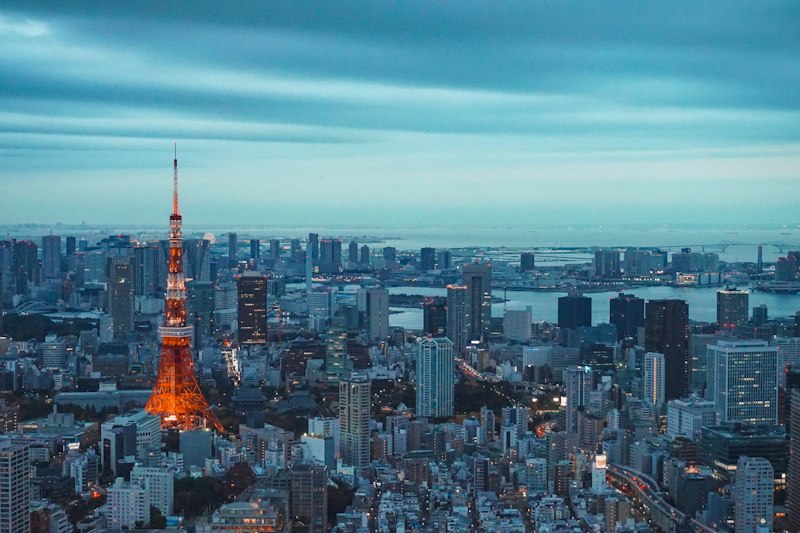
Hakone is already one of the most visited resort destinations near Tokyo for international tourists independent of the anime tie-in. This gives the Evangelion pilgrimage an easy "you're probably already planning to visit Hakone anyway" framing. You do not need to detour deep into rural, inaccessible Japan.
The Odakyu Romancecar
The fastest, most comfortable, and most "canon" way to access Hakone is via the Odakyu Electric Railway from Shinjuku Station in Tokyo. Shinjuku itself plays a minor role in the broader Eva lore, but it is your real-world starting point.
You will want to book a ticket on the Odakyu Romancecar, a limited express train that takes you directly from Shinjuku Station to Hakone-Yumoto Station in about 85 minutes. The Romancecar requires a base fare plus a limited express surcharge (roughly 2,470 JPY total one-way, subject to current pricing). It features massive viewing windows and reserved seating.
The Hakone Free Pass
If you are doing the Evangelion pilgrimage, you will be traveling all over the caldera. Buying individual tickets for the buses, mountain trains, cable cars, and ropeways will become prohibitively expensive and incredibly frustrating.
You must purchase the Hakone Free Pass (available at Shinjuku Station's Odakyu Sightseeing Service Center or digitally).
- Cost: Approximately 6,100 JPY for a 2-day pass, or 6,500 JPY for a 3-day pass (departing from Shinjuku, prices subject to change).
- Coverage: It covers your round-trip base fare from Shinjuku (you only pay a small surcharge to upgrade to the Romancecar), plus unlimited rides on almost all transit within Hakone: the Hakone Tozan Train, the Hakone Tozan Cable Car, the Hakone Ropeway, the Hakone Sightseeing Cruise (pirate ships on Lake Ashi), and Hakone Tozan Buses.
- Why it's essential for fans: The Evangelion locations are spread across the entire "Hakone Loop." The Free Pass pays for itself usually within the first 24 hours of exploring.
Keep in mind that while Japan is highly modernized, some smaller buses or rural shops in Hakone may prefer cash. Check out our guide on Cash vs Card in Japan 2026: How Much Cash Do You Need? to prepare your wallet for the mountains.
The Ultimate Evangelion Hakone Pilgrimage Route: 10 Must-Visit Locations
Below is an exhaustive list of the key locations you must visit on your Evangelion x Hakone pilgrimage. We have included the anime significance, the historical tie-in context, and exact access instructions with maps for every single spot.
1. Hakone-Yumoto Station (The Gateway to Tokyo-3)
Hakone-Yumoto Station is the terminus of the Odakyu Romancecar and the starting point of the Hakone Tozan Railway. In the real world, this is where your Hakone adventure begins. In the lore of the anime tie-ins, this station is essentially the entrance to Tokyo-3.
During the 2020 campaign, this entire station was transformed. The exterior signage was altered, the massive staircases were covered in art of Eva Unit-01, and the floor guidance lines were designed to look like the geometric emergency routes inside NERV HQ. Even if a specific temporary display has cycled out by the time you visit, the architecture of the station and the surrounding town is deeply evocative of the early episodes where Shinji first arrives in the city.
- Access: 85 minutes direct from Shinjuku Station via the Odakyu Romancecar.
- Google Map:
2. Hakone Eva-ya (The Official Evangelion Store)
You don't even have to leave Hakone-Yumoto Station to find the most permanent, official Evangelion establishment in the city. Located on the ground floor of the station complex, Hakone Eva-ya (箱根えゔぁ屋) is the official franchise merchandise shop designed specifically around traditional Japanese aesthetics.
Opened as a permanent fixture following the success of early campaigns, the shop features a massive statue of Rei Ayanami dressed in a traditional yukata (summer kimono). The interior looks like a classic Japanese souvenir stand, but everything is NERV-branded.
What to buy:
-
NERV Odawara/Hakone traditional wooden crafts (Yosegi-zaiku): Hakone is famous for geometric wooden marquetry. The shop sells NERV coasters and boxes made in this centuries-old style (prices usually range from 1,500 to 4,000 JPY).
-
Eva Soft Serve Ice Cream: The shop is famous for a bright purple and green soft-serve ice cream cone modeled after Unit-01 (approx. 500-600 JPY).
-
Angel Castella Cakes: Small sponge cakes shaped like Sachiel (the 3rd Angel), filled with custard or red bean paste.
-
Note on Hours: Typically open from 9:00 AM to 6:00 PM, but always verify current operating hours upon arrival.
-
Access: Located immediately outside the ticket gates on the 1st floor of Hakone-Yumoto Station.
-
Google Map:
3. Lake Ashi (Ashinoko) & The Hakone Sightseeing Cruise
Lake Ashi is the geographic heart of Hakone, formed over 3,000 years ago during the volcano's last major eruption. In the world of Evangelion, Lake Ashi is legendary among fans as the site of Operation Yashima in Episode 6.
To defeat the geometrically perfect, immensely powerful 5th Angel, Ramiel, Misato formulates a plan to commandeer the entire electrical grid of Japan. The power is routed to a massive positron sniper rifle set up on the shores of Lake Ashi. Shinji pilots Eva Unit-01 from a ridge overlooking the lake, taking the shot that saves Tokyo-3.
When you visit Lake Ashi today, you can take the Hakone Sightseeing Cruise (the famous "pirate ships," fully covered by your Hakone Free Pass). Standing on the deck of the ship as it crosses the water, looking at the forested ridges, you can easily picture the massive mechas crouching in the tree lines. On clear days, the view of Mt. Fuji behind the lake is arguably the most famous postcard image of Japan.
- Access: Take the Hakone Tozan Bus from Hakone-Yumoto Station to Motohakone-ko or Hakonemachi-ko (about 35-40 minutes). Alternatively, take the Hakone Ropeway to Togendai Station.
- Google Map (Motohakone-ko Port):
4. Togendai Station (NERV HQ Checkpoint)
Togendai is the major transit hub on the northern tip of Lake Ashi. It serves as a port for the pirate ships, a terminal for the local buses, and the bottom station of the Hakone Ropeway.
Because of its massive, industrial-looking architecture and its geographic location directly above the theoretical location of the GeoFront, Togendai Station has frequently been used in Odakyu tie-ins as a stand-in for NERV Headquarters. During the 2020 campaign, the interior of the station was massively wrapped to look like the secure access corridors of NERV, complete with warning signs, hexagonal lighting designs, and a massive 2-meter tall statue of Unit-01.
Even outside of campaign periods, boarding the Hakone Ropeway here feels intensely mechanical and sci-fi, as you are lifted off the ground and carried up over the volcanic ridges.
- Access: A 35-minute ride via the pirate ship from Motohakone-ko, or a 45-minute bus ride directly from Hakone-Yumoto Station via the "T" line.
- Google Map:
5. Owakudani (Shinji’s Runaway Route)
Owakudani is Hakone's most famous natural attraction. It is an active volcanic zone characterized by barren, scarred earth, boiling sulfur springs, and thick plumes of white smoke venting from the rock.
In Episode 4 of the anime, "Hedgehog's Dilemma," an overwhelmed Shinji runs away from his duties as a pilot. He wanders aimlessly through the mountains of Tokyo-3. The animators faithfully recreated the bleak, desolate landscape of Owakudani for these scenes. Standing amidst the sulfur vents, surrounded by the rocky terrain that Shinji trudged through, provides a melancholic, profound connection to the character's feelings of isolation.
While you are here, you absolutely must participate in a non-anime Hakone tradition: eating a Kurotamago (Black Egg). These chicken eggs are boiled directly in the sulfuric hot springs, turning their shells pitch black. Local legend dictates that eating one adds seven years to your life.
- Access: Accessible via the Hakone Ropeway from either Togendai Station or Sounzan Station. (Note: The ropeway occasionally closes due to high volcanic gas levels; check status locally).
- Google Map:
6. Sengokuhara (The Site of the GeoFront)
If you look at the official maps provided during the "Third New Tokyo City Complementary Stamp Rally," the actual urban center of Tokyo-3—the massive skyscrapers that retract into the ground—is located in the Sengokuhara area of Hakone.
In reality, Sengokuhara is a relatively flat, wide plateau famous for its massive fields of Pampas Grass (Susuki), which turn a brilliant, shimmering silver-gold in the autumn. The juxtaposition is fascinating: what is a quiet, natural wetlands area in the real world is a hyper-dense, weaponized metropolis in the anime.
Taking a walk through the Sengokuhara Pampas Grass field is highly recommended. It perfectly evokes the melancholy, quiet moments of the anime when the cicadas are buzzing and the characters are reflecting on the impending Angel attacks.
- Access: Take the Hakone Tozan Bus (Route T) from Hakone-Yumoto Station to the "Sengoku Kogen" bus stop (about 30 minutes).
- Google Map:
7. The Sengokuhara "Tokyo-3" Convenience Store (Lawson)
Convenience stores (konbini) feature prominently in Evangelion, offering a mundane anchor to the sci-fi chaos. In 2010, at the height of the first major tie-in waves, the Lawson convenience store branch in Sengokuhara was completely transformed into "Lawson Tokyo-3 Store."
The opening was so heavily hyped that fans caused a massive traffic jam in the quiet mountain town, forcing the store to temporarily cancel the promotion due to overcrowding! Over the years, this specific Lawson (and others in the Hakone area) has frequently partnered with the franchise to sell limited-edition Eva-themed snacks, clear files, and drinks. While the exterior may look like a normal Lawson depending on the month you visit, hardcore fans still stop here to buy a canned coffee (perhaps a UCC Milk Coffee, a brand heavily featured in the show) in honor of Misato.
- Access: Located in the Sengokuhara area, about a 5-minute walk from the main Sengoku intersection.
- Google Map (Lawson Hakone Sengokuhara):
8. Hakone Kowakien Yunessun (The Hot Spring Theme Park)
If you have ever wanted to bathe in LCL fluid, Hakone Kowakien Yunessun is the place to check. Yunessun is a unique "hot spring amusement park" where visitors wear swimsuits, making it incredibly accessible for international tourists who might be shy about traditional nude bathing, or families traveling together.
Yunessun is famous for its novelty baths (they permanently have a wine bath, a coffee bath, and a green tea bath). However, they are also a primary partner for Fujiya Kanko's Evangelion tie-ins. During the massive 2020 campaign, they debuted the "Second Impact Bath" (a blood-red hot spring visually mimicking the catastrophic anime event) and the "LCL Bath" (an orange, slightly viscous bath meant to simulate the oxygenated fluid inside an Entry Plug).
While novelty baths cycle out and are subject to change, Yunessun remains a staple on the Evangelion pilgrimage route due to its historic participation in the campaigns.
- Access: Take the Hakone Tozan Bus or Izu Hakone Bus from Hakone-Yumoto Station to the "Kowakien" stop (about 20 minutes).
- Google Map:
9. Gora Station and Gora Park
Gora is the terminus of the Hakone Tozan Train (the switchback mountain railway that climbs up from Hakone-Yumoto) and the starting point of the Hakone Tozan Cable Car. Because of its status as a mandatory transfer point, it has almost always been a primary stamp location for the Odakyu Evangelion stamp rallies.
Gora Park, a French-style landscape park located just above the station, offers a beautiful, manicured contrast to the wild volcanic slopes of Owakudani. In the anime, glimpses of Tokyo-3's surface parks can be seen before the alarms sound and the city transforms into its battle configuration.
- Access: A 40-minute scenic ride on the Hakone Tozan Train from Hakone-Yumoto Station. (Fully covered by the Hakone Free Pass).
- Google Map (Gora Station):
10. Mt. Kintoki (Kintokiyama) Hiking Trail
For the physically fit and adventurous fan, hiking Mt. Kintoki is the ultimate capstone to the Tokyo-3 pilgrimage. Mt. Kintoki sits on the rim of the Hakone caldera, looking down into the Sengokuhara plateau.
If you hike to the summit, you are rewarded with a panoramic view of the entire Hakone area, with Lake Ashi in the distance and Mt. Fuji towering in the background. This is the exact geographic vantage point from which many of the wide-angle establishing shots of Tokyo-3 were drawn in the anime. Looking down into the caldera, you can trace the imaginary lines of the GeoFront.
The hike takes about 90 minutes to 2 hours to the summit from the Kintoki Shrine trailhead. It is a real mountain hike, so wear proper hiking shoes and bring water.
- Access: Take the Hakone Tozan Bus (Route T) to "Kintoki Jinja Iriguchi" (Kintoki Shrine Entrance) bus stop.
- Google Map (Kintoki Shrine Trailhead):