ASOVENTURE · JAPAN LINENOW BOARDING · SUMMER 2026 · TOKYO — OSAKA — SAPPORO — FUKUOKA
Hidden Tokyo

Kagurazaka Guide | Paris of Tokyo | French Quarter & Hidden Alleys

Kagurazaka Guide | Paris of Tokyo | French Quarter & Hidden Alleys
Quick facts

Uncover Kagurazaka''s true charm: authentic 2026 prices, local insights, hidden izakayas, and real geisha district experiences beyond the tourist traps.

  • 📂 Hidden Tokyo
  • 🔄 Updated 2026-06-27
  • #Kagurazaka
  • #Tokyo Hidden Gems
  • #French Quarter Tokyo
📶

Get Your Japan eSIM Before You Go!

Connect to internet immediately on arrival · No airport SIM card needed

Compare eSIM →

[Disclosure] This article contains affiliate links. We may earn a commission at no extra cost to you.
Kagurazaka Guide | Paris of Tokyo | French Quarter & Hidden Alleys

You’ve traversed Shibuya’s scramble, marveled at Senso-ji, and perhaps even spent an evening in Shinjuku. Now, you’re ready for Tokyo's deeper, more nuanced layers – the places where locals unwind, where history whispers behind sliding doors, and where cultural fusions genuinely surprise. Kagurazaka, often dubbed the "Paris of Tokyo" or its "French Quarter," is precisely that destination. But it's far more than just a cluster of boulangeries and bistros. This guide will peel back the layers of Kagurazaka, revealing its authentic geisha traditions, its labyrinthine back alleys brimming with Michelin-starred secrets and humble izakayas, and its unique blend of Japanese elegance and European charm. Forget the superficial tourist brochures; you’re about to discover Kagurazaka as an insider would, complete with 2026 prices, specific recommendations, and candid insights.

What You'll Get From This Guide

  • Real 2026 Prices: Accurate cost breakdowns for dining, drinks, and unique experiences.
  • Hidden Alley Navigation: Precise directions to the most atmospheric and lesser-known pathways.
  • Authentic Geisha Insights: Understanding Kagurazaka's geisha culture beyond the common misconceptions.
  • Local Food & Drink Gems: Specific recommendations for Japanese and French eateries that locals frequent.
  • What to Skip & Why: Honest advice on overrated spots and how to avoid tourist traps.
  • Practical Travel Logistics: Exact train stations, walking times, and essential tips for navigating like a pro.

Kagurazaka's Dual Identity: Parisian Flair Meets Edo-Era Charm

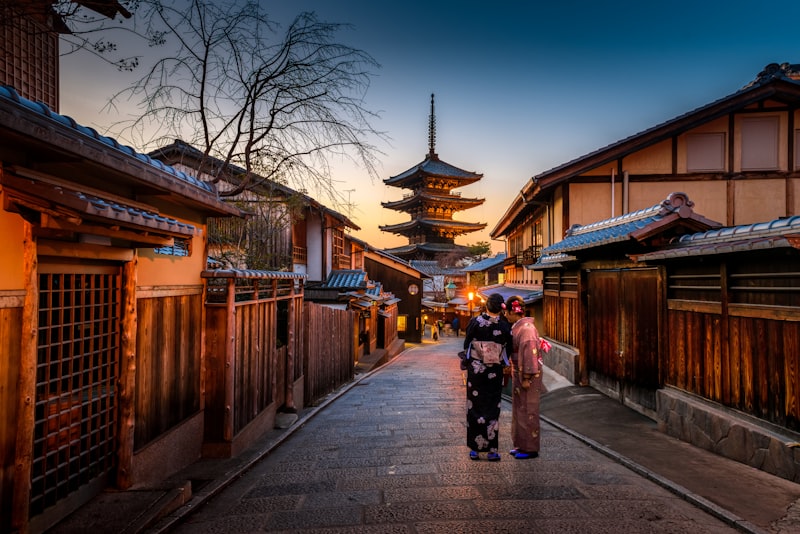
Kagurazaka is one of Tokyo's most enchanting districts, a captivating blend of old-world Tokyo elegance and subtle French influences. Nestled between Iidabashi and Ushigome-Kagurazaka stations, it earned its "Paris of Tokyo" moniker due to a significant French expat community and numerous French businesses that took root here post-WWII. However, this casual descriptor often overshadows its profound Japanese heritage as a former vibrant geisha district (Hanamachi). What you'll find here is a main thoroughfare, Kagurazaka-dori, bustling with chic boutiques and eateries, but the true magic lies in the narrow, stone-paved alleys ( yokocho ) branching off, revealing traditional ryotei (high-end Japanese restaurants), hidden bars, and glimpses of a bygone era. It's a place where you might stumble upon a kimono-clad geisha on her way to an engagement, moments after passing a Parisian-style patisserie.

Getting There: Your Gateway to Kagurazaka

Kagurazaka is supremely accessible, making it an ideal half-day or evening excursion.

  • Iidabashi Station (飯田橋駅): This is your most versatile entry point. It's served by the JR Chuo Line, Tokyo Metro Tozai Line, Yurakucho Line, and Namboku Line, and the Toei Oedo Line. Take Exit B3 for direct access to the bottom of Kagurazaka-dori. From Tokyo Station, take the JR Chuo Line (Orange) directly to Iidabashi (approx. 7 minutes, ¥170 / ~$1.15 USD).
  • Ushigome-Kagurazaka Station (牛込神楽坂駅): Served by the Toei Oedo Line. This station is closer to the upper, quieter end of Kagurazaka-dori and its more traditional alleys. Use Exit A1 for a more immediate immersion into the district's atmosphere.

Navigating the Labyrinth: Kagurazaka's Best-Kept Alleys

The real essence of Kagurazaka isn't found on its main street but within its intricate network of alleyways. These aren't just shortcuts; they are destinations themselves, each with its own character and hidden treasures. Resist the urge to stick to the main road; the best discoveries demand a detour.

Beyond Kagurazaka-dori: The Yokocho Experience

  • Hyogo Yokocho (兵庫横丁): This iconic, stone-paved alley is perhaps Kagurazaka's most famous, yet surprisingly quiet. Lined with traditional ryotei and high-end restaurants, its dim lanterns evoke an old Edo atmosphere. You won't find bustling shops here, but rather a sense of hushed elegance. Many establishments here are members-only or require reservations well in advance. Local Tip: Visit late afternoon (4-6 PM) when the light is soft, or after dark to truly appreciate the lanterns.
  • Kakurenbo Yokocho (かくれんぼ横丁 - "Hide-and-Seek Alley"): Parallel to Hyogo Yokocho, this narrow, winding path is even more discreet. It’s named "Hide-and-Seek" because its twists and turns can easily disorient. Here you'll find exquisite sushi counters and small, intimate bars. Look for the entrances from Kagurazaka-dori, often subtle wooden doors or small signs.
  • Geisha Banquets & Okiya Area: While not a single "alley," the area behind Zenkoku-ji Temple, specifically around Kagurazaka-dori, 3-chome and 4-chome, still houses several traditional okiya (geisha houses) and ryotei where geisha entertain. Don't expect to walk into a geisha performance; these are private, invitation-only affairs. Your best bet for a glimpse is early evening, especially around 6 PM, near the intersection of Kagurazaka-dori and the entrances to Kakurenbo Yokocho, where geisha might be commuting to engagements.

Dining in Kagurazaka: French Flair, Japanese Soul (and Serious Budgeting)

Kagurazaka offers a diverse culinary landscape, from Michelin-starred Japanese kaiseki to authentic French bistros. Be prepared for prices that reflect the quality and exclusivity, especially in the hidden alleys.

Authentic Japanese Dining: From Michelin Stars to Humble Izakayas

Kagurazaka boasts an incredible concentration of high-quality Japanese restaurants. For an unforgettable experience, consider:

  • Kagurazaka Ishikawa (神楽坂 石かわ): A three-Michelin-starred kaiseki restaurant. Expect an exquisite, seasonal tasting menu focused on natural flavors and presentation. Reservations are essential, often months in advance. Dinner: ¥30,000 - ¥45,000 / ~$200 - $300 USD per person. (Located at Kagurazaka 5-37, Ushigome-Kagurazaka side, 1F).
  • Kohaku (虎白): Another three-Michelin-starred gem by the same chef as Ishikawa, offering a modern take on Japanese cuisine. Similar price range and reservation difficulty. (Located just across the street from Ishikawa).
  • For something more approachable:
    • Kagurazaka Saryo (神楽坂 茶寮): While slightly touristy, it offers a pleasant atmosphere for traditional Japanese sweets and green tea. A matcha parfait costs around ¥1,200 / ~$8 USD. (Many locations, one prominent on Kagurazaka-dori, 1F).
    • Tempura Hasegawa (天ぷら 長谷川): A local favorite for excellent tempura. Lunch sets start from ¥2,500 / ~$17 USD, dinner from ¥8,000 / ~$54 USD. (Located on Kagurazaka-dori, 2F, near Iidabashi exit).

French Delights: Bakeries & Bistros Worth the Splurge

The French influence is undeniable, especially in the variety of bakeries and bistros.

  • Le Bretagne Kagurazaka (ル ブルターニュ 神楽坂): One of Tokyo's most authentic creperies, offering both savory galettes and sweet crepes. A galette complète (ham, cheese, egg) costs around ¥1,500 / ~$10 USD. Good for a casual lunch. (Located on Kagurazaka-dori, 1F).
  • Boulangerie Paul Kagurazaka (ポール 神楽坂店): A French bakery chain, but their Kagurazaka location has a nice cafe seating area. Expect artisanal breads and pastries. A croissant is about ¥280 / ~$1.90 USD, a sandwich around ¥800 / ~$5.40 USD. (Located at Kagurazaka 2-11-2, near Iidabashi Station).

Kagurazaka's Coffee Culture: A Quiet Respite

Beyond the chains, Kagurazaka offers charming independent cafes perfect for people-watching or a quiet break.

  • Mugimaru 2 (麦丸2): A tiny, quirky cafe specializing in wagashi (Japanese sweets) and hand-drip coffee, tucked away in an alley. Coffee starts at ¥600 / ~$4 USD, sweets around ¥400 / ~$2.70 USD. (Look for the small sign near Hyogo Yokocho).
  • The Royal Garden Cafe (ザ ロイヤルガーデンカフェ 飯田橋): While a chain, its location near Iidabashi Station with outdoor seating offers a rare opportunity for cafe culture in Tokyo. Coffee ¥600 / ~$4 USD, lunch sets from ¥1,500 / ~$10 USD.

Shopping & Culture: Beyond Souvenirs
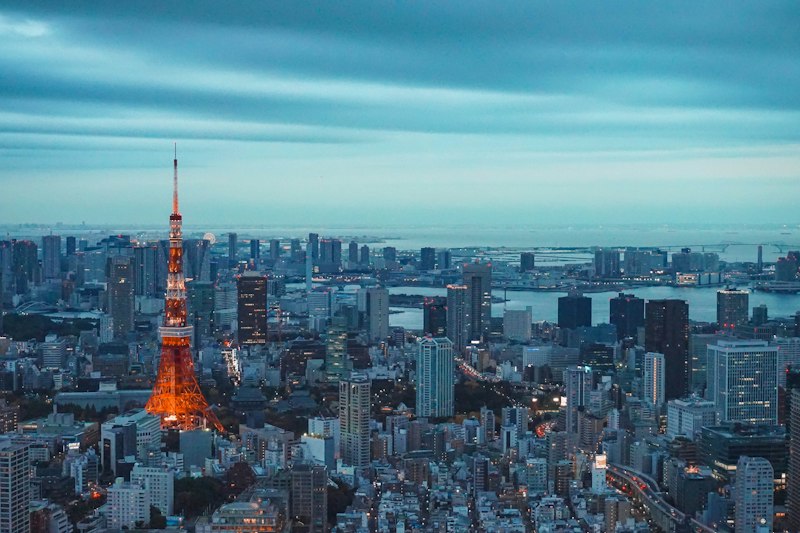
Kagurazaka's shopping leans towards artisanal goods, traditional crafts, and unique boutiques rather than mass-produced souvenirs.

Artisanal Crafts & Traditional Wares

  • La Kagu (ラカグ): A renovated former book warehouse turned multi-purpose complex. It houses a cafe, bookstore, and boutiques featuring Japanese and international designer goods. A great spot for unique clothing, homewares, and accessories. (Located at Yaraicho 123).
  • Traditional Craft Shops: Stroll along the alleys to discover small shops selling exquisite pottery, lacquerware, and hand-dyed fabrics. Prices vary wildly depending on the artisan and craft. Expect small items to start from ¥2,000 / ~$13.50 USD.

Temples & Shrines: Serenity Amidst the Bustle

  • Akagi Shrine (赤城神社): This shrine underwent a striking modern renovation by architect Kengo Kuma, combining traditional elements with contemporary design. It also houses a cafe and an Italian restaurant. It's a testament to Kagurazaka's blend of old and new. Free entry.
  • Zenkoku-ji Temple (善國寺): A vibrant Buddhist temple known for its red gates and statue of Bishamonten, one of the Seven Lucky Gods. You'll often see locals paying their respects here. Free entry.

Kagurazaka After Dark: A Discreet Night Out

As dusk falls, Kagurazaka transforms into an even more alluring district. The alleys glow with soft lanterns, and the air fills with the faint murmur of conversation from hidden establishments.

Sakagura & Hidden Bars

  • Kagurazaka Sakagura (神楽坂 坂蔵): A popular izakaya offering a wide selection of sake and delicious small plates. Expect to pay around ¥4,000-¥6,000 / ~$27-$40 USD per person for dinner and drinks. (Located near Ushigome-Kagurazaka station, 2F).
  • Bar Salon de Shimada (サロン ド シマダ): A refined, small bar tucked away in an alley off Kagurazaka-dori, known for its extensive whiskey and cocktail menu. Cocktails start from ¥1,500 / ~$10 USD. (Look for it near Hyogo Yokocho's entrance).

Experiencing Geisha (The Realistic Version)

This is where tourist brochures often mislead. Seeing geisha openly performing in Kagurazaka is extremely rare. They primarily entertain at private ryotei for clients who have deep connections and even deeper pockets.

  • A Glimpse: Your best chance of seeing a geisha is by pure chance in the early evening (around 5-7 PM) as they commute to their engagements in the more traditional alleys. Be respectful; do not approach or photograph without permission.
  • Cultural Experience: For a structured experience, some high-end ryotei (like those in Hyogo Yokocho) or specialized tour operators offer private geisha performances, often including a kaiseki dinner. Expect prices to start from ¥50,000 / ~$335 USD per person and go significantly higher, requiring booking months in advance. This is not a casual walk-in experience.
Kagurazaka Dining & Experience Comparison (2026 Prices)

Experience Type Typical Price Range (per person) Ambiance/Vibe Key Features Who It's For
High-End Kaiseki ¥25,000 - ¥50,000 (~$170-$340) Formal, serene, exclusive Multi-course seasonal meal, exquisite presentation, often private rooms Foodies, special occasions, luxury travelers
French Bistro ¥4,000 - ¥10,000 (~$27-$67) Casual chic, lively Authentic French dishes, good wine selection, often outdoor seating Couples, friends, those craving European flavors
Local Izakaya ¥3,000 - ¥6,000 (~$20-$40) Relaxed, bustling, smoky (sometimes) Small plates, sake/beer, local crowd, often communal seating Budget-conscious, socializers, authentic experience
Cafe/Bakery ¥800 - ¥2,000 (~$5-$13.50) Cozy, relaxed, often Parisian-style Coffee, pastries, light lunch, people-watching Solo travelers, quick breaks, breakfast/lunch

Kagurazaka Alley Exploration Comparison

Alley Name Key Feature Ambiance Best Time to Visit What You'll Find Tourist Accessibility
Hyogo Yokocho Iconic stone paving, discreet ryotei Elegant, quiet, historic Late afternoon, evening High-end Japanese restaurants, old-world charm, geisha sightings (rare) Moderate (easy to find, but places are private)
Kakurenbo Yokocho Winding, "hide-and-seek" layout Intimate, mysterious, very quiet Evening Small sushi bars, exclusive eateries, private residences Low (can be tricky to navigate)
Geisha District Area Concentrated okiya and ryotei Hushed, traditional, somewhat residential Early evening (5-7 PM) Glimpses of geisha commuting, traditional architecture, exclusive establishments Moderate (easy to walk, hard to participate)
Kagurazaka-dori (Main) Bustling, French cafes, boutiques Lively, modern with traditional touches Daytime Bakeries, cafes, fashion boutiques, larger restaurants, temples High (main thoroughfare)

Frequently Asked Questions

Q: How much does a typical meal cost in Kagurazaka in 2026?

A: The cost of a meal in Kagurazaka varies significantly depending on the establishment and time of day, reflecting its diverse culinary scene. For a casual lunch at a French bakery or a noodle shop, you can expect to pay around ¥1,200 to ¥2,500 / ~$8 to $17 USD per person. This might get you a sandwich, a pastry, and a coffee, or a hearty bowl of ramen. A sit-down lunch at a mid-range Japanese restaurant or a casual bistro will likely be in the ¥2,500 to ¥5,000 / ~$17 to $34 USD range. Dinner, especially at Kagurazaka's renowned establishments, can quickly become a significant investment. A decent izakaya dinner with drinks typically ranges from ¥4,000 to ¥7,000 / ~$27 to $47 USD per person. French bistros for dinner usually start around ¥6,000 / ~$40 USD and go up. For Michelin-starred kaiseki or sushi experiences, be prepared for prices upwards of ¥20,000 to ¥50,000 / ~$135 to $340 USD per person, often without drinks. Always check menus displayed outside or online for current 2026 pricing.

Q: Is Kagurazaka a good place for solo travelers in 2026?

A: Kagurazaka is an excellent destination for solo travelers in 2026, offering a perfect balance of exploration, culture, and solitude. Its charming alleys are safe and enjoyable to wander alone, providing ample opportunities for quiet reflection or people-watching. Many cafes, like Mugimaru 2 or Paul Kagurazaka, are very solo-friendly, ideal for a peaceful break. For dining, you'll find numerous smaller izakayas and even some French bistros with counter seating, which are perfect for a solo meal without feeling out of place. The district's cultural sites, such as Akagi Shrine or Zenkoku-ji Temple, offer serene experiences. The discreet nature of Kagurazaka means it’s not overtly bustling like Shibuya, allowing a solo traveler to set their own pace and truly soak in the atmosphere without feeling overwhelmed. Furthermore, its excellent public transport links (Iidabashi Station) make it easy to reach and depart safely, even after dark.

Q: What's the best time of day/year to visit Kagurazaka for an authentic experience?

A: For the most authentic and atmospheric experience, late afternoon transitioning into early evening (around 4 PM to 7 PM) is ideal. During this time, the soft light enhances the traditional charm of the stone-paved alleys, lanterns begin to glow, and there's a higher chance of catching a fleeting glimpse of geisha heading to their engagements. Restaurants and bars also begin to open for dinner, creating a gentle buzz. Daytime is good for exploring shops and cafes, but the alleys truly come alive as dusk settles. As for the best time of year, spring (late March to April) offers pleasant weather and cherry blossoms around Akagi Shrine, while autumn (October to November) provides comfortable temperatures and beautiful foliage. Avoid the peak summer months (July-August) if possible, as Tokyo's humidity can make extensive walking less enjoyable, though Kagurazaka's charm persists year-round. Weekdays are generally less crowded than weekends.

Q: How can I experience the "geisha district" without being exploitative or touristy?

A: Experiencing Kagurazaka's geisha district respectfully means understanding its private nature. The okiya (geisha houses) and ryotei where geisha entertain are not public attractions. The most authentic, non-exploitative way to experience this culture is through organized, high-end cultural tours or dinner experiences with established, reputable local companies that have genuine connections with the Kagurazaka geisha community. These typically involve a traditional multi-course kaiseki meal at a ryotei with a geisha performance, costing upwards of ¥50,000 (~$335 USD) per person, and must be booked well in advance. Alternatively, simply strolling the traditional alleys like Hyogo Yokocho and Kakurenbo Yokocho in the early evening (around 5-7 PM) offers a chance for a respectful, fleeting glimpse of a geisha on her way to work. Remember to maintain distance, avoid flash photography, and do not interrupt or approach them. This allows you to appreciate the historical context without intruding.

Q: What's commonly misunderstood about Kagurazaka by first-time visitors?

A: A common misunderstanding about Kagurazaka is that its "Paris of Tokyo" moniker implies it's overtly French or that French culture is its dominant feature. While there is a significant French presence, first-time visitors often expect a district overtly resembling a Parisian neighborhood, perhaps with bustling outdoor cafes on every corner and readily available, cheap French food. In reality, the French influence is more subtle and integrated, found in specific cafes, bakeries, and high-end bistros. The district's core identity remains deeply Japanese, rooted in its history as a refined geisha district, with traditional Japanese aesthetics, cuisine, and customs dominating the more authentic experiences in its hidden alleys. Another misconception is the ease of encountering geisha; tourists often expect them to be visible and accessible, whereas actual geisha interactions are private, expensive, and require special arrangements, or are limited to brief, chance encounters. Don't expect to just walk into a geisha performance or readily find a cheap crepe stand everywhere.

Q: Are there any specific scams or tourist traps to watch out for in Kagurazaka?

A: Compared to more overtly touristy areas in Tokyo, Kagurazaka is relatively free of aggressive scams. However, there are a few things to be aware of:

  1. Overpriced "Geisha Experiences": Be wary of impromptu street offers for "geisha tours" or "shows" that seem too cheap or too easy to book on the spot. Genuine geisha experiences are private, expensive, and pre-arranged. Any offer that seems too good to be true is likely a tourist trap, potentially involving performers who are not actual geisha.
  2. "Cover Charges" (Otoshi/Chargé): Many smaller, traditional Japanese bars (especially those in the alleys) and izakayas, particularly after dark, will automatically charge an otoshi or cover charge, usually ¥300-¥800 / ~$2-$5.50 USD per person. This typically includes a small appetizer. It's standard practice, not a scam, but can surprise unsuspecting tourists who haven't encountered it before. Always check if there's an explicit sign or ask politely before ordering if you're concerned.
  3. Language Barriers leading to unexpected costs: While many establishments cater to French expats and have English menus, some very traditional ryotei or tiny, local-only bars might not. A lack of understanding could lead to ordering unintended expensive items, especially rare sake or dishes. When in doubt, clarify prices or stick to places with clear menus.

Bottom Line

Kagurazaka is not for the traveler content with surface-level Tokyo. It’s a rewarding maze for those who've done their homework, understand its dual identity, and are willing to pay for quality. While its "Paris of Tokyo" tag holds some truth in its charming cafes and patisseries, its true soul lies in the hidden, stone-paved alleys, where hushed ryotei and the elusive art of the geisha endure. Don't come here expecting a cheap night out or readily accessible geisha interactions; this district is about refined taste, quiet discovery, and a deeper appreciation for Tokyo's layered history. This guide won't guarantee you a geisha encounter, but it will equip you to navigate Kagurazaka like a seasoned local, unearthing its genuine treasures and respecting its traditions. For accommodation nearby, consider these options: Search hotels on Booking.com or, for Japan residents/expats, Book on Rakuten Travel Japan.


📝 この記事について

監修・運営: Futuristic Imagination LLC
専門分野: 日本旅行・インバウンド
AI技術と専門家の知見を組み合わせ、信頼性の高い情報をお届けします。


関連記事


🗾 Find your Japan hotel

🏨

Book Your Japan Hotel Now!

Cherry blossom & autumn seasons sell out fast. Best price guaranteed.

Search Hotels →

🛍️ Exclusive Japan Shopping Coupons

Show these digital coupons on your phone at checkout to save up to 17%!

🐧

🐧 Don Quijote Tax-Free Coupon

10% Tax-Free + Extra 5% OFF (For purchases over 10,000 JPY)

Get Donki Coupon →
📷

📷 Bic Camera Privilege Coupon

10% Tax-Free + Extra 7% OFF on electronics, cameras, and watches

Get Bic Camera Coupon (Free) →

📚 Recommended Guides

Hidden Tokyo

Togoshi Ginza Guide | Tokyo's Longest Shopping Street Nobody Talks About

Hidden Tokyo

Kamakura Overtourism Survival Guide 2026: Crowd-Free Alternatives (Enoshima & Chigasaki)

Hidden Tokyo

Sangenjaya Neighborhood Guide | Where Tokyo Locals Actually Drink & Eat

Disclosure: This article contains affiliate links. We may earn a commission at no extra cost to you.