[Disclosure] This article contains affiliate links. We may earn a commission at no extra cost to you.
You’ve conquered Shibuya Crossing, marvelled at the neon glow of Shinjuku, and perhaps even found a quiet temple in Asakusa. But if you’re an English-speaking traveler who’s scratched the surface of Tokyo and now craves the city's actual pulse – the places where locals unwind after a long day – then Sangenjaya is your next essential stop. This guide isn't about tourist traps or watered-down experiences; it's your specific, 2026-verified roadmap to Sangenjaya, a vibrant, unpretentious district in Setagaya Ward where Tokyoites truly eat, drink, and live. You'll learn exactly where to find the best tachinomi (standing bars), a truly authentic yakitori, and cozy cafes, complete with real prices and precise directions.
What You'll Get From This Guide
- Specific, 2026 pricing for food and drinks in Sangenjaya's local establishments.
- Exact directions to hidden izakayas and bars, including train stations and walking times.
- Insider tips on navigating Sangenjaya's famous Sankakugai (Triangle Alley) and avoiding common tourist mistakes.
- Recommendations for authentic local eateries and drinking spots where English menus are rare but a warm welcome isn't.
- A realistic comparison of Sangenjaya's nightlife scene against more touristy areas like Shibuya.
- Affiliate links to help you book your trip seamlessly, should you decide to extend your stay in Japan.
Navigating Sangenjaya: Your Gateway to Local Tokyo
Sangenjaya is effortlessly cool, situated just two stops from Shibuya on the Tokyu Den-en-toshi Line. It’s accessible, yet feels a world away from the chaotic neon of its neighbor. The main hub is Sangenjaya Station (三軒茶屋駅). Exiting the station, you'll immediately sense the difference – fewer tourists, more locals going about their daily lives. The magic primarily unfolds around the north and west sides of the station, particularly in the intricate network of narrow alleys known as Sankakugai.
Getting There from Major Hubs
- From Shibuya: Take the Tokyu Den-en-toshi Line to Sangenjaya Station. It's just two stops, about 4 minutes, costing ¥150 / ~$1 USD.
- From Shinjuku: Take the JR Yamanote Line to Shibuya, then transfer to the Tokyu Den-en-toshi Line. Total travel time is around 20-25 minutes, costing approximately ¥320 / ~$2 USD.
- From Tokyo Station: Take the JR Chuo Line (Rapid) to Shinjuku, then follow the Shinjuku instructions. Total travel time around 30-35 minutes, costing approximately ¥470 / ~$3 USD.
Local Tip: Don't bother with taxis unless it's very late and you've missed the last train. Sangenjaya is incredibly well-connected by train, and walking is part of the experience. The last train from Sangenjaya towards Shibuya usually departs around 12:45 AM on weekdays (check real-time schedules, as this can shift).
Sangenjaya's Drinking Scene: Izakaya Alleys & Craft Cocktails
This is where Sangenjaya truly shines. The narrow, atmospheric alleys of Sankakugai are packed with tiny izakayas, standing bars (tachinomi), and hidden eateries, many of which have been operating for decades. Forget the sprawling, generic chains – here, it’s all about intimate spaces and genuine interaction.
The Heart of Sankakugai: Tachinomi & Yakitori Gems
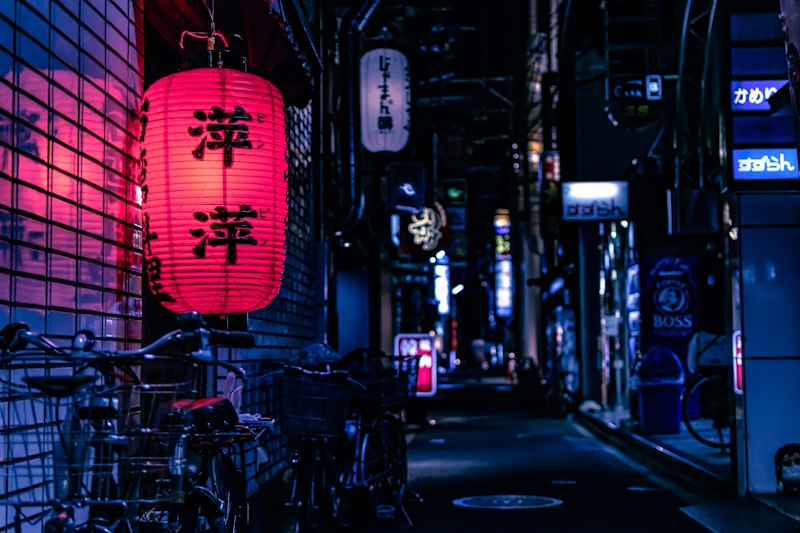
Wandering through Sankakugai is an adventure in itself. Look for Suzuki-san (鈴木さん), a legendary tachinomi standing bar located roughly 3 minutes walk from Sangenjaya Station's North Exit A, tucked away in the western section of Sankakugai. It's recognizable by its red lantern and the crowd spilling out onto the alley. Expect to pay ¥400-600 / ~$2.60-4 USD for a draft beer (Kirin or Asahi) and small plates (otsumami) starting from ¥300 / ~$2 USD.
For unparalleled yakitori, seek out Benten (弁天). Located at 2-15-5 Sangenjaya, Setagaya-ku, about a 5-minute walk from the station, it’s a small, bustling spot often full of regulars. Their tsukune (chicken meatballs) are a must-try at ¥280 / ~$1.80 USD per skewer. A typical meal with 4-5 skewers, a couple of beers, and a side dish will set you back around ¥3,000-4,000 / ~$19-26 USD per person in 2026. Be ready for a smoky environment and possibly a wait.
From Dive Bars to Refined Sips
Sangenjaya isn't just about gritty izakayas. For something a bit more refined, head to Bar B & F. It's on the second floor of a building slightly away from the main Sankakugai bustle, at 2-13-10 Sangenjaya, Setagaya-ku, about 6 minutes walk from the station. They specialize in whiskies and crafted cocktails. Expect cocktails to be in the ¥1,200-1,800 / ~$8-12 USD range. It’s a great spot to wind down after the lively energy of the alleys.
Sangenjaya vs. Shibuya Nightlife: A 2026 Comparison
| Feature | Sangenjaya Nightlife (2026) | Shibuya Nightlife (2026) |
|---|---|---|
| Vibe | Authentic local, relaxed, slightly gritty, community-focused, intimate | High energy, tourist-heavy, commercial, diverse, often overwhelming |
| Cost | Moderate. Average drink: ¥500-800 / ~$3-5 USD. Meal & drinks: ¥3,500-5,000 / ~$23-32 USD. | High. Average drink: ¥800-1,500 / ~$5-10 USD. Meal & drinks: ¥5,000-8,000+ / ~$32-52+ USD. |
| Crowds | Primarily locals, relaxed pace, can be packed but feels cozy. | Mostly tourists, young people, very crowded, fast-paced. |
| English | Limited English menus or speaking ability, but welcoming attitude. Google Translate is your friend. | Many English menus, staff with varying English proficiency, often catered to tourists. |
| Best For | Immersive local experience, casual drinks, unique hidden spots, foodies seeking authenticity. | People-watching, clubs, shopping, international atmosphere, first-time visitors. |
Sangenjaya's Eating Scene: Hidden Gems & Local Comfort Food
Beyond drinking, Sangenjaya offers a fantastic array of local eateries that rarely see tourists. From humble ramen shops to upscale yet unpretentious dining, there's something for every palate.
Ramen & Tsukemen You Won't Find in Guidebooks
Forget Ichiran (unless you’re desperate for a consistent, but generic, bowl). Head to Miyafuku (宮福) for a truly local ramen experience. It’s a small, counter-style shop located at 2-17-10 Sangenjaya, about a 7-minute walk from the station, known for its rich, shoyu-based broth. A standard ramen bowl costs around ¥950 / ~$6 USD. Be prepared to order from a ticket machine (with basic pictures).
For outstanding tsukemen (dipping ramen), Menya Musashi Kamiyama (麺屋武蔵 神山), part of the famous Musashi group, has a branch in Sangenjaya at 1-35-13 Sangenjaya. It's slightly more polished but still frequented by locals. Expect to pay ¥1,000-1,300 / ~$6.50-8.50 USD for a large portion. It’s located about 5 minutes walk from the station, near the Carrot Tower.
Coffee Culture & Sweet Indulgences
Sangenjaya has a thriving independent coffee scene. Obscura Coffee Roasters (オブスキュラ コーヒー ロースターズ), at 1-9-8 Sangenjaya, is a must-visit for serious coffee lovers. Just a 3-minute walk from the station, they roast their beans on-site and offer expertly brewed pour-overs starting at ¥500 / ~$3.20 USD. It's a serene escape from the bustle.
For a sweet treat, try the taiyaki (fish-shaped cake) from a small stall called Kanda Daruma (神田達磨) at 2-13-16 Sangenjaya. A freshly made taiyaki, often filled with red bean paste, costs around ¥200 / ~$1.30 USD. It’s a perfect grab-and-go snack while exploring.
Typical Sangenjaya Izakaya Bill (2026 Estimate per person)
This table reflects a typical budget for a good night out for one person at a mid-range izakaya in Sangenjaya. Prices are based on 2026 estimates.
| Item | Quantity | Price (¥) | Price (~$ USD) | Notes |
|---|---|---|---|---|
| Draft Beer (Nama) | 2 | ¥1,200 | ~$7.70 | Average ¥600 each |
| Sake (Kikizake Set) | 1 | ¥800 | ~$5.15 | Small tasting set of 3 different sakes |
| Yakitori Skewers | 4 | ¥1,120 | ~$7.20 | Average ¥280 each (chicken, pork, vegetables) |
| Edamame | 1 | ¥400 | ~$2.60 | Standard appetizer |
| Karaage (Fried Chk) | 1 | ¥700 | ~$4.50 | Popular fried chicken dish |
| Otoshi (Table Chg) | 1 | ¥300 | ~$1.95 | Mandatory cover charge, often includes a small appetizer |
| Total | ¥4,520 | ~$29.10 | Excludes 10% consumption tax (not tipped) |
(Note: USD equivalents are based on an estimated 2026 exchange rate of ¥155 = $1 USD for quick reference.)
Things Tourists Get Wrong About Sangenjaya & A Local's Perspective
Common Misconception 1: "Sangenjaya is just like a quieter Shibuya." Honest Truth: Sangenjaya has a completely different energy. While Shibuya is about flashy commercialism, youth culture, and high-octane entertainment, Sangenjaya is about everyday life, community, and understated cool. It's where salarymen unwind, artists gather, and families live. Don't come expecting large chain stores or sprawling entertainment complexes; embrace the independent spirit.
Common Misconception 2: "All the best places will have English menus." Honest Truth: Many of the best, most authentic spots in Sangenjaya, especially the tiny izakayas in Sankakugai, will have only Japanese menus, or perhaps a whiteboard with daily specials. This is part of its charm. Local Tip: Don't be intimidated! Pointing at items, using Google Translate's camera function, or simply saying "Omakase kudasai" (Chef's choice, please) for food or "Nama-biru" (Draft beer) is often enough. The staff are usually very friendly and appreciate the effort. Embracing this lack of overt tourist-friendliness is key to the authentic experience.
Overrated: While popular with younger crowds, the bigger chain izakayas just outside Sankakugai, like those found near the station''s main exits, are often overrated. They're convenient and might have English menus, but they lack the unique character and warmth of the smaller, family-run establishments tucked deeper into the alleys. For a truly local experience, bypass the shiny facades and venture into the labyrinth.