[Disclosure] This article contains affiliate links. We may earn a commission at no extra cost to you.

You’ve navigated Shinjuku, marveled at Shibuya Crossing, and perhaps even strolled through Asakusa. Now, you’re craving something more. Something that delves deeper than the curated tourist experience, offering a slice of authentic Tokyo that most visitors completely bypass. This guide takes you to Sengakuji Temple, the solemn resting place of the legendary 47 Ronin, and beyond, into the surprisingly rich and often-overlooked local neighborhoods of Shinagawa. You’ll learn exactly why Shinagawa is far more than just a bullet train stop, uncovering historical streets, waterfront art districts, and genuine eateries that major guidebooks gloss over. Prepare for specific, honest insights, real 2026 prices, and local tips that cut through the typical travel brochure fluff.
What You'll Get From This Guide
- Unbiased 2026 Price Breakdown: Exact costs for meals, snacks, and activities in both Sengakuji and Shinagawa.
- The Real Sengakuji Experience: What's truly worth your time at the temple of the 47 Ronin, and what's a common tourist misconception.
- Shinagawa's Hidden History: A deep dive into the Kita-Shinagawa Old Tokaido Road and its preserved Edo-era charm.
- Local Food & Drink Spots: Specific recommendations for authentic ramen, izakaya, and cafes beyond the station concourse.
- Honest Verdicts: What's overrated, what's genuinely amazing, and who Shinagawa is (and isn't) for in 2026.
- Strategic Planning: How to navigate Shinagawa's diverse districts efficiently, complete with walking times and specific train lines.
Sengakuji Temple: The Unfiltered Truth of the 47 Ronin
Sengakuji (泉岳寺) is not merely a temple; it is a monument to one of Japan's most revered tales of loyalty and revenge: the 47 Ronin (or Akō Rōshi). While many guides highlight its historical significance, few convey the actual experience beyond the grave markers. This is where you connect with a profound aspect of Japanese cultural values, not just a historical footnote.
Getting There & What to Expect (2026)
Sengakuji Temple is most easily accessed via Sengakuji Station on the Toei Asakusa Line. Take Exit A2, and the temple is a mere 1-minute walk directly ahead. For those arriving from the JR Yamanote Line, Takanawa Gateway Station is about a 15-20 minute walk, offering a pleasant if slightly longer stroll through a modern, developing area.
Entrance to the temple grounds and the graves of the 47 Ronin and their lord, Asano Naganori, is free. However, if you want to delve deeper, the Akō Gishikō Kinenkan (Akō Gishi Memorial Hall), a small museum housing artifacts related to the Ronin, costs ¥500 / ~$3.30 USD (estimated 2026 price). There's also a small tea house nearby, Sengakuji Chaya, where you can get green tea and a traditional sweet for around ¥700 / ~$4.70 USD. Expect it to be quietest in the early morning (before 9 AM) or late afternoon (after 4 PM), which is our local tip for a more contemplative visit.
Overrated vs. Underrated at Sengakuji
What Tourists Commonly Get Wrong: Many visitors arrive, walk past the graves, maybe snap a few photos, and leave, missing the opportunity for deeper understanding. They often expect a grand, sprawling complex. The Truth: Sengakuji is compact and somber, not ornate. Its power lies in its quiet dignity and the story it embodies. The main area is the grave site, which can feel small if you don't engage with the narrative. What's Overrated: Rushing through. The significance lies in reflection. What's Underrated:
- The Akō Gishi Memorial Hall: For ¥500, you get crucial context. The exhibits, though mostly in Japanese, often have English translations or can be understood with a basic guide, bringing the story to life.
- The Small Surrounding Area: Just outside the temple gate, there are a few traditional souvenir shops selling unique chūshingura (47 Ronin story) themed items, not the generic tourist tat found in more popular areas. Look for Sengakuji Dōguya, a small shop offering wooden crafts and small figurines.
- Visiting in the Evening: While the museum closes, the grounds are often lit and offer a profoundly peaceful, almost spiritual experience with virtually no crowds. This contradicts the "visit during open hours" advice – for atmosphere, late afternoon/early evening is supreme.
Sengakuji Surroundings: Beyond the Gates
Don't just hit Sengakuji and head back to the train station. Take a few minutes to explore the immediate vicinity. You'll find Azumaya Cafe, a small, family-run coffee shop at 2-11 Sengakuji, serving excellent hand-drip coffee for ¥600 / ~$4 USD and homemade cheesecake for ¥450 / ~$3 USD. It's a perfect spot to pause and reflect after your temple visit.
Shinagawa's Hidden Depths: A Local's Take
Shinagawa Station is a bustling Shinkansen hub, famous for its business district and high-rise hotels. But step just a few minutes away, and you'll find entirely different worlds. Most tourists completely "skip" these areas, heading straight to more famous Tokyo spots.
North Shinagawa (Kita-Shinagawa) Old Tokaido Road: Step Back in Time
This is where Shinagawa reveals its true character. The stretch from Kita-Shinagawa Station (Keikyu Main Line, 2 stops from Shinagawa) southward is part of the historic Tokaido Road, Japan's primary artery during the Edo period. It was Shinagawa-shuku, the first post town out of Edo, and much of its charm remains.
Walk down the narrow streets (about a 10-15 minute walk from Shinagawa Station's Takanawa Exit if you prefer to walk) and you'll encounter a completely different vibe:
- Traditional Shops: Browse Matsuo Honten, a confectionery shop specializing in imagawayaki (sweet red bean paste cakes) for ¥180 / ~$1.20 USD per piece, or Shinagawa Chazuke-ya, a tiny, authentic restaurant serving ochazuke (rice with tea) sets for ¥1,200 / ~$8 USD.
- Local Izakaya: As evening approaches, small, cozy izakaya like Ichifuji (near Kita-Shinagawa Station) come alive, serving classic dishes and local sake. Expect a small beer for ¥650 / ~$4.30 USD and a plate of yakitori for ¥300 / ~$2 USD per skewer.
- Temples and Shrines: Don't miss Ebara Jinja, a beautiful shrine located right on the old Tokaido, known for its distinct red bridge.
Tennozu Isle: Art, Waterways, and Modern Calm
A short trip from Shinagawa Station on the Tokyo Monorail (or a 20-minute walk from the Konan Exit), Tennozu Isle is a redeveloped waterfront area that feels like a world apart from central Tokyo's concrete jungle. It's chic, modern, and surprisingly quiet, making it a favorite for local weekenders.
- T.Y. Harbor Brewery: A renowned craft beer brewery and restaurant (2-1-3 Higashi Shinagawa) set in a converted warehouse right on the canal. A pint of their original brew costs ¥1,000 / ~$6.70 USD, and main dishes average ¥2,800-4,000 / ~$18-27 USD. Reservations are highly recommended, especially for dinner.
- Bond Street: Stroll along the canals, admiring the public art installations and galleries like WHAT CAFE (2-1-11 Higashi Shinagawa), which features emerging artists. Entrance is usually free, with art available for purchase.
- B&C Hall: Check their schedule for events and pop-up markets.
Shinagawa Station Area: More Than Just a Transit Hub
While often seen as merely a transportation nexus, the immediate vicinity of Shinagawa Station (especially the Konan Exit) offers more than just Starbucks and convenience stores if you know where to look.
- ecute Shinagawa: Located inside the station, on the concourse level, this isn't just a place for quick bites. It features high-quality bento boxes, gourmet groceries, and unique souvenirs from various Tokyo brands. Grab a premium yakitori bento for ¥1,500 / ~$10 USD for your Shinkansen ride, or a fancy bread from Paul.
- Shinagawa Grand Central Tower: Head to the ground or basement floors of this office complex for surprisingly good, often less crowded, lunch options. Ramen Nagi, a well-regarded ramen chain, has a branch here offering its famous sardine-based broth ramen for around ¥1,100 / ~$7.30 USD (estimated 2026 price).
- Atre Shinagawa: Directly connected to the station, this shopping complex offers stylish boutiques and dining options. On the 4th floor, Grand Central Oyster Bar & Restaurant offers fresh seafood in an elegant setting, with oysters starting from ¥500 / ~$3.30 USD each.
Eating & Drinking Like a Local in Shinagawa
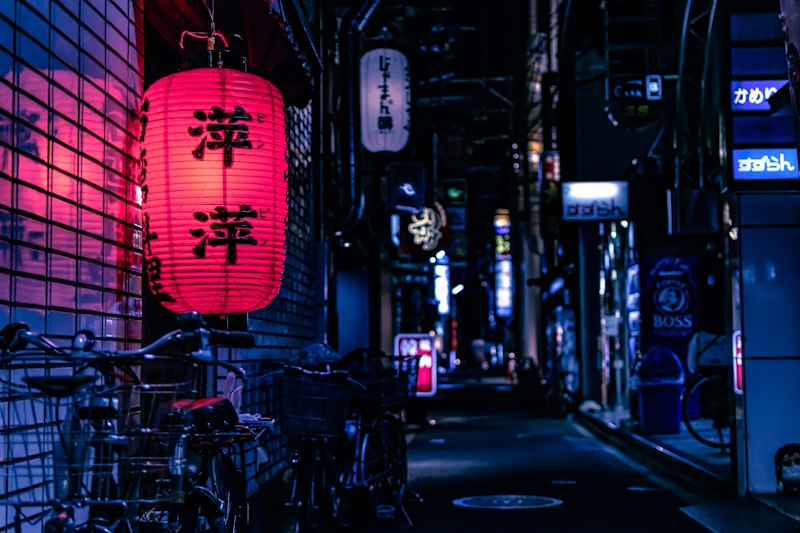
Beyond the chain restaurants inside the station, Shinagawa’s local neighborhoods boast some fantastic, authentic dining experiences.
Authentic Local Eats (2026 Prices)
- Ramen Kagari Shinagawa (篝 Shinagawa): Located in the Shinagawa Intercity building (2-15-2 Konan), this acclaimed ramen spot is known for its rich, creamy tori paitan (chicken broth) ramen. A standard bowl will cost you ¥1,200 / ~$8 USD. Expect a short wait, especially during lunch.
- Tennozu Shokudo (天王洲食堂): A charming, no-frills local eatery on Tennozu Isle (1-2-12 Higashi Shinagawa) offering traditional Japanese set meals (定食, teishoku) such as grilled fish or tonkatsu (pork cutlet). Lunch sets run ¥1,000-1,600 / ~$6.70-10.70 USD. It's frequented by local office workers and offers a true taste of everyday Japanese home cooking.
- Sakae Sushi (栄寿司): A small, unassuming sushi spot in Kita-Shinagawa (1-2-1 Shinagawa) that offers incredibly fresh nigiri and chirashi bowls at reasonable prices. A typical lunch set of 8-10 pieces of sushi might cost ¥2,500 / ~$16.70 USD, while a deluxe chirashi bowl is around ¥3,000 / ~$20 USD. This is a great alternative to the tourist-packed sushi places in Tsukiji/Toyosu.
Craft Beer & Izakaya Gems (2026 Prices)
- T.Y. Harbor Brewery: Already mentioned for its food, their on-site brewery also means a rotating tap list of excellent craft beers. It's a fantastic spot for an evening drink by the water. Prices for a pint are ¥1,000-1,200 / ~$6.70-8 USD.
- Shinagawa Yokocho (品川横丁): A collection of small, lively izakaya under the train tracks near the Konan Exit. While not a single shop, this yokocho offers a quintessential Japanese nightlife experience. Yakitori skewers average ¥250-400 / ~$1.70-2.70 USD, and a large sake will be around ¥700 / ~$4.70 USD. Expect a smoky, boisterous atmosphere, popular with local salarymen.
- Kameya (亀屋): Located deeper in Kita-Shinagawa (2-17-10 Kita-Shinagawa), this traditional izakaya has been a local favorite for decades. It's known for its seasonal dishes and extensive sake list. Expect to spend around ¥4,000-6,000 / ~$27-40 USD per person for a good meal and drinks.
Accommodation & Logistics for the Discerning Traveler (2026)
Shinagawa makes an excellent base for exploring Tokyo, especially for those who appreciate convenience without being constantly immersed in tourist crowds.
Strategic Stays in Shinagawa
Shinagawa offers a range of hotels, from luxury to business-oriented, all with excellent access to public transport.
- Luxury (¥40,000+ / ~$267+ USD per night): Look for The Prince Sakura Tower Tokyo, Autograph Collection or Grand Prince Hotel Takanawa. These offer serene Japanese gardens and spacious rooms.
- Mid-Range (¥15,000-35,000 / ~$100-233 USD per night): Shinagawa Prince Hotel (a massive complex with various towers and amenities) or Hotel Wing International Shinagawa offer solid options.
- Budget-Friendly (¥8,000-15,000 / ~$53-100 USD per night): Consider Keikyu EX Inn Shinagawa or capsule hotels like Nine Hours Shinagawa (around ¥5,000-7,000 / ~$33-47 USD).
For the best deals and options for overseas visitors, we recommend you Search hotels on Klook. If you are a Japan resident or expat, Book on Rakuten Travel Japan for exclusive local deals.
Navigating Shinagawa: Transit Tips
Shinagawa Station is a major hub.
- JR Lines: Yamanote Line (for Shibuya, Shinjuku, Ueno), Keihin-Tohoku Line, Yokosuka Line, Tokaido Line.
- Shinkansen: Crucial for trips to Kyoto, Osaka, etc.
- Keikyu Line: Direct access to Haneda Airport (15-20 mins) and also takes you to Yokohama or the historic Kita-Shinagawa.
- Tokyo Monorail: Connects to Tennozu Isle and Haneda Airport.
Consider a Suica or Pasmo IC card for seamless travel; available at any major station for ¥2,000 / ~$13.30 USD (including a ¥500 deposit).