[Disclosure] This article contains affiliate links. We may earn a commission at no extra cost to you.
Is it actually possible to spend a week in Japan on just ¥100,000 (roughly $667 USD) in 2026 without surviving purely on convenience store rice balls and sleeping in internet cafes? Yes, but only if you ignore 90% of mainstream tourist advice. The post-pandemic "cheap Japan" era has shifted; tourist hubs have introduced dual-pricing, the JR Pass price hike has made bullet trains a luxury, and standard hotels in Shinjuku now easily command ¥25,000 a night.
If you are an English-speaking solo traveler trying to stretch your budget, this guide is your reality check. We are stripping away the sugar-coated brochure itineraries to show you exactly how to navigate Tokyo, Kyoto, and Osaka on a strict ¥100,000 ground budget (excluding flights). You will learn why the JR Pass is financial suicide for budget travelers, which heavily marketed "food markets" are actually overpriced traps, and how to eat better than a tourist for half the price by following the Japanese working class.
What You'll Get From This Guide:
- A realistic, tested ¥100,000 budget breakdown reflecting mid-2026 inflation and pricing.
- The exact night bus strategy that replaces the overpriced Shinkansen.
- A day-by-day Tokyo and Kansai itinerary optimized for solo agility.
- Specific restaurant chains, exact prices, and floor-level directions to hidden cheap eats.
- The brutal truth about which "must-see" attractions you should skip to save your Yen.
The ¥100,000 Survival Budget (2026 Reality)
To pull this off, your daily budget needs to average ¥14,285. Because you are traveling solo, you have a massive advantage: you can utilize capsule hotels and single-seat ramen counters that groups cannot.
Here is exactly how your ¥100,000 ($667 USD) is allocated across 7 days and 6 nights. (Note: USD conversions are based on an average 2026 exchange rate of ¥150 to $1 USD).
| Budget Category | Total Allotment (¥) | Total Allotment (USD) | Strategy |
|---|---|---|---|
| Accommodation (4 nights) | ¥20,000 | ~$133 | Premium capsules/hostels (¥5,000/night) |
| Transport (Long Distance) | ¥14,000 | ~$93 | 2x Willer Express Night Buses (Tokyo ↔ Kansai) |
| Transport (Local IC Card) | ¥11,000 | ~$73 | Subway/Trains within cities (¥1,500/day) |
| Food & Drink (7 days) | ¥35,000 | ~$233 | ¥5,000/day (Local chains, lunch specials, supermarkets) |
| Attractions / Splurges | ¥15,000 | ~$100 | Selected paid entries + 1 nice izakaya night |
| Buffer / Laundry / Misc | ¥5,000 | ~$33 | Coin laundry, emergency vending machine drinks |
| TOTAL | ¥100,000 | ~$667 | Zero debt, full experience |
Notice we only pay for 4 nights of accommodation. The other 2 nights are spent sleeping on highway buses—saving both time and hotel costs.
Day 1-2: Tokyo (Neon, Noodles, and Night Buses)
Day 1: Arrival & The Shinjuku Primer
Land at Narita Airport (NRT). Skip the expensive Narita Express (¥3,070). Instead, take the Keisei Narita Skyaccess line directly to Nippori Station (¥1,270 / ~$8.50 USD, 65 minutes), then transfer to the Yamanote Line.
Check into your capsule hotel. For solo budget travelers, we recommend Nine Hours Shinjuku-North (Shin-Okubo) or Book And Bed Tokyo Shinjuku (approx ¥4,800 to ¥5,500 / ~$32-36 USD per night). Search best hotels in Japan on Booking.com for real-time 2026 capsule rates.
For dinner, avoid the English-menu tourist traps in Kabukicho. Walk to the West Exit of Shinjuku Station and find Matsuya or Yoshinoya. Order a Gyudon (beef bowl) with a raw egg and miso soup (¥750 / ~$5 USD). It is fast, filling, and genuinely local.
Day 2: Ueno's Hidden Seafood & Night Departure
Tourists get this wrong: First-timers flock to Tsukiji Outer Market for seafood, where vendors now charge a ridiculous ¥4,500 for a wagyu skewer or ¥5,000 for a mediocre seafood bowl aimed squarely at tourists with weak yen.
Local Tip: Take the Yamanote line to Okachimachi Station (South Exit). Walk 1 minute to the Yoshiike Building. The B1 floor is a massive, locals-only fishmonger (sengyoten). Buy a beautiful pack of fresh sashimi for ¥800 ($5.30 USD). If you want to sit down, take the elevator to the 8th floor to the Yoshiike Shokudo, where you can get a massive local seafood set meal for ¥1,600 ($10.60 USD) overlooking the Skytree.
At 10:30 PM, head to Busta Shinjuku (the expressway bus terminal on the 4th floor of Shinjuku Station's New South Gate). Board your pre-booked Willer Express Night Bus to Kyoto (approx ¥7,000 / ~$46 USD). You sleep on the bus, waking up in Kansai.
Day 3-4: Kansai (Kyoto Temples & Osaka Grime)
Day 3: Kyoto Before the Crowds
You arrive at Kyoto Station Hachijo Exit around 6:30 AM. Drop your main luggage in a medium-sized coin locker (¥600 / ~$4 USD).
Immediately take the JR Nara line to Inari Station (¥150). You are at Fushimi Inari Taisha by 7:15 AM. It is completely free, and by arriving this early, you bypass the shoulder-to-shoulder crowds that ruin the experience by 10:00 AM.
For lunch, grab an udon bowl at Nakau (¥450 / ~$3 USD). Check into Piece Hostel Sanjo in central Kyoto (around ¥5,200 / ~$34 USD per night). Spend the afternoon walking the Higashiyama district.
Overrated Alert: Do not pay ¥1,200 to enter small, crowded temple interiors unless you are a hardcore history buff. The exterior architecture and surrounding streets (like Sannenzaka) offer 90% of the vibe for free.
Day 4: The Osaka Keihan Escape
Take the Keihan Main Line from Sanjo Station in Kyoto to Yodoyabashi Station in Osaka. It takes 55 minutes and costs only ¥430 (~$2.80 USD)—drastically cheaper than the JR alternatives.
Check into a cheap business hotel in the Shinsekai or Dobutsuen-mae area, such as Hotel Toyo (private single rooms for incredibly cheap, around ¥3,500 / ~$23 USD). Note: This is Osaka’s gritty working-class district. It is perfectly safe, but visually rougher than Tokyo.
Eat dinner in Shinsekai. Go to a Kushikatsu (deep-fried skewers) joint like Yaekatsu in the Jan-Jan Yokocho alley. Skewers cost about ¥150-¥200 each. 10 skewers and a draft beer will run you about ¥2,500 (~$16.60 USD).
Transport Comparison: The Night Bus vs The Bullet Train
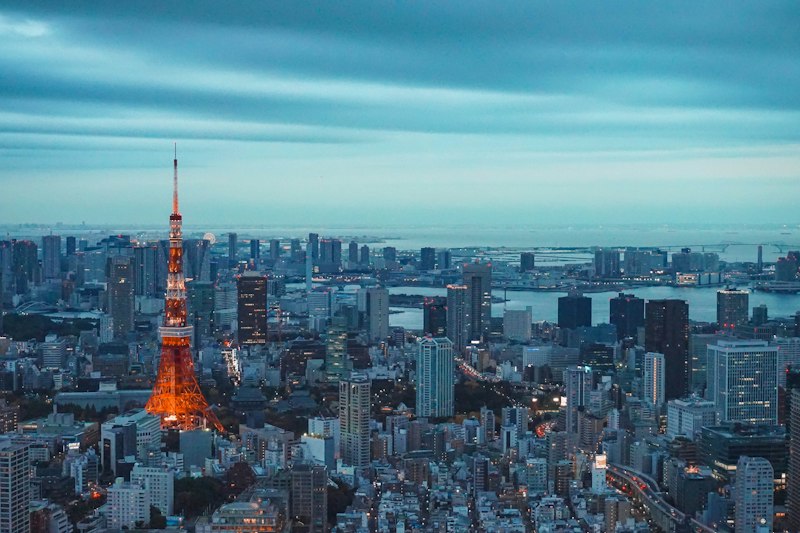
Why are we forcing you on a bus? Look at the hard numbers for a one-way trip from Tokyo to Kyoto in 2026:
| Transport Method | Cost (¥) | Cost (USD) | Travel Time | Extra Costs |
|---|---|---|---|---|
| Nozomi Shinkansen | ¥14,370 | ~$95 | 2h 15m | Must pay for that night's hotel (¥5,000) |
| 7-Day JR Pass | ¥50,000 | ~$333 | N/A | Useless unless making 4+ long trips |
| Willer Express Bus | ¥7,000 | ~$46 | 8h 00m | None. Covers your sleep for the night. |
Taking the night bus both ways saves you roughly ¥14,740 in transport fees and ¥10,000 in hotel fees. That ¥24,740 savings pays for five days of food.
Day 5-7: Deep Local Tokyo & Departure
Day 5: Osaka to Tokyo (The Return)
Spend your day exploring Dotonbori and Namba. Skip the ¥9,400 entry to Universal Studios Japan—it shatters a ¥100k budget. Instead, use your attraction budget to visit the Osaka Aquarium Kaiyukan (¥2,700 / ~$18 USD).
Board your night bus from Willer Bus Terminal Osaka Umeda back to Tokyo.
Day 6: Subculture Shopping in Nakano
Arrive in Tokyo. Check back into a Tokyo capsule. It is time to explore the otaku and vintage culture without the Akihabara tourist markup.
Take the Chuo Line to Nakano Station. Walk straight into Nakano Broadway. Head to the 3rd and 4th floors. This is the headquarters of Mandarake, where you can find used anime figures, vintage Godzilla toys, and rare manga for 30% less than Akihabara prices.
For dinner, ride the train one stop west to Koenji. Walk under the train tracks (the ga-do shita) to Daihachi-Tako-Kyu, a grungy, lively izakaya. Get a plate of yakitori and a highball for under ¥2,000 (~$13 USD).
Day 7: Shibuya Vertigo & Departure
Spend your final morning at the Shibuya Scramble Crossing. If you saved your attraction budget, skip the Tokyo Skytree (¥3,400) and instead book the outdoor observation deck at Shibuya Sky. It is strictly capacity-controlled, so Book Shibuya Sky on Klook weeks in advance (approx ¥2,500 / ~$16 USD).
Take the Keisei Line back to Narita, keeping you perfectly under your ¥100,000 threshold.
Frequently Asked Questions
Q: Is ¥100,000 really enough for 7 days in Japan in 2026?
Yes, but only if this budget strictly covers your "ground costs" (accommodation, domestic transport, food, and activities) and excludes your international flights. Thanks to the weak yen hovering around ¥145-¥150 to the USD, ¥100,000 holds massive purchasing power for foreigners. However, to stay under this limit, you absolutely cannot take the Shinkansen (bullet train) between Tokyo and Kyoto, you must sleep in capsule hotels or hostels averaging ¥5,000 a night, and your daily food budget must be capped at ¥5,000 by utilizing local chains like Matsuya, Saizeriya, and supermarket discount hours.
Q: Is the 7-Day JR Pass worth it for a budget solo trip?
Absolutely not. As of late 2023, the 7-Day National JR Pass saw a massive price hike to ¥50,000, and this pricing remains in 2026. If your entire budget for the week is ¥100,000, the pass instantly consumes half your money. A standard round-trip Shinkansen ticket from Tokyo to Kyoto costs around ¥28,000 if bought individually. Even if you took the bullet train, buying individual tickets is cheaper than the pass. For a true budget trip, using overnight highway buses (like Willer Express) for roughly ¥14,000 round-trip is the only financially viable option.
Q: Are capsule hotels safe for solo female travelers in 2026?
Yes, highly safe and strictly regulated. Modern capsule hotels in Japan are not the dingy salaryman havens of the 1990s. Chains like Nine Hours, The Millennials, and First Cabin feature state-of-the-art facilities. By law, capsule hotels must have completely segregated sleeping floors for men and women. You will use an elevator keycard that only grants access to the female-only floor. Lockers are provided for your luggage, and shower facilities are communal but private-stall based. For solo female travelers, they are statistically safer than cheap Airbnbs.
Q: How much does a standard meal cost in Japan right now?
If you avoid English-menu tourist traps, food is incredibly cheap. A budget solo traveler's daily ¥5,000 food breakdown looks like this: Breakfast at a convenience store (onigiri and coffee) is ¥450. Lunch at a local chain like Tenya (tempura bowl) or Fuji Soba (buckwheat noodles) is ¥700. Dinner at an Izakaya or a local ramen shop like Ichiran or a neighborhood joint will cost around ¥1,200 to ¥1,800. If you hit a supermarket like Life or Ito-Yokado after 8:00 PM, bento boxes are marked down by 20% to 50%, letting you score a massive dinner for under ¥500.
Q: Do I need cash, or is Japan fully cashless in 2026?
Japan has made massive strides toward cashless payments, but you still need physical Yen. You can survive 80% of your Tokyo and Osaka trip using an IC card (Suica/Pasmo) loaded onto your Apple Wallet, or by tapping a Visa/Mastercard at convenience stores and major retail chains. However, the exact places budget solo travelers need to go—ramen shops with push-button ticket machines, local coin laundries, small kushikatsu stalls in Osaka, and rural bus lines in Kyoto—still strictly require cash. Always keep at least ¥10,000 in physical bills and coins on your person.
Bottom Line
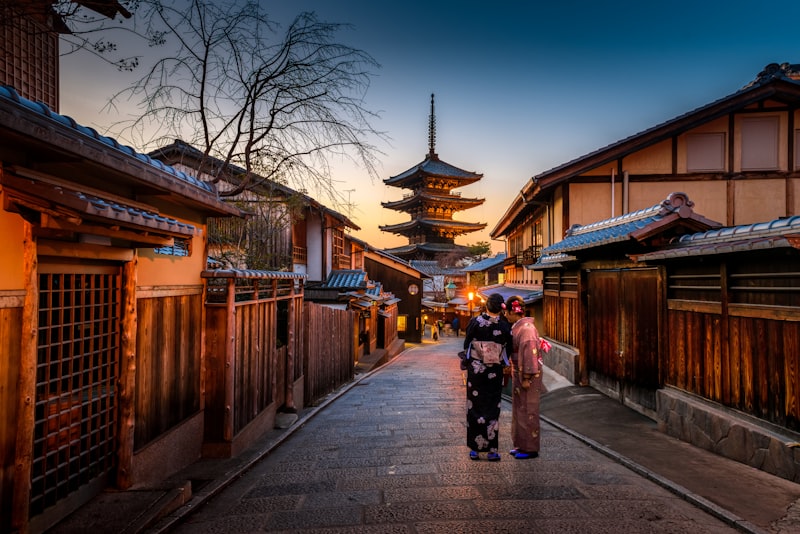
Traveling Japan on a ¥100,000 budget for a week in 2026 is an incredible, gritty, and deeply rewarding experience. By utilizing night buses to save on transport and hotels, eating where the salarymen eat, and sleeping in high-tech capsules, you experience a slice of modern Japanese life that luxury tourists completely miss. Who is this NOT for? Couples wanting romantic ryokans, travelers with heavy suitcases (capsules and buses lack space), and those unwilling to walk 15,000+ steps a day. If you are agile and open-minded, this is the ultimate way to hack Japan.
📝 この記事について
監修・運営: Futuristic Imagination LLC
専門分野: 日本旅行・インバウンド
AI技術と専門家の知見を組み合わせ、信頼性の高い情報をお届けします。