ASOVENTURE · JAPAN LINENOW BOARDING · 9 LANGUAGES · TOKYO — OSAKA — SAPPORO — FUKUOKA
Japan Timing Guide

Japan Autumn Foliage 2026 | Peak Timing Map City by City

Japan Autumn Foliage 2026 | Peak Timing Map City by City

Checked against official sources and updated regularly by a JAPHIC-certified operator. About us →

⚡ Quick facts

Stop relying on outdated foliage maps. Get the real 2026 peak dates for Kyoto, Tokyo, and Osaka, exact train routes, and local crowd-beating strategies.

  • In this guide
  • The 2026 Late-Season Reality: Why Kyoto and Tokyo peak much later than you think.
  • Exact Dates & Locations: Real-time 2026 forecasts for maples and ginkgo trees.
  • Actionable Logistics: Station names, walking times, and 2026 ticket prices in Yen and USD.
  • 📂 Japan Timing Guide
  • 🔄 Updated 2026-11-08
  • #Autumn Foliage
  • #Kyoto Koyo
  • #Tokyo Ginkgo

🔥 Keep Reading

USJ & Theme Parks

USJ Express Pass Complete Guide 2026 | Which Passes Are Worth Buying

Japan Timing Guide

Golden Week Japan 2026 | Where to Go When Tokyo is Overrun

📶

Get Your Japan eSIM Before You Go!

Connect to internet immediately on arrival · No airport SIM card needed

Compare eSIM →
📑 Contents

[Disclosure] This article contains affiliate links. We may earn a commission at no extra cost to you.
Japan Autumn Foliage 2026 | Peak Timing Map City by City

If you are planning a trip to Japan for the autumn leaves (known as koyo or momiji), forget the brochures that tell you to book for mid-November. As of late 2026, Japan's autumn foliage season is trending significantly later than historical averages. The Japan Meteorological Corporation (JMC) and Weathernews have confirmed that major cities like Kyoto and Tokyo won't see peak red maples until late November to mid-December. If you blindly followed generic travel advice and booked a trip to Kyoto for November 10th, you will be looking at aggressively green trees.

In this guide, we bypass the fluff and give you the hyper-specific, ground-level data you actually need for 2026. We cover exactly when the leaves will peak city by city, which specific temple gardens to visit (and which to avoid), the exact train stations to navigate, and the real 2026 entry prices you'll pay at the gate.

What You'll Get From This Guide

  • The 2026 Late-Season Reality: Why Kyoto and Tokyo peak much later than you think.
  • Exact Dates & Locations: Real-time 2026 forecasts for maples and ginkgo trees.
  • Actionable Logistics: Station names, walking times, and 2026 ticket prices in Yen and USD.
  • Local Alternatives: Hidden temples to escape the unbearable tourist crushes at famous spots.
  • Night Illuminations: Where to see lit-up foliage and how to book timed entries.

1. The 2026 Koyo Reality Check: What Tourists Get Wrong

The single biggest mistake first-time travelers make is assuming autumn foliage behaves like cherry blossoms. Sakura (cherry blossoms) moves South to North as the weather warms. Koyo (autumn leaves) does the exact opposite: it moves North to South, and from Summit to Valley as the weather cools.

The second major misconception is the timeline. The 2026 JMC forecast officially places Kyoto's peak maple viewing date around December 11 to 14. Yet, thousands of tourists still flock to Kyoto in mid-November based on outdated blogs from 2015, only to be disappointed. If you want peak reds in Kyoto or Tokyo this year, you need to aim for the very end of November into the second week of December.

2. Tokyo & Kanto: Ginkgo Gold and Urban Maples

Peak Timing 2026: November 26 (Ginkgo) – November 30 (Maples)

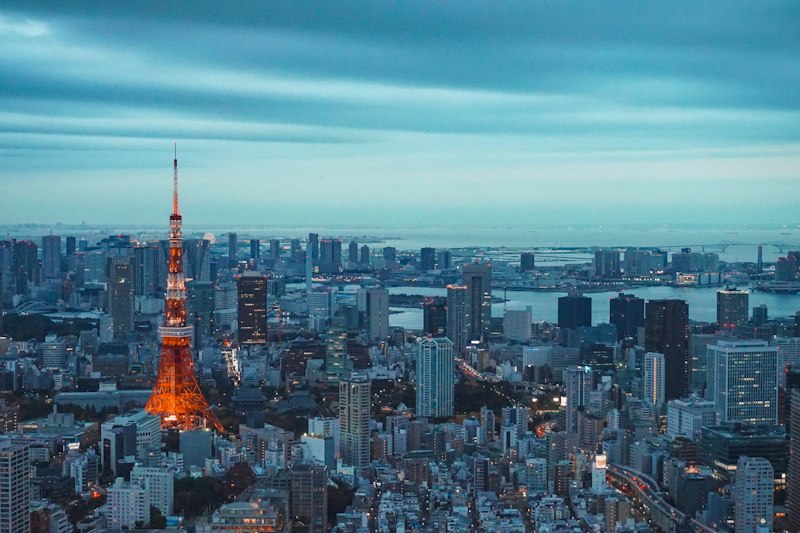
Tokyo offers a sharp contrast between the bright yellow ginkgo trees lining the city streets and the deep red maples of its traditional Edo-period gardens.

Meiji Jingu Gaien Ginkgo Avenue

The most famous autumn stroll in Tokyo is the 300-meter stretch of 146 ginkgo trees leading to the Meiji Memorial Picture Gallery.

  • Access: 3-minute walk from Gaienmae Station (Ginza Line, Exit 4a).
  • Cost: Free.
  • Local Tip: It is spectacularly overcrowded by 10:00 AM on weekends. Go at 7:00 AM on a Tuesday if you want a clean photo. Before heading to modern viewpoints, Book Shibuya Sky / Tokyo Disneyland / Universal Studios Japan on Klook to secure your timed entry, as Shibuya Sky sells out weeks in advance during autumn.

Rikugien Gardens Night Illumination

Rikugien is a masterpiece of landscape gardening and one of Tokyo's top spots for nighttime maple viewing.

  • Access: 7-minute walk from Komagome Station (JR Yamanote Line, South Exit).
  • Cost: ¥300 ($2.00 USD) for daytime entry. The special night illumination (late Nov) requires a separate advance online ticket for ¥1,100 ($7.20 USD). No cash tickets are sold at the gate for the night event in 2026.

3. Kyoto & Kansai: The Red Maple Heartlands

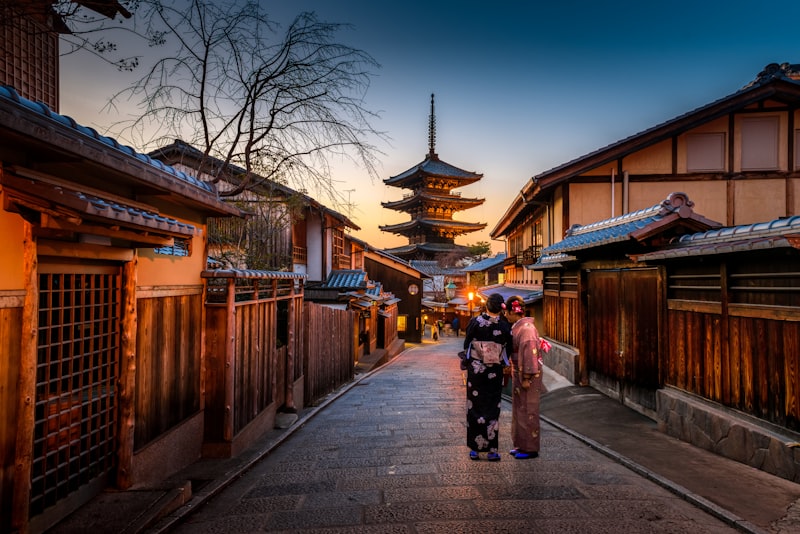
Peak Timing 2026: November 23 (Early spots) – December 14 (City peak)

Kyoto is the undisputed king of autumn in Japan, but it requires military-level planning. Because of the late season, mid-November will be mostly green, while early December will be fire-red. Hotels book up six months in advance. You can Search best hotels in Japan on Booking.com to find last-minute cancellations in the outer wards like Yamashina or Otsu.

Tofukuji Temple (The Heavy Hitter)

Tofukuji’s Tsutenkyo Bridge offers a view of a sea of 2,000 maples. It is breathtaking, and it is a logistical nightmare if you time it wrong.

  • Access: 10-minute walk from Tofukuji Station (JR Nara Line / Keihan Main Line).
  • Cost: ¥1,000 (~$6.50 USD) for the Tsutenkyo Bridge area.
  • Local Tip: Do not come here at 11:00 AM. The bridge becomes a localized traffic jam of tour groups. Arrive at 8:15 AM to wait for the 8:30 AM opening. Alternatively, walk 20 minutes north to Shinnyo-do Temple—the grounds are free, stunningly red by late November, and practically empty compared to Tofukuji.

Eikando Temple (The Illumination King)

Known as the "Temple of Autumn Leaves," Eikando boasts 3,000 maples and a legendary nighttime illumination running from November 20 to December 6, 2026.

  • Access: 15-minute walk from Keage Station (Tozai Subway Line, Exit 1).
  • Cost: ¥1,000 ($6.50 USD) daytime; ¥600 ($4.00 USD) for night illumination.
  • Note: Expect a 45-minute queue wrapping around the outer walls just to get in at night. Dress warmly.

4. Fuji Five Lakes & Chubu: Mountain Framing
Peak Timing 2026: November 9 – November 20

If you want the iconic shot of Mount Fuji framed by red maples, you must arrive earlier than you would for Tokyo or Kyoto. Because Kawaguchiko is at a higher elevation, it peaks earlier.

Kawaguchiko Maple Corridor (Momiji Kairo)

  • Access: Take the Red Line Sightseeing Bus from Kawaguchiko Station (Fuji Kyuko Line) to the Itchiku Kubota Art Museum stop (about 25 minutes, ¥490 / ~$3.20 USD).
  • Cost: Free to walk the corridor.
  • Timing Reality: By November 25, the trees here are mostly bare branches. Aim for the second week of November. To make the most of the region, Book traditional Japanese ryokan on Rakuten Travel Japan for a stay near the lake with private hot springs.

5. Hokkaido & Tohoku: The Early Starters

Peak Timing 2026: Mid-October – Early November

If your trip is in October, skip the major cities entirely and head north.

Oirase Gorge (Aomori)

A 14-kilometer trail following a pristine mountain stream through a dense, fiery forest.

  • Access: JR Bus from Aomori Station or Hachinohe Station to Yakeyama (approx. 2 hours, ¥2,350 / ~$15.40 USD). JR East Passes cover this bus.
  • Cost: Free to hike.
  • Status in 2026: By early November, it is already past its peak. The optimal window here is late October.
Klook.com

2026 Regional Peak Timing Map

Here is the finalized 2026 data from the Japan Meteorological Corporation and Weathernews, showing when to target each major area.

Region / City Best Viewing Spot 2026 Peak Forecast Window Exact Station Access
Hokkaido Jozankei Onsen Past Peak (Mid-October) Bus from Sapporo Sta.
Tohoku (Aomori) Oirase Gorge Past Peak (Late October) JR Bus from Aomori Sta.
Kanto (Nikko) Lake Chuzenji Nov 1 – Nov 10 Bus from Tobu-Nikko Sta.
Kanto (Tokyo) Rikugien Gardens Nov 28 – Dec 5 Komagome (JR Yamanote)
Chubu (Fuji) Momiji Kairo Nov 9 – Nov 18 Bus from Kawaguchiko Sta.
Kansai (Kyoto) Tofukuji / Arashiyama Nov 23 – Dec 14 Tofukuji / Saga-Arashiyama
Kansai (Osaka) Minoo Park Dec 1 – Dec 6 Minoo (Hankyu Line)
Chugoku Miyajima Nov 18 – Nov 25 Ferry from Miyajimaguchi

Koyo Costs & Night Illumination Fees (2026)

Night illuminations require careful planning. Many venues have switched to advance online ticketing only for 2026 to manage extreme crowd levels.

Viewing Spot Location 2026 Entry Fee (Day) 2026 Entry Fee (Night) Night Illumination Times
Rikugien Gardens Tokyo ¥300 ($2.00) ¥1,100 ($7.20)* 6:00 PM – 8:30 PM
Showa Kinen Park Tokyo (Tachikawa) ¥450 ($3.00) ¥1,300 ($8.50) 4:30 PM – 8:30 PM
Eikando Temple Kyoto ¥1,000 ($6.50) ¥600 ($4.00) 5:30 PM – 8:30 PM
Kiyomizu-dera Kyoto ¥500 ($3.25) ¥500 ($3.25) 5:30 PM – 9:00 PM
Kodai-ji Temple Kyoto ¥600 ($4.00) ¥600 ($4.00) 5:00 PM – 10:00 PM

*Rikugien night tickets must be purchased online in advance. No gate sales.


Frequently Asked Questions

Q: How much does koyo night illumination cost in 2026?

Night illuminations at major temples and gardens in Japan generally cost between ¥500 and ¥1,300 ($3.25 to $8.50 USD) depending on the venue. In Kyoto, temples like Eikando charge ¥600 ($4.00 USD), while Kodai-ji charges ¥600. In Tokyo, premium parks like Rikugien have increased their night prices to ¥1,100 (~$7.20 USD) and have moved exclusively to an online advance-booking system to prevent deadly crushes at the entry gates. Always check the official venue website a week before your visit, as walk-up cash tickets are becoming a thing of the past for popular night events.

Q: Is Kyoto too crowded for solo travelers during autumn?

Kyoto is exceptionally crowded during autumn, but it is actually highly manageable for solo travelers if you are willing to adapt. Large tour groups dominate the famous temples (Kiyomizu-dera, Kinkaku-ji, Tofukuji) between 9:30 AM and 4:00 PM. As a solo traveler, your advantage is agility. Wake up at 6:00 AM and visit temples that open at dawn, or use a bicycle to navigate between lesser-known spots like Shinnyo-do or Kurodani Temple where buses can't easily park. Dining solo is also easier, as you can grab counter seats at ramen or udon shops while groups wait 45 minutes for tables.

Q: When is the absolute best time to visit Kyoto for autumn leaves in 2026?

According to the latest 2026 JMC forecast, the peak viewing time for Kyoto's red maples will be between late November and mid-December, with the official city-wide benchmark date set for December 11. If you want the highest probability of seeing vivid colors across multiple temples, the safest window to book is November 28 through December 8. Mid-November is too early this year. However, note that specific mountain-adjacent spots like Arashiyama will start looking great slightly earlier, around November 23.

Q: What should I wear for autumn evenings in Japan?

Autumn in Japan features massive temperature swings. A day in late November in Kyoto might be a sunny 16°C (61°F), but by the time you line up for a 6:00 PM temple illumination, it can drop to 6°C (43°F) and feel damp. You need layered clothing. Bring a lightweight down jacket, a scarf, and gloves. Most importantly, wear thick socks. You will be asked to remove your shoes to enter the wooden halls of many temples, and walking on unheated wooden floors in November will freeze your feet instantly. If you need reliable luggage to pack those layers, pick up a solid suitcase on Amazon Japan before or during your trip.

Q: Do JR Passes cover the best foliage spots?

Yes and no. The nationwide JR Pass (and regional passes like the JR East Pass) will cover long-distance Shinkansen travel to major hubs like Kyoto, Tokyo, and Aomori. It also covers the JR Bus to the Oirase Gorge in Tohoku. However, within Kyoto, the JR Pass is virtually useless for autumn foliage hunting. The best temples are accessed via private railways (Keihan Line, Hankyu Line), municipal subways, and city buses, none of which are covered by JR. You will need to rely heavily on an IC Card (Suica/ICOCA) and pay out of pocket for local transit within Kyoto and Tokyo.


Bottom Line

Japan's 2026 autumn foliage is peaking exceptionally late. If your trip is locked in for mid-November, shift your focus to higher elevations like Nikko, Kawaguchiko, or the Japanese Alps, rather than expecting deep reds in Kyoto. This guide is built for travelers who are willing to navigate advance online ticketing and wake up at 7:00 AM to beat the buses. If you refuse to plan ahead, despise crowds, and expect to casually stroll into Eikando at sunset on a Saturday without a massive queue, late-November Kyoto is emphatically not for you.


📝 この記事について

監修・運営: Futuristic Imagination LLC
専門分野: 日本旅行・インバウンド
AI技術と専門家の知見を組み合わせ、信頼性の高い情報をお届けします。


Klook.com
Klook.com

📚 Recommended Guides

USJ & Theme Parks

USJ Express Pass Complete Guide 2026 | Which Passes Are Worth Buying

Japan Timing Guide

Golden Week Japan 2026 | Where to Go When Tokyo is Overrun

Japan Timing Guide

How to Get Last Train in Tokyo | Schedule Survival Guide 2026

Disclosure: This article contains affiliate links. We may earn a commission at no extra cost to you.