[Disclosure] This article contains affiliate links. We may earn a commission at no extra cost to you.

Planning a vegan trip to Japan in 2026 is an entirely different beast than it was even five years ago. While Japan’s culinary landscape is famously rich, its traditional reliance on dashi (fish stock) and other animal products has historically made vegan travel a significant challenge. However, the game has changed dramatically. This guide isn't about generic "vegan-friendly" cafes – it's your specific, no-nonsense roadmap to truly vegan restaurants and genuine plant-based options across Tokyo, Osaka, and Kyoto in 2026. Forget the vague advice; here, you'll find real restaurant names, current prices, and the street-level intel you need to eat well, safely, and deliciously, avoiding common pitfalls that other guides gloss over.
What You'll Get From This Guide
- Verified Vegan Restaurants: Specific names, locations, and price ranges for dedicated vegan establishments in Japan's major cities for 2026.
- "Hidden Gem" Local Insights: Discover spots favored by local vegans, not just tourist traps.
- 2026 Price Data: Real-world costs for various vegan meals, snacks, and groceries in Yen and USD.
- Navigation & Language Tips: How to confidently order and ensure your meal is genuinely plant-based.
- Supermarket & Convenience Store Finds: Detailed list of accidentally vegan products available now.
Vegan in Japan 2026: Quick Answer
Short answer: Eating vegan in Japan is very doable in 2026 — but only if you seek out dedicated vegan spots. The #1 trap: most Japanese "vegetarian" food isn't vegan. Dashi (fish stock) is in almost everything — miso soup, tempura batter, "vegetable" broths — and "vegetarian" locally often includes fish, egg, and dairy. Play it safe by heading to fully-vegan restaurants (e.g. T's TanTan vegan ramen inside Tokyo Station, ~¥1,350) and using the HappyCow app. Learn one phrase: "Dashi nashi de onegaishimasu" (no fish stock, please).
Vegan Japan at a glance
| Question | Answer (2026) |
|---|---|
| Is Japanese food naturally vegan? | No — dashi (fish stock) is nearly everywhere |
| Does "vegetarian" mean vegan here? | No — often includes fish, egg, dairy |
| Easiest guaranteed vegan meal | Dedicated vegan chains (e.g. T's TanTan, Tokyo Station) |
| Best cities for vegan | Tokyo > Kyoto > Osaka (all workable) |
| Key phrase | Dashi nashi de onegaishimasu (no fish stock) |
| Best tool | HappyCow app for verified vegan spots |
Understanding Vegan in Japan 2026: More Than Just "No Meat"
Before we dive into delicious details, let's clear up the biggest misconception: Japanese cuisine is not inherently vegan. Far from it. While a plate of tempura vegetables or a bowl of soba noodles might look vegan, the broth (dashi, almost always fish-based), batter (often with egg), or dipping sauces frequently contain animal products. The term "vegetarian" in Japan often includes fish, eggs, and dairy, making it an unreliable label for strict vegans.
In 2026, the vegan scene has matured significantly, largely driven by Olympic tourism awareness and a growing domestic interest in health and ethical eating. You’ll find more dedicated vegan establishments and clearer labeling. However, don't assume every restaurant advertising "plant-based options" fully understands or adheres to strict vegan principles. Always be prepared to confirm.
Local Tip: Don't rely solely on Google Translate's camera function for ingredient lists in supermarkets. Many traditional ingredients (e.g., specific types of umami enhancers) might not translate clearly, and common allergens like milk or egg can be in surprising places. Instead, focus on products with official "vegan" certifications or clear English labeling, which are becoming more common. For restaurants, a pre-written Japanese phrase card explaining your dietary needs ("私はビーガンです。肉、魚介類、卵、牛乳、乳製品、はちみつなしでお願いします。ダシもなしでお願いします。" - "Watashi wa biigan desu. Niku, gyokairui, tamago, gyunyu, nyuseihin, hachimitsu nashi de onegai shimasu. Dashi mo nashi de onegai shimasu." meaning "I am vegan. No meat, seafood, eggs, milk, dairy products, honey, please. Also no dashi.") is invaluable.
Tokyo Vegan Hotspots & Hidden Gems 2026
Tokyo’s vegan scene is the most dynamic in Japan, offering everything from ramen to fine dining.
Shinjuku & Shibuya: Mainstream & Trendy Vegan
These areas are tourist hubs, so you'll find a good mix of established vegan spots and newer trends.
- T's TanTan (東京駅京葉ストリート店): A perpetually popular, fully vegan ramen chain inside Tokyo Station (Keiyo Street, B1F, next to the Keiyo Line entrance). Their creamy Sesame TanTan ramen is legendary. Expect queues during peak lunch hours (12:00-13:30).
- Price: TanTan Ramen ¥1,350 / ~$9.00 USD. Gyoza (5 pcs) ¥550 / ~$3.70 USD.
- Access: JR Tokyo Station, Keiyo Street, B1F.
- Veggie Kitchen GLOW (ベジキッチン グロウ): Located in Shinjuku-gyoenmae, this cozy spot offers organic, mostly vegan Japanese-style lunch sets (delis and rice). It's a bit of a walk from the main Shinjuku station, offering a calmer atmosphere.
- Price: Lunch Plate (5 delis + rice) ¥1,800 / ~$12.00 USD.
- Access: Shinjuku-gyoenmae Station (Marunouchi Line), Exit 1. 3-minute walk.
- Nagi Shokudo (なぎ食堂): In Shibuya, this long-standing vegan eatery offers hearty, home-cooked style Japanese meals. Often has daily specials.
- Price: Daily Set Meal ¥1,500 / ~$10.00 USD.
- Access: Shibuya Station (JR Yamanote Line), Hachiko Exit. 10-minute walk towards Tokyu Hands.
Ueno & Asakusa: Traditional & Accessible Vegan
Closer to traditional sights, these areas have fewer dedicated vegan spots but are catching up.
- Komaki Shokudo (こまき食堂): Inside the historic "Ueno Sakuragi Atari" complex, this traditional Japanese vegetarian (fully vegan possible) restaurant offers set meals based on Zen Buddhist cuisine. Reservations recommended, especially for dinner.
- Price: Lunch Set ¥2,200 / ~$14.70 USD.
- Access: Nezu Station (Chiyoda Line), Exit 1. 8-minute walk.
- Vegans Cafe and Restaurant (ヴィーガンズカフェ&レストラン): While a bit more out of the way in Asakusa, near Senso-ji, this spot is a reliable choice for burgers, pasta, and even vegan curry. A good place if you're craving Western-style vegan comfort food.
- Price: Vegan Burger Set ¥1,600 / ~$10.70 USD.
- Access: Asakusa Station (Tobu Skytree Line, Tokyo Metro Ginza Line), 12-minute walk.
Tokyo Vegan Supermarket & Convenience Store Finds
Don't underestimate these for snacks and emergency meals.
- FamilyMart: Look for their oats milk (オーツミルク, approx. ¥280 / ~$1.90 USD), onigiri with kombu (昆布) or ume (梅) fillings (check for dashi – simpler ones are safer, approx. ¥130-¥180 / ~$0.90-$1.20 USD), and some plain edamame (枝豆, approx. ¥250 / ~$1.70 USD). Their soy-based karaage (大豆からあげ) often says "plant-based" on the label, but always confirm ingredients for specific animal products if unsure.
- Lawson: Their "Green Smoothies" (グリーンスムージー, approx. ¥220 / ~$1.50 USD) are usually safe. They also have some soymilk-based desserts and baked sweet potatoes (焼き芋, approx. ¥300 / ~$2.00 USD) which are excellent.
- Seven-Eleven: Similar to others, look for plain white rice onigiri (塩むすび), some fruit cups, and their excellent mixed nuts (¥350 / ~$2.30 USD). Their plant-based instant cup noodles (プラントベースカップ麺) selection has expanded significantly by 2026.
- Supermarkets (e.g., Daiei, Seijo Ishii, Aeon): These are your best bet for groceries. Look for:
- Vegan Mayonnaise: Kewpie's "Egg-Free Mayonnaise" (卵不使用マヨネーズ, ¥400 / ~$2.70 USD) is readily available.
- Vegan Ramen Packs: Many brands now offer clearly labeled vegan instant ramen.
- Vegetable Dumplings (Gyoza): Check frozen sections for brands like Ajinomoto, which now have explicit vegan versions (¥350-¥500 / ~$2.30-$3.30 USD).
- Plant-based Meat Alternatives: Large supermarkets carry a range of soy or pea-protein based "meat" products.
Osaka's Plant-Based Scene 2026
Osaka, known as "Japan's Kitchen," has enthusiastically embraced the vegan movement, often with a focus on hearty, satisfying meals.
Namba & Dotonbori: Central & Diverse Vegan
These bustling areas are good starting points for vegan exploration.
- Green Earth (グリーンアース): A pioneering vegetarian/vegan restaurant near Shinsaibashi (a short walk from Namba). Offers Western and Japanese-style vegan dishes in a relaxed setting.
- Price: Lunch set ¥1,600 / ~$10.70 USD. Curry Rice ¥1,200 / ~$8.00 USD.
- Access: Shinsaibashi Station (Midosuji Line), Exit 7. 5-minute walk.
- Herbivore Heaven Osaka (ハービヴォアヘブン大阪): Near Namba Parks, this trendy cafe serves delicious vegan burgers, sandwiches, and fresh juices. A popular spot for younger crowds.
- Price: Classic Vegan Burger Set ¥1,750 / ~$11.70 USD.
- Access: Namba Station (various lines), follow signs to Namba Parks. 7-minute walk.
- Sakura Vegan Bento (桜ヴィーガン弁当): A small takeaway bento shop specializing in fully vegan Japanese bentos. Perfect for picnics or train journeys. Limited seating.
- Price: Standard Bento Box ¥950 / ~$6.30 USD.
- Access: Nipponbashi Station (Sakaisuji Line), Exit 6. 3-minute walk.
Umeda & Shin-Osaka: Convenient Vegan Bites
Close to major transit hubs, these are good for quick meals or while transferring.
- Falafel Lovers (ファラフェルラバーズ): While not exclusively Japanese, this spot in Umeda offers consistently delicious and clearly labeled vegan falafel wraps and bowls. A lifesaver for a quick, filling meal.
- Price: Falafel Wrap ¥900 / ~$6.00 USD.
- Access: Osaka Station (JR), Grand Front Osaka South Building, B1F. 2-minute walk from station exit.
- Gokoku (五穀): A new addition by 2026, a small, fully vegan ramen joint near Shin-Osaka station. Their soy-milk broth ramen is a standout.
- Price: Shio Ramen (Salt-based) ¥1,400 / ~$9.30 USD.
- Access: Shin-Osaka Station, East Exit. 5-minute walk.
Kyoto: Traditional Meets Modern Vegan 2026
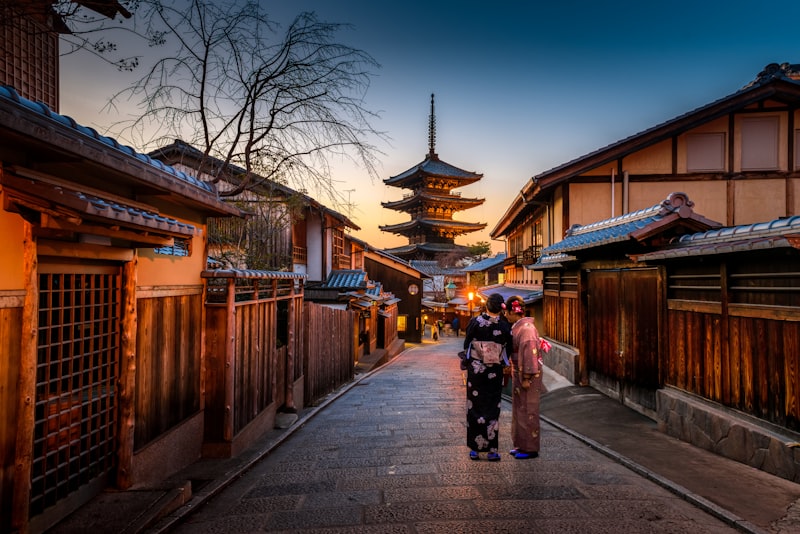
Kyoto, with its strong Buddhist traditions, might seem like a natural fit for vegan food. However, traditional shojin ryori (Buddhist temple cuisine) often uses dashi, so explicit confirmation is key. The modern vegan movement is making waves, though.
Gion & Kawaramachi: Central Vegan Finds
These tourist-heavy areas now offer a good selection.
- Veg Out (ベグアウト): Located along the Kamo River, this popular, fully vegan cafe offers hearty meals, burgers, and delicious desserts with a great view. Often busy.
- Price: Lunch Plate ¥1,900 / ~$12.70 USD. Vegan Pancakes ¥1,400 / ~$9.30 USD.
- Access: Kiyomizu-Gojo Station (Keihan Line), Exit 4. 2-minute walk.
- Mamebiki Vegan Cafe (豆引きヴィーガンカフェ): A smaller, intimate cafe in a quieter part of Gion offering carefully crafted vegan lunch sets focusing on local vegetables and ingredients.
- Price: Seasonal Vegan Set ¥2,500 / ~$16.70 USD.
- Access: Gion-Shijo Station (Keihan Line), Exit 6. 7-minute walk.
- Kiyomizu Plant-Based Izakaya (清水プラントベース居酒屋): A relatively new establishment (opened late 2025) offering vegan izakaya-style dishes near Kiyomizu-dera. Great for experiencing traditional flavors in a vegan-safe way.
- Price: Assorted Skewers (5 pcs) ¥1,600 / ~$10.70 USD. Tofu Steak ¥900 / ~$6.00 USD.
- Access: Kiyomizu-Gojo Station (Keihan Line), Exit 4. 15-minute uphill walk towards Kiyomizu-dera.
Arashiyama & Fushimi Inari: Vegan-Friendly Stops
Options are scarcer here, but some places cater to the growing demand.
- Arashiyama Souvenir & Vegan Cafe (嵐山お土産&ヴィーガンカフェ): While primarily a souvenir shop, they have a dedicated small cafe counter offering simple vegan snacks, ice cream, and coffee with plant milk options. Great for a quick pit stop.
- Price: Vegan Soft Serve Ice Cream ¥600 / ~$4.00 USD.
- Access: Saga-Arashiyama Station (JR Sagano Line), 5-minute walk.
- Inari Vegan Bento (いなりヴィーガン弁当): A small bento shop near Fushimi Inari Shrine specializing in vegan inari sushi (rice-filled tofu pouches) and other traditional vegan sides. Perfect to grab before or after your shrine visit.
- Price: Inari Sushi Set (3 pcs) ¥800 / ~$5.30 USD.
- Access: Fushimi-Inari Station (Keihan Line), 2-minute walk.
Navigating Menus & Language Barriers
Even with dedicated vegan restaurants, you'll inevitably encounter situations where you need to communicate your dietary needs. Don't be shy; Japanese hospitality usually means staff will try their best to accommodate.
Overrated: Relying solely on restaurant reviews from outdated blogs that praise places for having "one vegetarian option." Often these options are not vegan, or the staff have little understanding of the difference. Stick to fully vegan places or those with explicit vegan menus confirmed by recent 2026 reviews.
Essential Japanese Phrases for Vegans:
- "Watashi wa biigan desu." (私はビーガンです。) - I am vegan.
- "Niku, sakana, gyunyu, tamago, hachimitsu wa taberaremasen." (肉、魚、牛乳、卵、はちみつは食べられません。) - I cannot eat meat, fish, milk, eggs, honey.
- "Dashi nashi de onegai shimasu." (出汁なしでお願いします。) - No dashi (fish stock), please.
- "Kore wa biigan desu ka?" (これはビーガンですか?) - Is this vegan?
- "Arigato gozaimasu!" (ありがとうございます!) - Thank you very much!
Print these out or save them on your phone. Most dedicated vegan restaurants will understand "vegan" but for traditional eateries, being specific about ingredients is crucial.