[Disclosure] This article contains affiliate links. We may earn a commission at no extra cost to you.
Planning a solo trip to Japan as a woman in 2026? You've likely heard the common refrain: "Japan is incredibly safe." While largely true, that blanket statement misses the critical nuances and practical realities that truly empower a solo female traveler. This guide goes beyond the platitudes, diving deep into city-specific safety ratings, cultural context, and actionable advice to ensure your 2026 Japan journey is not just safe, but also deeply enriching and genuinely worry-free. You'll learn where potential micro-risks exist, how to navigate them with confidence, and which local strategies will enhance your experience, separating fact from common misconception.
What You'll Get From This Guide
- Granular City-Specific Safety Ratings: Honest assessments for major tourist hubs like Tokyo, Osaka, Kyoto, Sapporo, and Fukuoka.
- 2026 Cost Breakdowns: Realistic daily budgets and specific prices for accommodation, transport, and food.
- Myth-Busting Local Insights: Debunking common tourist misconceptions about "dangers" and sharing local truths.
- Practical Accommodation & Transport Tips: How to choose safe lodging and navigate public transport, even after dark.
- Emergency Preparedness: Essential contacts and apps for staying connected and secure.
- Affiliate Recommendations: Hand-picked safety tools and booking resources for your convenience.
Japan's Overall Safety for Solo Women (The Nuance Behind the Headlines)
Japan consistently ranks among the safest nations globally, and this extends to solo female travelers in 2026. Violent crime is exceedingly rare, even more so against tourists. However, "safe" doesn't mean "zero considerations." Our deep dive reveals that while major threats are negligible, understanding subtle cultural norms, potential petty annoyances, and how to effectively use Japan's excellent infrastructure will optimize your solo experience.
The "Lost Phone" Test & Cultural Context
A common anecdotal test for Japan's safety is leaving a wallet or phone on a café table. Chances are, you'll return to find it untouched, or someone will have handed it to staff. This reflects a deeply ingrained cultural value of honesty and community responsibility (世間体, seken-tei). Losing an item doesn't automatically mean it's stolen; it's often retrieved. This trust level underpins daily life and public spaces.
Understanding Petty Crime vs. Harassment
While theft is rare, isolated incidents of chikan (groping/sexual harassment) on crowded trains, particularly during rush hour, do occur. This is the primary safety concern for women in Japan, and authorities have taken steps to address it with women-only train cars. It's crucial to understand that chikan is a form of harassment, not a reflection of widespread danger, and measures exist to mitigate it. In nightlife districts, particularly in areas like Shinjuku's Kabukicho or Osaka's Tobita Shinchi (a red-light district), overzealous touts might approach you, but they are rarely aggressive to the point of physical threat and will back off if firmly ignored.
Local Tip: Don't let the (very real but statistically low) risk of chikan deter you from enjoying Japan's excellent public transport. If you feel uncomfortable or are in a particularly crowded situation, move to the front car near the driver or conductor, or use women-only cars during designated times. Often, merely being aware and assertive (a firm "No!" or "Yamete Kudasai!" - Stop!) is enough.
2026 City-Specific Safety Ratings & Real-World Concerns
Japan's major cities each have a slightly different vibe and a few distinct considerations for solo female travelers. Our ratings are out of 10, considering overall safety, specific areas of caution, and nighttime navigation.
Tokyo (Central Wards: Shibuya, Shinjuku, Ginza)
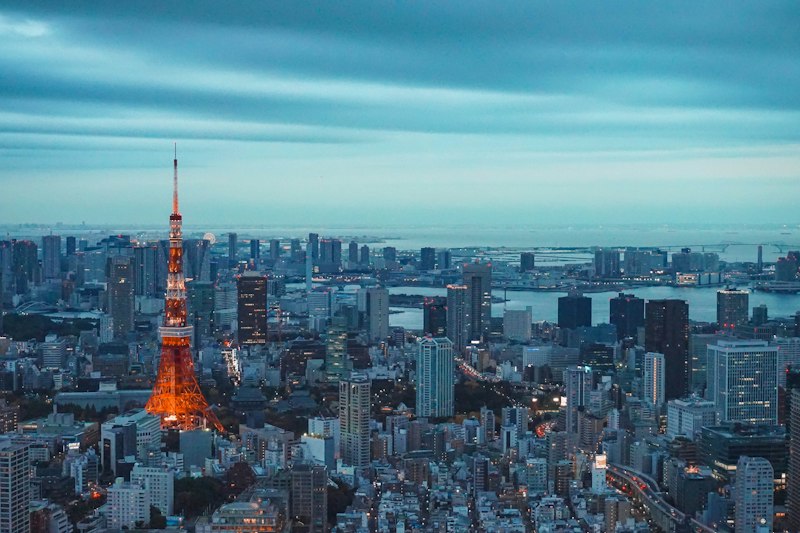
Safety Rating: 9.5/10 Tokyo is remarkably safe. The biggest "dangers" are getting lost in massive stations like Shinjuku Station (which processes 3.5 million passengers daily!) or navigating crowds. Shibuya's Scramble Crossing, while iconic, can feel overwhelming. Nightlife areas like Shinjuku's Kabukicho (2-chome to 4-chome) or parts of Roppongi (especially around Roppongi Crossing) have a higher concentration of touts and late-night bars. While generally harmless, these can be a bit more assertive here. If you're out late, a short taxi ride from Shibuya Station to your hotel in Shinjuku might cost around ¥2,500-¥3,500 / ~$16-23 USD after midnight with surcharge.
Osaka (Namba, Dotonbori, Shinsekai)
Safety Rating: 9/10 Osaka retains a slightly grittier, more direct character than Tokyo, but remains incredibly safe. The Dotonbori area can get very crowded and lively, especially on weekends, with a vibrant but sometimes boisterous atmosphere. Shinsekai and Namba's Ura-Namba area have a few older, more rundown pockets, but are primarily bustling with eateries and bars. The Tobita Shinchi area (a well-known red-light district near Shin-Imamiya Station) is best avoided, especially at night, as it's not a tourist area. Public transport is excellent, but like Tokyo, taxis are recommended for late-night solo travel. A 10-minute taxi ride from Namba Station to Umeda Station could cost ¥1,800-¥2,800 / ~$12-18 USD.
Kyoto (Gion, Arashiyama, Pontocho)
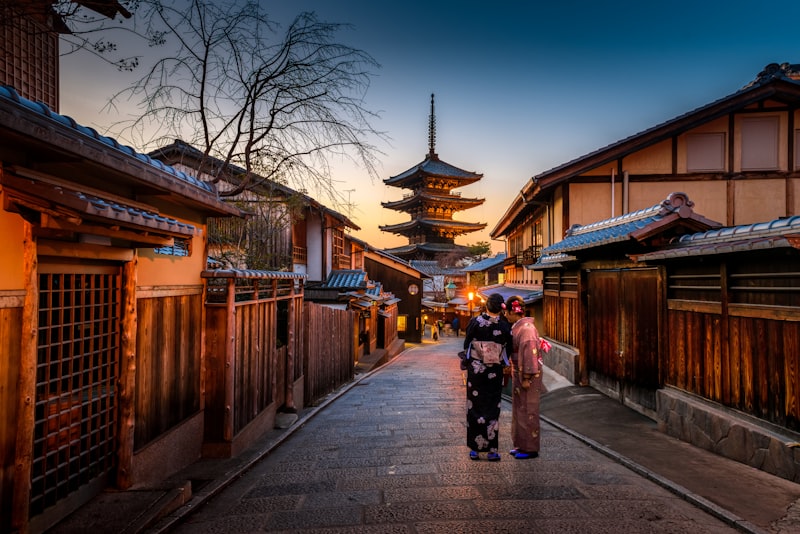
Safety Rating: 9.8/10 Kyoto is often perceived as the safest due to its traditional, quieter nature. Most attractions close by 5-6 PM, leading to very quiet streets at night outside of dining districts. Gion and Pontocho lanes can be charming but incredibly narrow and somewhat dimly lit after dark. While beautiful, being aware of your surroundings, especially if walking alone in quiet residential alleys, is always wise. The biggest concern here is the lack of late-night public transport, so plan dinner and drinks accordingly.
Sapporo (Susukino, Odori)
Safety Rating: 9.7/10 Sapporo is very safe. The main entertainment district, Susukino, is lively with numerous bars and restaurants but doesn't typically pose significant threats beyond the usual late-night crowds. During winter, the primary concern might be slipping on ice or navigating snow-covered streets rather than crime. Taxis are readily available from Sapporo Station or Susukino for around ¥1,200-¥2,000 / ~$8-13 USD for short rides.
Fukuoka (Hakata, Tenjin, Nakasu)
Safety Rating: 9.2/10 Fukuoka is a compact, friendly city. The Nakasu entertainment district, particularly around the yatai (food stalls) and canals, can be very busy at night. Like Osaka, there's a small red-light district presence in Nakasu but it's largely contained and easily avoidable for tourists. Overall, Fukuoka feels very secure, and its manageable size makes navigation easy.
| City | Overall Safety Score (1-10) | Common Concerns | Nightlife Recommendation |
|---|---|---|---|
| Tokyo | 9.5 | Overcrowding, assertive touts (Kabukicho, Roppongi) | Shibuya, Shinjuku Golden Gai (smaller bars), Ginza for high-end. Be wary of drink spiking in Roppongi clubs. |
| Osaka | 9.0 | Boisterous crowds (Dotonbori), red-light districts (Tobita Shinchi) | Dotonbori (food), Ura-Namba (local bars), Amerikamura (youth culture). |
| Kyoto | 9.8 | Dimly lit alleys (Gion), limited late-night transport | Pontocho Alley (traditional dining), Kiyamachi-dori (bars). Quieter overall. |
| Sapporo | 9.7 | Slipping on ice (winter), lively Susukino district | Susukino (bars, restaurants), Odori Park (seasonal events). |
| Fukuoka | 9.2 | Red-light presence (Nakasu), busy food stalls | Nakasu (yatai, bars), Tenjin (shopping, cafes). |
Accommodation & Transportation: Your Solo Sanctuary
Choosing the right accommodation and understanding local transport are key pillars for a comfortable solo female trip in Japan.
Solo Female-Friendly Accommodation in 2026
Japan offers a fantastic range of safe and convenient options:
- Business Hotels: Chains like Dormy Inn, Centurion Hotel, Mitsui Garden Hotels, and Richmond Hotels are excellent. They are clean, efficient, often have amenities like public baths (onsen) and laundry, and are usually located near train stations. Expect to pay ¥10,000-¥18,000 / ~$65-115 USD per night in major cities for a single room.
- Capsule Hotels: Modern capsule hotels, like The Millennials Shibuya or Nadeshiko Hotel Shibuya (which has women-only floors), offer a unique experience. They are extremely safe, often with keycard access to floors and individual capsules. Prices range from ¥4,500-¥8,000 / ~$29-52 USD.
- Hostels: Many hostels, especially in popular areas like Tokyo's Asakusa or Kyoto's Kawaramachi, offer women-only dorms. Look for reputable chains like WeBase or Kaisu Hostel. A bed in a women-only dorm costs around ¥4,000-¥7,000 / ~$26-45 USD.
- Airbnb/Short-Term Rentals: While popular, ensure the host is reputable, has many positive reviews, and the property is legally licensed. Some areas have cracked down on illegal short-term rentals, so stick to established, high-rated options.
It's always a good idea to research hotel locations relative to train stations and review recent guest comments regarding safety and accessibility. Search hotels on Klook to find options with high safety ratings and good proximity to transport.
Navigating Public Transport After Dark
Japan's public transport system is punctual, clean, and incredibly efficient, even late into the evening. Most major city lines run until around midnight or 1 AM.
- Trains/Subways: Always the primary mode of transport. Maps are in English, and station staff are usually helpful. Google Maps is your best friend for real-time navigation.
- Taxis: Readily available in city centers. Use apps like "Go Taxi" for convenience. Taxis are metered, clean, and drivers are professional. Fares are higher after 10 PM (20% surcharge). A 15-minute ride in central Tokyo can be ¥2,000-¥3,500 / ~$13-23 USD.
- Overrated: For most city-based itineraries, renting a car is often unnecessary and can be a hassle due to tolls, complex parking, and navigating narrow streets. Stick to trains and occasional taxis unless you're exploring very remote regional areas.
Women-Only Train Cars – Are They Necessary?
Women-only train cars were introduced to combat chikan (groping) during peak rush hour. They are typically designated for women, children, and sometimes men with disabilities or accompanying children. You'll find them on major lines in Tokyo (e.g., JR Yamanote Line, Tokyo Metro lines) and Osaka (e.g., JR Loop Line). Are they necessary? If you're traveling during rush hour (approx. 7 AM-9 AM and 5 PM-7 PM) on a packed train, opting for a women-only car can provide extra peace of mind. Outside of these times, they often aren't necessary as trains are less crowded. Look for pink signs on the platform and train doors indicating the "Women Only Car" (女性専用車両, josei senyō sharyō).
Managing Your Money & Staying Connected (2026 Data)
Financial planning and connectivity are crucial for a smooth solo female trip.
Daily Budget for Solo Female Travelers
In 2026, a realistic daily budget for a solo female traveler in Japan, excluding major bullet train travel or extensive shopping, would be:
- Budget Traveler: ¥10,000-¥15,000 / ~$65-95 USD (Hostel bed, convenience store meals, local eateries, public transport).
- Mid-Range Traveler: ¥18,000-¥25,000 / ~$115-160 USD (Business hotel, mix of casual/mid-range restaurants, occasional taxi, some attractions).
Example Costs (2026 Estimates):
- Meal (quick): Yoshinoya or Sukiya gyudon: ¥750 / ~$5 USD
- Meal (mid-range): Casual ramen or izakaya dinner: ¥1,800-¥3,000 / ~$12-19 USD
- Coffee: Starbucks Tall Latte: ¥680 / ~$4.50 USD. Local cafe: ¥500 / ~$3.20 USD.
- Metro Ticket: Short ride (e.g., Shibuya to Harajuku): ¥200 / ~$1.30 USD
- Attraction Entrance: Temple or museum: ¥600-¥1,500 / ~$4-10 USD
- Convenience Store Snacks/Drinks: ¥500-¥1,000 / ~$3.20-6.50 USD
Staying Connected & Safe: SIM Cards, Wi-Fi & Apps
Staying connected is not just convenient; it's a safety net.
- eSIMs: For 2026, eSIMs are the most convenient. Providers like Airalo, Ubigi, or Mobal offer data plans starting from ¥3,000 / ~$19 USD for 7-10 days. Activate before you leave!
- Pocket Wi-Fi: If you have multiple devices or prefer a physical device, rent a Pocket Wi-Fi from providers like Japan Wireless or Ninja Wi-Fi. Cost: ¥500-¥1,000 / ~$3.20-6.50 USD per day.
- Useful Apps:
- Google Maps: Essential for navigation (train times, walking directions).
- Google Translate: Offline translation for menus, signs, and conversations.
- LINE: Japan's primary messaging app, useful for connecting with tour guides or new friends.
- Yurekuru Call (Jishin Sokuho): Earthquake early warning app. (Android/iOS)
- Go Taxi: For convenient taxi booking.
Emergency Contacts & Procedures
Knowing who to call is vital, though rarely needed.
- Police: 110
- Ambulance/Fire: 119
- Lost & Found: For items lost on trains, contact the specific train company. For general items, local police boxes (koban) are the first stop.
- Embassy: Have your country's embassy contact details saved (phone and address).
- Travel Insurance: Always recommend comprehensive travel insurance that covers medical emergencies, trip cancellations, and lost luggage.
- Personal Safety Items: While not strictly necessary due to Japan's safety, some travelers feel more comfortable with a personal safety alarm. You can easily find these on Check on Amazon Japan.