[PR] This article contains affiliate links.
If you are planning an unforgettable trip to Japan in 2026, there are few experiences as iconic, photogenic, and culturally immersive as taking a traditional jinrikisha (rickshaw) tour. Gliding through historic streets slightly elevated above the crowds, guided by a charismatic and highly knowledgeable puller, provides a perspective of Japan that you simply cannot get on foot or by bus. Among the various operators in the country, Ebisuya (えびす屋) is universally recognized as the gold standard. With decades of history, rigorously trained shafu (pullers), and exceptional safety standards, Ebisuya offers an unparalleled sightseeing experience.
For international visitors, the two most sought-after locations for these tours are Asakusa in Tokyo—the bustling epicenter of Edo-style traditional culture—and Arashiyama in Kyoto—a serene district famous for its towering bamboo groves and ancient temples.
This massive, exhaustive 2026 guide is designed specifically for inbound tourists. We will break down absolutely everything you need to know before you ride, including Ebisuya’s complex per-rickshaw pricing structure, the branch-specific named courses, optional add-on fees, how to request an English-speaking guide, and the surrounding areas. We will also dive deep into practical tourism tips, ensuring your rickshaw journey becomes the highlight of your Japanese vacation.
The Resurgence of the Jinrikisha: What to Expect in 2026
The word jinrikisha (人力車) literally translates to "human-powered vehicle." Invented in Japan in the late 19th century, the rickshaw quickly became a primary mode of transport before the advent of automobiles and trains. Today, they have been lovingly preserved as a premium sightseeing vehicle.
Riding with Ebisuya is not merely about getting from point A to point B. It is an interactive, theatrical, and highly personalized tour. The rickshaws are immaculately maintained, featuring comfortable padded seating, specialized suspension systems for a smooth ride over cobblestones, and retractable waterproof roofs and thick blankets to protect you from sudden rain or winter chills.
The Shafu: Your Guide, Photographer, and Bodyguard
The true magic of the Ebisuya experience lies in the shafu (rickshaw pullers). These individuals are extraordinary multi-taskers. They possess incredible athletic stamina, expertly navigating traffic and pedestrians while continuously narrating the history, folklore, and hidden secrets of the neighborhood. Furthermore, they are extensively trained in photography. At scenic spots, they will stop, take your smartphone or camera, and use their knowledge of lighting, framing, and angles to capture professional-quality portraits of you in the rickshaw.
However, as Japan sees record-breaking inbound tourism in 2026, understanding how to properly book, pay, and communicate with Ebisuya has never been more important. Let’s look at the foundational rules for their pricing.
2026 Ebisuya Core Pricing Guide: The Golden Rule
The most critical thing international tourists must understand about Ebisuya’s pricing is this: Do not look for a flat "per person" price.
Ebisuya prices its tours per rickshaw, which can seat either 1 or 2 passengers. The effort required by the puller changes based on the weight of the carriage, meaning the price for a solo traveler (1 rider) is slightly lower than the price for a couple (2 riders). Presenting fares as per-person often misleads solo travelers into thinking they must pay double. All prices listed below include tax and apply uniformly across both the Asakusa and Arashiyama branches.
The Universal Time-Based Fare Table
No matter which branch you visit, if you are booking a standard time-based run, these are the official 2026 prices per rickshaw:
- 12-Minute "Block" Tour:
- Price: ¥5,000 for 2 riders / ¥4,000 for 1 rider.
- Note: This introductory mini-tour is walk-up only and cannot be pre-reserved. It is a quick taste of the rickshaw experience, ideal for snapping a few photos, but it is over very quickly.
- 30-Minute Tour:
- Price: ¥10,000 for 2 riders / ¥9,000 for 1 rider.
- 45-Minute Tour:
- Price: ¥15,000 for 2 riders / ¥13,000 for 1 rider.
- 60-Minute Tour:
- Price: ¥20,000 for 2 riders / ¥16,000 for 1 rider.
- Extensions (Each additional 10 minutes beyond 60 minutes):
- Price: +¥3,000 for 2 riders / +¥2,500 for 1 rider.
- 180-Minute "Daimyo Course" (The Ultimate VIP Experience):
- Price: ¥60,000 for 2 riders / ¥50,000 for 1 rider.
- Note: The inclusions for this luxurious three-hour package vary significantly by branch. (See branch sections below for details).
Custom On-The-Day Routes
While pre-set courses are the most popular, Ebisuya is highly flexible. On the day of your tour, custom routes can be arranged directly with your puller. If there is a specific temple, shop, or photo spot you want to pass by, simply ask! Custom routes start from ¥10,000 for 2 riders / ¥9,000 for 1 rider for a minimum of 30 minutes, and scale up depending on the time required to complete your requested circuit.
Preparing your budget? Check out our guide on Cash vs Card in Japan 2026: How Much Cash Do You Need? to ensure you have the right payment methods ready.
Language Designation and Special Add-On Fees
A common misconception among foreign tourists is that an English-speaking rickshaw puller is guaranteed. This is not true. While many pullers know basic English greetings, a fully fluent guide who can explain complex historical details in English is a specialized service.
If you require an English-speaking guide, you should proactively request this when making your reservation, and be aware of the add-on fees.
Arashiyama Branch Add-On Fees
The Arashiyama branch officially lists the following optional add-on fees on their 2026 page. These are charged per rickshaw and allow you to heavily customize your experience:
- Language Designation Fee: ¥1,000 per rickshaw. (Essential if you want a guaranteed English, Chinese, etc., speaking puller).
- Specific Puller Request: ¥1,000 per rickshaw. (If you watched a YouTube video or had a friend recommend a specific famous shafu, you can request them by name).
- Hotel/Station Pickup-and-Return Transfer: From ¥1,000 per rickshaw. (Depending on the distance, the puller can come directly to your Arashiyama-area hotel or station to begin the tour).
- Bringing a Pet: ¥1,000 per rickshaw. (If you are traveling with a small dog, they can ride with you!)
Asakusa Branch Add-On Fees
The Asakusa branch's official page does not list these specific add-ons in the same granular detail. Tourists visiting Asakusa are highly advised to flag this and ask on-site (or by phone when booking) whether these same add-on fees apply. Do not assume that pet riding or specific language requests are free or available under the exact same terms in Tokyo; always confirm at the time of your Asakusa booking.
Deep Dive: Ebisuya Asakusa Branch (Tokyo)
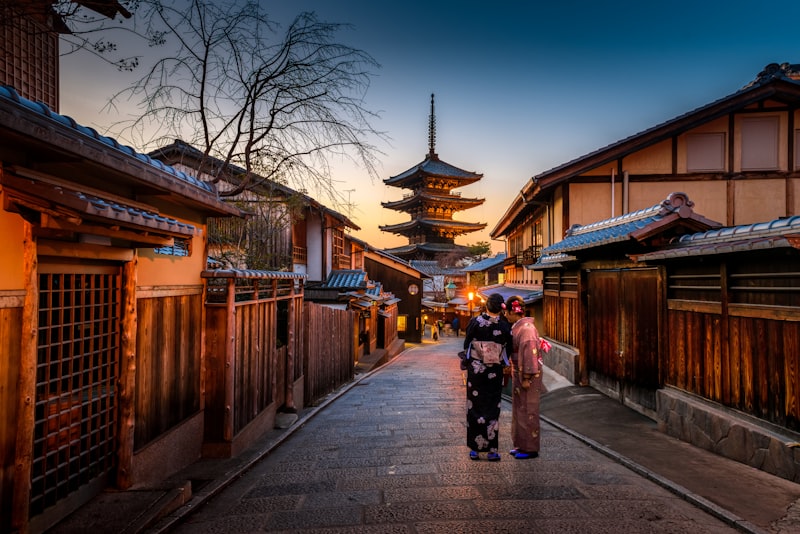
Asakusa is the cultural heart of Tokyo’s Shitamachi (low city). It is a district that proudly wears its Edo-period heritage on its sleeve. When you ride a rickshaw through Asakusa, you are navigating through a vibrant tapestry of street food stalls, towering vermillion gates, hidden geisha districts, and retro entertainment alleys, all under the shadow of the modern Tokyo Skytree.
Because Asakusa is incredibly crowded, riding a rickshaw is a strategic masterclass in sightseeing. The pullers know exactly which back alleys to take to bypass the massive throngs of tourists on Nakamise street, showing you the quiet, authentic side of the neighborhood.
Asakusa Named Courses
In addition to the standard time-based fares, Asakusa offers specific named courses with curated routes. These match the price tiers of their corresponding durations:
1. "Asakusa East-West Shitamachi Rickshaw Stroll" (30 Minutes)
- Price: ¥10,000 for 2 riders / ¥9,000 for 1 rider.
- Experience: This is a fantastic half-hour orientation of the district. The puller will typically guide you away from the dense center, taking you past retro theaters, historic merchant houses, and offering great vantage points of the Tokyo Skytree for iconic photos.
2. "Asakusa Good Fortune: Shitamachi & Power Spot Tour" (70 Minutes)
- Price: ¥23,000 for 2 riders / ¥18,500 for 1 rider.
- Experience: A deeper exploration aimed at spiritual enrichment. "Power spots" in Japan are locations believed to be infused with mystical or spiritual energy. Over 70 minutes, your puller will take you to lesser-known shrines around the outskirts of Sensō-ji, explaining the local deities, how to pray for good fortune, and giving you time to absorb the atmosphere without rushing.
3. The 180-Minute "Daimyo Course" (Asakusa Version)
- Price: ¥60,000 for 2 riders / ¥50,000 for 1 rider.
- Experience: The ultimate luxury. Three hours in a rickshaw allows you to explore the furthest reaches of the Shitamachi area, potentially heading toward the Sumida River, Mukojima (Tokyo's largest remaining geisha district), or deep into historic craft neighborhoods.
- Branch-Specific Inclusion: According to the 2026 Asakusa branch page, booking the Daimyo Course here includes a choice of souvenir: a commemorative T-shirt or an exclusive Ebisuya character doll.
5 Must-Visit Spots in Asakusa to Combine with Your Ride
Since we cannot provide the exact fluctuating meeting point addresses for Ebisuya (you must check the branch page's access section or confirm by phone when booking, as traffic conditions alter pick-up zones), we recommend familiarizing yourself with these major Asakusa landmarks. They serve as excellent reference points before or after your tour.
1. Kaminarimon (Thunder Gate)
The undisputed symbol of Asakusa, featuring a massive red lantern flanked by the gods of wind and thunder. It is often a focal point for rickshaw photography.
- Access: A 1-minute walk from Tokyo Metro Ginza Line Asakusa Station, Exit 1.
2. Sensō-ji Temple & Pagoda
Tokyo's oldest and most significant Buddhist temple. Rickshaws often circle the massive complex, giving you exterior views of the five-story pagoda before dropping you off nearby.
- Access: A 5-minute walk north from Asakusa Station, straight through the Nakamise shopping street.
3. Hoppy Street
A deeply retro, atmospheric street lined with open-air izakayas serving beef stew (motsuykuni) and Hoppy (a nostalgic beverage). Your puller will likely point this out as a great spot for dinner after your ride.
- Access: A 3-minute walk west from Sensō-ji Temple grounds.
4. Asakusa Rokku Entertainment District
Historically Tokyo's premier theater district, home to the Engei Hall where traditional rakugo (comic storytelling) is performed. The vintage architecture here provides a stunning backdrop for rickshaw photos.
- Access: A 10-minute walk from Asakusa Station, or a short walk from the Tsukuba Express Asakusa Station.
5. Kappabashi Kitchen Town
A must-visit for foodies. If your rickshaw tour sparks an interest in Japanese culinary culture, head here to buy professional Japanese knives or realistic plastic food samples.
- Access: A 15-minute walk from Asakusa Station, or a 5-minute walk from Tawaramachi Station on the Ginza Line.
(If you get hungry after your ride, consider taking one of the Best Sushi-Making Classes in Asakusa, Tokyo: 2026 Guide to complete your cultural day, or grabbing something sweet from one of the Best Matcha Desserts in Tokyo | Top Sweets Shops. Have dietary restrictions? Check out our Allergy Travel Japan | Nut Egg Dairy Free Dining with Translation Cards guide before dining in the area!)
Deep Dive: Ebisuya Arashiyama Branch (Kyoto)
If Asakusa is about the energy of the urban Shitamachi, Arashiyama is about aristocratic tranquility. Located in the western mountains of Kyoto, Arashiyama was the playground of Heian-period nobility. It is defined by sweeping rivers, dense forests, moss-covered temple gardens, and most famously, the towering stalks of the Arashiyama Bamboo Grove.
A rickshaw tour in Arashiyama is arguably the most romantic and visually arresting transport experience in Japan. Walking through the bamboo grove can be extremely crowded, but rickshaws have special access to certain paths, allowing you to glide beneath the emerald canopy with unobstructed views of the sky.
Arashiyama Named Courses
Just like Tokyo, Kyoto’s Arashiyama branch features specially crafted routes tied to the core pricing durations.
1. "Arashiyama & Bamboo Grove" (45 Minutes)
- Price: ¥15,000 for 2 riders / ¥13,000 for 1 rider.
- Experience: The definitive Arashiyama experience. In 45 minutes, your puller will take you from the bustling main street, over scenic riverside paths, and into the heart of the bamboo forest. This route allows enough time for the puller to stop in the grove, clear the background (as best they can), and take the iconic photo of you sitting in the rickshaw surrounded by soaring bamboo.
2. "Sagano Scenic Journey" (70 Minutes)
- Price: ¥23,000 for 2 riders / ¥18,500 for 1 rider.
- Experience: This tour moves beyond the primary bamboo grove and heads deeper into the Sagano area. You will pass traditional thatched-roof farmhouses, quiet poetry-infused temples (like Rakushisha), and expansive agricultural fields that look completely unchanged from centuries ago. It is a brilliant escape from the heavy tourist traffic around the station.
3. The 180-Minute "Daimyo Course" (Arashiyama Version)
- Price: ¥60,000 for 2 riders / ¥50,000 for 1 rider.
- Experience: A massive, three-hour exploration of western Kyoto. You will journey far north into the Okusagano area, visiting deeply secluded temples that most tourists never see, such as Adashino Nenbutsu-ji or Otagi Nenbutsu-ji, known for their thousands of moss-covered stone statues.
- Branch-Specific Inclusion: According to the 2026 Arashiyama branch page, this course includes temple admission fees along the route, and a complimentary drink at the Rickshaw Cafe. Note this inclusion difference compared to Asakusa's souvenir offering.
(For a complete breakdown of everything else to do in the area, read our Ultimate Arashiyama Travel Guide 2026: Bamboo Grove, Tenryu-ji & Togetsukyo Bridge.)
5 Must-Visit Spots in Arashiyama to Combine with Your Ride
Similar to Asakusa, you must confirm your exact Ebisuya meeting spot when you book. However, these five landmarks form the core of any Arashiyama itinerary and are excellent starting or ending points for your journey.
1. Togetsukyo Bridge (Moon Crossing Bridge)
The most famous bridge in Kyoto, spanning the Katsura River with the lush Arashiyama mountain as a backdrop. Rickshaws frequently cross this bridge or run parallel to the riverbanks.
- Access: A 5-minute walk from Hankyu Arashiyama Station or Keifuku Randen Arashiyama Station.
2. Tenryu-ji Temple
A UNESCO World Heritage site renowned for its stunning Zen landscape garden, which incorporates the surrounding mountains into its design (shakkei or "borrowed scenery").
- Access: Steps away from the Keifuku Randen Arashiyama Station.
3. Arashiyama Bamboo Grove
The towering path of green stalks that is on every Kyoto postcard. An absolute must-do, made immensely better when riding inside a rickshaw to avoid the walking crowds.
- Access: A 10-minute walk from JR Saga-Arashiyama Station or a 5-minute walk from Randen Arashiyama Station.
4. Nonomiya Shrine
A small but historically rich shrine located deep within the bamboo grove, famous for its black wood torii gate and associations with the classic Tale of Genji.
- Access: Located inside the Bamboo Grove, about a 10-minute walk from Randen Arashiyama Station.
5. Sagano Scenic Railway (Torokko) Station
A gorgeous retro train that runs along the Hozu River gorge. Riding the rickshaw to the station and taking the train into the mountains makes for an incredible half-day excursion.
- Access: Adjacent to the JR Saga-Arashiyama Station, roughly a 15-minute walk from central Arashiyama.
Side-by-Side Comparison: Asakusa vs Arashiyama Named Courses
If your Japan itinerary includes both Tokyo and Kyoto, you might be wondering which city provides the better rickshaw experience. The answer depends entirely on your aesthetic preference: Tokyo offers urban energy, retro architecture, and towering modern structures juxtaposed with old shrines. Kyoto offers deep nature, ancient zen temples, and breathtaking mountain landscapes.
To help you decide where to invest in a premium course, here is a side-by-side comparison of the branch-specific named routes for 2026.
| Feature / Duration | Asakusa Branch (Tokyo) | Arashiyama Branch (Kyoto) |
|---|---|---|
| Introductory Named Route | "Asakusa East-West Shitamachi Rickshaw Stroll" | "Arashiyama & Bamboo Grove" |
| Duration | 30 minutes | 45 minutes |
| Price (2 Riders / 1 Rider) | ¥10,000 / ¥9,000 | ¥15,000 / ¥13,000 |
| Vibe | Lively, urban, retro entertainment districts, Tokyo Skytree views. | Nature, riverside paths, immersive ride through the bamboo forest. |
| Deep Immersion Route | "Asakusa Good Fortune: Shitamachi & Power Spot Tour" | "Sagano Scenic Journey" |
| Duration | 70 minutes | 70 minutes |
| Price (2 Riders / 1 Rider) | ¥23,000 / ¥18,500 | ¥23,000 / ¥18,500 |
| Vibe | Spiritual exploration, hidden shrines, praying for luck, dodging crowds. | Deep countryside escape, thatched roofs, poetry temples, agricultural fields. |
| 180-Minute "Daimyo Course" | The Tokyo VIP Tour | The Kyoto VIP Tour |
| Price (2 Riders / 1 Rider) | ¥60,000 / ¥50,000 | ¥60,000 / ¥50,000 |
| Included Perks | Includes a choice of souvenir: a T-shirt or an Ebisuya character doll. | Includes temple admission along the route and a drink at the Rickshaw Cafe. |
How to Book and Meeting Point Etiquette
Booking your Ebisuya rickshaw tour in 2026 requires a bit of planning. Because of the sheer volume of tourists in Japan, walking up and securing a long tour is becoming increasingly difficult, especially on weekends, national holidays, or during peak seasons like sakura (cherry blossom) season in April or autumn foliage season in November.
Pre-Booking vs Walk-Up
- Walk-Ups: Only the 12-minute block tour (¥5,000 for 2 riders) is guaranteed as a walk-up option, assuming there is an idle puller. You can approach any shafu standing by their rickshaw to ask for immediate availability.
- Pre-Booking: If you want a 30-minute, 45-minute, 60-minute, or named course, you should pre-book via the official Ebisuya website or through certified travel agency partners. This is also the only way to secure the ¥1,000 English-language designation.
Meeting Points (Crucial 2026 Update)
Do not rely on old travel blogs for exact meeting addresses. Local traffic laws, crowd control measures, and police directives in heavily touristed areas like Asakusa and Arashiyama mean that rickshaw standby zones shift frequently.
When you book, you will be provided with instructions on where to meet. If you are walking up, you can generally find pullers near major landmarks (like Kaminarimon in Asakusa or Togetsukyo Bridge in Arashiyama), but always check the branch page's access section or confirm by phone when booking to ensure you are going to the correct dispatch point for your reservation.
(Navigating to these meeting points is easy if you are using the right transit cards. Make sure you read our guide on What is the Best IC Card for Tourists in Japan 2026? | Suica vs Pasmo vs ICOCA to seamlessly tap your way from the train station to your rickshaw.)
Practical Tips for Your Rickshaw Ride
To ensure you have the best possible time riding a jinrikisha, keep the following practical advice in mind:
1. Preparing for the Elements
The rickshaws are open-air. While Ebisuya provides thick blankets in the winter to keep your legs incredibly warm, and the canvas roof blocks the sun and sudden rain showers, you are still exposed to the ambient temperature.
- Summer: Kyoto and Tokyo summers are brutally hot and humid. Wear breathable clothing. The pullers will ensure you stay in the shade as much as possible, but you should apply sunscreen before you ride. (Check out the Best Japanese Sunscreens 2026 | TOP5 for Western Travelers for local products that won't melt off your face, and read our hydration guide: Can You Drink Tap Water in Japan? | City by City Guide 2026).
- Winter: Wear warm top layers. The provided blanket is very effective for your lower half, but a good jacket and gloves are recommended for the wind chill as you move.
2. Luggage and Bags
If you are moving between hotels, you might be dragging a suitcase. Do not worry! Ebisuya pullers are masters of logistics. Small bags can be held on your lap or placed under the seat. Large suitcases can often be strapped securely to the back of the rickshaw using heavy-duty ropes, or stored at the branch office while you ride. (Always confirm luggage storage availability when booking if you have exceptionally large items).
3. Tipping Culture
Japan is famously a non-tipping country, and this applies to Ebisuya as well. Your puller is a paid professional, and exceptional service is included in the high price of the tour. Do not try to press cash into their hands; they will politely but firmly refuse it, which can create an awkward cultural moment. The best way to reward a fantastic puller is to leave a glowing review with their specific name on Google, TripAdvisor, or their official feedback forms, and to tag them in your social media photos.
4. Taking Photos
Your puller will actively offer to take photos of you. Let them! They know exactly where to stand to get the Tokyo Skytree or the bamboo grove perfectly framed in the background. While the rickshaw is moving, you are free to take videos and photos from your seat. Just be careful not to drop your smartphone over the side!
Conclusion: Is the Ebisuya Rickshaw Worth the 2026 Price?
Looking at the fare table—especially ¥20,000 for a 60-minute ride or ¥60,000 for the Daimyo course—budget-conscious travelers might hesitate. However, a rickshaw ride in Japan is not a taxi service. It is a private, guided historical tour, a professional photoshoot, and a cultural immersion all rolled into one vehicle.
The physical labor, intense training, and charisma that the Ebisuya shafu pour into their work make this one of the most highly rated tourist activities in the country. Whether you choose to explore the retro, neon-tinged alleys of Asakusa or the serene, ancient bamboo pathways of Arashiyama, an Ebisuya rickshaw tour is a memory that will stay with you long after your 2026 trip to Japan has ended. Book your ride, sit back, relax, and let the wheels take you back in time.
FAQ
Q: How much does an Ebisuya rickshaw tour cost in Japan?
Prices are charged per rickshaw, not per person. For a standard 30-minute tour, it costs 10,000 JPY for two riders or 9,000 JPY for a solo rider.
Q: Are English-speaking rickshaw pullers available?
Yes, but they must be requested in advance. You can secure an English-speaking guide by paying a 1,000 JPY language designation fee when making your reservation.
Q: Where are the most popular Ebisuya rickshaw locations?
The top two locations for tourists are Asakusa in Tokyo, known for its historic Edo-style streets, and Arashiyama in Kyoto, famous for its towering bamboo groves.
Q: Do I need to tip my rickshaw puller in Japan?
No, Japan is a non-tipping culture. Exceptional service is included in the tour price. Instead of tipping, leave a glowing online review mentioning your puller by name.
Q: Can I ride a rickshaw with my luggage?
Yes, rickshaw pullers are skilled at logistics. Small bags can sit on your lap, while large suitcases can either be tied securely to the back of the rickshaw or left at the branch office.