[PR] This article contains affiliate links.
Arashiyama is undeniably the crown jewel of Western Kyoto. For centuries, nobles of the Heian period (794–1185) flocked to this idyllic district to compose poetry, view the changing autumn leaves, and seek spiritual solace away from the bustling imperial capital. Today, Arashiyama retains that ancient magnetism, drawing travelers from across the globe to its iconic sights: the towering, emerald-green stalks of the Arashiyama Bamboo Grove, the historic sweep of the Togetsukyo Bridge over the Katsura River, and the profound Zen tranquility of Tenryu-ji Temple.
For inbound tourists planning a trip to Japan in 2026, exploring Arashiyama requires more than just showing up. With shifting crowd dynamics, multiple train lines converging on the area, and highly specific admission rules for World Heritage temples, you need an exhaustive, on-the-ground understanding to make the most of your day. This massive, deep-dive guide provides you with every confirmed fact, access route, walking time caveat, and hyper-specific local recommendation you need to conquer Arashiyama like a seasoned Kyoto resident.
The Arashiyama Bamboo Grove (嵐山竹林の道)
Nothing quite prepares you for the visual and auditory spectacle of the Arashiyama Bamboo Grove. As you step onto the path, the thick bamboo stalks (mōsō bamboo) soar tens of meters into the sky, creating a natural canopy that filters the sunlight into a soft, ethereal green glow. When a light breeze rolls down from the surrounding mountains, the bamboo sways and knocks together, creating a distinct, hollow, wooden resonance that the Japanese Ministry of the Environment has designated as one of the "100 Soundscapes of Japan."
Access Rules, Hours, and Fees (Confirmed 2026)
When planning your visit, you will likely see varying claims online regarding entry procedures. It is critical to understand the absolute, verified facts about the main Arashiyama Bamboo Grove:
- Admission Fee: The Bamboo Grove itself is a public path with no gate, no official managing body, and no admission fee. This remains consistent across every official source; there is no Kyoto City or local tourist-association fee page for it. It is entirely free.
- Operating Hours: Because it is a public thoroughfare without a managing body, it features free, 24-hour-accessible public access. You can walk through it at 6:00 AM or 11:00 PM.
- Nighttime Caution: Travelers must exercise standard caution if visiting after dusk. The path is unlit and extremely quiet at night. While Japan is safe, the lack of lighting means walking the grove at 10:00 PM requires a smartphone flashlight and careful footing.
The Mystery of the Grove's Length
One of the most common questions travelers ask is, "How long is the path?" Interestingly, do not trust any travel blog that states the bamboo path's physical length as a fixed figure. There is no official measurement found on any Kyoto City registry. Sources conflict significantly, estimating the path to be anywhere between roughly 200 meters and roughly 400 meters depending on whether they are measuring just the main central corridor or including the adjacent branching paths near Okochi Sanso Villa and Nonomiya Shrine. Prepare for a mesmerizing but relatively short walk—one that is best savored slowly rather than rushed.
Togetsukyo Bridge (渡月橋)
Serving as the grand gateway to the Arashiyama district, the Togetsukyo Bridge spans the wide, gently flowing Katsura River. The bridge's name, which translates to "Moon Crossing Bridge," was supposedly coined by Emperor Kameyama in the Kamakura period (1185–1333) when he observed the moon appearing to cross the bridge on a clear, star-filled night.
While the original bridge was constructed in the year 836, the current structure was built in 1934. Despite being reinforced with hidden concrete and steel columns to withstand the modern demands of vehicle and foot traffic, the bridge is masterfully designed with traditional wooden parapets to blend seamlessly with the historic aesthetic of the forested Arashiyama mountains in the background.
Standing on the bridge offers one of the most famous panoramic views in all of Japan. In spring, the mountainside is dotted with pale pink cherry blossoms. In summer, the landscape turns a vibrant, lush green. Come late November, the area is set ablaze in brilliant hues of crimson, orange, and gold maple leaves, while winter occasionally dusts the mountain and the bridge's wooden railings in pristine white snow.
Tenryu-ji Temple: The Heart of Zen in Arashiyama
Registered as a UNESCO World Heritage site, Tenryu-ji is the most important temple in Arashiyama. Founded in 1339 by the ruling shogun Ashikaga Takauji to venerate Gautama Buddha and mourn the passing of Emperor Go-Daigo, the temple represents the highest tier of Kyoto's "Five Mountain" (Gozan) Zen network.
The crown jewel of Tenryu-ji is its Sogenchi Teien (Sogen Pond Garden). Designed by the famous Zen master Muso Soseki, this garden has survived centuries of fires and wars in its original 14th-century form. It is one of the earliest examples of shakkei (borrowed scenery) in Japan, seamlessly incorporating the distant Arashiyama mountains into the garden’s design so that the natural landscape feels like a deliberate extension of the temple grounds.
Tenryu-ji Admission Fees and Hours (Checked for 2026)
Understanding the ticketing structure for Tenryu-ji is essential, as the complex is divided into distinct viewing zones with separate pricing and operational hours. The following facts are confirmed via the temple’s official site.
Tenryu-ji Garden Admission (Sogenchi Teien / Hyakkaen)
- Fees: High-school age and older (including adults) ¥500; elementary and junior-high school students ¥300; preschool children enter free. Visitors with a disability certificate receive ¥100 off for themselves plus one caregiver.
- Hours: 8:30–17:00 (last entry 16:50).
Tenryu-ji Main Halls (Daihōjō, Shoin, Tahōden) Viewing the intricate tatami rooms, the sliding fusuma doors, and the corridors connecting the halls requires a supplemental ticket.
- Fees: Add ¥300 to the garden fee (this is a single add-on amount, not age-tiered per the official page).
- Hours: 8:30–16:45 (last entry 16:30).
Tenryu-ji Hōdō (Dharma Hall) "Unryūzu" Ceiling Dragon The Dharma Hall features a breathtaking, massive modern painting (completed in 1997 by Matazo Kayama) of a cloud dragon on its ceiling. Because of the "happo-nirami" (glaring in all directions) technique, the dragon's eyes seem to follow you wherever you stand in the hall.
- Fees: ¥500 per person, in addition to garden/hall admission.
- Availability: Open Saturdays, Sundays, and holidays only. However, during the spring and autumn special-viewing periods, it opens daily.
- Hours: 9:00–16:30 (last entry 16:20).
2026 Special Early-Morning Entry For travelers visiting in the peak of the autumn foliage season, Tenryu-ji holds a special early-morning garden entry from 7:30 AM during November 14–30, 2026. Reception for this early entry is at the garden entrance only. This is highly recommended to beat the intense afternoon crowds.
Access Guide: Arashiyama Station Walking Times Table
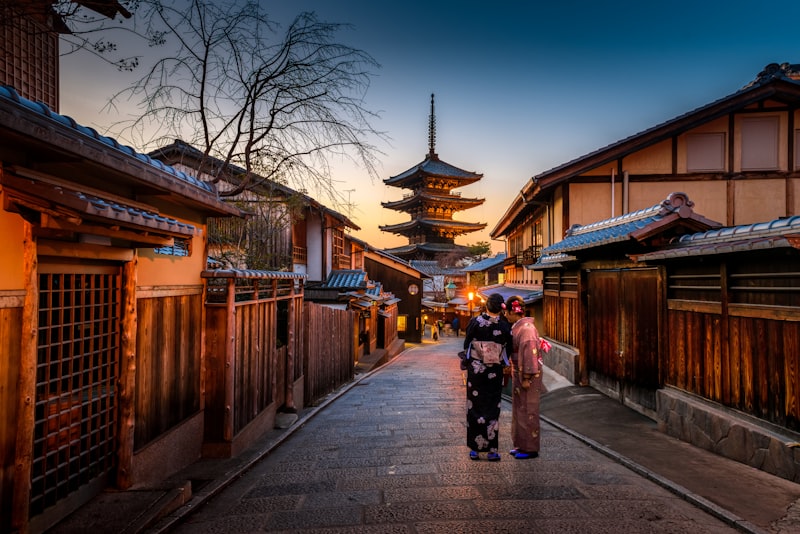
Getting to Arashiyama can be slightly confusing for first-time visitors because there is no single "Arashiyama Station." Instead, there are several stations operated by different railway companies (JR, Hankyu, Keifuku/Randen, and the Sagano Scenic Railway), spread out across the district.
Crucial Note on Walking Times: Do not rely on a single firm "X minutes" walking time from any one station to the Bamboo Grove or Togetsukyo Bridge as if it were an official, undisputed figure. No Kyoto City or Arashiyama/Saga tourist-association official page mandates an exact time. Independent travel sources disagree meaningfully depending on walking speed and crowd congestion. The travel time depends heavily on which train line you arrive by.
Flagged Note: Station Distance Comparison Table
Please note: The times listed below are estimated ranges compiled from multiple independent travel sources, highlighting the difference in proximity. Walking times will increase significantly during peak tourist seasons due to crowded sidewalks.
| Destination | Nearest Stations (Estimated Walking Time) | Furthest Common Stations (Estimated Walking Time) |
|---|---|---|
| Arashiyama Bamboo Grove | ~3–5 minutes (from Sagano Scenic Railway's Torokko Arashiyama Station OR Randen Keifuku Arashiyama Station) | Up to 12–17 minutes (from JR Saga-Arashiyama Station) |
| Togetsukyo Bridge | ~2–3 minutes (from Randen Keifuku Arashiyama Station) | 8–11 minutes (from Hankyu Arashiyama Station OR JR Saga-Arashiyama Station) |
If you plan to use multiple rail networks in Kyoto, ensuring you have the right transit card is vital. Read our comprehensive guide on What is the Best IC Card for Tourists in Japan 2026? | Suica vs Pasmo vs ICOCA to make navigating these different train lines seamless.
The Ultimate Combined Walking Route Map Description
To maximize your time in Arashiyama, we highly recommend executing a specific walking route: Togetsukyo Bridge → Bamboo Grove → Tenryu-ji → Nonomiya Shrine. This specific progression minimizes backtracking and ensures you experience the best transitions from expansive river views to dense forest, finishing with spiritual history.
Step 1: The Togetsukyo Bridge Begin your morning at the Togetsukyo Bridge. If arriving via Hankyu Arashiyama Station, you will cross the bridge from south to north, giving you spectacular views of the Arashiyama mountains rising above the Katsura River. Take your time to capture photos from the center of the span.
Step 2: Enter the Arashiyama Bamboo Grove After crossing the bridge and entering the main Arashiyama street (bustling with shops), head north. You will pass the Randen Arashiyama Station on your right. Shortly after, take a left turn onto the smaller paths that lead into the forest. As the concrete fades into dirt and stone, the towering green canopy swallows the sky. Since the bamboo grove is a free, 24-hour public path, you can enter seamlessly without queuing for a ticket gate.
Step 3: Tenryu-ji Temple via the North Gate Midway through your walk in the bamboo grove, you will encounter the North Gate of Tenryu-ji Temple. Entering here is a brilliant tactical move. You step straight from the dense bamboo into the breathtaking open expanse of the Hyakkaen (Garden of a Hundred Flowers) and the main Sogenchi Pond. Pay your garden entry fee (¥500 for adults/high school), stroll the carefully raked pebble beaches of the Zen garden, and view the main halls.
Step 4: Nonomiya Shrine (野宮神社) After exiting Tenryu-ji back into the bamboo grove (or walking up the main approach if you exit the front gate), proceed further into the forest until you hit Nonomiya Shrine. This small, deeply historical Shinto shrine is famous for its rare black torii gate made from unpeeled brushwood. Historically, it was the site where imperial princesses purified themselves before serving at the Grand Shrine of Ise. Today, visitors flock here to pray for good matches in marriage and safe childbirth.
Deep Dive: Arashiyama Dining & Shopping Spots for Tourists
You cannot experience Arashiyama without diving into its rich culinary and retail culture. The district is famous for Yudofu (a delicate Kyoto tofu hot pot), premium Uji matcha sweets, and traditional crafts. Because international travel is surging in 2026, many restaurants have adjusted their menus. Here is an exhaustive list of highly recommended, easily accessible spots with specific details.
1. Saga Tofu Ine (Main Store) - The Authentic Yudofu Experience
Kyoto's water is famously soft, making it ideal for producing smooth, high-quality tofu. Saga Tofu Ine is arguably the most accessible and delicious place to try this local specialty without booking a wildly expensive ryokan dinner. They serve gorgeous set meals featuring yudofu (simmered tofu), yuba (tofu skin), and matcha desserts.
- Estimated Price: Set meals range from ¥2,500 to ¥3,500.
- Hours: 11:00 AM – 6:30 PM (Last order 6:00 PM).
- Access: A 1-minute walk north from Randen Arashiyama Station on the main street.
2. % ARABICA Kyoto Arashiyama - Scenic Coffee
For specialty coffee lovers, this tiny, sleek glass box of a cafe sits right on the edge of the Katsura River, offering unmatched views of the water and mountains while you wait for your espresso. It is wildly popular, so expect a queue, but the single-origin beans and latte art make it worth the wait.
- Estimated Price: Lattes are approximately ¥550 - ¥650.
- Hours: 8:00 AM – 6:00 PM.
- Access: A 5-minute walk from Hankyu Arashiyama Station, situated just northwest of the Togetsukyo Bridge along the riverbank.
3. Arashiyama Yoshimura - Riverside Soba Noodles
If you prefer noodles to tofu, Yoshimura serves hand-made buckwheat soba in a stunning, traditional wooden building that overlooks the Togetsukyo Bridge. The artisans craft the noodles fresh daily, which you can often see them making through the glass window near the entrance.
- Estimated Price: Soba sets range from ¥1,600 to ¥2,500.
- Hours: 11:00 AM – 5:00 PM.
- Access: Located directly next to the northern end of Togetsukyo Bridge, right next to % Arabica coffee.
Traveling with dietary restrictions? Kyoto’s traditional cuisine can sometimes hide dashi (fish stock) or soy. Read our comprehensive Allergy Travel Japan | Nut Egg Dairy Free Dining with Translation Cards guide to dine safely.
4. Miffy Sakura Bakery
A fantastic stop for families or fans of cute characters. This bakery seamlessly blends traditional Kyoto aesthetics (think dark wood lattices and noren curtains) with adorable Miffy-themed pastries. Their signature item is the Miffy-shaped anpan (sweet red bean bun) and matcha cube breads.
- Estimated Price: Breads range from ¥300 to ¥500 each.
- Hours: 10:00 AM – 6:00 PM.
- Access: A 3-minute walk north of Randen Arashiyama Station on the main street leading up to Tenryu-ji.
5. Kotokiki Chaya - Historic Sakura Mochi
Operating for over a century, Kotokiki Chaya is the ultimate place to rest your feet and taste traditional Kyoto wagashi (sweets). They specialize in Sakura Mochi—sweet pink rice cakes wrapped in a pickled cherry blossom leaf. You eat the whole thing, balancing the sweet bean paste with the salty, fragrant leaf.
- Estimated Price: Matcha and Sakura Mochi tea set is around ¥700.
- Hours: 10:00 AM – 5:00 PM (Closed Thursdays).
- Access: Just steps away from the northern foot of the Togetsukyo Bridge.
6. Rilakkuma Sabo
Another fantastic character cafe blending Kyoto charm with pop culture. Here you will find curries shaped like Rilakkuma resting in an onsen, alongside an attached gift shop selling Arashiyama-exclusive Rilakkuma merchandise wrapped in traditional Nishijin weaving patterns.
- Estimated Price: Lunch sets around ¥1,500 - ¥2,000. Parfaits ¥1,200.
- Hours: 10:00 AM – 5:30 PM.
- Access: A 2-minute walk north of Randen Arashiyama Station.
7. Okochi Sanso Garden
Located exactly at the far end of the Arashiyama Bamboo Grove, this stunning villa was the former estate of samurai film actor Denjiro Okochi. Taking 30 years to build, the sprawling garden offers incredible, elevated viewpoints over the city of Kyoto and the Hozu River gorge, far away from the massive crowds of the bamboo path.
- Estimated Price: ¥1,000 admission (This uniquely includes a cup of hot matcha tea and a traditional sweet in their teahouse).
- Hours: 9:00 AM – 5:00 PM.
- Access: At the western terminus of the Arashiyama Bamboo Grove, a 15-minute walk from JR Saga-Arashiyama.
Curious about how much to budget for dining out versus grabbing a quick bite during your Kyoto trip? Check our 2026 breakdown: How Much Does Food Cost in Japan? 2026 Konbini vs Restaurant.
Practical Travel Tips for Arashiyama in 2026
1. Managing Kyoto’s Summer Heat Kyoto sits in a basin, making its summers notoriously humid and hot. If you visit the Bamboo Grove between June and September, you will sweat profusely. Protect yourself with high-quality UV gear. Read our guide on the Best Japanese Sunscreens 2026 | TOP5 for Western Travelers to pick up the right products at a local Kyoto pharmacy before you start trekking. You might also wonder about hydration—yes, the local water is excellent. Find out more in Can You Drink Tap Water in Japan? | City by City Guide 2026.
2. Beat the Crowds Because the Bamboo Grove is open 24 hours, the ultimate life-hack for your Arashiyama itinerary is to arrive at 6:30 AM or 7:00 AM. At this hour, the path is practically empty, offering you the pristine, quiet, unobstructed photography experience that you see on postcards. By 10:00 AM, the central path becomes heavily congested with tour groups, rickshaws, and sightseers. If you are visiting during the peak autumn season, take advantage of Tenryu-ji's special early-morning garden entry from 7:30 AM between November 14–30, 2026.
3. Cash vs. Card While larger restaurants like Arashiyama Yoshimura and chain cafes take credit cards and IC cards, many of the smaller street food vendors selling matcha ice cream or dango near the bamboo grove remain cash-only. Ensure you have physical yen before you arrive in the district. For a deep dive on payment methods, read Cash vs Card in Japan 2026: How Much Cash Do You Need?.
4. Rickshaw Etiquette You will see dozens of traditional pulled rickshaws (jinrikisha) operating around the Togetsukyo Bridge and parts of the bamboo path. They utilize specific designated lanes within the grove to avoid running over pedestrians. When walking the bamboo path, be mindful of the subtle rope barriers or signs instructing pedestrians to stay to one side, allowing the rickshaws to pass safely.
Final Thoughts on Exploring Arashiyama
A trip to the Arashiyama Bamboo Grove, Togetsukyo Bridge, and Tenryu-ji Temple offers one of the most culturally rewarding days you can spend in Japan. By arriving early to experience the 24-hour bamboo path in morning silence, mapping your walk efficiently to avoid backtracking, and knowing exactly how the ticketing systems and walking distances work, you will bypass the common tourist frustrations. From the majestic gaze of the Unryuzu dragon at Tenryu-ji to a steaming bowl of Yudofu beside the Katsura River, Western Kyoto awaits with open, historic arms in 2026.
FAQ
Q: How much does it cost to enter the Arashiyama Bamboo Grove?
The Arashiyama Bamboo Grove is a public path with no admission fee. It is completely free to enter and explore.
Q: What are the opening hours for the Arashiyama Bamboo Grove?
The Bamboo Grove is a public thoroughfare and is accessible 24 hours a day. Arriving early around 6:30 AM or 7:00 AM is highly recommended to avoid large crowds.
Q: How much is the admission fee for Tenryu-ji Temple?
Admission to the Tenryu-ji Garden is 500 yen for adults. Access to the main halls requires an additional 300 yen, and viewing the Cloud Dragon painting in the Dharma Hall costs another 500 yen.
Q: How long is the walk to the Bamboo Grove from the train station?
The walk takes about 3 to 5 minutes from Torokko Arashiyama or Randen Keifuku stations, but can take up to 17 minutes if you arrive at JR Saga-Arashiyama Station.
Q: What is the best walking route for Arashiyama?
To minimize backtracking, start at the Togetsukyo Bridge, walk through the Bamboo Grove, enter Tenryu-ji via the North Gate, and finish your tour at Nonomiya Shrine.