[Disclosure] This article contains affiliate links. We may earn a commission at no extra cost to you.

So, you've devoured the basic guides, perhaps even visited Japan as a tourist, and now the dream of a longer stay, working remotely from a bustling Tokyo cafe or a serene Kyoto machiya, has taken hold. You're not just looking for a holiday; you're seeking a lifestyle. In 2026, being a digital nomad in Japan isn't just a fantasy – it's a tangible reality, especially with the fully operational Digital Nomad Visa. This guide cuts through the tourist-brochure fluff, offering granular, honest insights into visa requirements, actual costs, the best cities beyond the usual suspects, and specific coworking spaces that truly cater to the remote worker. If you're ready to move past the superficial and understand the genuine ground truth of digital nomading in Japan, you've come to the right place.
What You'll Get From This Guide
- An in-depth look at the Digital Nomad Visa requirements and application process for 2026.
- Honest, projected 2026 cost of living breakdowns for Tokyo, Osaka, and Fukuoka.
- Specific recommendations for top-tier coworking spaces, including prices and locations.
- Local insights on what makes a city truly livable for a remote worker, beyond tourist attractions.
- Crucial advice on common pitfalls and local tips that mainstream guides overlook.
The Japan Digital Nomad Visa: 2026 Realities
The long-awaited Japan Digital Nomad Visa, initially launched in 2024, is fully streamlined by 2026, offering a 6-month stay with no possibility of extension or changing status to a long-term residency within Japan. This isn't a stepping stone to permanent residency, but a dedicated pathway for remote professionals from specific visa-exempt countries.
To qualify for the Digital Nomad Visa in 2026, applicants must meet several key criteria:
- Nationality: You must hold a passport from one of the approximately 50 countries/regions that have a visa exemption agreement with Japan. This typically includes most of North America, Europe, Australia, and parts of Asia. Always check the Ministry of Foreign Affairs of Japan's latest list.
- Income Requirement: A pre-tax annual income of at least ¥10 million (approximately ~$67,000 USD, assuming a ¥150/$1 USD exchange rate) is strictly required. This must be verifiable through bank statements, tax returns, or employment contracts from your remote employer outside Japan.
- Health Insurance: Proof of private health insurance coverage for the entire duration of your stay in Japan is mandatory. This must cover medical expenses and repatriation. National health insurance is generally not available for this visa category.
- Remote Work: You must be working remotely for a company based outside Japan, or be a self-employed individual with clients predominantly outside Japan. You cannot work for a Japanese employer on this visa.
- Dependents: Spouses and children can accompany the primary applicant, provided the primary applicant can demonstrate sufficient financial means to support them, and they also possess private health insurance.
The application process is handled at Japanese embassies or consulates in your home country. Expect to submit a comprehensive set of documents, including your passport, visa application form, a certificate of employment/business registration, income verification, and proof of health insurance. The processing time can range from 1 to 4 weeks, so plan accordingly. Do not arrive in Japan expecting to apply for this visa on arrival; it must be obtained beforehand.
Best Cities for Digital Nomads in Japan 2026
While Tokyo is the obvious choice, Japan offers several other cities that balance work, life, and unique cultural experiences without the capital's overwhelming pace or price tag. Here are our top picks for 2026, focusing on infrastructure, community, and cost.
Tokyo: The Global Hub (But with Nuances)
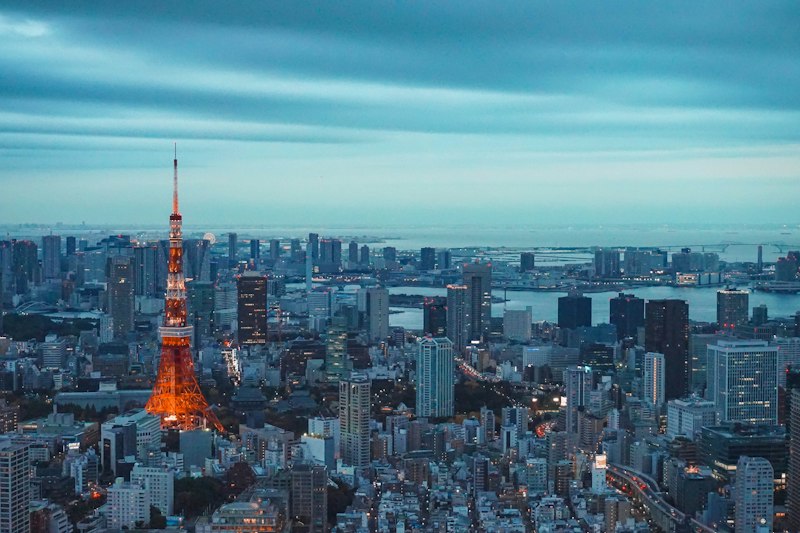
Tokyo remains a magnet for digital nomads due to its unparalleled connectivity, vibrant startup scene, and sheer number of coworking spaces. However, it's crucial to pick your neighborhood wisely. Shinjuku and Shibuya offer immense convenience but come with higher costs and tourist crowds.
- Recommended Neighborhoods:
- Meguro/Nakameguro: Offers a slightly more relaxed, chic atmosphere with excellent cafes and river views, yet still minutes from Shibuya. Rent is high, but the quality of life is superb.
- Koenji/Asagaya: A bit further out on the Chuo Line, these areas are known for their bohemian vibe, independent shops, and more affordable housing. They attract a younger, creative crowd.
- Ueno/Yanaka: More traditional and quieter, with parks, museums, and a strong sense of local community. Good access to Tokyo Station and Ginza.
- Average Monthly Rent (1K/studio apartment, 2026 Projection): ¥95,000 - ¥150,000 / ~$630 - ~$1,000 USD (depending on size and proximity to major stations).
- Common Misconception: Many tourists assume Tokyo is all about neon lights and crowds. While true in hubs like Shinjuku, vast residential areas offer quiet charm, green spaces, and a strong community feel. Don't limit your search to tourist maps.
Osaka: The Kansai Powerhouse
Osaka strikes a fantastic balance between urban excitement and approachability. Known for its distinct culture, friendly locals, and incredible food scene, it offers a high quality of life at a significantly lower cost than Tokyo. Its excellent transport links mean Kyoto, Nara, and Kobe are just a short train ride away for weekend escapes.
- Recommended Neighborhoods:
- Umeda/Kita-ku: Osaka's main business and shopping district, with ample coworking spaces and direct access to Shin-Osaka Station (Shinkansen).
- Namba/Minami: The entertainment heart, lively with Dotonbori and local eats. Great for those who like to be amidst the action.
- Nakazakicho: A charming, artsy neighborhood near Umeda, full of renovated traditional houses, independent cafes, and boutiques. Offers a quieter, local feel.
- Average Monthly Rent (1K/studio apartment, 2026 Projection): ¥65,000 - ¥95,000 / ~$430 - ~$630 USD.
- Local Tip: Osakans are renowned for their outgoing nature and love of humor ('owarai'). Don't be shy to strike up conversations, especially in local bars (izakayas) or coffee shops. You'll find a warmer reception than often stereotyped in Tokyo.
Fukuoka: The Northern Kyushu Gem
Often overlooked by first-timers, Fukuoka offers the perfect blend of city convenience and relaxed island living. It boasts a mild climate, beautiful beaches just a short bus ride away, a compact city center, and an incredibly affordable cost of living compared to Japan's larger metropolises. It's also a gateway to other Kyushu prefectures and even South Korea.
- Recommended Neighborhoods:
- Tenjin: The central business and shopping district. Highly convenient with lots of amenities and public transport.
- Hakata: Home to Hakata Station (Shinkansen) and a more traditional, slightly more subdued atmosphere. Great for foodies seeking local ramen and yakitori.
- Ohori Park/Chuo-ku: Offers proximity to a beautiful park and museum, providing a serene urban oasis. Good for those seeking tranquility within the city.
- Average Monthly Rent (1K/studio apartment, 2026 Projection): ¥50,000 - ¥75,000 / ~$330 - ~$500 USD.
- Overrated: While Fukuoka is famous for its yatai (food stalls), relying on them daily for meals can become pricey and isn't always the most diverse. Explore the numerous small izakayas and ramen shops off the main tourist routes for better value and authenticity.
Top Coworking Spaces & Cafes for Digital Nomads in 2026
Choosing the right workspace is crucial for productivity and community. Here are specific recommendations that cater to English-speaking nomads, including 2026 projected pricing.
Tokyo Coworking Hubs
- WeWork Shibuya Scramble Square:
- Location: Shibuya Scramble Square, 2-24-12 Shibuya, Shibuya-ku, Tokyo. Accessible directly from Shibuya Station (multiple lines). Located on various upper floors.
- Vibe: Premium, modern, global network. Excellent amenities, strong international community.
- Projected 2026 Price: Hot Desk ¥55,000 - ¥70,000 / ~$365 - ~$465 USD per month. Day Pass ¥5,000 - ¥6,500 / ~$33 - ~$43 USD.
- Impact Hub Tokyo:
- Location: 2-10-1 Nishiazabu, Minato-ku, Tokyo (7th floor). Nearest station: Roppongi Station (Tokyo Metro Hibiya Line/Toei Oedo Line), about 7 minutes walk.
- Vibe: Focus on social impact and innovation. Strong community feel, slightly more intimate than WeWork. Good for networking with entrepreneurs.
- Projected 2026 Price: Flex Desk ¥30,000 - ¥40,000 / ~$200 - ~$265 USD per month. Day Pass ¥3,000 - ¥4,000 / ~$20 - ~$27 USD.
Osaka Coworking & Cafe Spots
- The Blend (Umeda):
- Location: Grand Front Osaka North Building Tower B, 3-1 Ofukacho, Kita-ku, Osaka. Direct access from Osaka Station/Umeda Station.
- Vibe: Sleek, modern, and popular among local and international professionals. Offers good privacy pods and meeting rooms.
- Projected 2026 Price: Hot Desk ¥25,000 - ¥35,000 / ~$165 - ~$230 USD per month. Day Pass ¥2,500 - ¥3,500 / ~$17 - ~$23 USD.
- CoCo Office Namba:
- Location: Namba Parks Tower, 2-10-70 Nambanaka, Naniwa-ku, Osaka (30th floor). Direct access from Namba Station (various lines).
- Vibe: High-rise office with panoramic city views. Good for focused work, less emphasis on casual community.
- Projected 2026 Price: Hot Desk ¥28,000 - ¥38,000 / ~$185 - ~$250 USD per month. Day Pass ¥2,800 - ¥3,800 / ~$19 - ~$25 USD.
Fukuoka Coworking & Cafe Spots
- BasisPoint Hakata:
- Location: Hakata Ekimae Business Center, 2-11-20 Hakata Ekimae, Hakata-ku, Fukuoka (5th floor). 5 minutes walk from Hakata Station.
- Vibe: Business-oriented, clean, and reliable. Good for short-term stays or dedicated work periods.
- Projected 2026 Price: Hot Desk ¥20,000 - ¥30,000 / ~$130 - ~$200 USD per month. Hourly ¥500 / ~$3.30 USD.
- Glocal Cafe & Coworking (Tenjin):
- Location: IMS Building, 1-7-11 Tenjin, Chuo-ku, Fukuoka (B1F). Direct access from Tenjin Station.
- Vibe: More relaxed, cafe-style coworking. Popular with local students and freelancers. Can be a bit noisier but offers good social opportunities.
- Projected 2026 Price: Hourly ¥400 / ~$2.60 USD. Day Pass ¥1,800 - ¥2,500 / ~$12 - ~$17 USD.
Navigating Cost of Living in Japan (2026 Projections)
Understanding your expenses is paramount. While some costs like food are surprisingly reasonable, others like accommodation and transport can quickly add up. These are average monthly projections for a solo digital nomad in 2026, excluding the initial visa application fees and one-off setup costs.
| Category | Tokyo (Projection) | Osaka (Projection) | Fukuoka (Projection) |
|---|---|---|---|
| Rent (1K/Studio) | ¥110,000 / ~$730 USD | ¥80,000 / ~$530 USD | ¥60,000 / ~$400 USD |
| Utilities (Gas, Elec, Water, Internet) | ¥18,000 / ~$120 USD | ¥15,000 / ~$100 USD | ¥12,000 / ~$80 USD |
| Groceries | ¥30,000 / ~$200 USD | ¥28,000 / ~$185 USD | ¥25,000 / ~$165 USD |
| Eating Out (Mix of cheap & mid-range) | ¥45,000 / ~$300 USD | ¥40,000 / ~$265 USD | ¥35,000 / ~$230 USD |
| Public Transport | ¥10,000 / ~$65 USD | ¥8,000 / ~$55 USD | ¥6,000 / ~$40 USD |
| Coworking Space (Monthly Hot Desk) | ¥60,000 / ~$400 USD | ¥30,000 / ~$200 USD | ¥25,000 / ~$165 USD |
| Misc. (Leisure, shopping, etc.) | ¥35,000 / ~$230 USD | ¥30,000 / ~$200 USD | ¥25,000 / ~$165 USD |
| Total Estimated Monthly Expenses | ¥308,000 / ~$2,045 USD | ¥231,000 / ~$1,530 USD | ¥188,000 / ~$1,250 USD |
Note: Exchange rate used for calculation: ¥150 = $1 USD. Prices are 2026 projections based on current trends and may vary based on individual lifestyle and specific choices.
Initial Setup Costs
Beyond monthly expenses, don't forget the significant upfront costs for settling into Japan. These are rough estimates for a 2026 move:
| Category | Estimated Cost (Tokyo, 2026) | Notes |
|---|---|---|
| First Month's Rent | ¥110,000 / ~$730 USD | |
| Deposit (Shikikin) | 1-2 months' rent | Often refundable (partially) at end of lease. |
| Key Money (Reikin) | 0-1 month's rent | Non-refundable, less common now but still exists. Aim for no-reikin apartments. |
| Agency Fee | 0.5-1 month's rent + 10% tax | For real estate agents. |
| Guarantor Company Fee | 0.5-1 month's rent | Often required for foreigners; acts as a proxy guarantor. |
| Furniture/Appliances | ¥50,000 - ¥200,000 / ~$330 - ~$1,330 USD | Depends on if your apartment is furnished (rare) or you buy second-hand. |
| Flights (Round-trip) | ¥120,000 - ¥250,000 / ~$800 - ~$1,660 USD | Varies heavily by origin and booking time. |
| Travel Insurance | ¥20,000 - ¥50,000 / ~$130 - ~$330 USD | Essential for visa and peace of mind. |
| Total Initial Setup | ¥400,000 - ¥800,000+ / ~$2,660 - ~$5,330+ USD | (Excluding flight/insurance, and assuming 1 month deposit, no key money, 0.5 month agency fee) |
This means you'll likely need a significant buffer before even starting your remote work in Japan. Most apartments require a Japanese guarantor or a guarantor company, which adds to the initial costs. Searching for "initial costs free" or "no guarantor needed" apartments can mitigate some of these expenses.