[PR] This article contains affiliate links.
Welcome, discerning traveler, to the ultimate guide for luxury treasure hunting in Japan. Forget the fleeting trends of fast fashion; your 2026 Japanese journey is about to become a quest for timeless elegance. Japan is, without exaggeration, the global epicenter for pre-owned luxury goods. It's a place where "second-hand" doesn't mean second-best—it means meticulously cared-for, rigorously authenticated, and, thanks to favorable economic winds, astonishingly well-priced.
Imagine finding a pristine 1990s Rolex Datejust, its steel gleaming as if it just left the factory, for a price that would be unthinkable back home. Picture yourself walking out of a chic Omotesando boutique with a vintage Chanel flap bag, its 24k gold-plated hardware possessing a warmth modern versions lack. This isn't a fantasy. This is shopping in Japan.
This guide is your master key. We will unlock the secrets of this incredible market, taking you from the glittering department-store-like halls of Komehyo to the jam-packed shelves of Daikokuya. We'll navigate the world-famous Chanel walls of AMORE Vintage, dive deep into the watch mecca of Nakano Broadway, and reveal the insider tips you need to secure your holy grail item. Prepare your passport for tax-free savings and make room in your suitcase—your luxury adventure starts now.
Why Japan is the World's Best Destination for Vintage Luxury Shopping in 2026
Before we dive into the specific stores and neighborhoods, it's crucial to understand why Japan holds this undisputed title. It's a unique convergence of culture, economics, and law that creates the perfect environment for finding authentic, high-quality luxury goods.
The Culture of "Mottainai" and Meticulous Care
At the heart of Japanese society is the concept of mottainai (もったいない), a deep-seated regret concerning waste. This philosophy extends to physical possessions. Japanese owners treat their luxury items with an almost reverential level of care. Bags are stored in dust bags with paper stuffing to maintain their shape, watches are serviced regularly, and clothing is kept impeccably clean. When these items eventually enter the resale market, they are often in a condition that would be classified as "like new" anywhere else in the world.
Ironclad Authentication Processes: Your Shield Against Fakes
Japan has some of the strictest laws against counterfeit goods in the world. The business of selling fakes is not just frowned upon; it can lead to severe legal penalties and financial ruin for a store. Consequently, major second-hand retailers have developed multi-layered, in-house authentication processes. Teams of brand-specific experts meticulously examine every stitch, stamp, and serial number. The pride these authenticators take in their work is immense. Buying from a reputable Japanese dealer is arguably safer than buying from a private seller on any online platform in the West.
The Weak Yen Advantage (Projected for 2026)
While currency markets are fluid, the trend of a weaker Japanese Yen against major currencies like the US Dollar and Euro has held strong through the mid-2020s. For tourists, this translates into direct and significant purchasing power. A bag priced at ¥300,000 might have been $2,700 a few years ago, but in the current climate, it could be closer to $1,900. This currency advantage, combined with tax-free shopping, creates a value proposition that is simply unmatched.
Tax-Free Shopping: An Instant 10% Discount
For foreign tourists on a temporary visitor visa, Japan offers tax-free shopping on purchases over ¥5,000. This is an instant 10% discount on the ticket price at most major retailers. The process is seamless:
- Bring Your Passport: You must present your physical passport (no photocopies) at the time of purchase.
- Purchase: The store will process the tax exemption at a dedicated counter or directly at the register.
- No Hassle: Unlike systems in Europe, you don't need to claim your tax back at the airport. The discount is applied instantly.
This simple process makes every luxury purchase even more attractive. For more general tips on tax-free shopping at other popular stores, check out our Don Quijote Shopping Guide | Late Night Tax-Free Discounts.
The Titans of Second-Hand Luxury: Japan's Major Chains
Your journey will likely begin at one of the "Big Three" chains. These are large, reputable, and offer a fantastic baseline for selection and pricing. They are the perfect entry point for both first-time buyers and seasoned collectors.
Komehyo (コメ兵): The Department Store of Pre-Owned Luxury
Think of Komehyo as the Saks Fifth Avenue or Harrods of second-hand. The shopping experience is polished, professional, and reassuringly high-end. Items are beautifully displayed in glass cases, clearly tagged with prices and a condition rank. Their staff are knowledgeable and the selection is vast, covering everything from handbags and watches to fine jewelry and designer apparel. Komehyo is the ideal place to start, as you can see hundreds of items from various brands under one roof, allowing you to easily compare models and conditions.
- What to Look For: Classic Louis Vuitton models (Speedy, Neverfull), a wide range of Chanel bags, entry-level luxury watches (Omega, Tag Heuer), and Tiffany & Co. jewelry.
- Price Level: Fair market value. Not the cheapest, but you pay for the pristine shopping experience, guaranteed authenticity, and vast selection.
Featured Location: Komehyo Shinjuku Store
This is their flagship, a multi-story mecca for luxury lovers. Each floor is dedicated to different categories, making it easy to navigate. You can easily spend half a day here.
-
Access: A 5-minute walk from Shinjuku Station's Southeast Exit or a 1-minute walk from Shinjuku-Sanchome Station Exit E4.
-
Address: 3 Chome-5-6 Shinjuku, Shinjuku City, Tokyo 160-0022, Japan
-
Hours: 11:00 AM - 8:00 PM
-
Google Map:
-
Price Examples (2026 Estimates):
- Louis Vuitton Speedy 25 in Monogram (A-Rank): ¥95,000 - ¥140,000
- Rolex Datejust 36 (Steel, 1990s model, AB-Rank): ¥750,000 - ¥980,000
- Chanel Medium Classic Flap (Lambskin, B-Rank): ¥850,000 - ¥1,250,000
Daikokuya (大黒屋): The Pawn Shop Powerhouse
Daikokuya presents a more traditional, high-density shopping experience. While some branches operate as ticket resellers, their main stores are treasure chests overflowing with luxury goods. The vibe is less "department store" and more "high-end pawn shop," with shelves packed to the ceiling. This is where you come to hunt. Their prices are often slightly more competitive than Komehyo's, and they are particularly renowned for their extensive collection of watches and Hermès bags.
- What to Look For: Vintage and modern Rolex, Patek Philippe, Audemars Piguet. A strong selection of Hermès Birkin and Kelly bags. Classic Louis Vuitton travel pieces.
- Price Level: Very competitive. Often slightly lower than Komehyo for comparable items.
Featured Location: Daikokuya Shinjuku Main Store
Located on the edge of the vibrant Kabukicho district, this store is a must-visit. Don't be intimidated by the busy surroundings; inside is a safe and professional environment filled with incredible finds.
-
Access: A 6-minute walk from Shinjuku Station's East Exit.
-
Address: 1 Chome-18-1 Kabukicho, Shinjuku City, Tokyo 160-0021, Japan
-
Hours: 11:00 AM - 9:00 PM
-
Google Map:
-
Price Examples (2026 Estimates):
- Rolex Submariner (No-Date, Ref. 14060M): ¥1,150,000 - ¥1,450,000
- Hermès Birkin 30 (Togo leather, A-Rank): ¥2,600,000 - ¥3,600,000
- Louis Vuitton Keepall 55 (Monogram, B-Rank): ¥100,000 - ¥150,000
Brand Off (ブランドオフ): Ginza's Luxury Hub
Brand Off strikes a balance between Komehyo's polish and Daikokuya's extensive inventory. With a strong presence in the ultra-luxe Ginza district, their stores feel elegant and exclusive. They are particularly strong in high-demand brands like Hermès and Chanel and often carry a selection of "shimpin" (新品), which are unused items, sometimes with the original store tags still attached.
- What to Look For: Unused or mint-condition Hermès bags, rare Chanel pieces, and high-end jewelry from Cartier and Van Cleef & Arpels.
- Price Level: Premium, reflecting their prime locations and the high quality of their inventory.
Featured Location: Brand Off Ginza Main Store
Shopping here feels like a true luxury experience. The displays are immaculate, and the staff offers impeccable service, befitting the Ginza neighborhood.
- Access: A 2-minute walk from Ginza Station (Exits A2, B3) or a 5-minute walk from JR Yurakucho Station.
- Address: 5 Chome-5-9 Ginza, Chuo City, Tokyo 104-0061, Japan
- Hours: 11:00 AM - 8:00 PM
- Google Map:
Neighborhood Deep Dive: Where to Hunt for Specific Styles
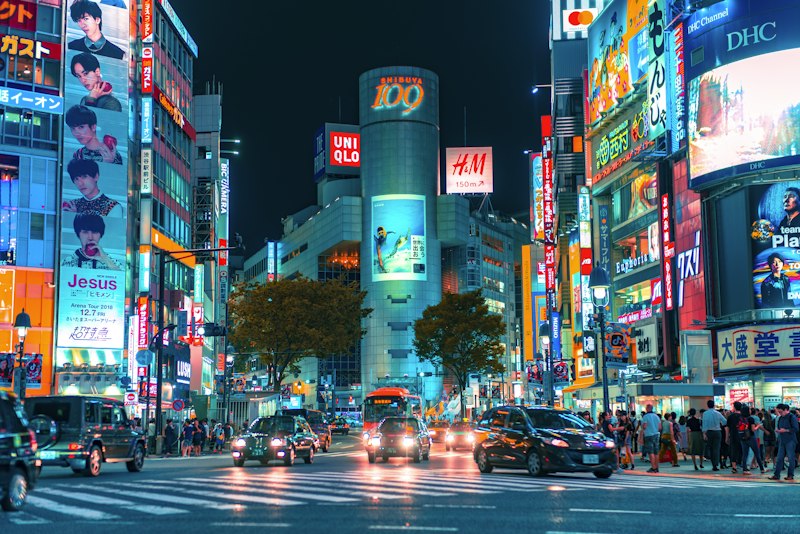
While the big chains are scattered throughout the city, certain neighborhoods have developed their own unique vintage shopping identity. Choosing where to go depends on what you're looking for.
Omotesando & Harajuku: For the Hype and the Rare Chanel
This area is the beating heart of Tokyo's fashion scene. The vibe is trendy, curated, and decidedly cool. The stores here are less about finding a bargain and more about discovering a unique, iconic piece that will define your collection.
Must-Visit Store: AMORE Vintage Tokyo
AMORE is arguably the most famous vintage luxury store in Japan, and for good reason. It’s an institution, a pilgrimage site for lovers of vintage Chanel. They have two locations in Omotesando just a short walk from each other: one dedicated to Chanel and other brand bags/accessories, and another focusing on vintage designer apparel. The main store's floor-to-ceiling "Chanel wall" is an Instagram icon, but the collection lives up to the hype.
-
What Makes It Special: An unparalleled, museum-quality collection of vintage Chanel, from '80s and '90s classics to ultra-rare runway pieces. They also have a fantastic selection of vintage Hermès, Louis Vuitton, and Céline.
-
Main Store (Bags & Accessories)
- Access: A 7-minute walk from Omotesando Station (Exit A2) or a 10-minute walk from Meiji-jingumae 'Harajuku' Station.
- Address: 5 Chome-1-6 Jingumae, Shibuya City, Tokyo 150-0001, Japan
- Hours: 11:00 AM - 9:00 PM
- Google Map:
-
Price Examples (2026 Estimates):
- Vintage Chanel Diana Flap Bag: ¥750,000 - ¥1,100,000
- Chanel CC Logo Faux Pearl Earrings: ¥90,000 - ¥180,000
- Rare Hermès Kelly Doll (Quelle Idole): Price upon request, but expect upwards of ¥8,000,000
Must-Visit Store: Ragtag Harajuku
While not exclusively a luxury store, Ragtag is a giant in the world of high-end consignment. This is where you hunt for designer clothing. It's meticulously organized by brand and style, featuring everything from Japanese avant-garde masters to contemporary streetwear grails.
- What to Look For: Comme des Garçons, Yohji Yamamoto, Issey Miyake, Supreme, Off-White, Balenciaga, and Gucci. An excellent place to find high-end Japanese designer pieces at a fraction of their original cost.
- Access: A 5-minute walk from Meiji-jingumae 'Harajuku' Station or an 8-minute walk from JR Harajuku Station.
- Address: 6 Chome-14-2 Jingumae, Shibuya City, Tokyo 150-0001, Japan
- Hours: 11:00 AM - 8:00 PM
- Google Map:
Shinjuku: The All-in-One Powerhouse
If you only have one day for luxury hunting, make it Shinjuku. This sprawling district is the definition of a one-stop-shop. It hosts the massive flagships of Komehyo and Daikokuya, alongside dozens of smaller second-hand stores and the high-end watch sections within major department stores like Isetan. The sheer density of stores creates a competitive environment, which is great for buyers. After a long day of shopping, you'll be spoiled for choice with dining options, from quick ramen bowls to exquisite multi-course meals.
Ginza: The Epitome of Elegance
Ginza is Tokyo's answer to Fifth Avenue or the Champs-Élysées. It's the city's most prestigious shopping district, and the second-hand stores here reflect that. The experience is refined, the items are of the highest quality, and the focus is on top-tier brands. This is where you go when you are hunting for an Hermès Birkin or a piece of high jewelry from a legendary maison.
Must-Visit Store: Ginza Xiaoma (銀蔵)
While they carry other brands, Ginza Xiaoma has carved a niche as one of Tokyo's premier destinations for pre-owned Hermès. Their expertise is second to none, and their collection of Birkin, Kelly, and Constance bags is breathtaking. If you are a serious Hermès collector, this store is a non-negotiable stop.
- What Makes It Special: Deep specialization in Hermès. The staff can discuss the nuances of different leathers, colors, and stamp years with incredible authority.
- Access: Located in the heart of Ginza, just a 3-minute walk from Ginza Station.
- Address: 6 Chome-7-18 Ginza, Chuo City, Tokyo 104-0061, Japan
- Hours: 11:00 AM - 8:00 PM
- Google Map:
Your Brand-Specific Hunting Guide
While browsing is part of the fun, many shoppers arrive in Japan with a specific "grail" in mind. Here’s a deep dive into hunting for the most sought-after brands.
Hunting for a Vintage Rolex in Japan
Japan is a paradise for watch collectors. The local market is mature and sophisticated, with a deep appreciation for horology. This means you'll find a massive selection of pre-owned Rolex watches, often in exceptional "full set" condition (with original box and papers).
- What to Look For:
- Condition: Japanese sellers are incredibly transparent. Look for descriptions of "kizu" (scratches) and whether the watch has been polished. An "unpolished" case is often more desirable for collectors.
- Models with Great Value: Classic 36mm Datejusts (e.g., Ref. 16234), five-digit sport models like the Explorer I (Ref. 14270) and Submariner (Ref. 14060M) offer a fantastic blend of vintage charm and modern reliability.
- Top Destination: Nakano Broadway A short train ride from Shinjuku, Nakano Broadway is a legendary complex for otaku culture, but its third floor is a world-renowned hub for luxury watches. Two stores, facing each other in friendly competition, are the main event.
Jackroad
One of the most famous watch stores in Asia. Their inventory is immense, covering everything from vintage Rolex to contemporary independent brands. Their website is updated daily, so you can check their stock before you visit.
Kamekichi (かめ吉)
Located directly opposite Jackroad, Kamekichi is their biggest rival. They are known for aggressive pricing and a fantastic selection of their own. The best strategy is to price your desired watch at both stores before making a decision.
-
Access to Nakano Broadway: A 5-minute walk from Nakano Station's North Exit. Nakano Station is just a 4-minute train ride from Shinjuku Station on the JR Chuo Line (Rapid).
-
Address: 5 Chome-52-15 Nakano, Nakano City, Tokyo 164-0001, Japan
-
Hours (for most watch stores): ~11:00 AM - 8:00 PM
-
Google Map:
-
Price Check (2026 Estimates):
- Rolex Explorer I (Ref. 114270): ¥850,000 - ¥1,050,000
- Omega Speedmaster Professional (Modern): ¥650,000 - ¥850,000
Finding Your Dream Louis Vuitton Bag
Louis Vuitton is ubiquitous in Japan, and this is fantastic news for second-hand shoppers. The sheer volume of LV on the market means the selection is unparalleled and prices are highly competitive. The durable Monogram and Damier canvases age beautifully, so even 20-year-old bags can be found in excellent condition.
- What to Look For:
- Vachetta Leather Patina: The untreated leather handles and trim on Monogram bags develop a patina over time. A light, even honey color is the most desirable.
- Discontinued Gems: This is your chance to find beloved models that are no longer in production, like the Tivoli, Popincourt, or the classic Looping bag.
- Top Stores for LV:
- Komehyo: Their multi-floor stores are the best place to see the widest variety of LV models and compare conditions side-by-side.
- Daikokuya: Often has slightly better pricing on common models like the Speedy and Neverfull.
- Bargain Hunting Ground: Bookoff Super Bazaar For the adventurous hunter, these massive suburban superstores are a goldmine. Primarily known for books and electronics, their "Super Bazaar" locations have a surprisingly large luxury section. You'll have to dig, but the prices can be the best in Japan.
Location Spotlight: Bookoff Super Bazaar Machida
While it requires a short trip from central Tokyo, this is a prime example of a treasure-hunting destination.
-
Description: A massive, multi-level store with a dedicated luxury goods floor. The prices here can be significantly lower than in Shinjuku or Ginza.
-
Access: Take the Odakyu Odawara Line Express from Shinjuku Station to Machida Station (approx. 35 minutes). The store is a 5-minute walk from the station.
-
Google Map:
-
Price Check (2026 Estimates):
- LV Neverfull MM (Damier Ebene, Good condition): ¥130,000 - ¥170,000
- Vintage LV Keepall 50 (Monogram): ¥70,000 - ¥110,000