[Disclosure] This article contains affiliate links. We may earn a commission at no extra cost to you.

You’ve explored Shibuya crossing, scaled Tokyo Skytree, and navigated the bustling markets. The sun has set, dinner has been eaten, and you’re starting to hear murmurs about the "last train." For many first-time visitors, this signals the end of their Tokyo day, an assumption that Japan's meticulously organized capital simply shuts down after 1 AM. But for the discerning traveler who's already seen the standard sights, understanding Japan's true late-night culture means unlocking a different city entirely – one that hums with unique energy, local traditions, and hidden gems long after the major tourist spots close. This guide cuts through the generic advice to show you exactly how to navigate, enjoy, and truly experience Tokyo after midnight, providing real-world 2026 prices and specific recommendations to extend your adventure.
What you'll learn here isn't just a list of open establishments; it's an exploration of a uniquely Japanese way of life. We'll show you how to truly experience the city when the crowds thin, the neon glows brighter, and the rhythm of Tokyo shifts to a more intimate, local beat.
What You'll Get From This Guide
- Specific, up-to-date 2026 pricing for late-night ramen, karaoke, bar entry, and taxi fares.
- Exact locations and opening hours for 24/7 eateries, karaoke boxes, and post-midnight entertainment hubs.
- Detailed strategies for navigating Tokyo's transport system after the last train, including cost-effective alternatives.
- Unvarnished truths about common tourist pitfalls in entertainment districts and how to avoid them.
- Local insights and etiquette tips for enjoying Tokyo's nightlife responsibly and authentically.
- Recommendations for the best districts to explore if you plan to stay out until the first train.
Navigating the Midnight Maze: Tokyo's Post-Last Train Reality
One of the biggest misconceptions about Tokyo is that public transport runs all night. It doesn't. The "shuuden" (終電) or last train is a critical deadline, typically running until around 12:30 AM to 1:15 AM, depending on the line and day of the week. Missing it isn't the end of the world, but it dramatically changes your options and budget for getting home.
The Shuuden Scramble and What Comes After
Tokyo's last trains are notoriously crowded as people rush to beat the clock. For example, the Yamanote Line typically finishes its circuit around 1:00 AM on weekdays. If you're out past this, you have three primary choices:
- Embrace the "First Train Wait": Join locals who intentionally stay out until the first trains start running again, usually around 5:00 AM. This is a common and culturally accepted practice.
- Splurge on a Taxi/Ride-Share: The most convenient, but by far the most expensive, option.
- Find Overnight Accommodation: A dedicated hotel, capsule hotel, or even a manga kissa (manga cafe) for a few hours of rest.
Tourist Mistake #1: Assuming you can just hop on a train at 2 AM. Always check the last train times for your specific route using apps like Japan Transit Planner (Jorudan) or Google Maps.
Taxis & Ride-Sharing: Your 2026 Options and Costs
Taxis are plentiful in major districts like Shinjuku, Shibuya, and Roppongi. Be aware that fares increase by 20-30% between 10:00 PM and 5:00 AM.
- Base Fare (standard small sedan, daytime): ¥500-700 / ~$3.40-4.70 USD for the first 1.05 km, then ¥100 / ~$0.68 USD per 237m.
- Night Surcharge (20%): A short ride from Shibuya Station to Shinjuku Station (approx. 5-6 km) will cost roughly ¥3,000-¥4,000 / ~$20-27 USD after midnight, depending on traffic.
- Longer rides: From central Tokyo to Haneda Airport could be ¥9,000-¥12,000 / ~$60-80 USD, and to Narita Airport ¥20,000-¥25,000 / ~$135-170 USD.
- Ride-sharing apps like Uber (which partners with local taxi companies) and Japan's Go Taxi or S.RIDE are available, but Uber often has fewer drivers and comparable or higher prices than hailing a standard taxi on the street during peak late-night hours.
Fueling Up: Post-Midnight Dining Beyond Convenience Stores
Tokyo’s culinary scene doesn't shut down with the trains. From piping hot ramen to traditional izakaya fare, delicious and authentic options abound.
Ramen: Tokyo's Ultimate Late-Night Comfort
Nothing quite hits the spot after a long night like a bowl of ramen.
- Ichiran Ramen (一蘭ラーメン): Famous for its "flavor concentration booths," allowing you to customize your ramen and slurp in peace. Many branches are open 24/7, including key locations like Ichiran Shibuya Store (Jinnan, Shibuya-ku, open 24/7) and Ichiran Shinjuku Chuo-Higashiguchi Store (Kabukicho, Shinjuku-ku, open 24/7). A standard tonkotsu ramen costs around ¥1,200 / ~$8 USD.
- Afuri (AFURI): Known for its lighter, yuzu-infused broths. The Roppongi store (Roppongi, Minato-ku) is open until 4:00 AM on most nights. Expect to pay around ¥1,350 / ~$9 USD for their signature Yuzu Shio Ramen.
- Local Tip: Always use the ticket machine (食券機, shokkenki) at the entrance to order and pay before finding a seat.
Izakaya Culture: Lingering Longer
While many izakayas close by 1-2 AM, some in major entertainment districts stay open later, especially on weekends.
- Shinjuku Omoide Yokocho (思い出横丁): This atmospheric "Memory Lane" is home to tiny yakitori and izakaya stalls. While some close around midnight, a few, like Nikuichi (肉一), might operate until 2:00 AM or 3:00 AM depending on demand. Expect to pay from ¥250 / ~$1.70 USD per yakitori skewer, and a meal with drinks could be ¥3,000-¥5,000 / ~$20-34 USD. It's small, often smoky, and incredibly authentic.
- Shinjuku Golden Gai (新宿ゴールデン街): A maze of over 200 tiny bars, many with unique themes and seating only a handful of people. Some bars here are open until the first train, specifically targeting night owls. Bars like Bar Darling or La Jetée typically have a cover charge of ¥800-¥1,500 / ~$5-10 USD, with drinks starting from ¥800-¥1,200 / ~$5-8 USD. Look for "No Cover Charge" signs if you're on a budget, but often the cover is part of the experience and helps support these unique establishments.
Gyudon & Family Restaurants: Budget-Friendly Bites
For quick, hot, and cheap meals, these chains are your best friends after midnight.
- Sukiya (すき家), Yoshinoya (吉野家), Matsuya (松屋): These "gyudon" (beef bowl) chains are ubiquitous and almost universally open 24/7. A regular gyudon costs approximately ¥500 / ~$3.40 USD. They offer quick service and are perfect for a solo, no-frills meal.
- Jonathan's (ジョナサン) & Denny's (デニーズ): Japan's family restaurants (famiresu) offer a wider menu, from Western-style dishes to Japanese sets. Many are open until 2-4 AM, and some are 24/7. They're great for lingering with friends over a coffee (from ¥400 / ~$2.70 USD) or a full meal (sets from ¥1,000-¥1,800 / ~$6.80-12 USD). The Denny's Shibuya Dogenzaka branch is open 24/7.
Late-Night Entertainment: Beyond the Clubs
Tokyo offers diverse entertainment options that thrive after the city's main attractions close.
Karaoke: Belt Out Tunes Until Dawn
Karaoke is the quintessential Japanese late-night activity, perfect for groups or even solo travelers.
- Big Echo (ビッグエコー), Joysound (ジョイサウンド), Karaokekan (カラオケ館): These major chains have multiple branches in Shinjuku, Shibuya, and Ikebukuro, many operating 24/7 or until 5:00 AM.
- Pricing (Weekdays, Post-Midnight): Expect to pay around ¥500-¥800 / ~$3.40-5.40 USD per person for 30 minutes. Many offer "free time" (フリータイム) packs, which give you 3-5 hours for ¥2,500-¥4,000 / ~$17-27 USD per person, often with a mandatory one-drink purchase or "nomihoudai" (all-you-can-drink) option included.
- Local Tip: Request a room with English song selections (usually labeled "洋楽" - yōgaku).
Manga Kissa (Manga Cafes) & Internet Cafes: Your Overnight Hub
If you miss the last train and don't want to splurge on a taxi or a hotel, a manga kissa is a surprisingly comfortable and affordable option to wait out the night.
- Manboo! (まん喫マンボー), Popeye (コミックバスター): These chains offer private booths with reclining chairs, computers with internet access, unlimited manga (Japanese only, mostly), and a free-drink bar.
- Pricing: A 3-hour pack can start from ¥1,200 / ~$8 USD. Overnight packs (e.g., 8 hours) range from ¥2,500-¥4,000 / ~$17-27 USD. Showers are often available for an extra fee (around ¥300 / ~$2 USD).
- Key Locations: You'll find numerous branches near major stations in Shinjuku, Shibuya, and Ikebukuro. The Manboo! Shinjuku Kabukicho branch is open 24/7 and popular with locals and budget travelers.
Bars & Pubs: Finding Your Vibe
Beyond Golden Gai, other districts offer distinct bar experiences.
- Roppongi: Known for its more international and club-centric scene. Clubs like V2 Tokyo (Roppongi, Minato-ku) often stay open until 5:00 AM. Expect a cover charge of ¥3,000-¥6,000 / ~$20-40 USD (often including 1-2 drinks) and drinks from ¥1,000-¥1,500 / ~$7-10 USD. Be cautious of touts in Roppongi; stick to well-known establishments.
- Shibuya Dogenzaka: This area is bustling with smaller bars, live music venues, and izakayas that cater to a younger crowd. Places like Rock no Cocoro (ロックのこころ) in Dogenzaka often remain open until 5:00 AM, offering a more relaxed rock bar atmosphere with no cover charge and drinks from ¥700 / ~$4.70 USD.
Specific Tokyo Districts That Never Sleep
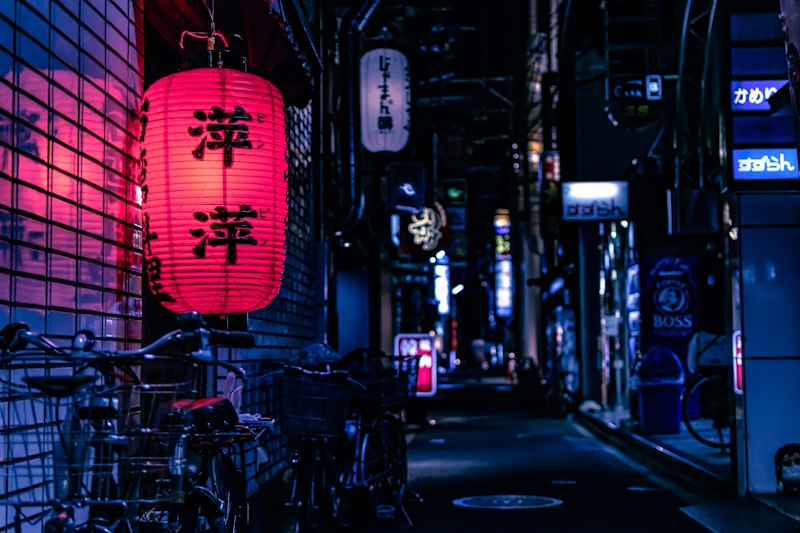
While areas like Ginza quiet down considerably, certain districts remain vibrant after midnight.
Shinjuku: The Ultimate Late-Night Playground
Shinjuku is arguably Tokyo's most concentrated late-night hub.
- Kabukicho: Tokyo's famous red-light district, but also home to countless karaoke boxes, izakayas, host/hostess clubs, and the Robot Restaurant (though it closes before midnight). While notoriously lively, it can also be overwhelming for first-timers due to touts. Stay aware, stick to main streets, and enter establishments clearly displaying prices.
- Golden Gai & Omoide Yokocho: As mentioned, these offer unique, traditional bar and dining experiences.
- Shinjuku-sanchome: Just east of the station, this area has a mix of upscale bars, gay bars, and more modern izakayas that can run quite late, often until 3-4 AM.
Shibuya: Youthful Buzz After Hours
Shibuya, while famous for its crossing, transforms into a nightlife zone around Dogenzaka.
- Dogenzaka: Known for its love hotels, live houses, and many bars and clubs that cater to a youthful crowd. The area has many small, independent bars staying open until the morning.
- Center Gai: While its shops and many restaurants close by midnight, some karaoke places and izakayas here will operate late.
Roppongi: International & Energetic
Roppongi caters to a more international crowd and is known for its clubs and expat bars. It's often the last district to truly quiet down in Tokyo. While vibrant, it's also the area where tourists are most likely to encounter inflated prices or aggressive touts, particularly around its major clubs.
Safety, Etiquette, and What Tourists Get Wrong
Tokyo is famously safe, but post-midnight adds a few nuances.
Solo Travel & Safety Post-Midnight
Tokyo maintains an exceptionally low crime rate, making it one of the safest major cities in the world for solo travelers, including women, even after dark.
- Common Sense: While serious crime is rare, basic precautions apply. Avoid completely deserted alleys. Keep an eye on your belongings.
- Scams in Kabukicho/Roppongi: The primary risk isn't violent crime, but being ripped off. Avoid bars where touts (often foreign, but sometimes Japanese) aggressively solicit you on the street, especially in Kabukicho and Roppongi. These "gaijin hunter" establishments might lure you in with cheap drink promises only to present an exorbitant bill later. Stick to well-reviewed bars, major chains, or places with clear, visible pricing.
- Local Tip: If someone is overly friendly and persistent on the street trying to get you into a bar, politely decline and keep walking. Trust your gut.
Navigating Japan's Unwritten Rules
Japanese etiquette extends into the late hours.
- Noise Levels: While Tokyo is a busy city, public spaces after midnight often quiet down. Keep your voice down, especially when walking through residential areas, out of respect for residents. Excessive loudness is considered impolite.
- Trash: Public trash cans are rare in Japan. You're expected to carry your trash with you until you can dispose of it properly. Do not litter, even if you see others doing so (which is rare).
- Drinking Moderation: While drinking is a big part of late-night culture, getting excessively drunk or causing a public disturbance is heavily frowned upon and can lead to trouble. Enjoy yourself, but know your limits.
- Overrated: Many tourists assume that if they miss the last train, their only option is an expensive taxi or to return to their hotel immediately. This overlooks the rich and varied "first train wait" culture of Tokyo, which can be a unique and memorable experience in itself. Planning for it opens up more genuine interactions.