[Disclosure] This article contains affiliate links. We may earn a commission at no extra cost to you.
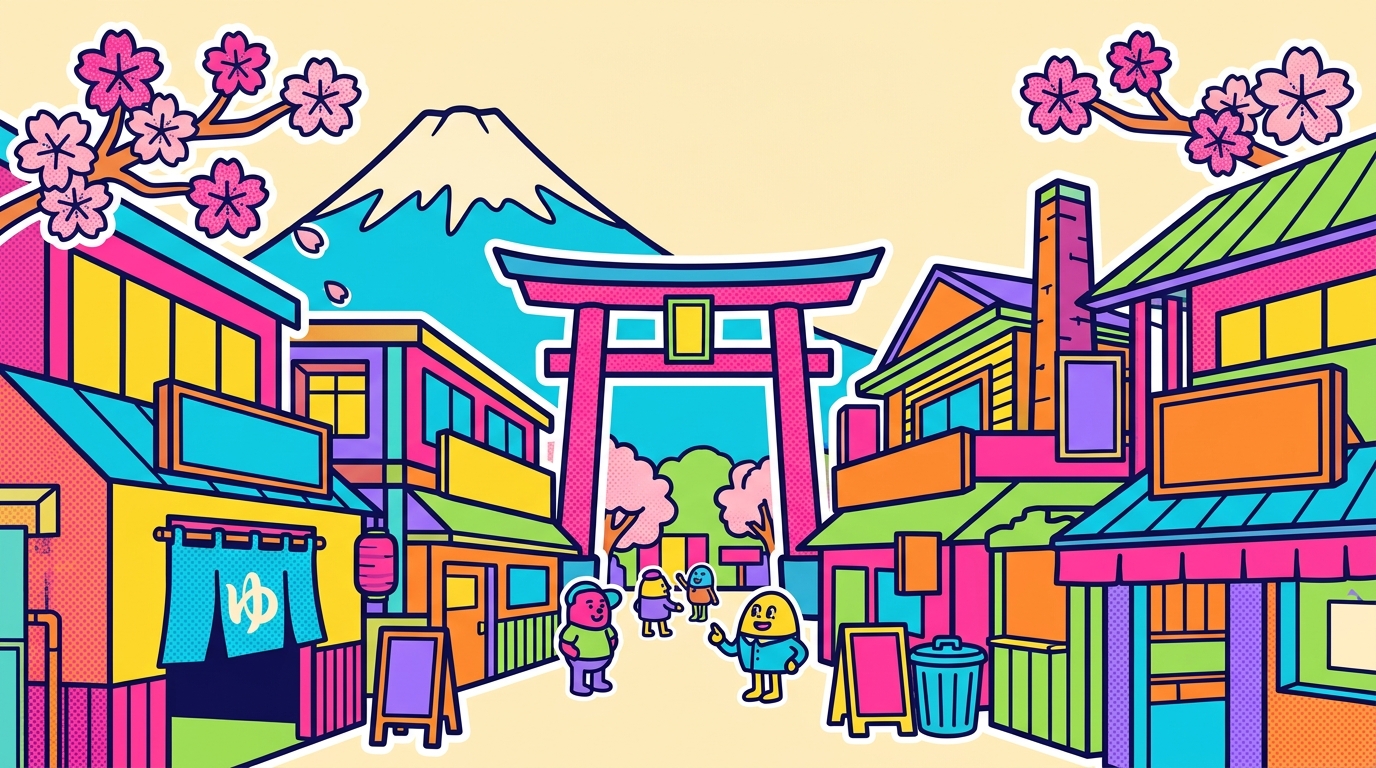
You've landed in Japan, navigated the trains, sampled the ramen, and even mastered the art of ordering at a vending machine. Now, you're ready for the next level: the sento. A sento is a traditional Japanese public bathhouse, deeply woven into the fabric of local Japanese life. While major guidebooks might give it a passing mention, they rarely delve into the rich etiquette, the nuanced differences from onsen, or the specific neighborhood gems that true locals frequent. You should care because visiting a sento offers an unparalleled, authentic slice of everyday Japan – a unique cultural immersion far removed from tourist traps, providing deep relaxation and a genuine connection to community life. In this guide, you’ll learn the unspoken rules, discover Tokyo’s best local sento picks for 2026, understand real prices, and gain the confidence to embrace this essential Japanese experience like a local.
What You'll Get From This Guide
- An honest breakdown of real 2026 sento costs and what they include.
- Unwritten rules and specific etiquette for a respectful first-time (or return) visit.
- Specific, vetted Tokyo sento recommendations that locals truly love.
- Practical tips for avoiding common tourist blunders and maximizing your experience.
- Insights into the often-misunderstood tattoo policies.
- A clearer understanding of the differences between sento, onsen, and super sento.
Sento vs. Onsen vs. Super Sento: What's the Real Difference?
It's a common point of confusion, even for seasoned travelers. While all offer a communal bathing experience, their origins, facilities, and costs differ significantly. Understanding these distinctions is crucial for managing your expectations and choosing the right bath for your needs.
Sento: The Everyday Local Bath
A sento is your quintessential neighborhood public bathhouse. Historically, these were vital for homes without private bathing facilities. Today, they remain cherished community hubs. Sentos primarily use heated tap water, though some may draw from local wells. They are generally simpler, more functional, and provide a no-frills, authentic local experience. Think tiled walls, often with a large mural of Mount Fuji, and a selection of basic tubs.
- Average Cost (Tokyo, 2026): ¥520 / ~$3.50 USD (standard adult price set by the Tokyo Sento Union, adjusted slightly for 2026 from current ¥500).
- Atmosphere: Casual, community-focused, often a place for quiet socializing among locals.
- Facilities: Basic tubs (hot, sometimes cold), washing stations (stool, bucket, shower head). Some may have a small sauna for an extra fee.
Onsen: Nature's Hot Springs
Onsen are natural hot springs, meaning the water comes directly from geothermally heated sources deep within the earth. This natural mineral water is believed to have various health benefits. Onsen facilities range from rustic outdoor rotenburo (open-air baths) in mountainous regions to luxurious resort complexes. They are typically found outside major cities, often requiring a dedicated trip.
- Average Cost (2026): ¥800 - ¥2,500 / ~$5.50 - $17 USD for day-use, much higher for ryokan stays.
- Atmosphere: Relaxing, often scenic, more serene and resort-like.
- Facilities: Wide variety of baths (indoor, outdoor, various mineral types), often with rest areas, restaurants, and sometimes private baths.
Super Sento: The Theme Park of Baths
Super sento are modern, large-scale bathing complexes that offer a wide array of facilities beyond just baths. While they might include some natural hot spring water, many also use heated tap water. They are essentially entertainment centers centered around bathing and relaxation, often found on the outskirts of cities or in commercial areas.
- Average Cost (2026): ¥1,500 - ¥3,000 / ~$10 - $20 USD (often more for extended stays or extra services).
- Atmosphere: Family-friendly, entertainment-oriented, can be quite lively.
- Facilities: Numerous indoor and outdoor baths, saunas (dry, mist), jet baths, rotenburo, massage services, restaurants, relaxation lounges, sometimes even manga libraries.
Here's a quick comparison:
| Feature | Sento (Neighborhood Bathhouse) | Onsen (Natural Hot Spring) | Super Sento (Modern Bath Complex) |
|---|---|---|---|
| Water Source | Heated tap water (sometimes well water) | Geothermally heated natural spring water | Mix of natural spring & heated tap water |
| Location | Urban neighborhoods, local residential areas | Rural, mountainous regions, often resorts | City outskirts, commercial zones, suburbs |
| Cost (2026) | ¥520 / ~$3.50 USD | ¥800-¥2,500 / ~$5.50-$17 USD (day-use) | ¥1,500-¥3,000 / ~$10-$20 USD |
| Facilities | Basic tubs, washing stations, communal | Diverse natural baths, serene atmosphere | Wide variety of themed baths, saunas, entertainment |
| Atmosphere | Local, functional, community hub | Tranquil, therapeutic, often luxurious | Family-friendly, leisure-oriented |
| Tattoo Policy | Varied, many still strict; some accepting (cover recommended) | Generally strict at traditional ryokan, some modern spots accept | More lenient than traditional onsen, still best to check |
The Unspoken Rules: Sento Etiquette for First-Timers (and Returners)
Ignoring sento etiquette isn't just rude; it can genuinely disrupt the peace and cleanliness of a space deeply valued by locals. While simple, these rules are crucial for a respectful and enjoyable experience.
The Golden Rule: Wash Thoroughly BEFORE Entering the Tub
This is the single most important rule. You must wash and rinse your entire body with soap and water before stepping into any of the communal tubs. You'll find individual washing stations with a stool, a basin, and a showerhead. Sit on the stool, use the provided (or your own) soap and shampoo, and scrub yourself clean. Make sure to rinse off all soap suds completely before moving to the communal baths. This isn't just about hygiene; it’s a mark of respect for fellow bathers.
Common Tourist Mistake: Many tourists mistakenly think a quick rinse is sufficient. It is not. You are expected to treat it like a full shower session before entering the communal waters.
Tattoo Taboo (and Where It's Changing)
Historically, tattoos in Japan have been associated with yakuza, leading to widespread bans in public baths. While this stigma persists, especially in more traditional sento and onsen, attitudes are slowly evolving. In 2026, many sento still have "no tattoos" signs.
Local Tip: For small tattoos, consider purchasing waterproof tattoo cover-up patches (刺青隠しテープ / irezumi kakushi teepu) from drugstores like Matsumoto Kiyoshi or Don Quijote. These are often acceptable for discreetly covering small designs. For larger, more visible tattoos, your options remain limited, and it's always best to ask politely at the entrance or choose a facility known to be tattoo-friendly. Some modern sento or super sento (especially those frequented by younger crowds or more international clientele) are more relaxed.
Nudity is Non-Negotiable
There are no swimsuits or underwear in a Japanese public bath. Period. Upon entering the changing room, you will completely disrobe. Men and women bath separately. Embracing this is part of the experience; everyone is nude, so there’s no need to feel self-conscious. Attempting to wear any clothing into the bathing area will likely lead to polite but firm redirection.
Your Modesty Towel: What to Do (and Not Do) With It
You'll usually bring a small hand towel (known as a kakeyu or maetare) into the bathing area. This towel is primarily for modesty while walking to the washing station or between tubs. It is never to enter the communal bathwater. You can wring it out and place it on your head, on the side of the tub, or on a designated shelf. When you leave, use it to pat yourself dry before re-entering the changing room.
Quiet Contemplation, Not Conversation
Sento are places of relaxation and quiet reflection. While gentle murmurs are fine, loud conversations, shouting, or excessive splashing are considered disruptive. Keep your voice low and be mindful of other bathers enjoying their peaceful soak.
Tokyo's Best Neighborhood Sento Picks for 2026
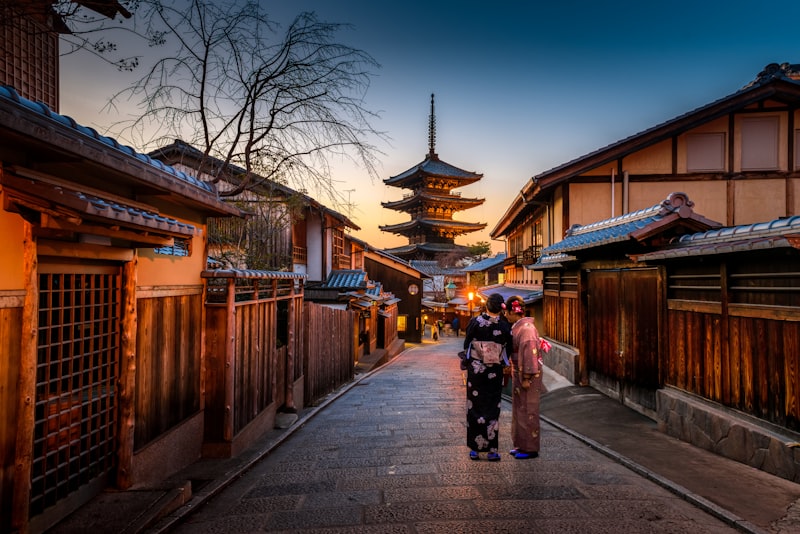
Forget the glossy brochures; these are the neighborhood sento that offer genuine local charm and excellent facilities, updated for your 2026 Tokyo visit.
1. Senzoku-yu (Taito-ku)
Step back in time at Senzoku-yu, a wonderfully preserved Showa-era sento near the historic Asakusa district. Its traditional kura-zukuri (storehouse-style) exterior and high ceilings evoke a sense of nostalgic Japan. The bathhouse features classic tile murals and a friendly, local atmosphere. It's a perfect spot to unwind after exploring Senso-ji Temple.
- Location: 4-13-11 Senzoku, Taito-ku, Tokyo. Approximately a 10-minute walk from Tsukuba Express Asakusa Station, or a 15-minute walk from Tokyo Metro Hibiya Line Iriya Station.
- Price (2026): ¥520 / ~$3.50 USD (adult entry). Towel rental available for ¥50-¥100 / ~$0.35-$0.70 USD.
- Special Features: Traditional architectural style, large classic Mt. Fuji mural, various hot tubs, and a cold plunge. Very welcoming to non-Japanese speakers, though English signage is minimal.
- Operating Hours: 15:00 - 23:00 (Closed Tuesdays).
2. Konparu-yu (Ginza)
Hidden amidst the glitzy boutiques and high-end department stores of Ginza, Konparu-yu is Tokyo's oldest operating sento in the district, a true anachronism and a local treasure. Its unassuming entrance often surprises first-timers, offering a stark contrast to its luxurious surroundings. It's a compact, no-frills sento, but its history and unique location make it an unforgettable experience.
- Location: 8-7-5 Ginza, Chuo-ku, Tokyo. A mere 5-minute walk from Ginza Station (Tokyo Metro Ginza, Marunouchi, Hibiya Lines), exit A2.
- Price (2026): ¥520 / ~$3.50 USD (adult entry). Towel sets can be rented for ¥200 / ~$1.35 USD.
- Special Features: Tucked away in a high-end district, remarkably preserved interior with classic tiled walls, a very intimate and local atmosphere. Perfect for experiencing a traditional sento without leaving central Tokyo.
- Operating Hours: 14:00 - 23:00 (Closed Sundays).
3. Daikoku-yu (Sumida-ku)
For a more modern take on the sento experience, Daikoku-yu near Tokyo Skytree is an excellent choice. Renovated in recent years, it blends traditional elements with contemporary comfort. What truly sets it apart is its fantastic rooftop open-air bath (rotenburo) offering spectacular views of the Tokyo Skytree. It also boasts high-quality saunas and various other bath options. This is a great pick if you appreciate cleanliness and slightly more amenities while still getting a local feel.
- Location: 3-12-14 Yokokawa, Sumida-ku, Tokyo. An 8-minute walk from Oshiage Station (Tokyo Metro Hanzomon Line, Toei Asakusa Line, Keisei Oshiage Line, Tobu Skytree Line), exit B2.
- Price (2026): ¥520 / ~$3.50 USD (adult entry). Sauna usage is an additional ¥400 / ~$2.70 USD.
- Special Features: Rooftop rotenburo with Skytree views, high-temperature sauna, cold plunge, various indoor baths. Generally more accepting of discreetly covered tattoos.
- Operating Hours: 15:00 - 24:00 (Weekdays), 12:00 - 24:00 (Weekends/Holidays). Closed 3rd Tuesday of the month.
- Nearby Accommodation Tip: If you're looking to stay in the Sumida area for easy access to Skytree and local experiences like Daikoku-yu, you can Search hotels on Klook for options around Oshiage.
What Tourists Get Wrong: Overrated & Overlooked Aspects
Navigating Japan requires a shift in perspective. Here's where many tourists misstep regarding sento.
Overrated: Expecting Every Sento to Be a Luxurious Onsen Experience
Many first-time visitors confuse "sento" with "onsen" and expect a spa-like resort experience with multiple elaborate baths, stunning natural backdrops, and plush amenities. Why it's wrong: While some sento are indeed beautifully maintained, the vast majority are functional, no-frills community baths. Their charm lies in their simplicity, authenticity, and role as an everyday local fixture. They are not designed to be luxury resorts. Going in with spa-level expectations will lead to disappointment. Embrace the humble, communal spirit instead.
Overlooked: The Social Aspect & Post-Bath Rituals
Tourists often treat sento purely as a hygienic stop, rushing in, washing, soaking briefly, and rushing out. They overlook the quiet social fabric and the delightful post-bath customs. Local Tip: A sento is a place for gentle human connection, even without direct conversation. Observe the regulars, the older folks quietly soaking, the families. Don't just rush out. After your bath, join the locals at the small vending machine in the changing room or lobby. Grab a chilled bottle of coffee milk (kōhī gyūnyū) or fruit milk (furūtsu gyūnyū) – a quintessential sento tradition that costs around ¥130 / ~$0.90 USD. It's a surprisingly refreshing and satisfying end to your soak, and a small moment of shared local culture.