[Disclosure] This article contains affiliate links. We may earn a commission at no extra cost to you.
Japan often appears on "best places for solo travelers" lists, and for good reason: its low crime rate, efficient public transport, and inherent respect for personal space make it an introvert's paradise. But beyond the generic advice, how do you really navigate Japan as someone who thrives on solitude and dreads unsolicited interactions? This guide dives deep into the specific strategies, locations, and unspoken rules that allow you to soak in Japan's unique charm without feeling overwhelmed or socially drained. You'll learn how to proactively sculpt your itinerary to minimize social fatigue, find genuine quiet, and maintain your peace of mind from arrival to departure in 2026.
What You'll Get From This Guide
- Specific, up-to-date 2026 pricing for introvert-friendly activities and dining.
- Real names and locations of quiet spots and services, not vague recommendations.
- Tactical advice on navigating social cues and politely declining interactions.
- Honest insights on common tourist mistakes and what to truly avoid.
- Local tips for authentic, low-stress Japanese experiences.
The Introvert's Guide to Japanese Hospitality: Expectation vs. Reality
Japan's famed hospitality, or omotenashi, is often praised, but for an introvert, it can sometimes feel like an obligation to engage. The reality is that while Japanese service is meticulous and attentive, it's rarely intrusive in a way that demands extended conversation. Waitstaff will serve efficiently, shop assistants will offer assistance if needed, but rarely will they press for small talk. The key is understanding the subtle cues.
Navigating Politeness: The Art of Silent Observation
The default mode of interaction in Japan, especially between strangers, is one of respectful distance. This is a massive win for introverts. Observe locals: they often move with purpose, avoid direct eye contact on trains, and keep conversations subdued in public spaces. Mirroring this behavior is perfectly acceptable. A slight nod, a quiet "arigato gozaimasu" (thank you very much) or "sumimasen" (excuse me/sorry) is usually sufficient for most daily interactions. You are not expected to banter or initiate chat.
When to Engage, When to Retreat
One common tourist misconception is that you must engage enthusiastically with every interaction. While sincere appreciation is always welcome, prolonged conversations are not expected, particularly in transactional settings. If a shop owner or server attempts a brief English phrase, a simple, polite smile and "yes" or "thank you" is enough. If they persist beyond a few sentences and you're feeling overwhelmed, a gentle head shake or a polite bow while saying "daijōbu desu" (it's okay/no thank you) is a socially acceptable way to signal you're fine and wish to move on. Avoid direct "no" as it can sound too blunt; softer refusals are preferred.
Finding Your Solace: Accommodation for the Quiet Traveler
Your accommodation choice can make or break an introverted trip. Forget hostels; you need a private sanctuary where you can recharge without forced socialization.
Business Hotels: Your Private Sanctuary
Japan excels at business hotels, which are perfect for solo introverts. They offer compact, fully functional single rooms designed for efficiency and privacy. You'll find amenities like a private bathroom, often a small desk, and reliable Wi-Fi, with minimal interaction required at check-in/out via automated kiosks or efficient staff.
| Hotel Type | Price (2026 Avg. Tokyo Single) | Privacy Level | Interaction Required | Introvert Score |
|---|---|---|---|---|
| Business Hotel | ¥9,000 - ¥15,000 / ~$60-$100 | High | Low | 5/5 |
| Capsule Hotel | ¥4,000 - ¥7,000 / ~$27-$47 | Medium | Low | 4/5 |
| Traditional Ryokan | ¥20,000 - ¥40,000+ / ~$133-$267+ | Medium/High | Medium/High | 2/5 |
Specific Recommendations (2026 Estimated Rates):
- Toyoko Inn: Ubiquitous, consistent, and budget-friendly. A single room at Toyoko Inn Shinjuku Kabukicho could be around ¥9,500 / ~$63 USD per night. They often have coin laundries and free breakfast buffets, allowing for minimal interaction.
- Dormy Inn: Slightly more upscale business hotels, often featuring public hot springs (onsen) or sento (public bath) and free late-night ramen. A single room at Dormy Inn Premium Shibuya-jingumae might cost ¥13,000 / ~$87 USD, offering a quiet soak to unwind.
- APA Hotel: Similar to Toyoko Inn but often with slightly smaller rooms and sometimes more centralized locations. An APA Hotel Shinjuku-Gyoenmae single could be around ¥11,000 / ~$73 USD.
Search best hotels in Japan on Klook
Capsule Hotels: Minimalist Solitude
For a unique and truly solitary experience, capsule hotels are an excellent choice. While the sleeping capsule itself is private (with a roll-down screen or door), common areas like bathrooms and lounges are shared. The expectation is silence and respect for others' space. They are ideal for one or two nights, but a longer stay might feel cramped. Specific Recommendation:
- 9h Nine Hours: Known for its minimalist, futuristic design, 9h has multiple locations, including Shinjuku and Narita Airport. A capsule might cost ¥5,500 / ~$37 USD. The clear zones for sleeping, showering, and lounging enforce a quiet atmosphere.
Private Airbnbs: A Calculated Risk
An entire apartment Airbnb can offer ultimate privacy. However, it's a calculated risk due to potential host interactions (check-in, questions during your stay) and the variable quality/legitimacy. Carefully read reviews focusing on communication and ease of access. For 2026, ensure the listing is properly licensed.
Dining in Silence: Savouring Japan Without Small Talk
Food is a highlight of Japan, and many dining experiences are perfectly suited for introverts.
The Ichiran Experience: Booth Ramen Bliss
Ichiran Ramen is practically designed for introverts. Each diner gets a "flavor concentration booth" – an individual cubicle where you interact minimally with staff (you order via a sheet and your ramen is served through a small curtain). It's delicious, efficient, and wonderfully private. Expect to pay ¥1,200-¥1,500 / ~$8-$10 USD for a bowl with toppings in 2026. Ichiran has numerous locations across Japan, including Shibuya, Shinjuku, and Ueno.
Depachika & Konbini: Gourmet Grab-and-Go
Department store food halls (depachika) are a hidden gem for introverts. Located in the basement (B1F) of major department stores like Isetan Shinjuku, Takashimaya Shinjuku, or Daimaru Tokyo Station, they offer an astounding array of gourmet bentos, pastries, sushi, and deli items. You can pick up a high-quality meal for ¥800-¥2,500 / ~$5-$17 USD and enjoy it in your hotel room or a quiet park. For ultimate convenience and value, Japanese convenience stores (konbini) like 7-Eleven, Lawson, and FamilyMart are unparalleled. Their food quality is surprisingly high, from fresh onigiri (rice balls) at ¥150 / ~$1 USD to instant ramen, sandwiches, and even delicious fried chicken (karaage-kun at Lawson, ¥240 / ~$1.60 USD). This is a local tip: many Japanese rely on konbini for quick, affordable, and surprisingly good meals. Skip overpriced tourist restaurants sometimes.
Cafes with a Calm Vibe
Seek out smaller, independent cafes or those attached to bookstores for a tranquil break.
- Tsutaya Books: Many locations, like Tsutaya Daikanyama T-Site, offer spacious, quiet environments where you can browse books and enjoy a coffee (¥500-¥700 / ~$3.30-$4.70 USD) with minimal interaction.
- Starbucks Reserve Roastery Tokyo (Meguro): While popular, its sheer size means there are many corners and floors to find a quiet spot, especially during off-peak hours (mornings, late afternoons). Prices for specialty coffee are higher, ¥800-¥1,500 / ~$5.30-$10 USD.
| Dining Option | Interaction Level | Price (2026 Avg. Meal) | Convenience | Introvert Score |
|---|---|---|---|---|
| Ichiran Ramen (Booth) | Very Low | ¥1,300 / ~$9 | High | 5/5 |
| Depachika (Takeaway) | Low | ¥1,500 / ~$10 | High | 4/5 |
| Konbini (Takeaway) | Very Low | ¥600 / ~$4 | Very High | 5/5 |
| Traditional Izakaya | High | ¥3,000-¥5,000 / ~$20-$33 | Medium | 1/5 |
| Chain Cafe (e.g., Doutor) | Low | ¥600 / ~$4 | High | 3/5 |
Navigating Japan's Transport Net: Your Personal Bubble
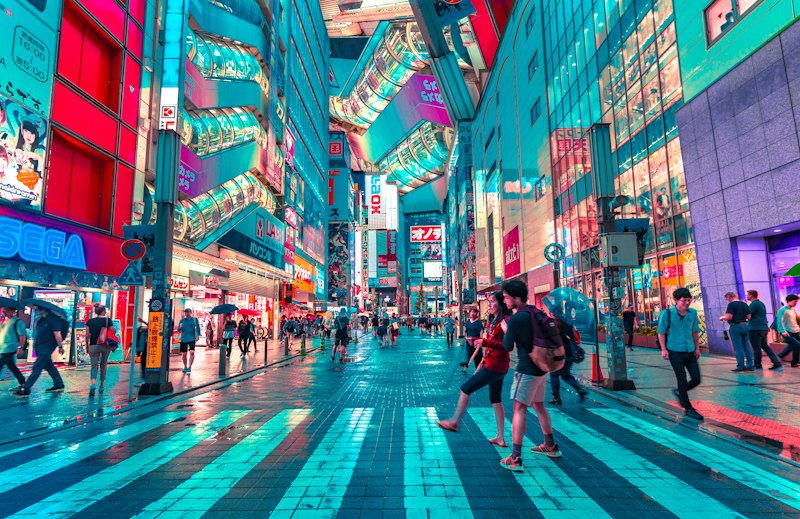
Japan's public transport is incredibly efficient and generally quiet, making it ideal for introverts.
Pre-Paid IC Cards: The Silent Transaction
Acquire a Suica or Pasmo card immediately upon arrival. These rechargeable IC cards allow you to tap-and-go on most trains, subways, and buses, virtually eliminating any need for verbal interaction when purchasing tickets. A card costs ¥500 / ~$3.30 USD deposit, plus your desired top-up amount. You can recharge at any station vending machine, often with English options. This streamlines travel and removes potential awkwardness.
Choosing Quieter Routes and Times
- Avoid Rush Hour: Between 7:30-9:30 AM and 5:00-7:00 PM, major lines (like JR Yamanote Line) can be extremely crowded. If you must travel, stick to the very ends of platforms or seek out cars specifically designated as "women-only" during peak times (which are often less crowded for men during other hours). Overrated for introverts: Trying to experience Shibuya Crossing at 6 PM on a weekday; it's an overwhelming sensory overload, not a moment of quiet reflection.
- Bullet Trains (Shinkansen): Reserve a seat in an Ordinary Car; the Green Car (first class) is typically quieter but also significantly pricier. Select a window seat for minimal interaction and maximum scenery enjoyment. If you purchase a Japan Rail Pass (note: check 2026 pricing and eligibility as these frequently change), reserving seats is easy at station offices or sometimes online, allowing you to secure your quiet spot well in advance.
- Taxis: While more expensive, taxis offer complete privacy. A 15-minute ride in central Tokyo will cost around ¥1,500-¥2,500 / ~$10-$17 USD. Simply show your destination on a map or written down.
The Art of the Silent Queue
Japanese queuing culture is orderly and silent. Don't feel pressured to make small talk with those around you. Enjoy the quiet efficiency; it's a testament to societal respect for personal space.
Introvert-Friendly Activities: Engage Your Senses, Not Your Social Battery
Japan offers a wealth of activities that don't demand social energy.
Temple & Garden Serenity
- Shinjuku Gyoen National Garden (Shinjuku, Tokyo): A vast oasis with meticulously kept Japanese, English, and French gardens. Wander for hours in peaceful solitude. Entry is around ¥500 / ~$3.30 USD. Best visited on a weekday morning.
- Rikugien Garden (Bunkyo, Tokyo): A stunning traditional Edo-period garden, perfect for a contemplative stroll. Entry is ¥300 / ~$2 USD. Easily accessible from Komagome Station.
- Meiji Jingu Shrine (Harajuku, Tokyo): While popular, the expansive forested grounds provide plenty of space for quiet reflection. Early mornings are best to avoid crowds. Free entry.
- Kiyomizu-dera Temple (Kyoto): Although very popular, if you go immediately at opening (6 AM), you can experience moments of profound quiet.
Bookstores & Cafes: Literary Escapes
Spending an afternoon in a Japanese bookstore is a delight.
- Kinokuniya Shinjuku Main Store (Shinjuku, Tokyo): Several floors of books, including an extensive English-language section. You can easily get lost in its aisles.
- Tsutaya Books at Daikanyama T-Site (Shibuya, Tokyo): More than just a bookstore, it's a design haven with quiet reading nooks and attached cafes.
Museums & Galleries: Cultural Immersion
Museums are naturally quiet places, allowing you to engage with culture at your own pace.
- Tokyo National Museum (Ueno Park, Tokyo): Japan's largest museum, offering vast collections of Japanese and Asian art and artifacts. The sheer size allows for plenty of quiet exploration. Entry around ¥1,200 / ~$8 USD.
- Nezu Museum (Omotesando, Tokyo): A private museum with a superb collection of pre-modern Japanese and East Asian art, famous for its tranquil garden. Entry around ¥1,500 / ~$10 USD.
- Ghibli Museum (Mitaka, Tokyo): While it requires advance booking and has timed entry, the unique, imaginative exhibits are highly engaging and don't necessitate social interaction. Tickets are ¥1,000 / ~$6.70 USD and notoriously hard to get, so plan months ahead. Book Shibuya Sky / Tokyo Disneyland / Universal Studios Japan on Klook (Note: Ghibli Museum is not available via Klook, but other major attractions are if you do decide to brave crowds!)