[PR] This article contains affiliate links.
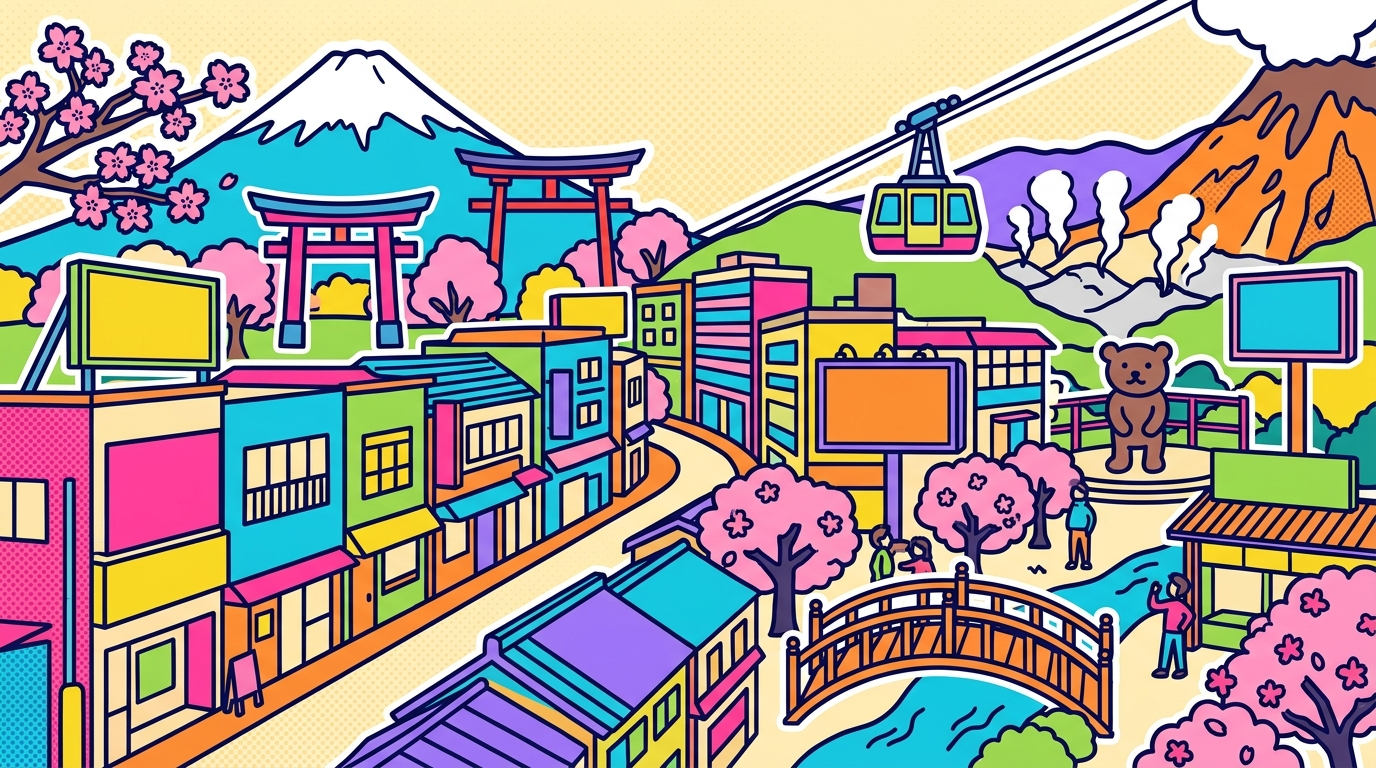
Hokkaido is an island defined by its untamed wilderness, geothermal marvels, and breathtaking seasonal contrasts. For inbound tourists planning a 2026 itinerary, few destinations capture the raw, majestic essence of Japan’s northernmost prefecture quite like the Noboribetsu area. Nestled amid volcanic valleys and pristine forests, this region offers a dual experience that is entirely unique: ascending a mountain via ropeway to encounter native wildlife, followed by descending into a steaming, sulfurous crater affectionately known as "Hell Valley."
This massive, deeply researched 2026 visitor guide will meticulously break down everything you need to know about navigating the Noboribetsu Bear Park (のぼりべつクマ牧場) and the adjacent Noboribetsu Onsen (登別温泉) town. We will cover exact ticketing parameters, seasonal operating hours, critical access routes using public transit, and how to seamlessly explore the geothermal wonders of Jigokudani.
Whether you are traveling solo, bringing young children to see the bears, or organizing a large group tour through Hokkaido, this exhaustive resource is designed to be your definitive companion for planning a flawless day trip or overnight stay in the Noboribetsu region.
Section 1: The Noboribetsu Bear Park Experience
Perched high above the hot spring town, the Noboribetsu Bear Park is not your standard terrestrial zoo. It is an alpine wildlife facility strategically located at the summit of Mt. Sobetsu (四方嶺). Because of its unique mountaintop geography, getting to the park is an adventure in and of itself, providing panoramic views and a thrilling ride before you ever see a single bear.
The Ropeway Ascent: Your Mandatory Gateway
One of the most important facts every international traveler must understand before visiting is how access to the park works. The Bear Park sits atop Mt. Sobetsu, reached exclusively via a ropeway departing from the base station in Noboribetsu Onsen town.
There are several strict logistical rules regarding this ropeway:
- No Separate Tickets: There is no separate "ropeway-only" ticket available for purchase.
- No Alternative Entry: You cannot hike, drive, or take a taxi up to the Bear Park. The ropeway is the sole method of entry.
- Included in Admission: The cost of the ropeway ride is fully baked into your overall Bear Park admission fee.
- Transit Time: The scenic gondola ride takes approximately 7 minutes each way, gliding over the lush Hokkaido forest canopy (or snow-covered pines, depending on your season of travel).
Because the ropeway and the park are an inseparable package, your experience begins the moment you step into the gondola at the Sanroku (base) Station in the onsen town.
Location: Noboribetsu Bear Park Ropeway Base Station (Sanroku Station) Access: Located in the upper section of Noboribetsu Onsen town, a short walk from the main street.
2026 Admission Prices and Ticketing Rules
Budgeting for your trip to the top of Mt. Sobetsu is straightforward, as the park utilizes a clear, tiered pricing structure. All prices listed below include Japan's consumption tax and cover both your round-trip ropeway ride and full access to the Bear Park facilities at the summit.
Standard Admission Rates (Tax Included):
- Adults: 3,200 yen
- Children (Age 4 through Elementary School 6th Grade): 1,600 yen
- Infants/Toddlers (Age 3 and under): Free
Group Admission Rates: If you are traveling as a large family, a study abroad cohort, or an organized tour group consisting of 10 or more people, discounted group rates apply:
- Group Adult: 2,800 yen
- Group Child: 1,400 yen
Important Ticketing Note for 2026 Travelers:
While planning your itinerary, you may wonder if you need to secure advance online tickets to guarantee entry or skip ticket queues. Because ticketing procedures and digital platforms frequently update, we strongly advise all tourists to check the official Noboribetsu Bear Park website (bearpark.jp) directly for the most current ticketing options. The official site will clarify whether advance online reservations are required, merely recommended, or if purchasing walk-up tickets at the Sanroku Station ticket counter on the day of your visit is the standard procedure.
For managing your expenses throughout Hokkaido, you might be curious about Cash vs Card in Japan 2026: How Much Cash Do You Need?. While major tourist facilities are increasingly cashless, carrying yen is always recommended for smaller purchases around the hot spring town.
Seasonal Operating Hours: Summer vs. Winter
Hokkaido is famous for its extreme seasonal shifts. The long, snowy winters and mild, vibrant summers dictate the operating rhythm of the Noboribetsu Bear Park. The facility splits its calendar into a "Summer Season" and a "Winter Season," each with distinct opening and closing times. Pay very close attention to the last entry times, as arriving late means you will miss the final ropeway ascent of the day.
Summer Season (April 21 – October 20):
- Opening Hours: 9:00 – 17:00
- Last Entry: 16:20
The extended daylight hours of the Hokkaido summer allow the park to stay open slightly later. If you are visiting in July or August, be aware that the high altitude of Mt. Sobetsu means the sun can be quite intense. Before you ride the ropeway, you might want to review our guide to the Best Japanese Sunscreens 2026 | TOP5 for Western Travelers to ensure you are adequately protected while walking around the outdoor bear enclosures.
Winter Season (October 21 – April 20):
- Opening Hours: 9:30 – 16:30
- Last Entry: 15:50
During the winter season, Hokkaido experiences early sunsets, and the temperatures on top of Mt. Sobetsu drop significantly. The park opens a half-hour later and closes a half-hour earlier. If you are planning an afternoon visit during the winter, you absolutely must arrive at the ropeway base station well before the strict 15:50 final boarding time.
Location: Noboribetsu Bear Park Summit (Mt. Sobetsu) Access: 7 minutes by ropeway from the Sanroku base station. No other access available.
Essential Information on Park Closures
Unlike many museums or theme parks in Japan, the Noboribetsu Bear Park does not have a regular weekly closed day (such as being closed every Monday or Tuesday). However, there are two highly specific scenarios where the park will completely close to the public, which you must factor into your travel planning.
1. Annual Spring Maintenance and Ropeway Inspection
Because the ropeway is a heavy piece of mechanical transit infrastructure operating in harsh alpine conditions, Japanese safety regulations require an exhaustive annual inspection and maintenance period. During this multi-week period, the ropeway ceases operations. Because the ropeway is the only way up Mt. Sobetsu, the entire Bear Park closes alongside it.
This maintenance period always occurs in the spring, but the exact dates shift slightly from year to year. For example, the officially published closure dates for the upcoming 2027 season run from April 5 through April 23.
Crucial Advice for 2026 Travelers: Do not assume the 2026 closure dates will perfectly mirror the 2027 schedule. The specific spring closure window for the current year changes. Therefore, if you are planning a trip to Noboribetsu anytime between late March and early May, you must manually check the official calendar at bearpark.jp to confirm the exact spring closure dates for the year of your visit. Showing up to the ropeway station during this multi-week inspection period will leave you stranded at the bottom of the mountain.
2. Unscheduled Weather Closures (Strong Winds)
Even outside of the scheduled spring maintenance, the park operates at the mercy of alpine weather. If severe weather events—specifically days characterized by strong, high-velocity winds—make it unsafe for the gondolas to operate, the ropeway will be halted. Consequently, the Bear Park will close temporarily for the day (or until the winds subside). If the weather looks exceptionally stormy on the morning of your visit, it is highly advisable to check the park's official website for real-time operational status before boarding your bus to the onsen town.
Section 2: Noboribetsu Onsen Town & Jigokudani (Hell Valley)
After spending the morning atop Mt. Sobetsu, the natural progression of your itinerary will bring you back down the 7-minute ropeway into the heart of Noboribetsu Onsen. This historic resort town is famous throughout Japan for its prolific geothermal activity, producing vast quantities of mineral-rich water that feed the numerous traditional inns lining the streets.
Exploring the Town Center
Noboribetsu Onsen is a walkable, atmospheric resort village. The main thoroughfares are lined with souvenir shops selling intricately carved wooden bears (a traditional Hokkaido craft), local eateries, and convenience stores. It is a fantastic place to wander in a yukata (cotton kimono) if you are staying overnight.
If you have specific dietary restrictions, navigating rural Japanese towns can sometimes require extra preparation. We highly recommend utilizing our Allergy Travel Japan | Nut Egg Dairy Free Dining with Translation Cards guide to communicate your needs clearly to local restaurant staff when dining in the onsen town.
While the town boasts magnificent hot spring baths, visitors should note that we cannot list specific ryokan (inn) names, specific day-use (higaeri) bathing prices, or the exact scientific breakdowns of the various mineral spring types found here. Because these details fluctuate based on the season, the individual policies of private hotel operators, and current local regulations, publishing static prices here would be misleading.
For the most accurate, up-to-date 2026 information regarding day-use bath availability, specific lodging options, and detailed hot spring mineral profiles, tourists must check individual ryokan websites. Alternatively, you can directly contact the Noboribetsu International Tourism & Convention Association by phone at 0143-84-3311 for personalized, official guidance.
Jigokudani (Hell Valley): Hokkaido’s Geothermal Masterpiece
Located at the far end of the onsen town—completely separate from the Bear Park and not requiring a ropeway ride—lies Noboribetsu's most visually striking natural attraction: Jigokudani, which translates to "Hell Valley."
Jigokudani is a massive, 24-hectare volcanic explosion crater that serves as the primary source of the hot spring waters feeding the town below. The landscape here is utterly alien. Plumes of thick, sulfurous steam continuously vent from the reddish-brown earth, boiling water bubbles up from subterranean rivers, and the smell of sulfur is omnipresent. Wooden boardwalks traverse the rocky terrain, allowing tourists to safely walk directly above the steaming vents.
Admission and Access Rules for Jigokudani
Visiting Hell Valley is wonderfully straightforward, making it an ideal anchor for your afternoon itinerary.
- Admission Cost: Jigokudani is a natural public sightseeing area. Admission is entirely free.
- Reservations: There are absolutely no reservations needed to walk the trails. You can simply walk up to the valley entrance from the onsen town at your leisure.
- Parking Fees: If you are navigating Hokkaido via rental car instead of public transit, you will need to park at the dedicated Jigokudani lot right next to the valley entrance. Car parking costs a flat rate of 500 yen per visit.
Important Note on Hours and Night Viewing: Because Jigokudani is a natural outdoor valley, policies regarding pathway closures, specific daily viewing hours, and nighttime illumination schedules (such as whether pathway lights are turned on after dusk) are subject to change based on the season, weather, and local municipal decisions. Conflicting information about night lighting is common. Therefore, do not assume the valley is safely accessible or illuminated in the dead of night. To ensure your safety and avoid disappointment, you must check the official Noboribetsu International Tourism & Convention Association website for current guidelines regarding Jigokudani’s specific opening/viewing hours before attempting a sunset or evening walk.
Location: Jigokudani (Hell Valley) Sightseeing Area Access: Approximately a 10 to 15-minute walk uphill from the center of Noboribetsu Onsen town.
Location: Jigokudani Parking Lot Access: Adjacent to the Hell Valley entrance. 500 yen per visit.
Section 3: The Complete Access Route to Noboribetsu
Connecting your main transit hub to the mountain attractions is often the most stressful part of an international trip. For visitors to Noboribetsu, understanding the geographic distinction between the railway station and the actual hot spring town is paramount.
They are not in the same location. The train line runs along the flat Pacific coast, while the onsen town (and the Bear Park ropeway) is tucked miles away up in a mountainous valley.
Step 1: Arriving at JR Noboribetsu Station
Your journey begins at JR Noboribetsu Station. This is a major stop on the JR Hokkaido railway network, frequently serviced by limited express trains like the Hokuto or Suzuran running between Sapporo, New Chitose Airport (via Minami-Chitose), and Hakodate.
Location: JR Noboribetsu Station Access: The main railway hub for the region, located on the coastline.
Step 2: The Donan Bus to Noboribetsu Onsen
Once you exit JR Noboribetsu Station, you are not yet at the hot springs. To reach the actual resort town, you must transfer to the local bus network.
- Exit the JR Station and walk to the immediate bus roundabout plaza in front of the building.
- Locate the bus stop for the Donan Bus (道南バス) bound for "Noboribetsu Onsen" (登別温泉).
- Board the bus. The bus ride from JR Noboribetsu Station up the winding mountain road to the onsen town takes approximately 15 minutes.
- You will disembark at the Noboribetsu Onsen Bus Terminal, which sits in the lower/middle section of the resort town.
Crucial Note on Bus Fares: Bus fares in Japan frequently undergo slight revisions due to tax changes and fuel costs. Therefore, we do not state the exact Donan Bus fare in this guide. Tourists must check the official Donan Bus website for up-to-date fare information, or simply ask the station attendants inside JR Noboribetsu Station upon arrival.
If you are accustomed to tapping your way through Tokyo, you might want to brush up on regional transit card compatibility by reading What is the Best IC Card for Tourists in Japan 2026? | Suica vs Pasmo vs ICOCA to see if your digital wallet will work on rural Hokkaido bus networks, or if you should pull paper tickets when boarding the Donan Bus.
Location: Noboribetsu Onsen Bus Terminal Access: 15 minutes via Donan Bus from JR Noboribetsu Station. The main drop-off point for the resort town.
Step 3: Navigating the Town on Foot
Once you step off the bus at the Noboribetsu Onsen Bus Terminal, your entire itinerary is easily conquerable on foot.
- To the Bear Park: From the bus terminal, it is a brief uphill walk to the Bear Park Ropeway Sanroku (Base) Station. Signs featuring cartoon bears are heavily prevalent throughout the town, pointing you toward the gondola building.
- To Jigokudani: The valley is located at the very top of the town's main road. From the bus terminal, you simply walk straight up the gentle incline of the main shopping street for about 10-15 minutes until the road ends at the steaming volcanic crater.
Section 4: Practical Advice for 2026 Inbound Travelers
A trip deep into Hokkaido requires a bit more foresight than a weekend in Tokyo. Here is some expert advice to round out your planning.
Hydration and Wellness at High Altitudes and Onsens
Between the high altitude of Mt. Sobetsu and the dehydrating effects of soaking in the powerful, mineral-heavy waters of the local ryokans, staying hydrated is paramount. If you are questioning local water safety, rest assured by reading our guide, Can You Drink Tap Water in Japan? | City by City Guide 2026. The water in Hokkaido is famously pure and delicious, so fill your reusable bottles before hiking around Jigokudani.
Gearing Up Before You Go
Hokkaido's winter (October through April, encompassing the entire "Winter Season" of the Bear Park) requires serious cold-weather gear. If you are flying into Tokyo before heading north to Noboribetsu and realize you lack proper thermals, you can utilize modern logistics. Read How to Order From Amazon Japan Before Your Trip and Ship It to Your Hotel (2026 Guide) to have heavy winter coats or boots waiting for you at your first Japanese hotel, ensuring you are warmly dressed before boarding the Donan Bus into the snowy mountains.
Combining Itineraries
If Noboribetsu is just one stop on a massive cross-country Japanese adventure, you might be blending nature tourism with pop-culture shopping. Perhaps you are spending a few days hunting for retro tech in the capital. If so, don't miss our Japanese Retro Feature Phone (Galapagos Keitai) Collector Guide 2026 | Where to Buy Used Gara-kei in Akihabara or the Akihabara Retro Game Collecting 2026 | Famicom, Super Famicom & N64 Used Prices & Shops to maximize your city time before escaping to the tranquility of Hell Valley.
Section 5: Exhaustive Frequently Asked Questions (FAQ)
To ensure absolutely nothing is left to chance during your 2026 visit, here is a definitive FAQ summarizing the rigorous rules and access methods for the Noboribetsu region.
Q: Can I buy a ticket just to ride the ropeway without entering the Bear Park? A: No. The ropeway serves one singular purpose: transporting guests to the Noboribetsu Bear Park at the summit of Mt. Sobetsu. The 7-minute ride is fully included in the admission price (Adults 3,200 yen, Children 1,600 yen, 3 & under free). There is no separate ropeway-only ticket, and conversely, no way to enter the park without taking the ropeway.
Q: Do I need to book my Bear Park tickets online in advance?
A: Ticketing policies for online portals frequently update. You must check the official site directly at bearpark.jp to determine the most current 2026 options, including whether digital advance tickets are required, recommended, or if walk-up purchases at the base station are sufficient.
Q: When exactly is the park closed for spring maintenance in 2026?
A: The spring maintenance and ropeway inspection period changes dates every single year. While we know the published 2027 closure runs from April 5 through April 23, the specific dates for other years shift. You must check the official calendar at bearpark.jp for the current year’s exact closure window before planning a spring trip. The park also closes temporarily on days with dangerously strong winds.
Q: Do I need a reservation to see Jigokudani (Hell Valley)? A: No. Jigokudani is a public, natural sightseeing area located in the onsen town. Admission is completely free, and no reservations are required to walk the boardwalks.
Q: How late is Jigokudani open, and are there lights at night? A: Because Jigokudani is a natural environment subject to seasonal safety changes, tourists must consult the Noboribetsu International Tourism & Convention Association website for current, verified information regarding specific daily opening/viewing hours and whether the pathways are lit at night.
Q: How much does parking cost at Jigokudani? A: If you are driving a rental car, utilizing the dedicated parking lot at the Hell Valley entrance costs 500 yen per visit.
Q: How much is the Donan Bus from JR Noboribetsu Station to the Onsen Town? A: Bus fares undergo periodic revisions. Please check the official Donan Bus website or inquire with the station staff at JR Noboribetsu Station for the precise, up-to-date fare for the 15-minute ride to the Noboribetsu Onsen bus terminal.
Q: Can you recommend a specific ryokan or tell me the prices for day-use baths? A: Because private hotel policies, prices, and available mineral spring types change frequently, we do not list specific ryokan names or day-use (higaeri) bathing prices. Tourists should check individual hotel websites or call the Noboribetsu International Tourism & Convention Association at 0143-84-3311 to inquire about specific accommodations and bathhouse options.
Q: Can I get a group discount for the Bear Park? A: Yes. If your travel party consists of 10 or more people, you qualify for the group rate. The adult group rate is 2,800 yen (down from 3,200), and the child group rate is 1,400 yen (down from 1,600).
Q: How early do I need to arrive at the Bear Park before closing? A: Pay strict attention to the last entry times, not just the closing times. In the Summer season (April 21 – October 20), the park closes at 17:00, but the absolute last entry to the ropeway is at 16:20. In the Winter season (October 21 – April 20), the park closes at 16:30, with the final entry strictly enforced at 15:50. Plan to arrive well before these cutoffs.
By mastering these logistics—understanding the inseparable nature of the ropeway and the park, preparing for the 15-minute bus transit, and knowing exactly where to verify seasonal changes and bathhouse details—your 2026 journey to the peaks of Mt. Sobetsu and the depths of Jigokudani will be seamless. Enjoy the raw power of Hokkaido’s nature, and travel safely!
FAQ
Q: Can I buy a ticket just to ride the ropeway without entering the Bear Park?
No. The ropeway serves one singular purpose: transporting guests to the Noboribetsu Bear Park at the summit of Mt. Sobetsu. The 7-minute ride is fully included in the admission price.
Q: Do I need to book my Bear Park tickets online in advance?
Ticketing policies for online portals frequently update. You must check the official site directly at bearpark.jp to determine the most current 2026 options.
Q: Do I need a reservation to see Jigokudani (Hell Valley)?
No. Jigokudani is a public, natural sightseeing area located in the onsen town. Admission is completely free, and no reservations are required.
Q: How much does parking cost at Jigokudani?
If you are driving a rental car, utilizing the dedicated parking lot at the Hell Valley entrance costs 500 yen per visit.
Q: Can I get a group discount for the Bear Park?
Yes. If your travel party consists of 10 or more people, you qualify for the group rate. The adult group rate is 2,800 yen, and the child group rate is 1,400 yen.
Q: How early do I need to arrive at the Bear Park before closing?
In the Summer season, the absolute last entry to the ropeway is at 16:20. In the Winter season, the final entry is strictly enforced at 15:50. You must plan to arrive well before these cutoffs.