[Disclosure] This article contains affiliate links. We may earn a commission at no extra cost to you.
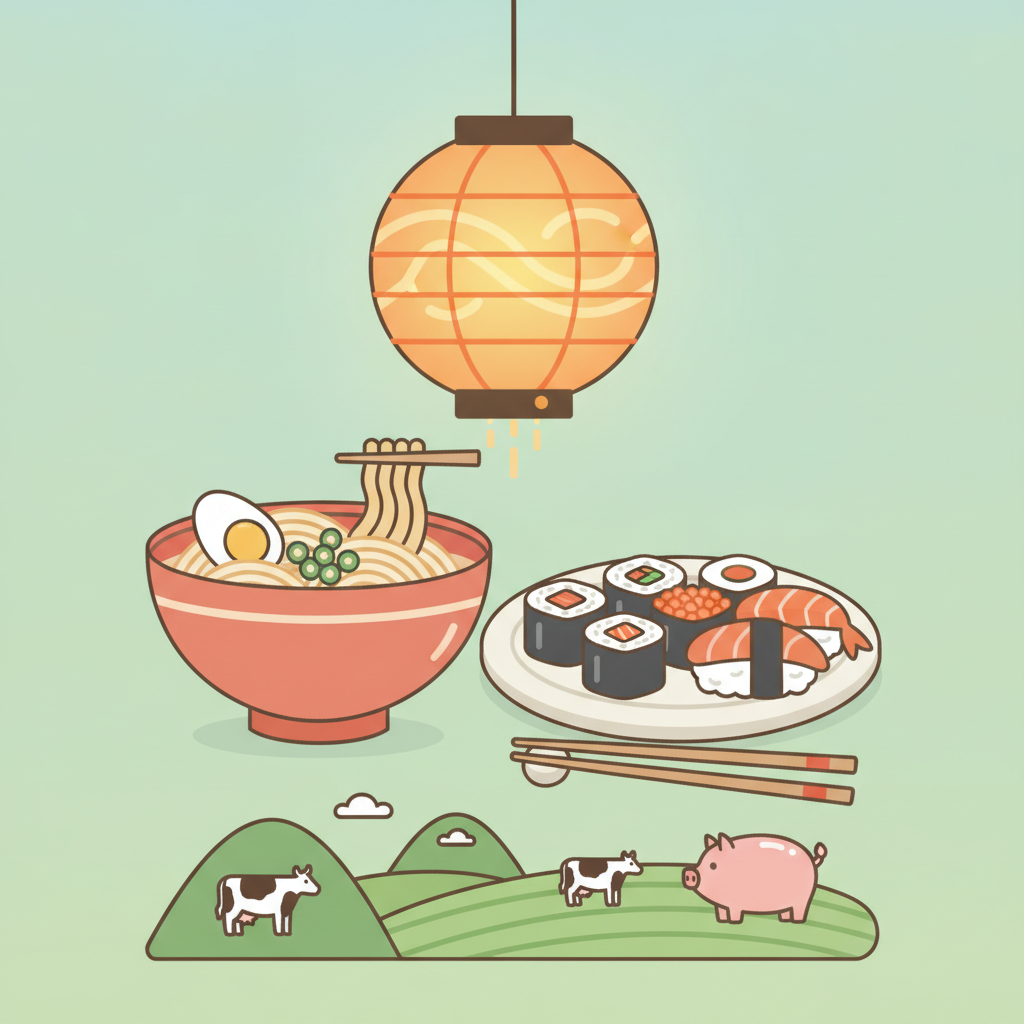
If you are planning a trip to Hokkaido in 2026, chances are you have booked a few days in Sapporo or a luxury stay in Niseko. But if your main reason for visiting Japan's northern island is world-class food, you are making a critical mistake by skipping Obihiro. Located in the vast Tokachi Plain, Obihiro is the agricultural engine of Japan. It produces the country's finest dairy, wheat, and pork. What does this mean for the savvy traveler? It means you get to bypass Sapporo’s inflated tourist pricing and experience farm-to-table dining for pocket change.
In this guide, we dive deep into the local culinary scene to uncover the absolute best authentic butadon (pork bowls) and farm-fresh dairy experiences, all strictly vetted for 2026. Forget the generic travel brochures that point you to overpriced station restaurants. We are showing you exactly where the locals eat, how much it actually costs right now, and why this underrated city deserves a spot on your Japan itinerary.
What You'll Get From This Guide
- The Tourist Trap Warning: Why the most famous butadon shop in Obihiro isn't worth your time.
- Real 2026 Prices: Exact ¥ and USD costs for meals, ensuring you never pay a tourist tax.
- Local Farm Profiles: Driving distances and specifics for Hokkaido’s premier raw milk and soft serve spots.
- Navigational Data: Exact walking times, station exits, and bus routes for top-tier local restaurants.
- Actionable FAQ: Real answers about solo travel, driving in Hokkaido, and true daily budgets.
The Butadon Reality Check: What Tourists Get Wrong
The moment you walk out of the North Exit of Obihiro Station, you will likely see a massive line of tourists waiting outside Butadon Pancho (豚丼のぱんちょう). Most international guidebooks list Pancho as a "must-visit" because they allegedly invented the dish in 1933.
Here is our honest local tip: Do not wait in that line.
While Pancho is historically significant, waiting 60 to 90 minutes in Hokkaido's unpredictable weather for an overpriced bowl is a classic rookie mistake. In 2026, a "Pine" (Matsu) size bowl at Pancho costs ¥1,380 (~$9.50 USD), which completely shatters the budget-friendly spirit of Obihiro’s working-class roots. Locals actively avoid this station-front congestion. Instead, the true stars of the Obihiro pork bowl scene are found slightly further into the city, where the meat is thicker, the charcoal sear is deeper, and the price firmly stays under ¥1,000.
Top Tier Authentic Butadon Under ¥1,000
If you want the true Tokachi experience, you need to eat where the farmers and local office workers go. Here are the two undisputed kings of Obihiro butadon in 2026.
Butadon Tonta (豚丼のとん田)
Tonta is widely considered by Obihiro residents to be the absolute pinnacle of the craft. Located a 25-minute walk (or a 10-minute bus ride via the Tokachi Bus Route 17) southeast of Obihiro Station, this unassuming, single-story shop focuses strictly on meat quality and their legendary hand-cut slices.
- The Order: Rosu Butadon (Pork Loin Bowl)
- 2026 Price: ¥950 (~$6.55 USD)
- Specifics: You will sit at the 1st-floor wooden counter. The beauty of Tonta is their signature sweet soy glaze served in a separate small pitcher, allowing you to control the exact saltiness of your rice. Come right at their 11:00 AM opening to avoid the local lunch rush.
Butadon Ippin Obihiro Main Store (ぶた丼いっぴん 帯広本店)
While Ippin has expanded into Sapporo, their original flagship store in Obihiro remains legendary for its intense charcoal flavor. Located on Route 38, about a 7-minute taxi ride from Obihiro Station.
- The Order: Standard Butadon (Cut small for easier eating)
- 2026 Price: ¥980 (~$6.75 USD)
- Specifics: The meat here is cooked on a massive charcoal grill visible from the 1st-floor dining room. The smoke adheres to the pork, giving it a BBQ pitmaster quality that pan-fried versions lack.
Obihiro Butadon Comparison Table
| Restaurant Name | Distance from Obihiro Stn | Meat Cut Specialty | 2026 Price (Std Bowl) | Local Verdict |
|---|---|---|---|---|
| Butadon Pancho | 1 min walk | Lean Loin | ¥1,180 (~$8.15 USD) | Tourist heavy, long wait |
| Butadon Tonta | 25 min walk / 10 min bus | Pork Belly & Loin | ¥950 (~$6.55 USD) | Best overall flavor & value |
| Butadon Ippin | 7 min taxi | Charcoal-grilled Loin | ¥980 (~$6.75 USD) | Best smoky BBQ flavor |
| Hageten Main | 4 min walk | Pan-seared Loin | ¥1,100 (~$7.60 USD) | Good if you also want tempura |
Beyond Meat: Tokachi Dairy Farms Worth the Drive
Obihiro is surrounded by rolling green pastures. If you are visiting between May and October, tasting the raw dairy straight from the source is non-negotiable.
Naitai Terrace (Naitai Highland Farm)
Located in Kamishihoro town (about a 50-minute drive north of Obihiro Station), this is Japan's largest public pasture, covering 1,700 hectares.
- The Order: Shirokuro (Black & White) Soft Serve
- 2026 Price: ¥450 (~$3.10 USD)
- Specifics: Head to the glass-walled cafe on the top hill. The ice cream uses fresh Tokachi milk and rich local chocolate. The view of the cows grazing below the massive panoramic windows is unmatched.
Tokachi Shinmura Farm
A scenic 40-minute drive northeast of Obihiro into Kamishihoro. Shinmura Farm is famous nationwide for inventing Japanese "Milk Jam."
- The Order: Fresh Milk Affogato
- 2026 Price: ¥650 (~$4.50 USD)
- Specifics: Their free-range cows are milked daily to create dairy products with staggering butterfat content. The cafe is a small wooden chalet on the 1st floor. If you want to take the taste home, you can Buy authentic Butadon sauce on Amazon Japan or order Shinmura milk jam online, though nothing beats eating it on-site.
Obihiro's Sweet Secret: The ¥100 Bakery Culture
You don't need a rental car to enjoy Tokachi’s incredible wheat and dairy. You just need to walk 5 minutes from Obihiro Station to Masuya Pan Flagship Store (満寿屋商店 帯広本店).
Masuya has been operating since 1950 and uses 100% locally sourced Tokachi wheat. Most bakeries in Tokyo or Sapporo import cheap foreign wheat, but Masuya takes advantage of local agriculture to sell premium pastries for literal pocket change.
- White Spar (White Sand) Bread: ¥180 (~$1.25 USD) – A fluffy roll filled with raw milk buttercream.
- Tokachi Cheese Bread: ¥220 (~$1.50 USD) – Baked with three types of local cheese.
Budget Sweets & Dairy Comparison Table
| Item | Shop / Location | Walk/Drive Time | 2026 Price | USD Est. |
|---|---|---|---|---|
| White Spar Bread | Masuya Pan (Obihiro Stn) | 5 min walk | ¥180 | ~$1.25 |
| Rich Soft Serve | Naitai Terrace (Kamishihoro) | 50 min drive | ¥450 | ~$3.10 |
| Milk Affogato | Tokachi Shinmura Farm | 40 min drive | ¥650 | ~$4.50 |
| Sanpouroku Cake | Ryugetsu Sweetpia Garden | 15 min drive | ¥700 (Pack) | ~$4.80 |
Essential Trip Planning Links
To maximize your time and budget in Japan for 2026, ensure your logistics are locked down:
- Start Your Journey: Before heading to Hokkaido, many travelers hit the capital. Make sure to Book Shibuya Sky / Tokyo Disneyland / Universal Studios Japan on Klook well in advance, as 2026 slots sell out 30 days prior.
- Obihiro City Stays: If you don't want to drive at night, stay directly near the station. Search best hotels in Japan on Booking.com and look specifically for "JR Inn Obihiro" or "Dormy Inn Obihiro" for walking access to food.
- Upgrade to Onsen: Want the ultimate luxury? Drive 20 minutes to Tokachigawa Onsen for the rare botanical moor hot springs. Book traditional Japanese ryokan on Rakuten Travel Japan to lock in half-board meals that feature the very pork and dairy mentioned above.
Frequently Asked Questions
Q: How much does a food-focused trip to Obihiro cost in 2026?
Obihiro is significantly cheaper than Sapporo, Niseko, or Hakodate. In 2026, a standard business hotel near Obihiro Station (like Dormy Inn or Richmond Hotel) averages around ¥8,500 to ¥11,000 ($58-$75 USD) per night for a single room. Because the premium local food—namely butadon and dairy—is inherently casual, your daily food budget can easily stay under ¥4,000 ($27 USD). A morning bakery run at Masuya Pan will cost ¥500, a massive pork bowl lunch at Tonta is ¥950, and a hearty izakaya dinner emphasizing local potatoes, cheese, and grilled meats usually stays around ¥2,500 per person. It is an incredibly budget-friendly destination for high-tier gastronomy.
Q: Is Obihiro safe and accessible for solo travelers?
Absolutely. Obihiro is remarkably safe, even by Japan’s incredibly high standards, and boasts practically zero street crime. For solo diners, it is a paradise. Almost every butadon shop, including Tonta and Ippin, features extensive first-floor counter seating specifically designed for single diners who want to get in, eat efficiently, and leave. You will never feel awkward eating alone here. The only safety warning applies to those venturing far out into the rural farm areas or the Daisetsuzan National Park perimeter: Hokkaido has an active brown bear population. If you are hiking near the dairy farms, always carry a bear bell and stay on designated paths.
Q: Do I need a rental car to explore Obihiro's food scene?
It depends entirely on your itinerary. If you only want to eat butadon, sample local bakery items, and visit the main branches of famous sweets shops like Rokkatei, you absolutely do not need a car. All of this can be done within a 30-minute walking radius of Obihiro Station or by using local Tokachi buses. However, if you want to visit the elite dairy farms like Naitai Terrace or Shinmura Farm, a rental car is 100% mandatory. Public transport does not service these remote pastoral areas efficiently. Be warned: if you visit between December and March, do not rent a car unless you have extensive experience driving on solid ice and navigating whiteout snow conditions.
Q: What is the best time of year to visit Obihiro?
For a food and farm-focused trip, the undisputed best time to visit is from early July to late September. During these summer and early autumn months, the massive Tokachi plains are vivid green, the cows are actively grazing outdoors, and the farm cafes operate at full capacity. The weather is pleasantly cool, usually hovering around 22°C (71°F), providing a perfect escape from Tokyo’s brutal summer humidity. If you visit in winter, the rural dairy farms close down or severely limit hours, and the landscape is buried in snow. Winter is only recommended if your priority is soaking in the Tokachigawa Moor Onsen.
Q: Can I use Suica/IC cards and credit cards in Obihiro?
In 2026, Japan has made massive strides toward becoming a cashless society, but rural Hokkaido still lags behind Tokyo. Major hotels, convenience stores, and the Obihiro Station retail areas will happily accept Visa, Mastercard, and digital IC cards like Suica or Pasmo. However, many independent, old-school restaurants—including legendary spots like Butadon Tonta—remain strictly cash-only or only accept local QR payment systems like PayPay (which non-residents cannot easily set up). Always carry at least ¥10,000 in physical paper currency when dining out in Obihiro to avoid the embarrassment of being turned away at the register.
Bottom Line
Obihiro is not for the traveler who wants neon lights, all-night clubbing, or traditional temples. It is a working-class agricultural hub that stubbornly refuses to cater to international tourism trends. If you are willing to step slightly off the beaten path, skip the tourist line at Pancho, and embrace the local pacing, you will be rewarded with the best pork, dairy, and wheat in Japan for under ¥1,000 a meal. It is arguably the highest return on investment for foodies in all of Hokkaido right now.
📝 この記事について
監修・運営: Futuristic Imagination LLC
専門分野: 日本旅行・インバウンド
AI技術と専門家の知見を組み合わせ、信頼性の高い情報をお届けします。