[Disclosure] This article contains affiliate links. We may earn a commission at no extra cost to you.
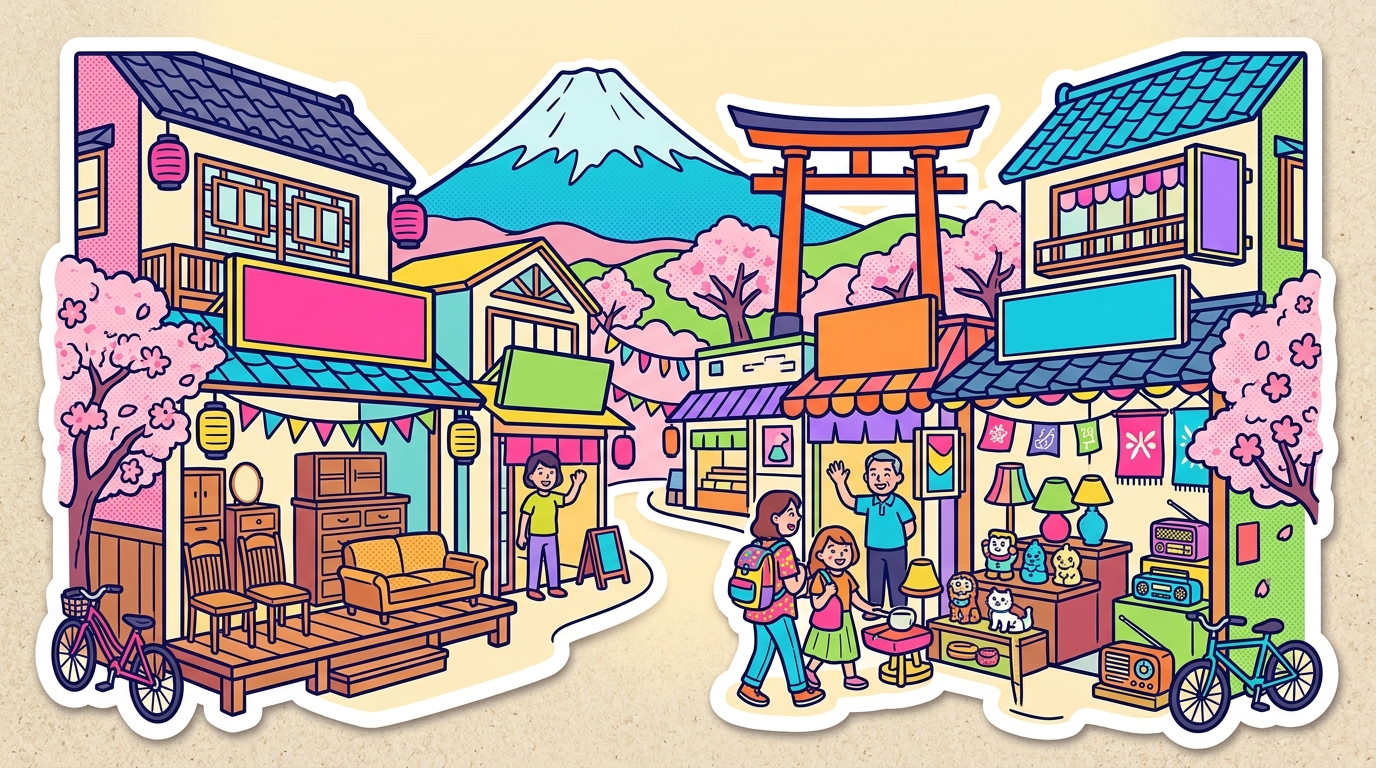
Welcome to Nishi-Ogikubo, Tokyo's understated yet utterly captivating haven for antique and secondhand furniture enthusiasts. Often overshadowed by flashier, trend-driven districts, Nishi-Ogi (as locals affectionately call it) is a quiet residential neighborhood in Suginami Ward that has, over decades, organically cultivated a reputation as THE destination for authentic, unpretentious vintage finds and genuine Japanese antiques, especially for interior goods. If you’ve already browsed the fashion vintage in Shimokitazawa and found Jiyugaoka's curated designer boutiques a little too pristine, Nishi-Ogikubo is your next pilgrimage. In this guide, we cut through the tourist fluff to bring you the real 2026 lowdown on where to find that perfect mid-century modern piece, a unique Showa-era collectible, or a truly special piece of Japanese pottery, complete with specific shop names, prices, and honest local insights.
What You'll Get From This Guide
A detailed, 2026-specific breakdown of Nishi-Ogikubo's best antique and secondhand furniture shops.
Real-world pricing for a range of vintage and antique items in Yen and USD.
Practical local tips on navigating the area, understanding the stock, and even shipping larger purchases.
An honest assessment of what makes Nishi-Ogikubo superior to other "vintage" areas in Tokyo.
Advice on avoiding common tourist mistakes and finding truly unique pieces.
Why Nishi-Ogikubo, Not Shimokita or Jiyugaoka?
When tourists hear "vintage Tokyo," Shimokitazawa immediately springs to mind. And for vintage fashion, Shimokita is indeed fantastic. But for serious antique furniture, traditional Japanese crafts, or secondhand home goods, Nishi-Ogikubo operates on an entirely different, and frankly, superior level. It’s a distinction often lost on first-time visitors who don't know the difference between 'vintage clothing' and 'genuine antiques.'
The Local Vibe & Price Advantage
Nishi-Ogikubo isn't trying to be cool or trendy. It's simply been a hub for secondhand goods for a long time, evolving naturally from a neighborhood with a high concentration of artists and creators who appreciate unique, pre-loved items. This means the shops here are often run by passionate, knowledgeable individuals, and the pricing reflects a more local, less tourist-inflated market. You're more likely to find a solid wooden chest of drawers for ¥18,000 / ~$120 USD here than a similar quality piece for double the price in a more "fashionable" area. The focus isn't on Instagram-perfect displays but on the quality and history of the items themselves.
Overrated & Overpriced Alternatives
Shimokitazawa: While excellent for vintage apparel (think quirky streetwear, Americana, designer reprints), its "antique" shops often lean heavily into novelty items or curated, smaller home goods at premium prices. You won't find substantial furniture here in the same volume or at the same value as Nishi-Ogi.
Jiyugaoka: This area offers beautiful, often high-end interior shops and galleries. However, much of its "vintage" stock is carefully selected, often imported designer pieces, or contemporary items made to look vintage. Prices here are significantly higher, targeting an affluent local clientele looking for specific aesthetics rather than hidden treasures. For a genuine treasure hunt on a reasonable budget, Jiyugaoka misses the mark entirely.
Navigating Nishi-Ogikubo's Antique Alleys
Nishi-Ogikubo Station is on the JR Chuo Line, just three stops (approx. 10 minutes) west of Shinjuku. The antique shops are concentrated around both the North and South exits, often tucked away on side streets rather than directly on the main thoroughfares. Don't be afraid to wander!
West Exit's Furniture Focus
The area immediately north and west of the station's North Exit tends to house larger shops specializing in furniture and more substantial home decor. Look for narrow alleys leading off the main shopping street (Ginza-dori Shotengai). Many of these shops occupy older buildings, sometimes over multiple floors, so keep an eye out for small signs.
East Exit's Eclectic Finds
The South Exit offers a more eclectic mix, with smaller antique shops nestled between cafes and independent bookstores. Here, you'll find more ceramics, glassware, vintage books, and smaller collectibles. The atmosphere is generally quieter and more residential.
Getting There
Take the JR Chuo Line (Orange Line) from Shinjuku Station directly to Nishi-Ogikubo Station (西荻窪駅). Rapid and Special Rapid services usually skip Nishi-Ogikubo, so ensure you're on a Local (各駅停車) or Chuo-Sobu Line (中央・総武線) train. The journey takes about 10-15 minutes. From Shibuya, you'll need to transfer at Shinjuku or ride the Inokashira Line to Kichijoji and then transfer to the Chuo Line.
Top Shops for Furniture & Home Goods (2026)
Here are some of Nishi-Ogikubo's standout establishments for serious antique and vintage shoppers. Note that many independent shops in Japan have irregular closing days, so always check their social media or call ahead if you have a specific destination in mind.
Vintage Haus Nishi-Ogi (ヴィンテージハウス西荻)
Location: North Exit, approx. 7-minute walk. Located on the 2nd floor of a nondescript building on a side street off Ginza-dori.
Specialty: Mid-century modern Japanese and Scandinavian furniture, often restored. Expect solid wood pieces, vintage desks, and armchairs.
Local Tip: Don't be shy about asking staff about the history of a piece. They are usually very knowledgeable, even if English is limited. Bring Google Translate!
Kottouya Sanpo (骨董屋 散歩)
Location: South Exit, approx. 5-minute walk. On a quiet street near the Sumitomo Mitsui Bank.
Specialty: Traditional Japanese antiques, particularly ceramics (Imari, Kutani ware), lacquerware, and small wooden tansu (chests). They also often have vintage textiles and scrolls.
Honest Voice: While some items can be pricey, the quality and authenticity are generally very high. This is where you find genuine kottouhin (antiques), not just "vintage." Avoid expecting deep discounts on truly rare items.
Recycle Boutique Sora (リサイクルブティック 空)
Location: North Exit, 3-minute walk from the station, on the main shopping street.
Specialty: A broader consignment store with a rapid turnover. You'll find a mix of used contemporary furniture, kitchenware, electronics, and occasionally surprising vintage gems at very affordable prices. Less curated, more of a hunt.
Tourist Trap to Avoid: Don't go in expecting curated "antiques." This is a secondhand store with potential vintage finds. The joy is in the unexpected discovery.
Hidden Gems for Vintage Finds & Collectibles (2026)
Beyond furniture, Nishi-Ogikubo shines with smaller, specialized shops for unique collectibles and retro goods.
Retro Zakka Corner (レトロ雑貨コーナー)
Location: South Exit, 6-minute walk, tucked away in an arcade off a quieter street.
Specialty: Showa-era (post-WWII to 1989) retro goods: vintage toys, anime figurines, old electronics, pop culture memorabilia, and quirky kitchenware. A nostalgia trip for many Japanese.
Local Tip: Look for "dead stock" items (unused old merchandise). These are often priced very reasonably and are in pristine condition.
The Old Book Shelf (古書棚)
Location: North Exit, 8-minute walk, near the Tamagawa Josui.
Specialty: Antique and secondhand books, vintage maps, postcards, and framed prints. A quiet spot perfect for finding unique literary or artistic treasures.
Antique map of Tokyo (reprint, A3 size): ¥3,500 - ¥8,000 / ~$23 - $55 USD
Honest Voice: Don't expect English books exclusively. Much of the charm is in the Japanese-language volumes, prints, and maps, which make unique decorative pieces regardless of language.
Sample Antique & Vintage Prices in Nishi-Ogikubo (2026)
Item
Estimated Price (¥)
Estimated Price (USD)
Typical Shop Type
Vintage Taisho-era ceramic plate (⌀20cm)
¥3,500 - ¥6,000
~$23 - $40 USD
Kottouya Sanpo, smaller antique shops
Mid-century modern armchair (wood/fabric)
¥45,000 - ¥70,000
~$300 - $465 USD
Vintage Haus Nishi-Ogi
Showa retro glass candy jar (20cm H)
¥1,800 - ¥3,500
~$12 - $23 USD
Retro Zakka Corner, Sora
Small wooden chest of drawers (40x30x50cm)
¥18,000 - ¥30,000
~$120 - $200 USD
Recycle Boutique Sora, smaller furniture shops
Antique Japanese woodblock print (A4 size)
¥7,500 - ¥18,000
~$50 - $120 USD
The Old Book Shelf, Kottouya Sanpo
Vintage hand-painted ceramic sake cups (set of 5)
¥4,000 - ¥8,000
~$27 - $55 USD
Kottouya Sanpo
Showa-era desk lamp (working condition)
¥6,000 - ¥12,000
~$40 - $80 USD
Vintage Haus Nishi-Ogi, Sora
Practicalities: Shipping, Negotiation, and Local Etiquette
Shipping Large Items Home
This is where planning is key. For items you can carry, obviously, hand-carry them! For larger pieces, domestic shipping within Japan is incredibly efficient and relatively affordable, primarily via Yamato Transport (Kuroneko Yamato). Many shops can arrange this for you to your hotel for a fee (e.g., ¥2,000-¥5,000 for a medium box / ~$13-33 USD).
For international shipping, it gets complicated. Most small antique shops in Nishi-Ogikubo do not offer international shipping directly. You'll need to use a specialized international shipping service. We recommend consulting a company like Send My Bag or DHL for quotes. Alternatively, if you plan to buy multiple large items, consider using a freight forwarder. Always clarify packaging requirements and insurance. A small armchair might cost ¥30,000 - ¥60,000 (~$200 - $400 USD) to ship to the US or Europe, on top of the item's cost. Factor this in before falling in love with a ¥45,000 table.
Can You Negotiate?
Unlike some markets, aggressive haggling is generally not practiced or appreciated in Japanese shops. However, polite negotiation, especially for cash payments or when buying multiple items, is sometimes possible, particularly in smaller, independent stores like Kottouya Sanpo. Don't expect massive discounts (more like 5-10%), but it doesn't hurt to politely ask, "Kore wa sukoshi omake dekimasu ka?" (Could you give me a small discount on this?). Be prepared for a polite "no" if the item is already priced fairly or a rare find.
Best Time to Visit
Weekdays, especially Tuesday through Friday mornings, are ideal. Many shops are closed on Mondays or Wednesdays, and weekends can see a small local crowd. Arriving around 10:30 AM allows you to browse before the midday rush and gives you ample time to explore the winding streets. Many shops open between 11:00 AM and 12:00 PM and close around 6:00 PM or 7:00 PM.
Q: How do I transport large furniture items from Nishi-Ogikubo back to my hotel or overseas in 2026?
A: Transporting large items from Nishi-Ogikubo requires foresight. For domestic transport within Tokyo (e.g., to your hotel), the most common and reliable method is through Yamato Transport (Kuroneko Yamato). Many antique shops are accustomed to arranging domestic shipping for customers, and costs are typically very reasonable, ranging from ¥2,000 to ¥8,000 (approx. $13-55 USD) for medium-to-large items, depending on size and distance. They often provide boxes and packaging assistance. Simply ask the shop staff, "Takuhaibin de okuremasu ka?" (Can this be sent by courier service?). For international shipping, the process is more involved. Small shops typically do not offer this service directly due to customs complexities and paperwork. You will need to engage a specialized international shipping company. It’s advisable to research and get quotes from services like DHL, FedEx, or dedicated art/furniture shippers before you travel. Costs can be significant, potentially exceeding the item's price, often ¥30,000 to ¥100,000 (approx. $200-670 USD) or more for furniture, plus customs duties in your home country. Always get a written quote, confirm packaging requirements, and understand insurance options. Factor these costs into your budget from the start.
Q: Is it safe to buy antiques in Nishi-Ogikubo, or are there many fakes?
A: Generally, buying antiques in Nishi-Ogikubo from established shops is very safe and reliable. Unlike some markets in other parts of the world, Japan has a strong culture of authenticity and reputable dealing, especially in niche communities like Nishi-Ogi. The shop owners are often passionate collectors themselves, with deep knowledge of their inventory. They take pride in the origin and condition of their pieces. You’re far more likely to encounter genuine, albeit sometimes well-worn, vintage items than outright fakes. However, exercising due diligence is always recommended. When purchasing, particularly more expensive items, ask questions about the item's history, origin, and any restorations. Look for signs of wear consistent with age, and examine the craftsmanship closely. If you’re unsure, it’s always wise to get a second opinion or stick to shops that provide clear provenance for their items. For example, in shops like Kottouya Sanpo, the staff are usually keen to share details about their traditional Japanese ceramics or lacquerware.
Q: What's the average price for a vintage ceramic dish or small furniture piece in Nishi-Ogikubo in 2026?
A: Prices in Nishi-Ogikubo are generally more approachable than in more touristy or high-end areas, reflecting its local character. For a vintage ceramic dish, such as a hand-painted Taisho or early Showa-era plate (around 15-20cm diameter), you can expect to pay between ¥3,000 and ¥8,000 (approximately $20-55 USD). Simpler, mass-produced Showa-era teacups or saucers might be found for as little as ¥800-¥1,500 (around $5-10 USD) per piece. For small furniture, like a bedside table, a small wooden stool, or a compact chest of drawers (e.g., 40x30x50cm), prices typically range from ¥10,000 to ¥30,000 (approximately $65-200 USD). A mid-century modern side table could be ¥25,000-¥40,000 ($165-265 USD). The price significantly depends on the item's age, rarity, condition, material (e.g., solid wood vs. veneer), and whether it has been restored. Shops like Recycle Boutique Sora will offer lower prices due to their consignment model, while curated spaces like Vintage Haus Nishi-Ogi will have slightly higher prices for their restored and authenticated pieces. Always check the item's stability and any potential damage before purchasing.
Q: Can I negotiate prices with antique dealers in Nishi-Ogikubo?
A: Unlike many open-air markets or tourist-focused areas in some countries, aggressive negotiation (haggling) is generally not part of Japanese retail culture, particularly in established shops. However, in Nishi-Ogikubo's independent antique stores, a polite inquiry about a "small discount" (omake or nebiki) is not entirely unheard of and may sometimes be met with a positive response, especially if you're paying in cash or buying multiple items. For instance, if you're purchasing three plates from Kottouya Sanpo, you might politely ask, "Kore o zenbu kaimasu to, sukoshi nebiki dekimasu ka?" (If I buy all of these, could I get a small discount?). Expect a discount in the range of 5-10% at most, not a significant reduction. Never be forceful or insistent if the owner declines, as this can be seen as rude. Most items are priced fairly for their condition and market value. If a shop owner says no, simply accept it gracefully. The local etiquette emphasizes respect and politeness, so maintaining a friendly demeanor is key.
Q: Besides antiques, what else is Nishi-Ogikubo known for in 2026?
A: Nishi-Ogikubo is cherished by locals for its relaxed, bohemian, and slightly retro atmosphere, extending beyond just antiques. It’s an area where time seems to slow down compared to central Tokyo. In 2026, it remains a fantastic spot for:
Independent Cafes and Restaurants: The neighborhood is dotted with charming, often individually owned, cafes (known for their excellent coffee and unique decor) and small, cozy eateries serving everything from traditional Japanese fare to international cuisine. Many of these have been around for decades, fostering a strong local community feel.
Unique Boutiques and Specialty Stores: Beyond antiques, you'll find small shops selling handmade crafts, independent fashion labels, and specialized goods (e.g., artisan bread, organic groceries).
Green Spaces and Residential Charm: Nishi-Ogikubo is predominantly a residential area, characterized by quiet streets, charming old houses, and small parks, offering a glimpse into everyday Tokyo life outside the bustling city center. It's a great place for a leisurely stroll.
Community Vibe: It has a strong sense of community, with local festivals and events (like the Nishi-Ogi Rakugo Festival) throughout the year, making it feel distinctly different from more transient tourist destinations. It's not a place for major attractions, but rather for soaking in genuine local life.
Q: What's the best time of day/week to visit Nishi-Ogikubo for antique shopping to avoid crowds?
A: To truly enjoy the leisurely pace of Nishi-Ogikubo's antique scene and interact more freely with shop owners, the best time to visit is on a weekday morning, specifically Tuesday through Friday, starting around 10:30 AM to 11:00 AM. Many small shops here have irregular closing days; Mondays and Wednesdays are common closure days for independent stores across Tokyo, so always double-check individual shop hours online before your visit if you have specific destinations in mind. Weekends can see a modest increase in local foot traffic, particularly in the afternoons, though it rarely reaches the crowded levels of central Tokyo. Arriving in the late morning allows you to catch shops as they open (many might open closer to 11 AM or noon) and gives you several hours of unhurried browsing before the lunch rush. You'll have an easier time navigating the narrow alleys and receive more personalized attention from shop staff. Avoid public holidays if possible, as shops may close or be busier.
Bottom Line
Nishi-Ogikubo in 2026 remains Tokyo's unrivaled secret for those seeking genuine antiques, mid-century modern furniture, and unique vintage home goods without the tourist circus. It's a place where patience and a willingness to wander off the beaten path are rewarded with authentic finds and fair prices. This district is not for the traveler looking for quick, flashy shopping or a curated, high-end design experience. Instead, it's tailored for the discerning collector, the interior design enthusiast, and the curious explorer who values history, character, and the thrill of discovery. If you're tired of tourist traps and yearn for a deeper, more honest slice of Tokyo's vintage culture, Nishi-Ogikubo is your destination. Don't check Amazon Japan for these specific items; get out there and explore! Check on Amazon Japan for general antique-style decor if you can't make it to Nishi-Ogi in person.
🧾 Before you buy: tax-free, payment and getting it home
Tax-free basics
Bring your passport and spend at least ¥5,000 at one shop on the same day.
From 1 November 2026 the system changes: you pay the full price including consumption tax in the shop, then complete a refund procedure before you leave Japan. Buying tax-free at the register ends.
The same reform abolished the general-goods/consumables split, the ¥500,000 daily cap on consumables and the special sealed packaging. What changes on 1 November 2026 →
⚠️ Since 1 April 2025, goods shipped to your home country by international parcel are no longer tax-exempt. If you want the tax break, carry the item out yourself as baggage — shipping is for convenience, not for saving tax.
Paying
Big electronics and chain stores take international cards. Small card shops and second-hand stalls are often cash-only, so keep some yen on you.
Wallets from 17 countries and regions work at PayPay's QR terminals through Alipay+ — including Singapore, Hong Kong, Malaysia and the Philippines. You pay with your own app and the yen amount converts automatically. Cards from the US, UK and Australia are not part of this, so use your card or cash there.
Sources: Japan National Tourism Organization (japan.travel) / PayPay (about.paypay.ne.jp)