[Disclosure] This article contains affiliate links. We may earn a commission at no extra cost to you.
Tired of the polished, predictable glitz of Shibuya and Shinjuku? Good. Because if you’ve already navigated Tokyo’s mainstream, you're ready for Koenji. This isn't where you come for luxury brands or futuristic skyscrapers; Koenji is Tokyo's authentic, beating heart of vintage fashion, independent music, and a thriving subculture scene that steadfastly resists gentrification. This guide will arm you with the specific, 2026-relevant information you need to dive headfirst into Koenji's labyrinthine streets, revealing its best-kept secrets, real prices, and local insights that glossy travel brochures simply won't tell you.
What You'll Get From This Guide
- 2026 Pricing for Koenji's Best Vintage: Real prices (¥ & USD) for authentic finds, not tourist markups.
- Exact Shop Locations & Specialties: Navigate Koenji's vintage scene like a local, with specific store recommendations.
- Local Izakayas & Bars: Discover where to eat and drink without paying premium tourist prices.
- Koenji's Live Music Scene: A guide to its legendary live houses, cover charges, and typical schedules.
- Honest Insider Tips: Avoid common tourist mistakes and uncover genuine local experiences.
- Practical 2026 Travel Data: Transportation, timing, and what to expect from Koenji's evolving landscape.
Koenji's Enduring Vibe: Why It's Still Tokyo's Subculture Sanctuary
Koenji, nestled on the JR Chuo Line, remains Tokyo's stubbornly independent spirit. Unlike nearby Shimokitazawa, which has seen a significant influx of commercialization, Koenji has largely maintained its gritty, DIY charm. It’s a place where artists, musicians, students, and free spirits congregate, fostering an environment where small businesses thrive and creativity flourishes. The neighborhood is famed for its incredible density of vintage clothing stores, record shops, and intimate live music venues, all interconnected by a network of narrow shotengai (shopping streets) and even narrower side alleys. In 2026, Koenji continues to be a refuge for those seeking an alternative to mainstream Tokyo, offering a deep dive into Japanese counter-culture that feels both authentic and welcoming, provided you know where to look.
The Myth of Cheap Vintage (and the Reality)
Many tourists mistakenly believe Koenji is a treasure trove of dirt-cheap vintage. While you can certainly find bargains, especially on "fast fashion" vintage items, high-quality, authentic American vintage from the 60s-90s or rare Japanese designer pieces command serious prices. Don't expect ¥500 /$3.30 USD Levi's 501s from the 70s. The real value is in the incredible curation and the sheer volume of unique items you won't find anywhere else.
Vintage Hunting: Navigating Koenji's Best Shops in 2026
Koenji boasts over a hundred vintage stores, concentrated mainly around JR Koenji Station's north and south exits. The key is to venture beyond the main arcades.
North Exit Treasures
- Safari 1st (サファリ 1号店): Located just a 2-minute walk from Koenji Station North Exit, at 3-3-1 Koenji Kita, Suginami-ku. This flagship store specializes in high-quality American vintage — think denim, military wear, and workwear. Expect a vintage Levi's 501 XX from the 60s to cost around ¥45,000 / ~$300 USD, while a well-preserved 90s band tee might be ¥8,000-¥15,000 /
$53-$100 USD. They have several branches, but the 1st store is the most iconic. - Kiki (キキ): A charming boutique at 3-3-12 Koenji Kita, Suginami-ku, about 4 minutes from the North Exit. Kiki focuses on quirky, feminine vintage, often with a European flair. Think patterned dresses, unique blouses, and retro accessories. Prices for a cute dress range from ¥6,000-¥12,000 /
$40-$80 USD. - Hayao (ハヤオ): Tucked away at 3-2-2 Koenji Kita, 2F, a 3-minute walk from the North Exit, near the arcade entrance. Hayao offers a curated selection of menswear and womenswear with a focus on designer vintage and unique, artistic pieces. A vintage Issey Miyake piece could be ¥20,000 / ~$133 USD and up.
South Exit & Look Shopping Street Gems
- Slut (スラット): A staple on Look Shopping Street (ルック商店街), around a 5-minute walk from the South Exit, at 3-4-10 Koenji Minami, Suginami-ku. Slut is known for its extensive range of affordable American casual vintage, from sportswear to denim jackets. You can often find decent graphic tees for ¥3,000-¥6,000 /
$20-$40 USD and a good quality flannel shirt for ¥4,000 / ~$27 USD. - Soreike! (それいけ!): A smaller, more niche shop found at 3-4-12 Koenji Minami, also on Look Shopping Street. Soreike! specializes in more eccentric, playful vintage, often with bold patterns and bright colors. Ideal for finding a statement piece. Dresses start from ¥5,000 / ~$33 USD.
- Kitakore Building (高円寺北中通り商店街): While not a single shop, this micro-complex (often incorrectly referred to as a single building) on Kitachuu-dori street, about 7 minutes from the North Exit (3-44-18 Koenji Kita), houses several tiny, independent vintage and avant-garde shops. Many don't have prominent signs; just dive in. Expect prices to vary wildly depending on the shop and item, from ¥2,000 / ~$13 USD for accessories to ¥30,000 / ~$200 USD for unique clothing. It's a true treasure hunt.
Vintage Shop Comparison (2026)
| Shop Name | Location & Vibe | Specialty | Typical Price Range (¥) |
|---|---|---|---|
| Safari 1st | North Exit, classic, rugged Americana | American workwear, denim | ¥8,000 - ¥50,000+ |
| Kiki | North Exit, quaint, feminine | European, quirky dresses | ¥6,000 - ¥15,000 |
| Hayao | North Exit, sophisticated, curated | Designer vintage, unique items | ¥10,000 - ¥40,000+ |
| Slut | South Exit/Look Street, extensive, casual | American casual, sportswear | ¥3,000 - ¥10,000 |
| Soreike! | South Exit/Look Street, eclectic, playful | Bold patterns, statement pieces | ¥5,000 - ¥15,000 |
| Kitakore Building | North Exit, avant-garde, indie, various micro-shops | Avant-garde, punk, niche | ¥2,000 - ¥30,000+ |
Koenji's Nightlife: Live Houses & Local Izakayas
Koenji truly comes alive after dark, its narrow streets buzzing with the sound of live music and the clatter of plates from busy izakayas.
Legendary Live Houses
Koenji is arguably Tokyo's best district for independent and underground music. Forget stadium shows; here it's all about intimate venues.
- JIROKICHI (次郎吉): A true institution, celebrating over 50 years of live music. Located at 2-38-8 Koenji Kita, B1F, a 3-minute walk from the North Exit. JIROKICHI primarily hosts jazz, blues, and funk acts. Entry fees typically range from ¥3,000-¥4,500 /
$20-$30 USD (including one drink). Shows usually start around 7:30 PM. - Koenji HIGH: A larger, more modern live house focused on rock, indie, and alternative bands. Find it at 4-30-1 Koenji Minami, 2F, about a 5-minute walk from the South Exit. Cover charges are usually ¥2,500-¥3,500 /
$17-$23 USD, plus a ¥600 / ~$4 USD drink ticket. Check their website for daily schedules, as they feature multiple bands per night. - U-hA (ウーハ): A smaller, more intimate venue specializing in acoustic, folk, and experimental music. Located at 2-19-12 Koenji Minami, B1F, 2 minutes from the South Exit. Expect cover charges of ¥2,000-¥3,000 /
$13-$20 USD.
Local Izakayas & Bars
For a truly local Koenji experience, skip the tourist-trap chains.
- Toroya (とろや): A beloved yakitori spot just a 2-minute walk from the North Exit, at 3-23-1 Koenji Kita. Known for its perfectly grilled skewers and lively atmosphere. A plate of 5 yakitori skewers (e.g., negima, tsukune, momo) will run about ¥800-¥1,200 /
$5-$8 USD. A large draft beer (Kirin or Asahi) is around ¥600 / ~$4 USD. - Tensuke (天すけ): While primarily famous for its tempura tendon lunch (see below), at night Tensuke operates as a cozy izakaya offering fantastic tempura à la carte and sake pairings. Located at 3-22-7 Koenji Kita, 3 minutes from the North Exit. Expect to pay around ¥3,000-¥5,000 /
$20-$33 USD per person for a good meal and drinks. - Bar Ikkyu (バー一休): A classic, no-frills local bar, perfect for a quiet drink. Tucked away at 2-21-6 Koenji Minami, 4 minutes from the South Exit. Beers are around ¥600 / ~$4 USD, and simple cocktails are ¥700-¥900 /
$5-$6 USD. Don't expect craft cocktails; this is for atmosphere and local interaction.
Live House Comparison (2026)
| Venue Name | Location & Style | Primary Genres | Average Cover Charge (¥) | Typical Drink Price (¥) |
|---|---|---|---|---|
| JIROKICHI | North Exit, intimate, storied | Jazz, Blues, Funk | ¥3,000 - ¥4,500 (incl. 1D) | ¥600 - ¥800 |
| Koenji HIGH | South Exit, modern, medium-sized | Rock, Indie, Alternative | ¥2,500 - ¥3,500 (+1D) | ¥600 |
| U-hA | South Exit, cozy, stripped-down | Acoustic, Folk, Experimental | ¥2,000 - ¥3,000 | ¥500 - ¥700 |
Koenji's Culinary Delights: Beyond the Izakaya
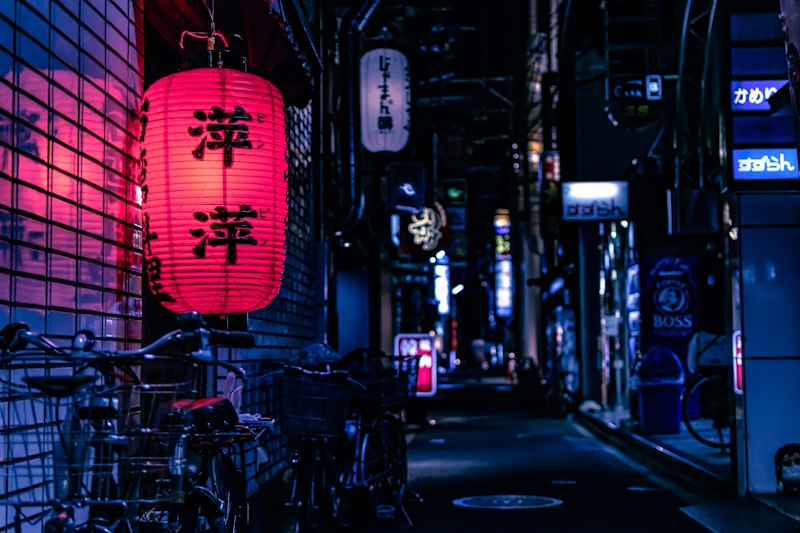
Koenji's food scene is as diverse as its population, offering everything from classic ramen to unique fusion spots.
Don't Miss These Local Eats
- Tensuke (天すけ): The legendary tempura shop mentioned above, but for lunch. Prepare for a wait. Their signature tamago tendon (tempura egg on rice) is a must-try. Lunch sets (tendon, miso soup, pickles) are ¥1,800 / ~$12 USD. They serve a limited number of diners per day, so aim to arrive before opening at 12:00 PM. Located at 3-22-7 Koenji Kita, 3 minutes from the North Exit.
- Koenji Ramen (高円寺ラーメン): A classic tonkotsu ramen joint, perfect for a hearty bowl. You'll find it under the train tracks, 2 minutes from the South Exit, at 2-22-10 Koenji Minami. A standard ramen bowl is ¥950 / ~$6.30 USD, with extra toppings like chashu (pork slices) or ajitama (flavored egg) adding ¥150-¥300 /
$1-$2 USD. - Cafe Cross Point (カフェ クロスポイント): A laid-back, artsy cafe perfect for a coffee break or light lunch. Located at 3-20-13 Koenji Kita, a 4-minute walk from the North Exit. A specialty coffee is ¥550-¥700 /
$3.70-$4.70 USD, and a sandwich set is around ¥1,200 / ~$8 USD. Great spot for people-watching.
Hidden Gems & Local Knowledge
Koenji is best experienced by wandering aimlessly, but a few specific pointers can enhance your adventure.
Koenji Hachiman-gu Shrine (高円寺氷川神社)
Often overlooked by tourists focused on shopping, Koenji Hachiman-gu Shrine (2-23-5 Koenji Minami) is a peaceful oasis just a 7-minute walk from the South Exit. It’s a beautiful Shinto shrine with an impressive gate and tranquil grounds, offering a stark contrast to the bustling streets. Take a moment to appreciate the traditional architecture and the quiet atmosphere. It’s especially beautiful during sakura season (late March/early April).
Nakano Broadway (中野ブロードウェイ) — A Side Trip
While technically in the next station over (Nakano), Nakano Broadway is an absolute must-visit for any subculture enthusiast and is easily accessible from Koenji. Just a 2-minute train ride on the JR Chuo Line (or a pleasant 20-minute walk). It’s a multi-story shopping complex packed with manga, anime, vintage toys, idol goods, and incredibly niche collectibles. Don't waste your time in Akihabara if you want real otaku finds; Nakano Broadway is where serious collectors go. Stores like Mandarake Complex (3F-4F) have everything imaginable. Prepare to spend hours and budgets there.
Navigating Koenji: Practicalities for 2026
Koenji is incredibly pedestrian-friendly, but understanding its layout helps.
Getting There
Koenji Station is on the JR Chuo Line. From Shinjuku Station, it's a direct 7-minute ride on the rapid train (though rapid trains do not stop here on weekends/holidays, so take a local train then). The station has two main exits: North and South. The main shopping streets, Pal and Look, radiate from the South Exit. The North Exit also leads to several excellent vintage shops and restaurants.
Best Time to Visit
- Weekdays (afternoons): For vintage shopping, weekdays are ideal. Shops are less crowded, and you can browse at your leisure. Many shops open around 12:00 PM or 1:00 PM.
- Weekend Evenings: For live music and a bustling izakaya scene, Saturday nights are vibrant, but expect crowds.
- Awa Odori (Late August): If your visit aligns with the Koenji Awa Odori Festival (usually the last weekend of August), prepare for immense crowds but an unforgettable cultural spectacle. This is Koenji's biggest annual event.
Local Tip: Embrace the Alleys
The biggest mistake tourists make is sticking to the main covered shopping streets (Pal and Look). While these are great starting points, Koenji's true magic lies in the tiny, often unmarked side alleys. You'll find hidden cafes, obscure vintage shops, tiny bars, and unique street art. Just pick a side street and wander; you'll be surprised by what you discover. These are also often where the more affordable, genuinely local eateries are.
Planning a longer stay in Tokyo? Consider booking a hotel near a major JR station for easy access to Koenji and beyond. For overseas visitors, Search hotels on Klook offers a wide range of options. If you're a Japan resident or expat, Book on Rakuten Travel Japan often has great local deals.
Frequently Asked Questions

Q: How much does a decent vintage outfit cost in Koenji in 2026?
A: The cost of a "decent vintage outfit" in Koenji in 2026 can vary significantly depending on what you're looking for and your definition of "decent." For a casual, everyday look (e.g., a graphic tee, a pair of worn jeans, and a light jacket), you could realistically assemble an outfit for ¥10,000-¥20,000 / $67-$133 USD. This would likely involve items from shops like Slut or smaller, less-curated stores found in the side alleys. For example, a good quality vintage graphic tee might be ¥4,000 / ~$27 USD, Levi's jeans from the 80s/90s around ¥7,000 / ~$47 USD, and a vintage work jacket for ¥9,000 / ~$60 USD. If you're aiming for higher-end, specific designer vintage or rare Americana from shops like Safari or Hayao, a single statement piece could easily cost ¥20,000-¥50,000 / $133-$333 USD or more. The beauty of Koenji is its range, allowing both budget-conscious shoppers and serious collectors to find something.
Q: Is Koenji safe for solo female travelers at night in 2026?
A: Yes, Koenji is generally very safe for solo female travelers, even at night in 2026. Like most of Tokyo, crime rates are extremely low. The streets around the station, particularly the main shopping arcades and streets with bars and live houses, remain well-lit and have a consistent flow of people until late in the evening. Many locals commute through Koenji, and you'll find plenty of other women out and about, whether they're leaving work, going to an izakaya, or attending a show. Common sense precautions, like being aware of your surroundings and not leaving drinks unattended, are always advisable anywhere in the world, but there's no specific elevated risk in Koenji compared to other major Tokyo neighborhoods. It has a welcoming, relaxed atmosphere that solo travelers often appreciate.
Q: What's the best time of year to visit Koenji for the optimal experience?
A: The best time of year to visit Koenji for an optimal experience largely depends on your priorities, but late spring (April-May) and early autumn (September-October) generally offer the most pleasant weather and a vibrant atmosphere. In spring, you might catch the cherry blossoms at Koenji Hachiman-gu, and the milder temperatures make for comfortable walking through the numerous shopping streets. Autumn brings crisp air, making it ideal for exploring both vintage shops and outdoor markets that occasionally pop up. If you're particularly interested in the local street festival culture, the last weekend of August, during the Koenji Awa Odori Festival, is an unparalleled experience, albeit incredibly crowded. Winter (December-February) can be chilly but offers fewer crowds, while summer (June-August) can be hot and humid, though the live music scene is always buzzing regardless of the weather.
Q: Are there good vegetarian/vegan food options in Koenji in 2026?
A: Koenji has become increasingly accommodating to vegetarian and vegan diets by 2026, reflecting a broader trend in Tokyo. While traditional Japanese cuisine can be challenging for strict vegans due to the use of dashi (fish stock), Koenji's independent and alternative spirit means more diverse options. Look for cafes like Ain Soph. Journey Koenji (though technically closer to Higashi-Koenji, it’s a short walk or one-stop train ride), which is a well-established vegan restaurant chain offering burgers, curries, and desserts. Many smaller, indie cafes are also introducing plant-based options for coffee, pastries, and light meals. Even some izakayas are now more flexible; if you ask for "vegan options" or "no animal products" (ヴィーガンメニューありますか? / 動物性食材なし), you might be surprised. It's not as saturated as Shibuya or Shinjuku, but with a little research and polite inquiry, you'll find satisfying choices.
Q: What's the typical budget for a day of exploring Koenji (excluding accommodation) in 2026?
A: For a full day of exploring Koenji in 2026, a reasonable budget (excluding accommodation) would range from ¥8,000 / ~$53 USD to ¥25,000 / ~$167 USD, depending heavily on your shopping habits and whether you plan to attend a live music show. For a budget-conscious day, you could have a ramen lunch (¥950 / ~$6.30 USD), coffee (¥600 / ~$4 USD), an affordable izakaya dinner with drinks (¥2,500 / ~$17 USD), and perhaps purchase a couple of smaller vintage items or a single affordable piece of clothing (¥4,000 / ~$27 USD), totaling around ¥8,050 / ~$54 USD. If you plan to indulge in a Tensuke tempura lunch (¥1,800 / ~$12 USD), a more substantial izakaya meal with multiple drinks (¥4,000 / ~$27 USD), buy a nicer vintage item or two (¥15,000 / ~$100 USD), and attend a live show at Koenji HIGH (¥3,500 / ~$23 USD including drink), your day could easily reach ¥24,300 / ~$162 USD. Factor in an additional ¥1,000-¥2,000 / $7-$13 USD for transportation and miscellaneous snacks.
Bottom Line
Koenji in 2026 is not for the faint of heart, nor for those seeking polished tourist experiences. It’s gritty, a little chaotic, and wonderfully authentic. It offers an unparalleled dive into Tokyo's subcultures, from vintage fashion to indie music, providing real value and genuine interaction if you're willing to scratch beneath the surface. Come prepared to walk, explore, and embrace the unexpected. This neighborhood is not for travelers who prefer luxury shopping, meticulously manicured gardens, or serene, traditional Japan. Instead, it’s a vibrant, alternative heartbeat in a city often characterized by its futuristic sheen, and an absolute must-visit for anyone who's already "done" mainstream Tokyo and craves something deeper.
📝 この記事について
監修・運営: Futuristic Imagination LLC
専門分野: 日本旅行・インバウンド
AI技術と専門家の知見を組み合わせ、信頼性の高い情報をお届けします。