[Disclosure] This article contains affiliate links. We may earn a commission at no extra cost to you.
Kanazawa, the "Little Kyoto" of the Hokuriku region, isn't just a picturesque stop on the shinkansen line; it's a city steeped in samurai history, refined artisan craft, and a vibrant, yet understated, culinary scene. For the English-speaking traveler who has already devoured the standard Lonely Planet guide and wants to peel back the tourist veneer, Kanazawa in 2026 offers much more than just Kenrokuen and Omicho Market. You're here because you crave authenticity, precise 2026 data, and local insights that transcend generic recommendations. This guide cuts through the noise, providing the specific details and honest truths you need to experience Kanazawa like a seasoned local, avoiding common pitfalls and maximizing your time and budget.
What You'll Get From This Guide
- 2026 Specifics: Up-to-date pricing, transport details, and operational hours as of mid-2026.
- Beyond the Brochure: Discover eateries, shops, and experiences local Kanazawa residents frequent, far from the tourist throngs.
- Honest Assessments: Which "must-sees" are truly worth your time and money, and which are overrated tourist traps.
- Strategic Planning: Insider tips on navigating the city efficiently, including transportation hacks and crowd avoidance.
- Budget Clarity: Real costs for dining, attractions, and unique experiences in ¥ and ~$USD.
Navigating Kanazawa 2026: More Than Just the Loop Bus
While the Kanazawa Loop Bus (城下まち金沢周遊バス) is convenient, it's often packed and can be slower than you'd expect due to traffic, especially during peak season. For a deeper dive into local life and better efficiency, consider these 2026 alternatives.
The Kanazawa 'Flat' Bus (ふらっとバス)
Often overlooked by tourists, the 'Flat' Bus offers four distinct inner-city routes (菊川ルート, 材木ルート, 材木ルート, 長町ルート) that connect residential areas with key attractions. Each route costs a flat ¥100 / ~$0.67 USD per ride, making it incredibly economical. It's smaller, less crowded, and perfect for reaching specific neighborhoods like Nishi Chaya Gai or Nagamachi Samurai District without the typical tourist crush. Pick up a route map at Kanazawa Station's bus terminal or directly from your hotel.
E-bike Rentals: Your Freedom Pass
Kanazawa is surprisingly bike-friendly, with many flat sections. Renting an electric-assist bicycle offers unparalleled freedom.
- Where to Rent: Look for 'Machinori' (まちのり) bike sharing stations throughout the city. Registration is online or at kiosks near major stations.
- Cost: ¥200 / ~$1.33 USD for the first 30 minutes, then ¥200 for every additional 30 minutes. A 1-day pass is ¥1,500 / ~$10 USD, which is excellent value if you plan to cover ground. You'll need a credit card.
- Local Tip: Use an e-bike to explore the Kazuemachi Geisha District at dusk, then cycle along the Sai River for picturesque views. The quiet streets really come alive.
Kanazawa's Culinary Scene: Beyond Omicho Market's Hype
Omicho Market (近江町市場) is iconic, but for an authentic, less tourist-centric culinary experience, you need to know where to look. By 2026, while Omicho still bustles, many of its inner stalls now cater almost exclusively to tourists, driving up prices.
True Local Seafood: Izakaya & Specialty Shops
For the freshest sashimi and seafood, skip the crowded Omicho Market restaurants (where a standard kaisendon often runs ¥3,500-¥5,000 / ~$23-33 USD by 2026). Instead, head to local izakayas or smaller, specialty seafood restaurants further afield.
- Recommended: Mori Mori Sushi (もりもり寿し) at the Kanazawa Forus department store (6F) offers incredibly fresh, conveyer-belt sushi with fish sourced daily. Expect a hearty meal for ¥2,500-¥4,000 / ~$17-27 USD per person, often less crowded than their Omicho branch. Open daily 11:00 AM - 9:00 PM.
- Hidden Gem: Kaga Hachiban Ramen (加賀八番ラーメン), while not seafood, offers a regional specialty called "Hachiban Ramen" – a comforting, vegetable-rich miso broth. The outlet near Kanazawa Station (directly across the street from the East Gate) is a local favorite. A bowl is around ¥950 / ~$6.30 USD.
Kanazawa's Sweet Side: Wagashi & Jiroame
Kanazawa is renowned for its traditional Japanese sweets (wagashi) and its unique Jiroame (じろあめ) - a traditional malt syrup candy.
- For Wagashi: Visit Takagiya (たかぎ屋) near Kenrokuen's Katsurazaka Gate. Their seasonal wagashi (¥400-¥600 / ~$2.60-4 USD each) are artfully crafted and delicious. Don't miss their mochi variations.
- For Jiroame: Amekyō (あめ京) in the Nagamachi Samurai District (specific address: 1-1-10 Nagamachi) has been making Jiroame for generations. A small jar costs around ¥800 / ~$5.30 USD and makes a unique, truly local souvenir.
The Geisha Districts: Beyond Higashi Chaya's Postcards
Higashi Chaya District (ひがし茶屋街) is undeniably beautiful, but it can feel like a theme park during peak hours, packed with selfie-stick wielding tourists. For a more authentic glimpse into Kanazawa's geisha culture, look to its lesser-known siblings.
Kazuemachi Chaya District (主計町茶屋街)
Nestled along the Asano River (浅野川), Kazuemachi offers a more serene and introspective experience. It retains much of its original charm, with narrow alleyways and traditional wooden houses.
- Experience: Visit at dusk when the lanterns begin to glow. You might hear the faint sounds of shamisen music from private engagements. There are fewer shops, allowing for a more atmospheric stroll.
- Dining: Some traditional teahouses here now operate as upscale restaurants offering multi-course kaga-ryori (local cuisine). Expect to pay ¥10,000-¥20,000 / ~$67-133 USD per person. A great option is Ryotei Kanazawa Chaya (料亭 金沢茶屋), which offers elegant lunch sets from ¥4,000 / ~$27 USD if you book ahead.
- Local Tip: Take the 'Flat Bus' from Kanazawa Station (Kikugawa route) to "Hashiba-cho" stop, then it's a 5-minute walk.
Nishi Chaya District (にし茶屋街)
The smallest of the three geisha districts, Nishi Chaya is often missed entirely. It has a more residential feel and fewer tourist-oriented shops.
- Attraction: The Nishi Chaya Shiryokan Museum (西茶屋資料館) (free entry, open 9:00 AM - 5:00 PM) offers a small but insightful look into the district's history.
- Local Experience: Here you'll find traditional wagashi shops like Minamoto Kitchoan (源 吉兆庵) which offers exquisite, seasonal sweets. It’s perfect for a quiet afternoon tea experience away from the crowds.
Kanazawa's Art and Craft Scene: More Than Gold Leaf
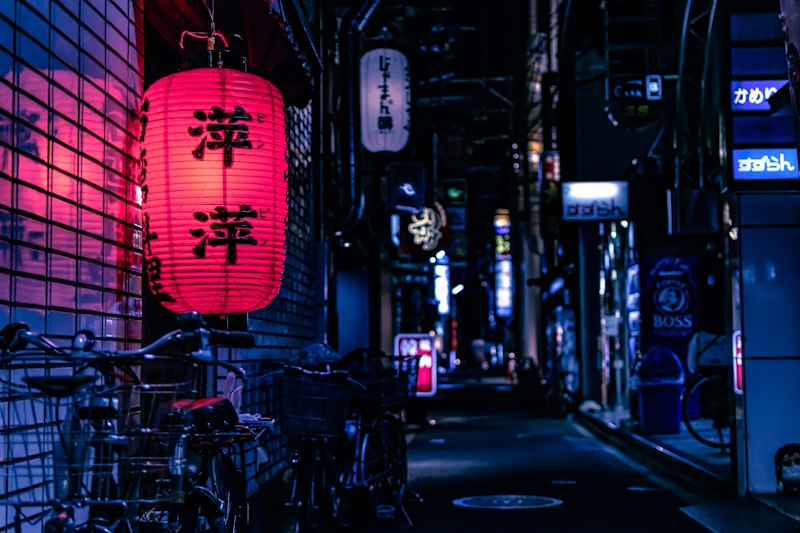
While gold leaf (金箔) is synonymous with Kanazawa, the city's artistic heritage runs much deeper, encompassing Kutani porcelain, Kaga Yuzen silk dyeing, and unique modern art.
The 21st Century Museum of Contemporary Art (金沢21世紀美術館)
A global standout, this museum isn't just a building; it's an experience. By 2026, it remains a must-visit, but knowing how to approach it is key.
- Admission: Varies by exhibition, but the Permanent Collection Zone (including Leandro Erlich's 'The Swimming Pool') is generally ¥450 / ~$3 USD. Special exhibitions can be ¥1,200-¥1,800 / ~$8-12 USD.
- Crowd Strategy: Arrive before opening at 10:00 AM, especially on weekends, to experience 'The Swimming Pool' with fewer people. For a quieter visit, target weekday afternoons.
- Local Tip: Don't just focus on the famous 'Swimming Pool'. Explore the outdoor art installations and the free zones around the perimeter. The museum shop offers unique, high-quality design items that make for excellent souvenirs.
Kaga Yuzen Kimono Center (加賀友禅会館)
For a truly immersive experience in a traditional craft, visit the Kaga Yuzen Kimono Center.
- Experience: Watch artisans demonstrate the intricate dyeing process, try on a kimono (¥2,000 / ~$13 USD for 30 mins), or even participate in a small dyeing workshop (starts from ¥3,000 / ~$20 USD for a handkerchief).
- Location: 8-8 Gofukumachi. About a 15-minute walk from Kenrokuen, or take the 'Flat Bus' (Kikugawa route) to "Gofuku-machi" stop.
- Opening Hours: 9:00 AM - 5:00 PM (closed Wednesdays).
Accommodation in Kanazawa 2026: Balancing Cost & Comfort
Kanazawa offers a range of accommodations, but for the discerning traveler, generic business hotels might not cut it. By 2026, demand continues to push prices up, so early booking is crucial.
Boutique Hotels & Traditional Ryokans
- For unique charm: Consider The Share Hotels KUMU Kanazawa (THE SHARE HOTELS KUMU 金沢). Located near Omicho Market (address: 2-43 Kamitsutsumicho), it blends traditional Japanese aesthetics with modern design and a vibrant community lounge. Rooms average ¥15,000-¥25,000 / ~$100-167 USD per night in 2026.
- For a ryokan experience: While traditional ryokans in the city center can be pricey, Sumiyoshiya (旅館すみよしや) (address: 1-6-6 Owaricho) offers a more accessible traditional stay, with rooms around ¥12,000-¥18,000 / ~$80-120 USD per person including a basic breakfast. It's a short walk from Omicho Market. Book traditional Japanese ryokan on Rakuten Travel Japan for best deals.
Budget-Friendly but Quality Options
- Hostel with Private Rooms: Good Neighbors Hostel (グッドネイバーズホステル) (address: 3-30 Higashiyama) in the Higashi Chaya area offers clean, modern private rooms from ¥7,000 / ~$47 USD per night, making it excellent value. It also has a lovely cafe.
- Business Hotel Upgrade: Instead of a bare-bones business hotel, look for chains like Daiwa Roynet Hotel Kanazawa (ダイワロイネットホテル金沢) which, by 2026, still offers spacious rooms and good amenities for around ¥10,000-¥18,000 / ~$67-120 USD, often with better locations than cheaper alternatives. Search best hotels in Japan on Klook for competitive rates.