[Disclosure] This article contains affiliate links. We may earn a commission at no extra cost to you.
Kanazawa, often dubbed "Little Kyoto," is more than just a convenient stop on the Hokuriku Shinkansen line. In 2026, it remains a vibrant hub of samurai history, geisha culture, and exquisite craftsmanship, yet many travelers—even those armed with the latest guides—scratch only its surface. This guide strips away the common tourist narrative to give you the candid, local-level insights needed to experience the real Kanazawa. You'll learn what’s genuinely worth your time and yen, what’s become a tourist trap, and how to navigate the city like a seasoned resident, complete with specific prices and hidden gems that mainstream guides simply overlook.
What you'll learn here isn't just a list of attractions; it's a strategic playbook for a deeper, more authentic journey. We'll dive into everything from specific local eateries with 2026 price points to navigating transport without falling for overpriced passes, ensuring your Kanazawa experience is rich, cost-effective, and genuinely memorable.
What You'll Get From This Guide
- Real 2026 Prices: Exact costs in JPY and USD for food, transport, and attractions. (Note: USD conversions based on a hypothetical rate of ¥150 = $1 USD for 2026, subject to market fluctuations.)
- Beyond the Brochure: Discover specific local spots for dining and culture that often escape mainstream guides.
- Honest Overviews: Learn which "must-see" attractions might be overrated and why, offering alternatives.
- Strategic Navigation: Practical advice on getting around, avoiding crowds, and maximizing your time.
- Local Perspectives: Insider tips on cultural etiquette, specific dishes to try, and common tourist pitfalls.
- Accommodation Insights: Recommendations for various budgets, from traditional ryokan to modern hotels.
Kanazawa's Culinary Scene: Beyond Omicho Market's Hype
Omicho Market, while visually impressive and historically significant, has become a victim of its own success. In 2026, the market stalls offering fresh seafood are still fantastic for browsing and light purchases, but for a truly satisfying, authentic, and often more affordable meal, you need to step outside.
Overrated: Eating at Omicho Market Stalls
What Tourists Get Wrong: Many visitors head straight to Omicho Market, expecting a cheap, local meal. While the seafood is undeniably fresh, the prepared dishes at the market's main eateries (like the various "Donburi-ya" or sushi counters) are often heavily marked up for tourists. A small seafood donburi bowl can easily cost ¥3,500 – ¥5,000 / ~$23 – $33 USD, and you might find yourself queuing for 30-60 minutes in a crowded, noisy environment.
Local Tip: Use Omicho Market for its intended purpose: to buy fresh ingredients, or grab a quick, inexpensive snack like a grilled scallop (¥800 / ~$5.30 USD) or a skewer of grilled eel liver (¥500 / ~$3.30 USD). For a proper sit-down meal, look to the surrounding streets.
Local Gems for Authentic Kanazawa Dining
For a more genuine experience, consider these spots just a short walk from Omicho:
- Jiyuken (自由軒): A Showa-era Western-style restaurant, famous for its "Hamikatsu Don" (fried pork cutlet rice bowl with a special sauce) at around ¥1,200 / ~$8 USD. It's about a 5-minute walk from Omicho Market, near Musashigatsuji intersection. Expect a nostalgic atmosphere and often a short queue, but it moves quickly.
- Izakaya Kaga-Ya (居酒屋加賀屋): Located near Korinbo, about a 10-12 minute walk from Kanazawa Station. This is where locals go for fresh seafood and Kaga-style cuisine. Expect to pay ¥4,000 – ¥6,000 / ~$27 – $40 USD per person for a full meal with drinks. Try the Jibuni (duck stew) and Nodoguro (blackthroat seaperch), which, though pricy at ¥3,000 – ¥5,000 / ~$20 – $33 USD for a grilled fish, is a Kanazawa specialty.
- Kanazawa Curry: GoGo Curry Kanazawa Station-mae (ゴーゴーカレー 金沢駅前店): While not exclusive to Kanazawa, it's a local institution. A hearty "Healthy Curry" (medium size with a single cutlet) will cost around ¥950 / ~$6.30 USD. It's a quick, filling, and budget-friendly option, perfect for solo travelers, just a 2-minute walk from the station's east exit.
Kanazawa's Iconic Districts: Timing is Everything
Kanazawa's main attractions are undeniably beautiful, but visiting at the wrong time can significantly detract from the experience due to overwhelming crowds.
Kenrokuen Garden & Kanazawa Castle Park
What Tourists Get Wrong: Arriving at Kenrokuen Garden mid-morning (9:30 AM - 11:00 AM) or mid-afternoon (2:00 PM - 4:00 PM) on a sunny day, especially during cherry blossom (late March - early April) or autumn foliage (late October - mid-November) seasons, will mean shoulder-to-shoulder crowds. The garden, while expansive, loses its tranquility when packed. Kanazawa Castle Park is often overlooked by tourists rushing to Kenrokuen.
Local Tip: Aim to enter Kenrokuen Garden right at opening (7:00 AM in summer, 8:00 AM in winter) or about an hour before closing (5:00 PM in summer, 4:00 PM in winter). The entry fee is ¥320 / ~$2.10 USD. This allows for peaceful strolls and better photo opportunities. Afterward, spend significant time exploring Kanazawa Castle Park, which is free to enter, less crowded, and offers incredible historical reconstruction and views. Don't miss the Nezumitamon Gate and bridge leading directly into Kenrokuen.
Higashi Chaya District (Eastern Teahouse District)
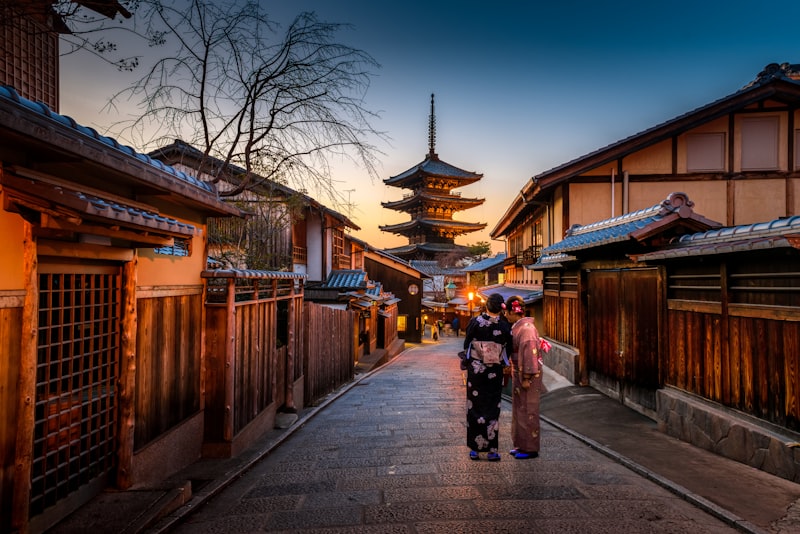
What Tourists Get Wrong: Expecting to see geisha walking the streets during the day, or finding quiet, traditional tea houses easily accessible. Many tourists arrive between 10 AM and 3 PM, when the narrow streets are packed with tour groups and the charm is somewhat diminished.
Local Tip: Visit Higashi Chaya-gai either very early in the morning (before 8:30 AM) or in the late afternoon (after 4:30 PM). You'll find the golden hour light stunning and the streets relatively empty. For a truly authentic experience, consider visiting Kaikaro Teahouse (懐華樓) for their daytime tour (¥800 / ~$5.30 USD) or evening cultural performance (advance booking required, prices vary but start around ¥8,000 / ~$53 USD including a drink). Another option is Shima Teahouse (志摩), an Edo-period teahouse, open 9:00 AM – 5:00 PM, entry ¥500 / ~$3.30 USD. These give you a glimpse inside without the superficial street bustle.
Kanazawa's Art & Craftsmanship: Beyond the Gold Leaf
While gold leaf (kinpaku) is Kanazawa's most famous craft, the city is a UNESCO City of Crafts and Folk Art for a reason. There's so much more to discover.
Deeper Dive into Local Artistry
- Kutani-ware (九谷焼): Known for its vibrant colors and intricate designs, Kutani-ware pottery is a Kanazawa specialty. Instead of just buying souvenirs, visit the Kanazawa Kutani Museum (金沢くらしの博物館) (free entry, 10-minute walk from Omicho Market) to appreciate its history and artistry. For a hands-on experience, try a painting workshop at the Kutani Ceramic Art Village (九谷焼陶芸村) (requires a bus ride from Kanazawa Station, workshop prices from ¥3,000 / ~$20 USD).
- Kaga Yuzen Silk Dyeing (加賀友禅): This traditional kimono dyeing technique is characterized by realistic patterns and subtle gradations. Visit the Kaga Yuzen Traditional Industry Center (加賀友禅会館), a 15-minute walk from Kenrokuen Garden (entry ¥300 / ~$2 USD). Here you can see artisans at work and even try on a beautiful Kaga Yuzen kimono (rental from ¥3,000 / ~$20 USD for 30 minutes).
- Contemporary Art at 21st Century Museum of Contemporary Art: This architectural marvel (admission to permanent collection ¥450 / ~$3 USD, special exhibitions vary) is a must-see. Its design encourages interaction and reflection. Don't just focus on the famous "Swimming Pool" by Leandro Erlich; explore the entire space, especially the lesser-known installations. It's a 10-minute walk from Kenrokuen Garden.
Accommodation in Kanazawa 2026: Ryokan vs. Boutique Stays
Kanazawa offers a range of accommodation, from traditional ryokan to modern hotels. Prices have steadily increased due to demand, so booking in advance, especially during peak season, is crucial.
Traditional Ryokan Experience
For an authentic Japanese stay, a ryokan is ideal.
- Sumiyoshiya (住吉屋旅館): A well-regarded traditional ryokan close to Kanazawa Station. Expect prices in 2026 to start from ¥18,000 / ~$120 USD per person per night, including a traditional Japanese breakfast.
- Ryokan Ryokusuien (旅館緑水苑): Offers a peaceful garden setting further from the station, ideal for relaxation. Prices typically range from ¥15,000 – ¥25,000 / ~$100 – $167 USD per night.
Modern & Boutique Hotels
For those preferring Western amenities or a more contemporary feel.
- Hotel Trusty Kanazawa Korinbo: Centrally located near Korinbo bus stop and a short walk from Kenrokuen. Rooms in 2026 likely start around ¥10,000 – ¥15,000 / ~$67 – $100 USD per night.
- Hyatt Centric Kanazawa: A premium option directly connected to Kanazawa Station. Expect prices upwards of ¥25,000 / ~$167 USD per night.
Search best hotels in Japan on Booking.com or find traditional stays via Book traditional Japanese ryokan on Rakuten Travel Japan.
Getting Around Kanazawa: Efficient & Cost-Effective
Kanazawa's main attractions are somewhat spread out, but the city is very walkable, and public transport is efficient.
Public Transport & Walking
- Kanazawa Loop Bus: While convenient, the Kanazawa Loop Bus (left loop and right loop) can be crowded and slow during peak times. A single ride costs ¥250 / ~$1.70 USD.
- Hokutetsu Local Buses: These are often faster and less crowded for specific routes. For example, to Kenrokuen Garden, you can take a local bus from Kanazawa Station East Exit, Platform 3, for any bus going towards Korinbo or Kenrokuen. It’s a 10-15 minute ride, also ¥250 / ~$1.70 USD.
- Walking: Many key areas like Kenrokuen, Kanazawa Castle Park, 21st Century Museum, and Korinbo are within a 15-20 minute walk of each other. Higashi Chaya District is about a 20-minute walk from Kanazawa Station. This is often the most enjoyable way to explore.
Transport Passes: When Are They Worth It?
| Pass Type | 2026 Price (Approx.) | Benefits | Who it's For |
|---|---|---|---|
| Hokutetsu One-Day Bus Pass | ¥800 / ~$5.30 USD | Unlimited rides on Kanazawa Loop Bus & most Hokutetsu local buses for one day. | Tourists planning 4+ bus rides in a single day, covering distant attractions. |
| Kanazawa Light Up Bus Pass | ¥500 / ~$3.30 USD | Unlimited rides on the Kanazawa Light Up Bus (evenings only) for one night. | Those focused on evening illuminations of Kenrokuen and other sights. |
| IC Card (Suica/Pasmo) | N/A (chargeable) | Convenience, no fumbling for exact change. Accepted on all Hokutetsu buses. | Most travelers. Tap and go, track spending easily. |
| Walking | Free | Flexibility, discover hidden alleys, maintain fitness. | Travelers who enjoy walking, want to save money, and have good mobility. |
Local Tip: Unless you plan to hop on and off buses more than three times a day, individual bus fares (¥250) often work out cheaper than a day pass. For most visitors, a combination of walking and 1-2 bus rides (using an IC card) is the most efficient and enjoyable strategy.
Kanazawa 2026 Tourist Expectations vs. Reality
| Aspect | Tourist Expectation | 2026 Reality & Local Insight |
|---|---|---|
| Omicho Market Dining | Cheap, authentic local seafood meals. | Overpriced "tourist menu" options at many market restaurants. Better value and atmosphere found just outside the market perimeter. Expect ¥3,500+ for a decent seafood bowl within the market, vs. ¥1,500-¥2,500 at a good local eatery. |
| Seeing Geisha | Spotting geisha easily in Higashi Chaya District during the day. | Geisha usually work in the evenings, attending private functions. Daytime sightings are rare and mostly for promotional events. To see them, book an evening performance or cultural experience, which starts from ¥8,000 / ~$53 USD. The district itself is beautiful but often crowded during the day. |
| Crowds at Kenrokuen | A serene garden experience at any time. | Can be heavily crowded, especially late morning to mid-afternoon during peak seasons (spring, autumn). Serenity is best found by arriving right at opening (7:00 AM / 8:00 AM) or an hour before closing (5:00 PM / 4:00 PM). |
| Kanazawa Prices (Overall) | Japan is expensive, but regional cities are cheaper. | Kanazawa, while perhaps less than Tokyo, is not a budget destination anymore. High-quality seafood, traditional crafts, and unique experiences command a price. Expect daily costs for food, transport, and entry fees to average ¥8,000 – ¥15,000 / ~$53 – $100 USD per person, excluding accommodation, for a comfortable experience. Budget travelers can aim for ¥5,000 – ¥8,000 / ~$33 – $53 USD. |
Frequently Asked Questions
Q: How much does a day in Kanazawa cost in 2026 for a solo traveler?
A: For a comfortable day in Kanazawa in 2026, a solo traveler should budget approximately ¥10,000 – ¥15,000 / ~$67 – $100 USD, excluding accommodation. This estimate covers a typical breakdown: transport (¥500 – ¥1,000 / ~$3.30 – $6.70 USD for 2-4 bus rides or a day pass), meals (¥1,500 – ¥2,500 / ~$10 – $17 USD for lunch, ¥3,000 – ¥5,000 / ~$20 – $33 USD for dinner at a mid-range izakaya, plus ¥500 – ¥1,000 / ~$3.30 – $6.70 USD for breakfast/snacks), and attraction entry fees (e.g., Kenrokuen Garden ¥320, 21st Century Museum ¥450, Shima Teahouse ¥500, totaling around ¥1,200 – ¥2,000 / ~$8 – $13 USD for 2-3 major sights). If you opt for higher-end dining or multiple paid cultural experiences, this budget could easily increase. To save money, consider eating at local curry shops or casual restaurants, and maximize walking between attractions.
Q: Is Kanazawa safe for solo female travelers in 2026?
A: Absolutely. Kanazawa, like most of Japan, is exceptionally safe for solo female travelers in 2026. Crime rates are very low, and public spaces, even at night, are generally well-lit and populated. You can feel comfortable walking alone in the evening, though standard common sense precautions (like being aware of your surroundings) should always be applied, as anywhere in the world. Public transport is safe and reliable. Many hotels, including capsule hotels and business hotels, cater well to solo travelers, offering secure environments. The local populace is typically respectful and helpful, though English proficiency outside of major tourist hubs can be limited. Carrying a portable Wi-Fi device or a local SIM card is always recommended for navigation and emergencies.
Q: What's the best time to visit Kanazawa in 2026 to avoid crowds but still enjoy the sights?
A: The best time to visit Kanazawa in 2026 to strike a balance between good weather and fewer crowds is late May to early June or late September to early October. These periods offer pleasant temperatures, beautiful greenery in Kenrokuen, and generally lower tourist numbers compared to the peak cherry blossom (late March-early April) or autumn foliage (late October-mid-November) seasons, or the bustling summer holidays (late July-August). Even during these "shoulder seasons," aim to visit popular attractions like Kenrokuen or Higashi Chaya-gai either first thing in the morning (right at opening) or later in the afternoon (an hour or two before closing) to truly enjoy their tranquility without hordes of visitors. Winter (December-February) is also less crowded and offers beautiful snowy landscapes, but requires bundling up.
Q: What local food should I specifically try in Kanazawa that Lonely Planet might not highlight enough?
A: Beyond the generic "seafood from Omicho Market," delve into specific local dishes. You must try Jibuni (治部煮), a duck stew unique to Kanazawa, often thickened with flour and served with seasonal vegetables and fu (wheat gluten). It’s a staple of Kaga cuisine. Look for it at traditional restaurants like Jiyuken or izakayas like Kaga-Ya. Another must-try is Nodoguro (のどぐろ), the blackthroat seaperch. While expensive, often ¥3,000 – ¥5,000 / ~$20 – $33 USD for a grilled portion, its rich, fatty flesh is a delicacy. For a more casual bite, seek out Kanazawa Curry (金沢カレー), known for its thick, dark sauce and usually served with a crispy katsu cutlet and shredded cabbage, like at GoGo Curry. Don't forget Kanazawa's various wagashi (和菓子) – traditional Japanese sweets, often artfully crafted and specific to the region.
Q: How far in advance should I book accommodation and train tickets for Kanazawa in 2026?
A: For Kanazawa in 2026, especially if traveling during peak seasons (cherry blossom, autumn foliage, national holidays like Golden Week in early May or Obon in mid-August), you should book accommodation at least 3-6 months in advance. For non-peak times, 1-2 months should suffice, but earlier is always better for more choice and potentially better rates. For train tickets, specifically the Hokuriku Shinkansen from Tokyo, tickets generally become available one month prior to your travel date. While popular routes rarely sell out entirely, booking 2-3 weeks in advance for reserved seats is advisable to ensure you get your preferred time and seat choice, especially if traveling with a Japan Rail Pass and wanting to secure a specific Hayakaga or Kagayaki service. For Green Car (first class) seats, booking as soon as possible (one month out) is highly recommended.
Bottom Line
Kanazawa in 2026 is a captivating city that rewards deeper exploration beyond its well-trodden paths. While gorgeous, its most famous attractions are now often teeming with tourists, and some experiences, like dining inside Omicho Market, offer diminishing returns. To truly connect with its rich history, unparalleled craftsmanship, and distinctive culinary culture, you need to shed the generic guidebooks and embrace a more discerning, locally-informed approach. This guide is for the traveler who seeks authenticity, values quiet moments over crowded photo ops, and isn't afraid to step off the beaten path for a truly memorable Japanese experience. If you're looking for a cheap, superficial city break or prefer perfectly curated "Insta-spots" above all else, Kanazawa might not be your ideal destination without this deeper knowledge.
📝 この記事について
監修・運営: Futuristic Imagination LLC
専門分野: 日本旅行・インバウンド
AI技術と専門家の知見を組み合わせ、信頼性の高い情報をお届けします。