[Disclosure] This article contains affiliate links. We may earn a commission at no extra cost to you.
You've read the guides that tell you to grab a rice ball from a konbini (convenience store) for breakfast. But what if you crave something more authentic, a glimpse into the quiet rhythms of a Japanese morning? This guide plunges into the enduring world of the kissaten (喫茶店) – traditional Japanese coffee houses – and their distinctive breakfast culture. It’s here that locals, from salarymen to grandmothers, begin their day with a steaming cup and a simple, comforting meal, often with a unique twist on "mocha" coffee that will surprise many Western visitors. We'll reveal 2026 prices, specific locations, and the unvarnished truth about what to expect, moving beyond the tourist-brochure facade to give you the real, unfiltered experience.
What You'll Get From This Guide
- 2026 Pricing Breakdown: Accurate costs for kissaten breakfast sets and coffee.
- Real Kissaten Recommendations: Specific names and locations in Tokyo.
- "Mocha" Decoded: Understand why Japanese mocha isn't always chocolatey.
- Local Morning Rituals: What Japanese people actually do for breakfast.
- Common Tourist Misconceptions: What not to expect from a kissaten.
- Honest Verdict: Is the kissaten experience right for you?
The Enduring Charm of the Kissaten Morning
The kissaten isn't just a coffee shop; it's a cultural institution. While modern cafes like Starbucks and Tully's abound, kissaten offer a distinct atmosphere – often smoky (though less so now), with vintage decor, comfy seating, and a quiet hum of conversation. For many Japanese, it's a third place between home and work, a space for reflection or a quick, affordable meal to kickstart the day. The "morning service" (モーニングサービス, mōningu sābisu) is the star of the show, typically offered from opening until around 10:30 or 11:00 AM.
What to Expect from a Kissaten Morning Set
A standard morning set revolves around a drink, usually coffee, with complimentary or heavily discounted food. Don't expect a full American-style breakfast. It's often simple but satisfying.
- Toast: Thick-cut, often buttered, sometimes with jam or anko (sweet red bean paste).
- Boiled Egg: Usually a single, perfectly soft-boiled or hard-boiled egg.
- Salad: A small portion of shredded cabbage or lettuce with a simple dressing.
- Coffee/Tea: The main event. Many places offer their house blend, or you can upgrade.
One classic example is the "Nagoya-style" breakfast, popularized nationwide by chains like Komeda's Coffee. This typically includes a free slice of toast and a boiled egg or red bean paste with any ordered drink.
Decoding "Mocha": A Japanese Coffee Story
This is where many tourists get it wrong. In Japan, especially in older kissaten, ordering a "mocha" (モカ, moka) will likely not get you a chocolate-flavored coffee. Historically, "Mocha" refers to the port city of Mocha in Yemen, famous for its distinctive coffee beans. Therefore, a "mocha" in a traditional kissaten is typically a single-origin coffee brew made from high-quality Yemen or Ethiopian mocha beans, prized for their rich, slightly fruity, and wine-like notes.
How Kissaten Mocha Differs from Western Mocha
| Feature | Traditional Japanese Kissaten Mocha | Western-Style Mocha (e.g., Starbucks) |
|---|---|---|
| Origin/Meaning | Coffee brewed from Mocha beans (Yemen/Ethiopia) | Espresso + steamed milk + chocolate syrup |
| Taste Profile | Fruity, wine-like, slightly acidic, aromatic | Sweet, creamy, distinct chocolate flavor |
| Appearance | Black coffee (or with milk/sugar added separately) | Layered, often topped with whipped cream |
| Price (2026) | ¥750-¥1,200 / ~$5-8 USD (premium brew) | ¥550-¥800 / ~$4-5.5 USD (standard size) |
| Common Pairings | Toast, cigarette (historically), quiet reflection | Pastries, sweets, on-the-go |
If you do want a chocolate coffee, you'll need to specifically ask for a "chocolate latte" (チョコレートラテ, chokorēto rate) or "caffe mocha" (カフェモカ, kafe moka) at a more modern cafe. At a kissaten, stick to the house blend or embrace the true mocha experience!
Finding Your Perfect Kissaten: Chain vs. Independent
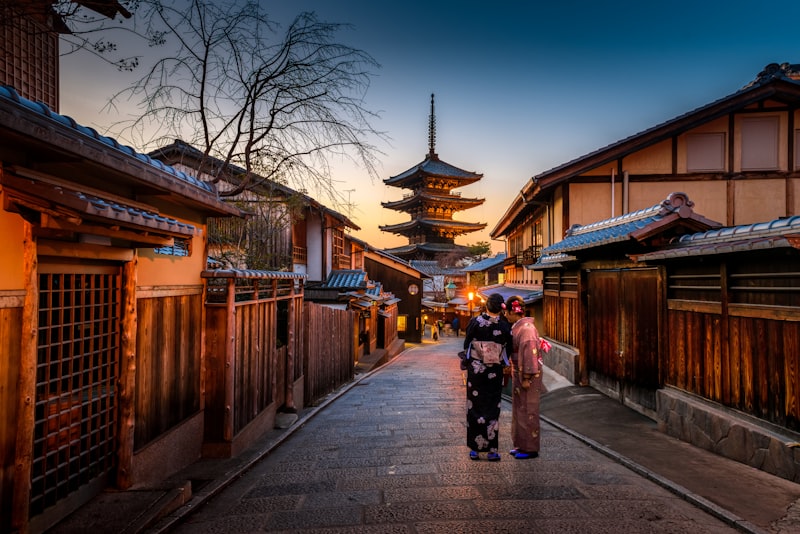
Japan offers a spectrum of kissaten, from ubiquitous chains to charming, independent establishments. Each has its own vibe and price point.
Top Kissaten Chains for Breakfast in 2026
Chain kissaten offer consistency, convenience, and excellent value for morning sets.
- Komeda's Coffee (コメダ珈琲店): Famous for its Nagoya-style morning service. Order any drink, and get free toast with a choice of boiled egg, ogura-an (red bean paste), or egg salad.
- Price: Coffee starts at ¥550 / ~$3.7 USD. Morning set included.
- Location Example: Komeda's Coffee Shinjuku 5-Chome, 1F, Shinjuku 5-5-1, Shinjuku-ku, Tokyo (5-min walk from Shinjuku-Gyoenmae Station Exit 1).
- Doutor Coffee (ドトールコーヒー): More like a modern cafe, but with traditional roots and reliable, affordable morning sets.
- Price: Morning Set A (Ham & Cheese Toast, Coffee) ¥480 / ~$3.2 USD.
- Location Example: Doutor Coffee Shinjuku Nishiguchi, B1F, Shinjuku 1-1-2, Shinjuku-ku, Tokyo (2-min walk from Shinjuku Station West Exit).
- Ueshima Coffee House (上島珈琲店): Known for its "Kobe Roast" coffee and slightly more upscale atmosphere, often with comfortable leather chairs.
- Price: Morning Sandwich Set (Egg & Roast Ham) with Coffee, ¥780 / ~$5.2 USD.
- Location Example: Ueshima Coffee House Ginza Chuo-dori, 1F, Ginza 5-5-1, Chuo-ku, Tokyo (1-min walk from Ginza Station Exit B3).
Independent Kissaten: Atmosphere and Craft
For a truly unique experience, seek out independent kissaten. These often have a deep history, eccentric owners, and a palpable sense of timelessness. Prices will be higher, but the ambiance is unparalleled.
- Cafe de l'Ambre (カフェ・ド・ランブル), Ginza: A legendary coffee-only kissaten, serving aged beans since 1948. While not a breakfast spot, it's essential for experiencing true kissaten coffee craftsmanship, especially their renowned "Queen Amber" (coffee jelly with milk).
- Price: Coffee from ¥1,000 / ~$6.7 USD. Aged beans can be ¥1,500+ / ~$10+ USD.
- Location: 8-10-15 Ginza, Chuo-ku, Tokyo (3-min walk from Shimbashi Station Ginza Exit, or 5-min walk from Ginza Station Exit A3).
- Renoir (ルノアール): While a chain, Renoir cafes often mimic the spacious, slightly opulent feel of older independent kissaten, making them a good middle ground for comfort and space for solo travelers.
- Price: Morning set (toast, egg, salad) with coffee, ¥720 / ~$4.8 USD.
- Location Example: Ginza Renoir, 2F, Ginza 5-6-12, Chuo-ku, Tokyo (1-min walk from Ginza Station Exit A1).
A Local's Morning: Beyond the Kissaten
While the kissaten holds a special place, it's important to be honest about the broader Japanese morning routine. Many, especially younger generations or those in a hurry, opt for speed and convenience.
- Convenience Stores (Konbini): Still a massive go-to for coffee (often surprisingly good quality, ¥120-¥200 / ~$0.8-1.3 USD), sandos (egg or katsu sandwiches, ¥300-¥400 / ~$2-2.7 USD), and pastries. Quick, cheap, and readily available.
- Modern Cafe Chains: Starbucks, Tully's, Excelsior Cafe offer more Western-style options, often with Wi-Fi and power outlets. A latte typically costs ¥450-¥650 / ~$3-4.3 USD.
- Home-cooked Breakfasts: Many Japanese still prefer to eat a traditional breakfast at home (rice, miso soup, grilled fish, pickles) before heading out. The kissaten is often a weekend treat or a pre-work stop for those who skip breakfast at home.
Local Tip: Embrace the Chain Kissaten
While travel guides often hype up "hidden gem" independent kissaten, don't overlook the major chains. Places like Komeda's and Doutor are where actual locals go daily for their morning routine. They offer consistent quality, clean environments, and unbeatable value. They're also much easier to find and navigate if you're not fluent in Japanese. Trying to find that perfectly obscure, non-English-speaking kissaten at 7 AM can be more stressful than charming.
What Tourists Get Wrong & What's Overrated
Misconception 1: "Mocha means chocolate." As covered, this is the biggest pitfall. Embrace the true coffee. Misconception 2: "Kissaten breakfast is a huge, hearty meal." It's not. It's often just toast, an egg, and a small salad. It's designed to be light and accompany coffee, not replace a full brunch. If you're looking for a big, protein-rich meal, you'll be disappointed. Overrated: Overly romanticizing every independent kissaten. While some are truly special, others can be overpriced, unwelcoming to non-regulars, or simply not offer a great product. Some internet-famous kissaten, particularly in popular tourist areas like Shibuya or Harajuku, have become crowded photo ops rather than peaceful local spots. Focus on the coffee and atmosphere rather than just its "Instagrammability."
If you plan to explore various breakfast spots, consider staying near central transport hubs to easily access both local kissaten and your other destinations. Search hotels on Klook for a wide range of options, or if you're a Japan resident/expat, Book on Rakuten Travel Japan for exclusive domestic deals. You can also find Japanese coffee accessories and beans to recreate the experience at home on Amazon Japan.