[Disclosure] This article contains affiliate links. We may earn a commission at no extra cost to you.
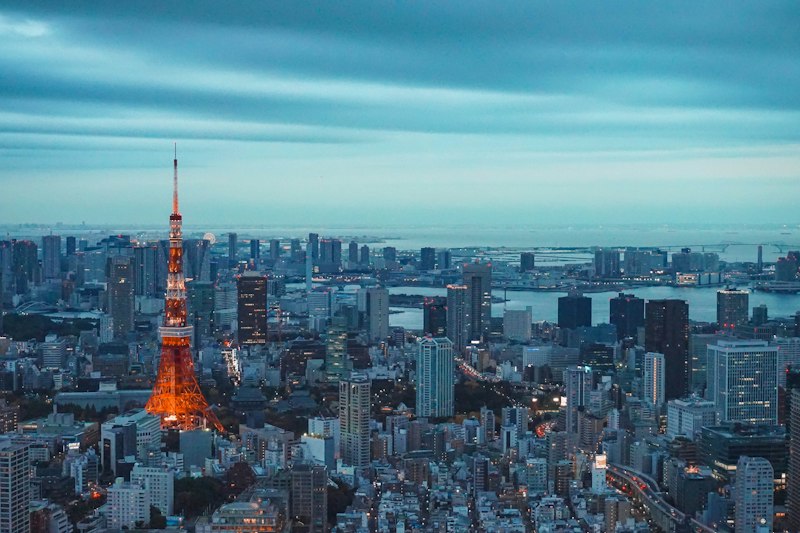
Planning Japan for Golden Week 2026? If your itinerary still includes Shibuya Crossing, a bustling day trip to Hakone, or Kyoto's Arashiyama Bamboo Grove, hit pause. You're about to experience Japan at its most… charmingly chaotic, and not in a good way for your travel plans. Golden Week is a series of national holidays clustering from late April to early May, peaking around May 3rd-5th, when millions of Japanese travel domestically. For the English-speaking traveler who's already digested the generic guides, you need to understand: Tokyo, Kyoto, Osaka, and popular tourist hubs become almost unnavigable. They're gridlocked, overpriced, and the sheer volume of people makes for a deeply frustrating experience rather than an enjoyable immersion. This guide is your antidote, offering real, actionable advice for a different Golden Week 2026 – an escape into lesser-known regions, complete with realistic costs and essential local insights.
What You'll Get From This Guide
- Specific 2026 Golden Week dates and their genuine impact on travel.
- Two concrete, crowd-beating regional itineraries with 2026 price estimates.
- Honest insights on what to expect, and what to unequivocally avoid.
- Practical tips for transport, accommodation, and food booking during peak season.
- Answers to common Golden Week FAQs with 2026-specific data.
Understanding Golden Week 2026: The Dates, The Damage
Golden Week isn't just a single holiday; it's a string of public holidays that, when combined with weekends, create a period of extended leisure for many Japanese workers and students. For 2026, these are:
- April 29 (Wednesday): Showa Day
- May 3 (Sunday): Constitution Memorial Day
- May 4 (Monday): Greenery Day
- May 5 (Tuesday): Children's Day
- May 6 (Wednesday): Observed Holiday (as May 3 was a Sunday)
This alignment means many will have a continuous break from Saturday, April 26th, to Wednesday, May 6th, leading to almost two full weeks of potential travel for some. The core travel period typically runs from May 2nd or 3rd to May 6th.
The Calendar Snapshot for 2026
The crucial dates for peak internal travel will be the long weekend starting Friday, May 1st, through Wednesday, May 6th. This is when you'll see the highest congestion and prices.
Why Major Cities are a Trap
During this period, Japan experiences an internal tourism surge unlike almost any other time of year.
- Domestic Travel: Flights, Shinkansen, and express buses connecting major cities are booked solid months in advance, often at surge pricing.
- Hotel Gouging: Accommodation in Tokyo, Kyoto, and Osaka can see prices inflate by 200-300% compared to regular rates. A standard 3-star business hotel in Shinjuku, which might cost ¥12,000 (
$80 USD) normally, could easily hit ¥35,000 ($230 USD) or more per night during Golden Week 2026. - Attraction Overload: Major theme parks like Tokyo Disney Resort or Universal Studios Japan, as well as popular national parks and temples (e.g., Fushimi Inari-taisha in Kyoto), will have queues stretching for hours. Expect 3-4 hour waits for popular rides or photo spots.
- The Tourist Mistake: Many first-time visitors mistakenly believe Tokyo's sheer size will dilute the crowds. It doesn't. Every major station, shopping district, and tourist spot becomes a human sardine can. Even "local" ramen joints or small museums can see unusual wait times.
The Harsh Truth: Why You Must Skip Tokyo (and Kyoto, Osaka) in 2026
If your goal is an enjoyable, culturally rich, and relatively stress-free trip to Japan, then avoiding the major metropolises during Golden Week 2026 is not just advice – it's a directive.
The Numbers Don't Lie
- Shinkansen Capacity: During peak Golden Week, unreserved Shinkansen cars on popular routes (e.g., Tokaido/Sanyo Shinkansen between Tokyo and Kyoto/Osaka) can operate at 130%+ capacity, meaning standing room only for hours. Even reserved seats need to be booked months ahead.
- Dining Difficulties: Getting into popular restaurants, even mid-range ones in non-tourist districts, can involve wait times of over an hour. Many smaller, family-run establishments may also close for the holiday, further concentrating diners at the open venues.
- The Overrated Experience: Frankly, a visit to Tokyo or Kyoto during Golden Week is an expensive, frustrating, and ultimately diluted version of what these magnificent cities truly offer. You'll spend more time navigating crowds and queues than experiencing the local culture.
- Local Tip: Many Tokyo residents leave the city during Golden Week to visit family in their hometowns or simply stay home, actively avoiding the chaos. The notion that "you can still find local spots" or "it's not that bad if you know where to go" is largely a myth for tourists during this week. The "local spots" locals escape to are often in the very regions we're suggesting.
Escape Route 1: Tohoku's Northern Charm – Akita & Aomori in 2026
Venture north to Japan's Tohoku region. Known for its rugged beauty, deep history, and excellent food, it offers a refreshing contrast to the bustling south. While some areas will see domestic tourism, it's far more manageable than the Golden Route.
Akita's Samurai History & Soothing Onsen
- Kakunodate (角館): Often called the "Little Kyoto of Tohoku," Kakunodate boasts a beautifully preserved samurai district with traditional houses and weeping cherry trees. While cherry blossoms might be slightly past their peak by Golden Week, the district remains stunning.
- Getting There: Take the Akita Shinkansen from Tokyo Station directly to Kakunodate Station (approx. 3 hours, 15 minutes). A one-way ticket in 2026 is estimated at ¥16,200 / ~$108 USD for an ordinary reserved seat. This route is fully covered by the Japan Rail Pass.
- Attraction: Stroll along Bukeyashiki-dori (武家屋敷通り). Visit the Aoyagi Samurai Manor Museum (青柳家), an expansive estate showcasing samurai life. Entrance fee: ¥500 / ~$3.30 USD.
- Accommodation: Consider staying in a traditional minshuku. For example, Tachibana (たちばな) in Kakunodate offers a genuine local experience. Expect prices around ¥10,000 / ~$67 USD per person per night with breakfast, but you must book at least 6 months ahead for Golden Week 2026.
- Nyuto Onsen (乳頭温泉郷): A cluster of rustic hot springs nestled in the mountains near Lake Tazawa. It’s an ideal escape for genuine relaxation.
- Getting There: From Kakunodate Station, take a local train to Tazawako Station (田沢湖駅). From Tazawako Station, local buses run directly to Nyuto Onsen stop (approx. 45 minutes, ¥840 / ~$5.60 USD).
- Attraction: The iconic Tsurunoyu Onsen (鶴の湯温泉) is the oldest and most famous, known for its milky outdoor baths. Day-trip bathing fee (for specific baths, check website): ¥800 / ~$5.30 USD. Consider staying overnight at one of the seven onsen ryokan for the full experience (book 9+ months ahead).
Aomori's Cherry Blossoms (if early) & Nature's Majesty
- Hirosaki Castle (弘前城): Famous for having one of Japan's best cherry blossom festivals. While peak bloom often occurs in late April, early Golden Week might still catch some late bloomers or the glorious green foliage. The castle park itself is beautiful for a stroll.
- Getting There: From Kakunodate, take the Akita Shinkansen back to Morioka, then transfer to the JR Ou Main Line to Hirosaki Station (弘前駅) (total travel time ~2.5-3 hours).
- Entrance: The castle grounds are free to enter. The Hirosaki Botanical Garden within the park has a small fee of ¥320 / ~$2.10 USD.
- Shirakami-Sanchi (白神山地): A UNESCO World Heritage site preserving the last virgin beech forests of East Asia. This is a true natural escape, perfect for hikers.
- Getting There: Shirakami-Sanchi is vast. For accessible hiking, rent a car from Hirosaki Station (recommended for flexibility, ~¥8,000 / ~$53 USD per day, pre-book online). Alternatively, take a local bus from Hirosaki Station to Aqua Green Village ANMON (アクアグリーンビレッジANMON), a gateway to the Anmon Falls hiking trail. The bus journey is about 1 hour 40 minutes (¥1,600 / ~$10.60 USD one-way).
- Activity: Hike to the Anmon Falls. Note that trails may open later in spring depending on snowmelt; always check the official Hirosaki City website or the Shirakami Visitor Center for 2026 opening status.
Escape Route 2: Shikoku's Island Hopping & Onsen Bliss in 2026
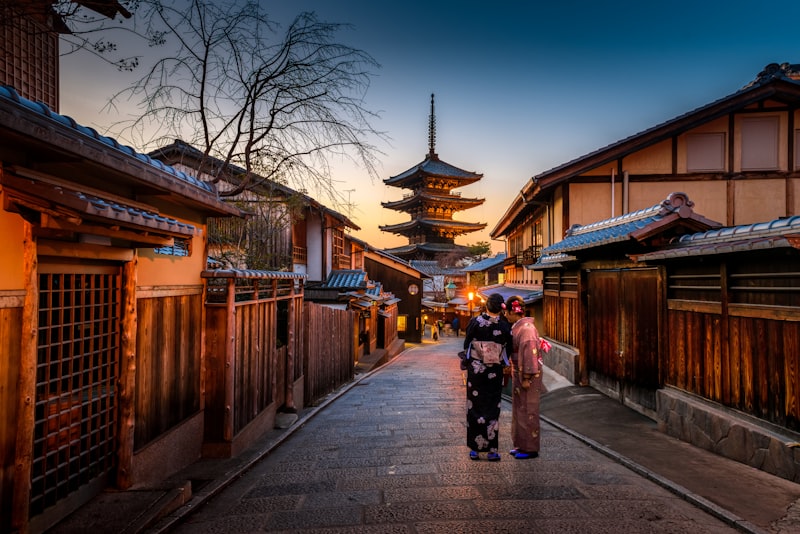
South of Honshu lies Shikoku, Japan's fourth-largest island, offering a blend of ancient pilgrimages, modern art, and serene natural beauty. This region is less visited by international tourists but popular with domestic travelers, making strategic planning crucial.
Kagawa's Art Islands & Gardens
- Naoshima (直島): A world-renowned "art island" in the Seto Inland Sea. It attracts a fair number of visitors during Golden Week, but it's still far less crowded than Tokyo.
- Getting There: Take a ferry from Uno Port (岡山県玉野市宇野) in Okayama (Honshu) to Miyanoura Port (宮浦港) on Naoshima (20 minutes, ¥300 / ~$2 USD). Uno Port is easily accessible by JR train from Okayama Station. Alternatively, take a ferry from Takamatsu Port in Kagawa.
- Attractions: The Chichu Art Museum (地中美術館) (pre-booking tickets online is mandatory, ¥2,100 / ~$14 USD) and the Benesse House Museum (ベネッセハウス ミュージアム) (¥1,050 / ~$7 USD). Explore the Art House Project in Honmura district.
- Local Tip: Book ferry tickets and museum tickets online well in advance (3+ months) for Golden Week. Don't just show up expecting entry. Staying on Naoshima or a nearby island like Teshima (also art-focused) can enhance the experience.
- Ritsurin Garden (栗林公園): Located in Takamatsu, this sprawling feudal lord garden is considered one of Japan's most beautiful. It offers tranquility even during busier times.
- Getting There: The garden is a 5-minute walk from JR Ritsurin Koen Kitaguchi Station (栗林公園北口駅).
- Entrance: ¥420 / ~$2.80 USD.
Ehime's Ancient Onsen & Cycling Paradise
- Dogo Onsen (道後温泉): Located in Matsuyama, this is one of Japan's oldest and most historically significant hot springs, dating back over a thousand years. Its iconic main building inspired elements in Miyazaki's "Spirited Away."
- Getting There: From Takamatsu, take a JR train to Matsuyama Station (approx. 2.5 hours). From Matsuyama Station, a charming tram ride will take you directly to Dogo Onsen Station (道後温泉駅) in about 20 minutes (¥180 / ~$1.20 USD).
- Attraction: The Dogo Onsen Honkan (道後温泉本館) is currently undergoing a multi-year preservation project, but bathing facilities remain open. Access to the Tamano-yu bathing course is estimated at ¥1,250 / ~$8.30 USD for 2026.
- Shimanami Kaido (しまなみ海道): A spectacular 70-kilometer cycling route that connects Honshu (Onomichi) to Shikoku (Imabari) across a series of six islands via bridges. It offers breathtaking views of the Seto Inland Sea.
- Getting There: Rent a bicycle from a terminal in Onomichi (尾道) on Honshu (accessible by Shinkansen to Shin-Onomichi or regular train to Onomichi) or Imabari (今治) on Shikoku (accessible by JR train from Matsuyama). Rental fee: ~¥1,500 / ~$10 USD per day for a standard bicycle, with drop-off at other terminals possible.
- Activity: Cycle a section of the route, enjoying the sea breeze and island stops. Booking bike rentals online, especially for Golden Week, is highly recommended to secure a suitable bike.
Navigating Logistics: Transport & Accommodation During GW 2026
Effective planning is paramount for a successful Golden Week trip outside major cities.
The JR Pass Dilemma
The Japan Rail Pass, while seeing a significant price hike in 2023, can still offer value for extensive regional travel during Golden Week 2026.
- Example: A 7-day Ordinary Japan Rail Pass is estimated to cost around ¥50,000 / ~$330 USD in 2026.
- Calculation: Individual Shinkansen tickets from Tokyo to Akita (¥16,200), Akita to Hirosaki (
¥6,000), Hirosaki to Matsuyama (¥20,000 via Tokyo), Matsuyama to Takamatsu (~¥6,000), plus local trains and ferries for the suggested itineraries, would easily exceed the pass cost. - Verdict: For the extensive regional routes proposed (e.g., Tokyo -> Tohoku -> Shikoku -> Tokyo), a JR Pass is likely beneficial. However, for a shorter, more concentrated trip within just Tohoku or Shikoku, regional passes (like the JR East Pass for Tohoku or All Shikoku Rail Pass) might be more cost-effective.
- Local Tip: Regardless of whether you have a JR Pass, you must book all Shinkansen and limited express train seats online (or at a JR ticket counter) the moment reservations open (typically one month prior to your departure date). Unreserved cars will be incredibly crowded.
Accommodation: Book Early, Think Small
- Rethink Hotels: While business hotels are available, consider traditional Japanese accommodations like ryokan (traditional inns) or minshuku (family-run guesthouses). They often offer a more authentic experience with meals included.
- Booking Platforms: Major sites like Search hotels on Klook are excellent starting points for variety and user-friendly interfaces. For more traditional Japanese inns, check Jalan.net or Rakuten Travel, which also have English versions.
- Crucial Advice: Book your Golden Week 2026 accommodation 6-12 months in advance. This is not an exaggeration. For popular ryokan or guesthouses, rooms can fill within hours of becoming available online. If you're booking late, expand your search to smaller, less-known towns adjacent to your desired areas, or look for chain business hotels which might have cancellations, but expect significantly higher prices. Do not rely on last-minute availability; it's a pipe dream during Golden Week.