
[Disclosure] This guide may contain affiliate links (no extra cost to you). Event dates and details are 2026 information — please reconfirm on the official site before visiting.
The Magic of Koyo: Japan’s Autumn Foliage
While spring’s cherry blossoms often steal the international spotlight, many locals and seasoned travelers argue that autumn is the most spectacular time to visit Japan. The traditional practice of momijigari (autumn leaf hunting) dates back centuries, celebrating the landscape's transformation into a breathtaking patchwork of vibrant crimson, burnt orange, and brilliant gold.
Unlike the fleeting cherry blossoms, which sweep across the country in a matter of days, the autumn foliage season (koyo) is a slow, lingering burn. The colors move gracefully from north to south and from high to low altitude, meaning you can chase the autumn leaves across the archipelago for nearly three months.
Because October and November are among Japan’s peak inbound travel months, planning is everything. Below is your ultimate guide to the 2026 autumn foliage season, complete with a city-by-city forecast calendar, the best photography spots, and essential travel logistics.
2026 City-by-City Peak Foliage Calendar
To help you plan your itinerary, here is the projected calendar for the 2026 autumn foliage season. Remember that higher elevations in any given region will peak earlier than the valleys and coastal cities.
| Region | City / Key Spot | Estimated Peak Timing (2026) |
|---|---|---|
| Hokkaido | Sounkyo, Jozankei | Mid-October |
| Chubu (Alpine) | Kamikochi, Tateyama | Early to Mid-October |
| Tohoku | Oirase Stream, Naruko Gorge | Late October |
| Kanto / Chubu | Nikko, Karuizawa | Late October to Early November |
| Kanto | Tokyo, Hakone | Mid to Late November |
| Kansai | Kyoto, Nara, Kobe | Late November |
| West / Kyushu / Chubu | Miyajima, Beppu, Yufuin, Korankei | Late November to Early December |
Disclaimer: All foliage dates, travel pass details, and seasonal prices are approximate and subject to change based on annual weather patterns and provider updates. Always reconfirm with official Japanese weather forecasts and transport websites closer to your trip.
Top Viewing & Best Photo Spots by Region
Hokkaido & Tohoku: The Early Bloomers
If you are traveling in October, head north. The dramatic landscapes of Hokkaido and Tohoku offer the first glimpses of autumn color.
- Sounkyo & Jozankei (Hokkaido): Sounkyo is famous for its steep gorge walls and cascading waterfalls framed by fiery maples. Jozankei, a popular hot spring town near Sapporo, offers incredible photo opportunities of bright red leaves reflecting off the Toyohira River.
- Oirase Stream (Tohoku): Located in Aomori Prefecture, this gently flowing stream is surrounded by a lush forest. The contrast of the mossy rocks, white rapids, and brilliant yellow and red canopy makes it a landscape photographer's dream.
- Naruko Gorge (Tohoku): Miyagi Prefecture’s most famous autumn spot. The iconic shot here is the local train emerging from a tunnel and crossing the bridge over the deep, multicolored ravine.
Kanto & Chubu: Alpine Peaks to Urban Parks
As November approaches, the colors descend into the central mountains and eventually reach the Tokyo metropolis.
- Kamikochi & Tateyama: High in the Japan Alps, these spots peak early (October). The Tateyama Kurobe Alpine Route offers panoramic cable car views over carpets of autumn color, while Kamikochi’s pristine river reflects the golden larch trees against snow-capped peaks.
- Nikko & Karuizawa: Just a few hours from Tokyo, Nikko offers stunning combinations of UNESCO World Heritage shrines nestled among ancient, colorful forests. Karuizawa is an upscale mountain resort town where cycling through tree-lined, golden avenues is a must.
- Tokyo & Hakone: In the capital, the Meiji Jingu Gaien is legendary for its towering avenue of ginkgo trees that turn a brilliant, luminous yellow. For a classic Japan postcard shot, head to Hakone, where you can photograph bright red maples with Mount Fuji and Lake Ashi in the background.
Kansai: Temples and Tradition
Late November is when the cultural heart of Japan bursts into color.
- Kyoto: The undisputed king of autumn foliage. The contrast of delicate red maple leaves (momiji) against ancient wooden temples and Zen rock gardens is unparalleled.
- Nara: Nara Park is vast, allowing you to capture photos of the city's sacred, free-roaming deer resting beneath massive yellow ginkgo and red maple trees.
- Kobe: Take the ropeway up Mount Rokko or visit the Nunobiki Herb Gardens for sweeping views of the vibrant mountainside contrasting with the deep blue of Osaka Bay.
Western Japan & Kyushu: The Grand Finale
From late November into early December, the southern and western regions reach their peak.
- Miyajima: Just off the coast of Hiroshima, this island is famous for its floating torii gate. Inland, Momijidani Park (Maple Valley) offers winding paths through hundreds of breathtakingly vibrant maple trees.
- Korankei: Located in Aichi Prefecture (Chubu), this valley peaks late in the season. With over 4,000 maple trees lining the Tomoe River and spectacular nighttime illuminations, it is widely considered one of central Japan's finest autumn spots.
- Beppu & Yufuin: Combine leaf-peeping with relaxation in Kyushu’s premier hot spring towns. The morning mist rising from Lake Kinrin in Yufuin, surrounded by autumn colors, is a highly sought-after photo op.
Photography Tips for Stunning Koyo Shots
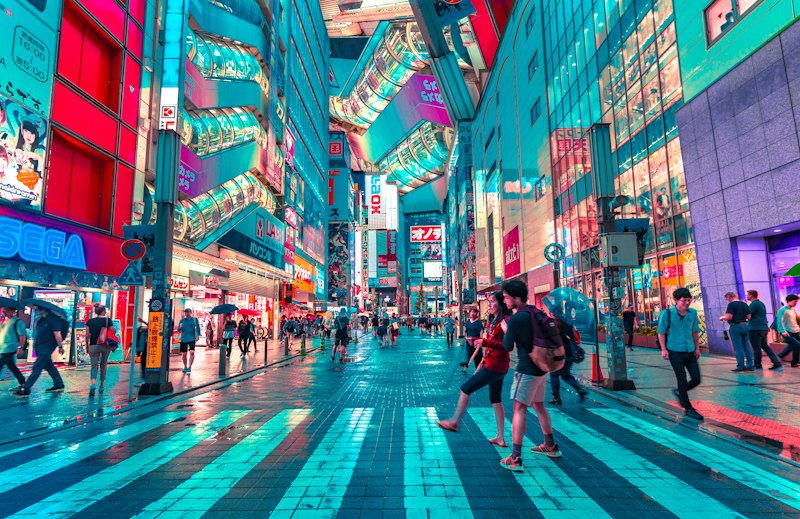
Capturing the essence of Japanese autumn requires a bit of planning, especially given the heavy crowds during this peak inbound season.
- Beat the Crowds: October and November are incredibly busy. To get clean shots of popular spots (especially Kyoto temples or Tokyo parks), you must arrive on weekday mornings right when the gates open.
- Use a Circular Polarizer (CPL): A polarizing filter is an autumn photographer’s best friend. It cuts the glare reflecting off waxy leaves, deepening the blues of the sky and heavily saturating the reds and yellows of the foliage.
- Look for Backlighting: Maple leaves are translucent. Positioning yourself so the sun shines through the leaves from behind will make them glow like stained glass.
- Embrace the Rain: Don't put your camera away if it drizzles. Wet leaves have richer colors, and the dark, damp bark of the trees provides excellent contrast.
Travel Logistics & Transport
Navigating Japan during peak season requires foresight.
- Train Passes: The nationwide Japan Rail (JR) Pass is excellent if you are doing a whirlwind tour from Tokyo to Kyoto to Hiroshima. However, if you are focusing on a specific region (like Tohoku or Kyushu), look into Regional JR Passes, which often provide much better value for localized itineraries.
- Book Accommodations EARLY: Hotels and ryokans (traditional inns) in hotspot areas like Kyoto, Nikko, and Hakone often book out 3 to 6 months in advance for November dates. Secure your rooms as soon as your flights are booked.
Autumn Shopping in Japan
Autumn in Japan isn't just about nature; it’s a massive retail season. As a visitor, you can take advantage of Japan's tax-free shopping program, which allows tourists to save 10% on consumption tax at participating department stores, pharmacies, and electronics retailers (look for the "Tax-Free" logo and bring your physical passport).
- Seasonal Flavors: Convenience stores and supermarkets flood their shelves with limited-edition autumn treats. Look for sweet potato, roasted chestnut, and pumpkin flavors in everything from KitKats and Pocky to seasonal Starbucks Frappuccinos.
- Halloween Merchandise: If you visit in October, you will find incredibly unique Halloween merchandise. Japanese brands go all out with "kawaii" (cute) Halloween-themed plushies, stationary, and apparel, making for fantastic souvenirs.
What to Pack: Autumn Gear Checklist
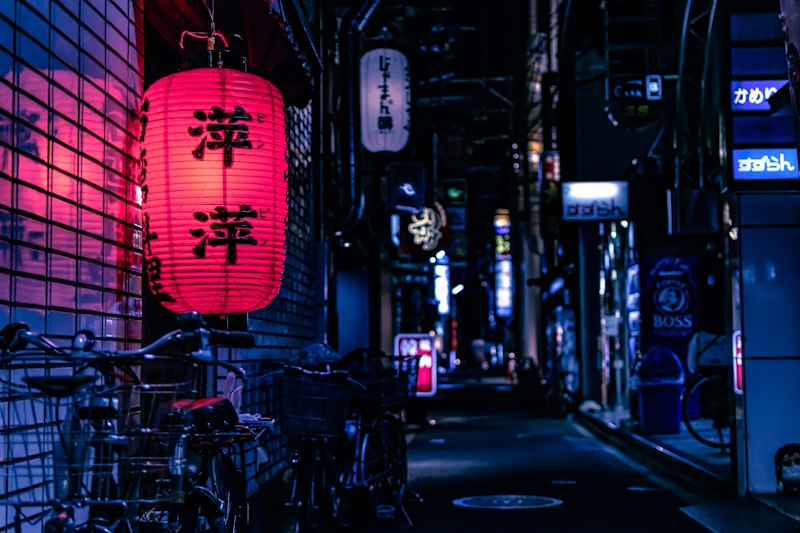
Autumn weather in Japan can be unpredictable. Northern areas and mountains will be quite chilly, while cities like Kyoto and Tokyo can still feel warm during the day.
- Layered Clothing: Bring light, breathable base layers, a warm fleece or sweater, and a medium-weight windproof/waterproof outer jacket.
- Comfortable Walking Shoes: You will easily log 15,000+ steps a day walking through sprawling temple complexes and national parks. Slip-on shoes are a bonus for temples where you must remove your footwear.
- Camera Gear: A versatile zoom lens (e.g., 24-70mm or 24-105mm), extra batteries (cold weather drains them faster), and a CPL filter.
- Small Daypack: Essential for carrying your layers as you shed them during the warmer midday hours, plus room for umbrellas and souvenirs.
- Portable Wi-Fi / eSIM: Crucial for navigating train schedules, checking live foliage updates, and finding hidden local restaurants.
Frequently Asked Questions (FAQ)
What is the difference between sakura (cherry blossoms) and koyo (autumn leaves)?
Sakura season (spring) is notoriously brief, with blossoms lasting only about a week in any given city, moving from south to north. Koyo (autumn) lasts much longer, with leaves changing color over several weeks, and the season moves in the opposite direction: from north to south.
Is it too cold to wear a kimono in autumn?
Not at all! Renting a kimono in Kyoto or Tokyo is incredibly popular in November. Rental shops provide heavier autumn/winter fabric kimonos and will often supply a matching haori (kimono jacket) or a warm shawl to keep you comfortable.
Are the nighttime temple illuminations worth it?
Absolutely. Many temples in Kyoto (such as Kiyomizu-dera and Eikando) and parks across Japan host special evening illuminations. Strategically placed lights make the red maples pop against the pitch-black night sky, creating a magical, otherworldly atmosphere distinct from daytime viewing.