[Disclosure] This article contains affiliate links. We may earn a commission at no extra cost to you.
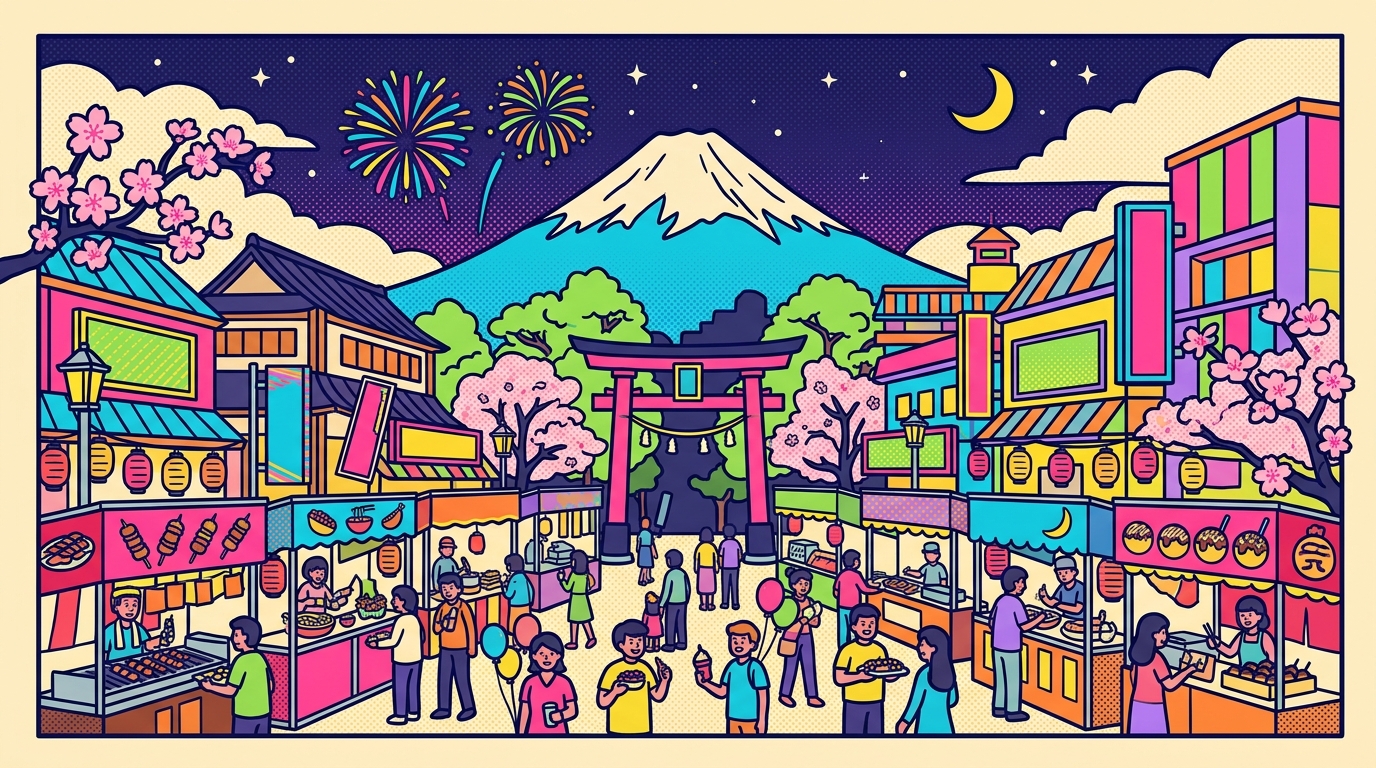
Planning your Japan trip for Summer 2026? You’ve likely read about bustling daytime markets like Nishiki in Kyoto or Tsukiji Outer Market in Tokyo. But if you’re looking to peel back another layer of local life, to discover the true pulse of community commerce under the twilight sky, then you need to seek out the yoru-ichi – Japan’s unsung evening markets. These aren't your typical tourist-brochure festivals with booming taiko drums and rows of identical souvenir stalls. Yoru-ichi are smaller, more intimate, often pop-up affairs focusing on local produce, handmade crafts, and unique street food, frequently held on temple grounds or along local shopping streets. This guide will arm you with the knowledge to find and experience these authentic nocturnal gatherings, complete with 2026 pricing estimates and specific locations to target, ensuring you get a genuine taste of Japan that most visitors completely miss.
What You'll Get From This Guide
- Understanding Yoru-ichi: A clear distinction between a yoru-ichi and a standard matsuri or tourist market.
- Finding the Unlisted: Insider strategies for locating these often-unadvertised evening markets in Summer 2026.
- Realistic 2026 Budgeting: Actual price estimates for food, drinks, and crafts you'll encounter.
- Local Etiquette & Tips: How to navigate a yoru-ichi like a seasoned local, avoiding common tourist missteps.
- Beyond the Major Cities: Focus on where these true local gems thrive outside the typical tourist circuits.
Understanding the Yoru-ichi: More Than Just a Night Market
Forget what you think you know about "night markets" if your reference is Thailand or Taiwan. Japan's yoru-ichi are a different beast entirely. While matsuri (festivals) are grand, often annual events with specific religious or seasonal themes, drawing large crowds and featuring entertainment, yoru-ichi are usually smaller-scale, recurring (monthly or weekly), and community-focused. They're less about spectacle and more about direct commerce between local producers and residents. Think of them as farmers' markets or craft fairs that happen after sunset, usually without the loud music or elaborate parades.
Common Tourist Misconception: Many tourists conflate yoru-ichi with large-scale matsuri. While both are evening events, yoru-ichi are generally quieter, focused on selling goods (fresh produce, vintage items, crafts, simple prepared foods), and less about performances or boisterous celebration. You won't typically find massive fireworks displays or elaborately decorated floats, but rather a more subdued, authentic atmosphere for browsing and eating.
How to Discover Unlisted Yoru-ichi in Summer 2026
Finding these hidden gems requires a bit more effort than simply Googling "Tokyo night market." They often rely on word-of-mouth or local community boards. Here’s your 2026 strategy:
1. Local Tourist Information Centers (with a caveat)
While major tourist information centers might not have details for yoru-ichi, smaller, local ones in residential areas or near train stations might. Ask specifically for "yoru-ichi" or "asa-ichi" (morning markets) schedules. Be prepared that they may not cater to English speakers, so have key phrases ready.
2. Check Local Ward (Ku) Websites & Community Boards
Many wards in cities like Tokyo, Osaka, and Kyoto host or publicize small community events on their official Japanese-language websites. Look for sections like 「イベント情報」 (event information) or 「地域振興」 (community promotion). In July and August 2026, keep an eye out for phrases like 「夜市開催」 (yoru-ichi kaisai - night market held). Local Tip: When you arrive in a neighborhood, look for bulletin boards outside local community centers (公民館 - kōminkan), public baths (銭湯 - sentō), or even small family-run shops. These often display flyers for local events that would never make it online or into major guides. Don't be shy to ask a friendly shop owner, "Kono hen de yoru-ichi wa arimasu ka?" (Is there a night market around here?).
3. Instagram and Local Hashtags
In 2026, Instagram remains a powerful tool. Search hashtags like #夜市 (yoruichi), #夜市開催 (yoruichi kaisai), #地元のイベント (jimoto no event - local event), combined with specific city or ward names (e.g., #世田谷区 or #SetagayaKu for Setagaya Ward). Many local vendors or organizers will post event details closer to the date.
What to Expect & Buy: Yoru-ichi Edition 2026
Unlike the often-homogenized souvenir stands at major attractions, yoru-ichi offer genuinely local and often unique items. Prices below are estimates for Summer 2026, factoring in typical inflation.
Food & Drink Stalls (屋台 - Yatai)
The food at a yoru-ichi leans towards simple, delicious, and often seasonal fare. You'll find fewer mass-produced items and more homemade delights.
- Handmade Mochi (手作り餅): Expect variations like mitarashi dango (skewered mochi with sweet soy glaze) or seasonal fruit daifuku.
- Price: ¥250-400 / ~$1.70-2.70 USD per skewer/piece.
- Local Produce Skewers (地元野菜串): Farmers might grill or lightly fry their seasonal vegetables. Think grilled eggplant with miso, or corn-on-the-cob.
- Price: ¥300-500 / ~$2.00-3.40 USD per skewer.
- Simple Savory Bites: Takoyaki, okonomiyaki, or yakisoba are common, but often from single, dedicated vendors, not chains.
- Price: ¥600-900 / ~$4.10-6.10 USD per serving.
- Cold Drinks: Ramune soda, local craft beer (if permitted), or homemade lemonades.
- Price: ¥200-700 / ~$1.35-4.80 USD.
Crafts & Goods (雑貨 - Zakka)
This is where yoru-ichi truly shine for unique souvenirs.
- Hand-Sewn Pouches & Accessories (手作りポーチ・小物): Local artisans selling small bags, keychains, and hair accessories made from traditional fabrics or unique designs.
- Price: ¥800-3,000 / ~$5.50-20.50 USD.
- Ceramics & Pottery (陶器): Small, often unsigned, but beautifully crafted bowls, cups, or decorative items from local kilns or hobbyists.
- Price: ¥1,500-8,000 / ~$10.20-54.50 USD for smaller pieces.
- Vintage & Upcycled Items (古物・リサイクル): Sometimes, vendors will sell antique trinkets, used books, or repurposed crafts.
- Price: Varies wildly, from ¥100 / ~$0.70 USD for a small trinket to several thousand yen for specific items.
Case Study: Hypothetical Yoru-ichi in Tokyo & Kyoto (Summer 2026)
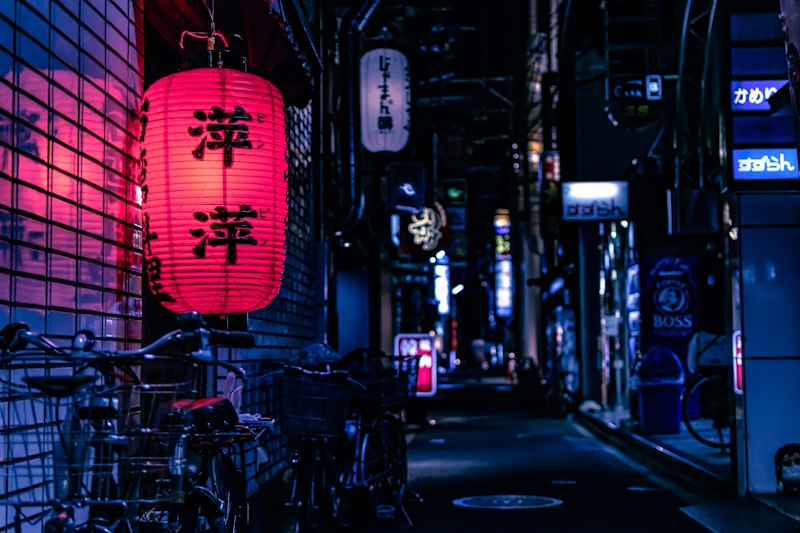
To give you a concrete idea, let's imagine two plausible yoru-ichi in areas known for local community events:
1. Tokyo: Shimokitazawa (下北沢) "Shimo-Kita Twilight Market"
- Location: Near Shimokitazawa Station (Odakyu Line / Keio Inokashira Line), often spills out onto the pedestrian streets surrounding the station or within specific plazas like Bonus Track.
- Estimated Dates (Summer 2026): Likely a weekly or bi-weekly Saturday evening event, e.g., July 12th, July 26th, August 9th, August 23rd, from 17:00-21:00.
- Focus: Young, bohemian vibe. Expect indie crafts, vintage clothing, organic produce, and international street food with a Japanese twist.
- What to Buy:
- Local Honey (国産蜂蜜): Small jars from Tokyo's urban apiaries. ¥1,500 / ~$10.20 USD.
- Hand-Printed T-shirts: Unique designs by local artists. ¥3,500 / ~$23.80 USD.
- Craft Beer & Gyoza Set: A pint of local craft beer from a nearby brewery like "Shimokita Chaen" and a plate of crispy gyoza. ¥1,200 / ~$8.20 USD.
2. Kyoto: Kitano Tenmangu Shrine (北野天満宮) "Monthly Evening Flea"
- Location: The main grounds of Kitano Tenmangu Shrine, a short bus ride from Kitaoji Station (Karasuma Line) or a 20-minute walk from Emmachi Station (JR San-in Line).
- Estimated Dates (Summer 2026): While the main Tenjin-san market is on the 25th of each month during the day, smaller yoru-ichi events focusing on antiques and local crafts sometimes pop up on other evenings, or an extended evening component to the main market. For example, July 15th, August 15th, from 18:00-21:30.
- Focus: Traditional crafts, antiques, local Kyoto vegetables, and classic Kyoto snacks.
- What to Buy:
- Antique Kimono Fabric Scraps: Perfect for crafting. ¥300-1,000 / ~$2.00-6.80 USD per piece.
- Kyoto Pickles (京漬物): Small packs of seasonal pickled vegetables. ¥500 / ~$3.40 USD.
- Matcha Warabi Mochi (抹茶わらび餅): Freshly made, dusted with kinako (roasted soybean flour) and drizzled with kuromitsu (black sugar syrup). ¥550 / ~$3.70 USD.
Yoru-ichi vs. Tourist Market: Price & Experience Comparison (2026)
To illustrate the difference in both cost and atmosphere, here's a comparison table:
| Feature | Typical Tourist Market (e.g., Takeshita Street) | Local Yoru-ichi (e.g., Local Temple Grounds) |
|---|---|---|
| Atmosphere | Bustling, loud, commercial, curated for tourists. | Relaxed, community-oriented, quieter, authentic local life. |
| Food Items | Insta-worthy sweets (giant cotton candy), themed crepes, chain street food. | Handmade dango, seasonal onigiri, local grilled vegetables, family recipes. |
| Crafts/Goods | Mass-produced souvenirs, character goods, trendy fashion. | Unique artisan pottery, handmade accessories, vintage items, local produce. |
| Price (Food) | ¥800-1,500 / ~$5.50-10.20 USD for novelty items. | ¥250-700 / ~$1.70-4.80 USD for quality, simple street food. |
| Price (Crafts) | ¥1,000-5,000 / ~$6.80-34.10 USD for branded/mass-produced souvenirs. | ¥800-4,000 / ~$5.50-27.30 USD for unique, handmade items. |
| Language | English menus, staff used to tourists. | Primarily Japanese, limited English. |
| Best For | Quick fun, recognizable experiences, collecting specific character merchandise. | Deep cultural immersion, unique finds, interacting with locals. |
Overrated Tourist Traps vs. Yoru-ichi Value
What's Overrated: Shopping on Takeshita Street in Harajuku, especially in Summer 2026. While iconic, it's become heavily commercialized and overcrowded. The "unique" fashion items are often mass-produced, and the food stalls, while visually appealing, are generally overpriced for their quality. You'll spend ¥1,000 (~$6.80 USD) on a rainbow crepe that tastes bland, jostling with thousands of other tourists. Why Yoru-ichi is Better: Your ¥1,000 at a yoru-ichi could get you a homemade dango skewer (¥300), a small bag of locally grown organic ginger (¥400), and a beautiful, handcrafted ceramic coaster (¥300). The value is in the authenticity, supporting local businesses, and experiencing un-curated Japan. You're not paying a premium for an "experience" designed for foreign consumption; you're participating in daily local life.