ASOVENTURE · JAPAN LINENOW BOARDING · SUMMER 2026 · TOKYO — OSAKA — SAPPORO — FUKUOKA
Shopping

What’s Actually Cheaper to Buy in Japan 2026: Electronics, Anime, Sneakers, Luxury & Cosmetics

What’s Actually Cheaper to Buy in Japan 2026: Electronics, Anime, Sneakers, Luxury & Cosmetics
Quick facts

If you are planning a trip to Japan in 2026, you are likely already aware of the incredible value your home currency holds against the Japanese yen. But while much has been written about affordable…

  • 📂 Shopping
  • 🔄 Updated 2026-09-03
  • #Japan Shopping
  • #Weak Yen
  • #Tax-Free
📶

Get Your Japan eSIM Before You Go!

Connect to internet immediately on arrival · No airport SIM card needed

Compare eSIM →
📑 Contents

[Disclosure] This guide may contain affiliate links (no extra cost to you). Prices, FX and tax-free rules are 2026 estimates and change — confirm in-store / officially before buying.

The Ultimate 2026 Japan Shopping Guide: What to Buy While the Yen is Weak

If you are planning a trip to Japan in 2026, you are likely already aware of the incredible value your home currency holds against the Japanese yen. But while much has been written about affordable sushi and budget-friendly boutique hotels, the real secret to maximizing your travel budget lies in physical goods. Japan is currently a global arbitrage paradise for savvy shoppers.

Thanks to a historic combination of favorable foreign exchange (FX) rates and Japan’s generous tourist tax-free shopping program, buying certain items in Tokyo or Osaka can yield massive savings compared to buying them back home. However, because prices fluctuate with shifting FX rates, it is crucial to confirm current pricing and exchange rates at the time of purchase.

This hub is your master cheat sheet for product-shopping in Japan. Below, we break down exactly what to buy, what to skip, and how to navigate tax-free rules so you can confidently hunt for electronics, anime merchandise, sneakers, luxury goods, and cosmetics.

Why is Shopping in Japan So Cheap Right Now?

The current shopping boom in Japan is driven by two main factors:

  1. The Weak Yen: The yen’s ongoing weakness against major global currencies (like the USD, EUR, GBP, and AUD) means your home currency stretches significantly further. Items priced for the domestic Japanese market simply cost less when converted.
  2. 10% Tax-Free Exemption: Temporary visitors to Japan can easily legally bypass the country’s 10% consumption tax on eligible purchases. When you combine a weak yen with an instant 10% discount at the register, the savings compound rapidly.

Note: Because international brands frequently adjust their regional pricing to account for currency swings, the "arbitrage gap" can widen or close. Always pull up your home country’s retail websites on your phone to compare prices in real-time while browsing.

The 2026 Japan Shopping Arbitrage Cheat Sheet

Use this quick-reference table to understand where you will find the highest savings potential.

Product Category Savings Potential Why It’s Cheaper Here Next Steps
Used Cameras & Lenses Very High Massive domestic supply; pristine second-hand condition; no import markup. See Electronics Guide
Anime & Gaming Merch Very High Direct from the source; avoids heavy international shipping and reseller premiums. See Anime & Otaku Guide
Vintage Luxury Goods High Strict anti-counterfeit laws; weak yen on pre-owned global designer bags and watches. See Luxury & Vintage Guide
Japanese Cosmetics High Domestic retail pricing minus 10% tax; no foreign distributor markups. See J-Beauty Guide
Sneakers & Streetwear Moderate to High Japan-exclusive drops; excellent condition on the secondary market; tax-free benefits. See Sneakerhead Guide

Top Categories: What to Buy in Japan

This section serves as your navigational hub. Read the overviews below, and follow the links to our deep-dive articles for specific store recommendations and neighborhood guides.

Electronics, Cameras & Tech

Japan has long been a mecca for technophiles, but the real value in 2026 lies in the second-hand camera market. Stores in Tokyo’s Akihabara and Shinjuku districts are packed with gently used camera bodies and premium lenses that are rigorously graded and incredibly affordable due to the weak yen.

Caution: When buying new electronics (like laptops or gaming consoles), be aware of region locks and language barriers. Many domestic Japanese camera models (especially from brands like Sony and Panasonic) only feature Japanese menus and cannot be switched to English. Always ask the staff for "overseas models" or verify the language settings before purchasing. (Navigate to our full guide: Buying Electronics and Cameras in Japan)

Anime, Manga & Gaming Merchandise

If you are an otaku, buying merchandise in your home country usually means paying steep import taxes, international shipping fees, or massive reseller markups. In Japan, you are buying direct from the source. Whether you are hunting for rare retro video games in Super Potato, exclusive character figures in Nakano Broadway, or plushies from the official brand centers in Shibuya, the savings are astronomical. Furthermore, the sheer volume of exclusive, Japan-only merchandise makes this category a must-shop. (Navigate to our full guide: The Ultimate Otaku Shopping Route)

Sneakers & Streetwear

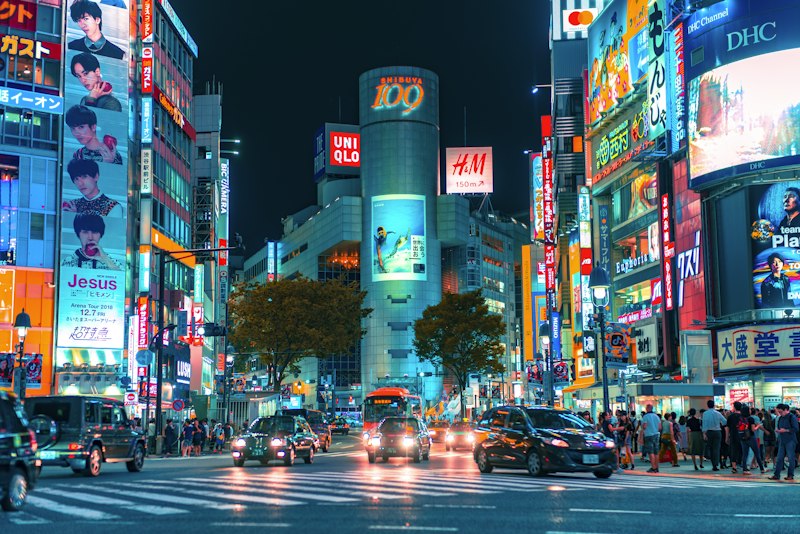
Tokyo’s Harajuku and Shibuya neighborhoods dictate global streetwear trends. While buying brand-new global sneaker releases might only yield modest savings (mostly thanks to the 10% tax-free deduction), Japan’s secondary sneaker market is legendary. Consignment stores offer rare collaborations and Japan-exclusive colorways in immaculate condition. Thanks to the favorable exchange rate, grail items that cost a fortune on western resale apps are often much more attainable on Japanese shelves. (Navigate to our full guide: Tokyo Sneaker & Streetwear Hunting)

Luxury Goods & Vintage Designer

Japan is arguably the best place in the world to buy pre-loved luxury bags, watches, and jewelry. The country has incredibly strict anti-counterfeit laws, meaning registered second-hand dealers thoroughly authenticate every item. Japanese consumers are also known for taking excellent care of their luxury goods, resulting in second-hand items that look practically brand new. Between the weak yen and the tax-free discount, buying a vintage designer handbag in Osaka or Tokyo can save you a substantial amount compared to boutiques in Paris or New York. (Navigate to our full guide: Navigating Japan’s Vintage Luxury Market)

Japanese Cosmetics & Skincare (J-Beauty)

From high-end department store skincare serums to budget-friendly drugstore sunscreens and mascaras, Japanese beauty products are globally renowned. Buying them in Japan means you are paying the base domestic price, avoiding the hefty premiums charged by overseas distributors. Stocking up at major pharmacy chains (which almost always offer tax-free shopping) is one of the easiest ways to see immediate, highly satisfying savings. (Navigate to our full guide: The 2026 J-Beauty Shopping List)
What is NOT Necessarily Cheaper in Japan?

In stock now on Rakuten日本アニメ いろいろグッズ 福袋 2023¥2,023

While the weak yen is powerful, it is not a magic wand for all products. Be cautious before buying the following:

  • Global Tech Flagships (e.g., Smartphones & Tablets): Major multinational tech companies actively monitor global FX rates and adjust their local Japanese pricing accordingly. While the 10% tax-free discount helps, the base price is often inflated to match the global USD or EUR equivalent. Furthermore, Japanese smartphones have a hard-coded shutter sound on their cameras (a local privacy law) that cannot be muted.
  • Western Fast Fashion: Global fast-fashion brands price their items relatively uniformly around the world. You won't see massive arbitrage opportunities here.
  • Heavy or Bulky Items: A ceramic tea set or a massive Gundam model might be cheap at the register, but if it forces you to pay a $100 oversized baggage fee on your flight home, you have instantly wiped out your savings. Always factor in the logistics of transporting the goods.
  • Certain Imported Luxury Goods: While vintage luxury is a steal, brand-new items from European fashion houses in high-end Tokyo department stores are sometimes priced higher to account for import costs, neutralizing the weak yen advantage. Always check the brand's official website for your home country to compare.

Tax-Free Shopping & Customs Basics

To truly take advantage of Japan's shopping arbitrage, you must understand the rules of the game.

How to Get Your 10% Tax Refund

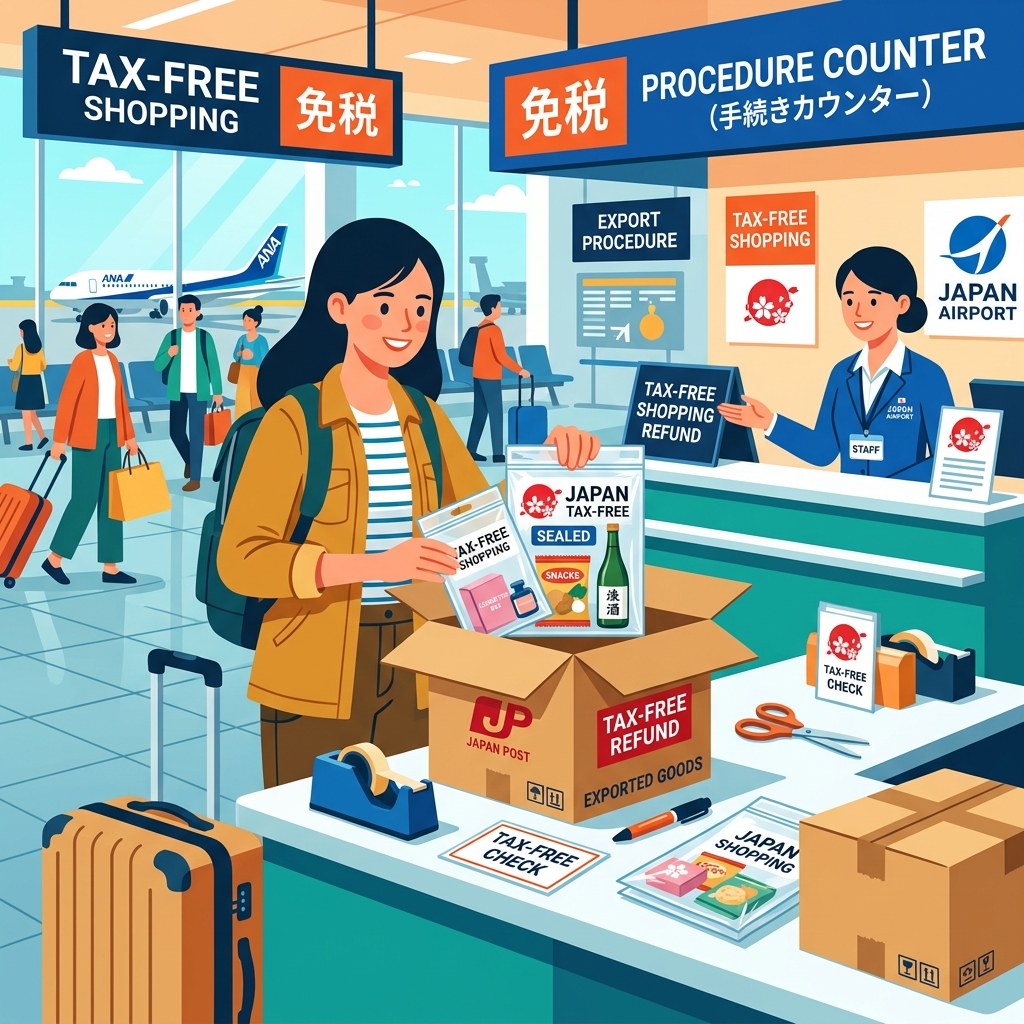
Japan’s tax-free system is incredibly tourist-friendly. Unlike Europe, where you often have to mail forms at the airport, Japan processes the discount at the point of sale.

  • The Threshold: You must spend at least 5,000 JPY (excluding tax) at a single store on a single day to qualify.
  • The Requirements: You must have your physical passport with you (copies are rarely accepted), and it must contain a temporary visitor entry stamp (or the digital equivalent QR code).
  • Consumables vs. General Goods:
    • Consumables (cosmetics, food, snacks, liquor, medicine) are placed in a special sealed plastic bag. You must not open or use these items while in Japan. If customs officials catch you with an opened bag at the airport, you will be forced to pay the 10% tax.
    • General Goods (clothing, sneakers, cameras, electronics, luxury bags) do not need to be sealed. You are free to wear that new jacket or shoot with that new camera during your trip, provided you take it out of the country when you leave.

Bringing It Home: Customs & Duties

The arbitrage game doesn't end until you clear customs in your home country. Every country has a "personal exemption limit" (e.g., $800 USD for the United States, £390 for the UK, $900 AUD for Australia). If the total value of the goods you bring back exceeds this limit, you are legally required to declare them and pay import duties. Always calculate your potential duty fees before making a massive luxury purchase to ensure the arbitrage still works in your favor.

Frequently Asked Questions (FAQ)

Do all stores in Japan offer tax-free shopping? No. Only licensed stores offer this service. Look for the red and white "Japan Tax-Free Shop" sticker in the window or at the register. Most major department stores, electronics retailers, and large pharmacies participate, but smaller boutique shops or local thrift stores may not.

Can I get a tax refund on items I buy online and have shipped to my hotel? Generally, no. The tax-free exemption requires in-person verification of your passport and immigration status at a licensed physical retailer.

What happens if my sealed bag of consumables breaks in my luggage? Do your best to keep the bag intact. If it accidentally tears slightly due to luggage pressure, airport customs officers are usually understanding, provided the products inside are clearly unused and match your receipts. However, if the products are half-empty or clearly used, you will be penalized.

Are prices negotiable in Japan? In standard retail stores, department stores, and pharmacies, prices are strictly fixed. The only places you might find room for slight negotiation are in specialized second-hand electronic shops or flea markets, but even then, aggressive haggling is not a part of Japanese shopping culture.

🛒

Order & Ship to Your Hotel!

Amazon Japan online order → delivered to your hotel next day

Amazon Japan →
🏨

Book Your Japan Hotel Now!

Cherry blossom & autumn seasons sell out fast. Best price guaranteed.

Search Hotels →

🛍️ Exclusive Japan Shopping Coupons

Show these digital coupons on your phone at checkout to save up to 17%!

🐧

🐧 Don Quijote Tax-Free Coupon

10% Tax-Free + Extra 5% OFF (For purchases over 10,000 JPY)

Get Donki Coupon →
📷

📷 Bic Camera Privilege Coupon

10% Tax-Free + Extra 7% OFF on electronics, cameras, and watches

Get Bic Camera Coupon (Free) →

📚 Recommended Guides

Shopping

Kura Sushi Chiikawa Scandal 2026: Where to Buy Merch in Japan

Shopping

How to Order From Amazon Japan Before Your Trip and Ship It to Your Hotel (2026 Guide)

Shopping

Can You Use Your Own Payment App in Japan? 2026 Guide

🧾 Before you buy: tax-free, payment and getting it home

Tax-free basics

Bring your passport and spend at least ¥5,000 at one shop on the same day.

From 1 November 2026 the system changes: you pay the full price including consumption tax in the shop, then complete a refund procedure before you leave Japan. Buying tax-free at the register ends.

The same reform abolished the general-goods/consumables split, the ¥500,000 daily cap on consumables and the special sealed packaging. What changes on 1 November 2026

⚠️ Since 1 April 2025, goods shipped to your home country by international parcel are no longer tax-exempt. If you want the tax break, carry the item out yourself as baggage — shipping is for convenience, not for saving tax.

Paying

Big electronics and chain stores take international cards. Small card shops and second-hand stalls are often cash-only, so keep some yen on you.

Wallets from 17 countries and regions work at PayPay's QR terminals through Alipay+ — including Singapore, Hong Kong, Malaysia and the Philippines. You pay with your own app and the yen amount converts automatically. Cards from the US, UK and Australia are not part of this, so use your card or cash there.

Sources: Japan National Tourism Organization (japan.travel) / PayPay (about.paypay.ne.jp)

Disclosure: This article contains affiliate links. We may earn a commission at no extra cost to you.