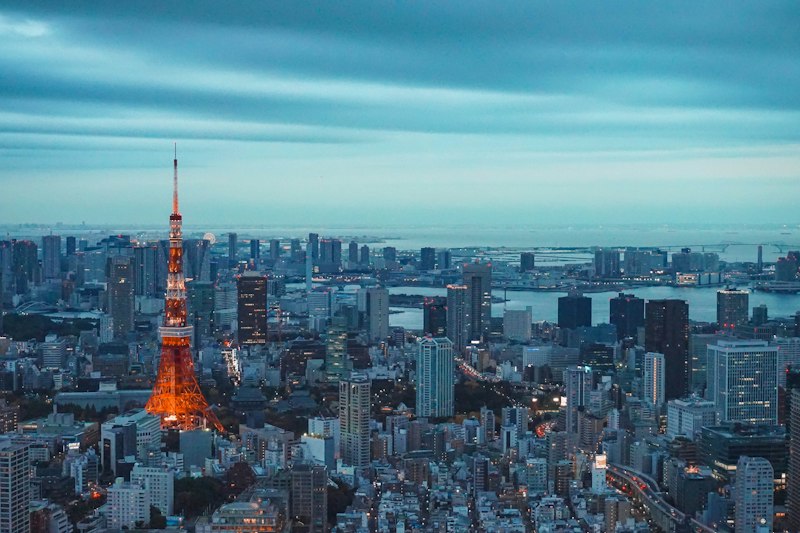
Hotels in Japan's big cities have crept up in 2026, but you do not have to overpay to sleep well. Beyond the standard business hotel, Japan has a whole ecosystem of cheaper — and genuinely more interesting — places to stay: the famous capsule hotel, the newer roadside container hotel, the increasingly popular campervan (van life), and the reliable guesthouse or manga café. This guide breaks down what each one actually costs, what it's like, and which type of traveler it suits, so you can mix and match to cut your accommodation bill without cutting comfort you actually care about.
[Disclosure] This article contains affiliate links. We may earn a commission at no extra cost to you. Prices are typical 2026 ranges — always check live rates before booking.
What You'll Get From This Guide
- Four cheaper ways to sleep in Japan, side by side, with typical 2026 price ranges.
- Who each option suits — solo city hopper, driver, road-tripper, or ultra-budget backpacker.
- A clear cost-comparison table so you can pick per night, not per guesswork.
- Booking and etiquette tips specific to each style, including the ones tourists get wrong.
Cheap Places to Stay in Japan: Quick Answer (2026)
Short answer: The cheapest comfortable options in 2026 are, roughly in order of price: manga cafés and hostel dorms (about ¥1,500–¥4,500), capsule hotels (about ¥3,500–¥8,000), roadside container hotels (about ¥5,000–¥8,000 for a private room), and campervans (about ¥10,000–¥25,000/day for the rental, but it also replaces a hotel). City travelers who want cheap-but-private should look at capsule hotels; drivers and road-trippers save the most with container hotels and campervans, which also cut transport-plus-lodging into one cost.
At a glance
| Option | Typical 2026 price | Best for |
|---|---|---|
| Manga café / hostel dorm | ¥1,500–¥4,500 / night | Ultra-budget, solo, last-minute |
| Capsule hotel | ¥3,500–¥8,000 / night | City stays, cheap but private-ish |
| Container hotel (roadside) | ¥5,000–¥8,000 / room | Drivers, private room, quiet |
| Campervan / van life | ¥10,000–¥25,000 / day | Road trips, rural Japan, groups |
(Ranges vary by city, season and brand. Tokyo, Kyoto and peak periods sit at the top of each range. Verify current rates via the booking links.)
1. Capsule Hotels: Cheap, Private-ish, Everywhere
The capsule hotel is Japan's signature budget stay: a personal sleeping pod (roughly 1m wide × 1m high × 2m deep) with a screen or curtain, plus shared lockers, showers and often a communal bath. Modern chains such as Nine Hours and First Cabin have made them clean, design-led and tourist-friendly.
- Typical 2026 price: ¥3,500–¥5,000 for basic capsules, ¥5,000–¥8,000 for modern or premium ones. City-centre and peak dates push higher.
- Best for: solo travelers and city hoppers who want a low price but their own enclosed space, near stations.
- Watch out for: noise (bring earplugs), suitcase storage (large cases go in separate lockers, not the pod), and gender-separated floors.
For a full walkthrough of what happens inside, see our dedicated capsule hotel first-time guide.
2. Container Hotels: The Roadside Newcomer
A newer arrival on Japan's budget map is the container hotel — private rooms built inside converted shipping containers, most famously the roadside "HOTEL R9 The Yard" style chains that have been spreading along highways and into regional towns. Unlike a capsule, you get a full private room with a real door, en-suite bathroom, TV and desk, but at a budget price because the modular container construction is cheap to build.
- Typical 2026 price: roughly ¥5,000–¥8,000 for a private room, often flat regardless of one or two guests.
- Best for: drivers and travelers exploring regional Japan who want privacy and a private bathroom without a business-hotel price; late arrivals (many are drive-up with easy parking).
- Watch out for: locations are often near roads and on the edge of towns rather than city centres — ideal if you have a car, less so if you rely only on trains.
Many are bookable through the big hotel platforms, so you can compare them the same way you would a business hotel.
3. Campervans & Van Life: Your Bed Moves With You
Renting a campervan (キャンピングカー) has grown fast in Japan because it rolls your transport and your lodging into a single cost — you drive by day and sleep in the van at night. It shines for rural regions, national parks, and itineraries that would be awkward or expensive by train.
- Typical 2026 price: roughly ¥10,000–¥25,000 per day for the rental depending on van size and season, plus fuel and expressway tolls. Because it replaces hotel nights, the effective nightly cost can be very competitive for two or more people.
- Where to sleep legally: dedicated RV parks and campgrounds, and — for short rest stops — roadside
michi-no-eki(道の駅) stations. Note that these are for resting, not setting up camp; keep it low-key and follow each site's rules. - Best for: couples, families or friend groups on a multi-day road trip, especially off the main city routes.
- Watch out for: you need an International Driving Permit plus your home licence (see our Japan driving guide), Japan drives on the left, and city parking for a large van is hard — this is a countryside tool, not a Tokyo one.
4. Guesthouses, Hostels & Manga Cafés: The Ultra-Budget Floor
At the very bottom of the price ladder are shared options that are social, flexible and available almost everywhere.
- Hostel & guesthouse dorms: roughly ¥2,500–¥4,500 for a dorm bed, more for a private room. Great for meeting people and for central locations at low prices.
- Manga café / net café night packs (ナイトパック): roughly ¥1,500–¥2,500 for an overnight "night pack" in a reclining seat or flat booth, with free drinks, showers (at many branches) and, of course, unlimited manga. Not a real bed, but a genuine emergency or ultra-budget option, and a very Japanese experience.
- Best for: backpackers, solo travelers on the tightest budgets, and anyone who misses the last train.
Cost Comparison at a Glance (2026)
| Option | Private space? | Private bath? | Typical price | Car needed? |
|---|---|---|---|---|
| Manga café night pack | Booth only | Shared showers | ¥1,500–¥2,500 | No |
| Hostel / guesthouse dorm | Bunk + curtain | Shared | ¥2,500–¥4,500 | No |
| Capsule hotel | Enclosed pod | Shared / communal bath | ¥3,500–¥8,000 | No |
| Container hotel | Full private room | En-suite | ¥5,000–¥8,000 | Helpful |
| Campervan | Whole van | Campsite / michi-no-eki | ¥10,000–¥25,000/day | Yes |
(Prices are typical 2026 ranges per night unless marked; verify live rates when booking.)
How to Choose, by Traveler Type
- Solo, city-focused, tight budget: capsule hotel in the city, hostel dorm or a manga café night pack to fill gaps.
- Couple who wants privacy cheaply: container hotel if you have a car; otherwise a capsule with private-room options or a guesthouse private room.
- Road trip / rural Japan / group: campervan for the flexibility, backed up by the occasional container hotel or campsite.
- Mixing it up: many travelers save the most by combining — capsules in the cities, a campervan or container hotels for the countryside legs.
Booking Tips & Etiquette
- Book capsules and container hotels on the major platforms so you can compare price, location and reviews in one place, and filter for women-only floors where offered.
- For campervans, book the rental early in peak seasons (cherry blossom, summer, autumn leaves) — fleets are limited.
- Respect quiet and cleanliness everywhere: capsules expect silence,
michi-no-ekiare rest stops not campsites, and communal baths have their own etiquette. - Store big luggage smartly: capsules and container hotels have limited in-room space; use coin lockers or luggage-forwarding for large suitcases.
🗾 Compare budget stays and hotels in Japan
Frequently Asked Questions
Q: What is the cheapest way to sleep in Japan in 2026?
The cheapest options are manga café night packs (around ¥1,500–¥2,500) and hostel dorm beds (around ¥2,500–¥4,500). They are not full private rooms, but they are widely available, central, and a fraction of a hotel price. Capsule hotels are the cheapest way to get your own enclosed sleeping space.
Q: What is a container hotel and is it comfortable?
A container hotel is a budget hotel where each private room is built inside a converted shipping container. Despite the industrial origin, rooms typically include a real bed, en-suite bathroom, TV and desk, and are comparable to a compact business hotel. They are most common along highways and in regional areas, so they suit travelers with a car.
Q: Can tourists rent a campervan in Japan?
Yes. Foreign visitors can rent a campervan with a valid home-country licence plus an International Driving Permit (1949 Geneva Convention). Remember Japan drives on the left, and sleep only at campgrounds, RV parks, or — for short rest stops — michi-no-eki road stations, following each site's rules.
Q: Where can you legally sleep in a campervan overnight?
Use dedicated campgrounds and RV parks for overnight stays. Roadside michi-no-eki stations are intended for short rest, not full camping, so keep set-up minimal and follow posted rules. Never block traffic or private property.
Q: Are capsule hotels or container hotels better value?
It depends on how you travel. In cities without a car, capsule hotels win on price and station access. If you are driving through regional Japan and want a private room with your own bathroom, container hotels often give more privacy for a similar price.
Bottom Line
You can sleep well in Japan for far less than a standard hotel by matching the stay to your trip: capsules and hostels in the cities, container hotels and campervans out on the road. Mixing these options is how experienced travelers keep their 2026 accommodation costs down while making the nights part of the adventure rather than just a bill.
📝 この記事について
This guide compares budget and alternative accommodation types in Japan for 2026 travelers. Prices are typical ranges that vary by city, season and brand; always confirm current rates and rules with the provider before booking.