[Disclosure] This article contains affiliate links. We may earn a commission at no extra cost to you.
You've read the generic guides. You know Tsukiji Market moved to Toyosu. But what does that actually mean for your hunt for authentic, fresh Tokyo sushi in 2026? The truth is, the picture painted by most tourist sites is incomplete, often misleading, and rarely tells you where Tokyoites themselves truly go for their sushi fix. This guide cuts through the noise, detailing the current realities of both Tsukiji Outer Market and Toyosu, helping you avoid common tourist pitfalls and discover the genuine local approach to enjoying Japan's most iconic dish.
What You'll Get From This Guide
- 2026 Reality Check: Understand what each market actually offers today, not what they used to be.
- Real Local Insights: Discover where Tokyo residents genuinely go for various sushi experiences.
- Specific Recommendations: Names, prices, and access for top sushi and food spots.
- Honest Price Data: Expect actual 2026 costs in both JPY and USD equivalents.
- Time-Saving Tips: Learn how to avoid long queues and overrated tourist traps.
- Market Comparison: A clear breakdown of pros and cons for each location.
The Myth vs. The Reality: Tokyo's Fish Markets in 2026
For years, Tsukiji Market was synonymous with the ultimate fresh sushi experience. Its relocation to Toyosu in 2018 reshaped Tokyo's culinary landscape, creating confusion for many travelers. Tourists often flock to Tsukiji Outer Market expecting the bustling wholesale fish market of yesteryear, only to find a vibrant, but distinctly different, retail and street food hub. Others head to Toyosu, hoping for the direct, immersive market experience, often met with a sterile, modern facility designed for efficiency, not tourism.
The crucial takeaway for 2026 is this: neither Tsukiji Outer Market nor Toyosu Market is where the average Tokyo local regularly goes for their everyday sushi. Each serves a specific purpose, and while both offer excellent food, they cater to different needs and expectations. Understanding this distinction is key to a truly satisfying sushi journey.
Tsukiji Outer Market (場外市場): A Tourist Foodie Paradise, Not a Fish Market
The Tsukiji Outer Market, located near the original Tsukiji wholesale market site, continues to thrive as a bustling pedestrian street food and retail district. However, let's be crystal clear: Tsukiji Outer Market is no longer a working fish market. The seafood sold here is brought in daily from Toyosu or other distributors, not directly from an on-site auction. It's a fantastic spot for casual eats, souvenirs, and a lively atmosphere, but if your sole aim is market-direct sushi, you're at the wrong place.
What Tsukiji Outer Market Does Best
This market excels at street food, fresh produce, kitchenware, and specialty Japanese ingredients.
- Street Food & Casual Bites:
- Tamagoyaki (Rolled Omelet): Iconic and delicious. Visit Marutake (丸武) or Yamachō (山長). A small, fresh-made piece costs around ¥150 / ~$1 USD.
- Seafood Skewers: Grilled scallops, uni (sea urchin) or ikura (salmon roe) bowls are widely available, typically ¥800-¥2,000 /
$5-$13 USD. - Fresh Oysters: Raw oysters from various regions of Japan, shucked on the spot, can be found for ¥500-¥1,000 /
$3-$7 USD per piece.
- Specialty Retail:
- Kitchen Knives: Stores like Tsukiji Aritsugu (築地有次) offer exquisite, handcrafted Japanese knives. Prices start from ¥10,000 / ~$67 USD for basic utility knives and go well into the hundreds of thousands. A great souvenir or investment! You can also check out Japanese kitchen knives on Amazon Japan.
- Dried Seafood & Tea: High-quality dried bonito, kombu, and traditional Japanese teas.
Sushi at Tsukiji Outer Market in 2026
Yes, there are many sushi restaurants here, ranging from conveyor belt (kaiten) to traditional edomae style. Popular spots like Tsukiji Sushisei Honten (築地寿司清 本店) offer decent sushi. However, be aware that you are paying a premium for the "Tsukiji" branding and convenience. A mid-range sushi set here will typically cost ¥3,500 – ¥6,000 / ~$23 – ~$40 USD. The fish is fresh, but it's not fresher than what you'd find at a quality neighborhood sushi restaurant. Many locals consider some of the more overtly tourist-focused sushi spots in the outer market as overrated, offering average quality for inflated prices.
Access & Visiting Tips for Tsukiji Outer Market
- Nearest Station: Tsukiji Shijo Station (Toei Oedo Line, Exit A1) or Tsukiji Station (Tokyo Metro Hibiya Line, Exit 1 or 2).
- Walking Time: Less than 1 minute from Tsukiji Shijo, about 5 minutes from Tsukiji Station.
- Best Time to Visit: Early morning (7:00 AM - 10:00 AM) for the freshest selection of street food, though it remains lively until the afternoon.
- Opening Hours: Generally 7:00 AM - 2:00 PM, with some shops closing later or opening earlier. Closed on Sundays and some Wednesdays.
Toyosu Market (豊洲市場): The Authentic Wholesale Heart of Tokyo
Toyosu Market is Tokyo's actual wholesale fish market, a massive, modern, state-of-the-art facility. It's designed for efficient commercial operations, not for casual browsing or direct interaction with vendors. While it does house some of Tokyo's most renowned sushi restaurants, visiting Toyosu is a different experience entirely from the old Tsukiji.
What Toyosu Market Offers Tourists
- Tuna Auction Observation Deck: Located on the 3rd floor of the Fish Wholesale Market Building. You can observe the tuna auction from a dedicated viewing platform, behind glass. It's a sterile, distant view compared to the old Tsukiji.
- Restaurants: Primarily located in the Fish Wholesale Market Building (3F) and the Fruit and Vegetable Market Building (1F, and 3F in the "Management Facilities Building"). These are high-quality, often legendary sushi restaurants that followed the market from Tsukiji.
- Retail Shops: A small selection of shops selling fresh produce, specialty items, and souvenirs, though far less extensive than Tsukiji Outer.
Sushi at Toyosu Market in 2026
This is where you'll find the freshest fish directly from the market. The two most famous sushi restaurants, Sushi Dai (寿司大) and Daiwa Sushi (大和寿司), are known for their exceptional quality omakase (chef's choice) sets.
- Sushi Dai: Expect an omakase set (around 10-12 pieces) to cost ¥5,500 – ¥7,000 / ~$37 – ~$47 USD. The queue is legendary, often 2-4 hours long, even starting before dawn. Located on the 3rd floor of the Fish Wholesale Market Building.
- Daiwa Sushi: Similar pricing, around ¥5,000 – ¥6,500 / ~$33 – ~$43 USD for an omakase set. Queue times are usually slightly shorter than Sushi Dai, but still significant (1-3 hours). Also on the 3rd floor of the Fish Wholesale Market Building.
- Other Options: Many other excellent sushi restaurants exist within Toyosu, such as Isozushi (磯寿司) or Ryogoku Sushi (両国寿司), offering quality just shy of the big two but with far shorter wait times. Expect sets in the ¥4,000 – ¥7,000 / ~$27 – ~$47 USD range.
Local Tip: Unless queuing for hours for Sushi Dai or Daiwa Sushi is on your ultimate bucket list, consider other sushi restaurants within Toyosu Market. The quality is still exceptional, and you'll save valuable travel time. Locals who do go to Toyosu for sushi often have their own less-famous favorites to avoid the tourist crush.
Access & Visiting Tips for Toyosu Market
- Nearest Station: Shijomae Station (Yurikamome Line). The market buildings are directly connected by elevated walkways.
- Walking Time: From Shijomae Station, it's a 1-5 minute walk via covered walkways to the various market buildings.
- Best Time to Visit: For sushi, arrive before 5:00 AM to stand a chance at a reasonable queue for Sushi Dai/Daiwa Sushi. For observation, 6:00 AM - 9:00 AM for the auction, or later for less crowded views.
- Opening Hours: Market generally operates from 5:00 AM to 3:00 PM. Restaurants typically open 5:00 AM - 6:00 AM and close around 1:00 PM - 2:00 PM (last order earlier). Closed on Sundays, public holidays, and some Wednesdays. Check the official Toyosu Market calendar before visiting.
Where Locals Actually Go for Sushi in Tokyo
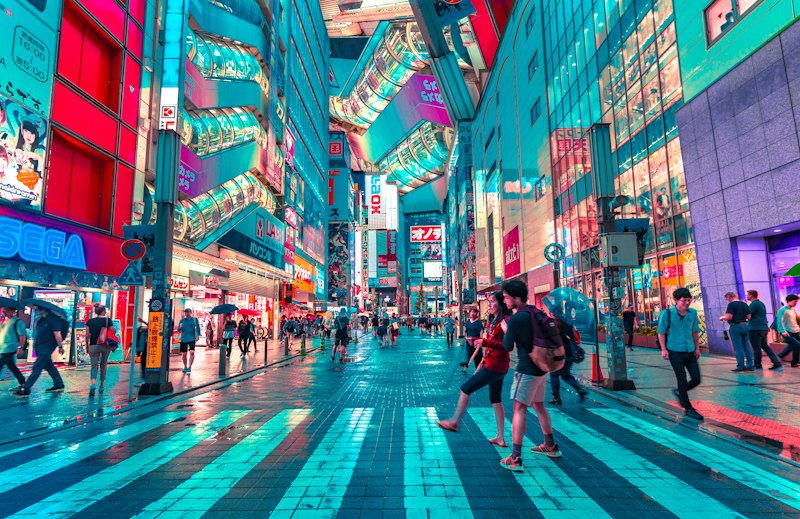
This is the million-dollar question, and the answer isn't a single location. For Tokyo locals, "sushi" encompasses a broad spectrum of experiences, and the idea of regularly flocking to a market for it is largely a tourist perception.
- Neighborhood Sushi Restaurants: For everyday quality and value, locals frequent their trusted neighborhood sushi restaurants. These are often small, family-run establishments that may not have English menus but offer excellent, fresh sushi at reasonable prices (¥2,000 – ¥5,000 / ~$13 – ~$33 USD for a good lunch set). They value the relationship with the chef and consistent quality over the "market" label. These are difficult for tourists to find without local knowledge but offer a truly authentic experience.
- High-End Sushi (Ginza, Roppongi): For special occasions, locals will splurge on world-class sushi in areas like Ginza or Roppongi. Think places like Sukiyabashi Jiro (数寄屋橋次郎) or Ginza Kyubey (銀座 久兵衛), where omakase starts from ¥30,000 / ~$200 USD and requires reservations months in advance. These are culinary temples, not market-driven casual spots.
- Kaiten-Zushi (Conveyor Belt Sushi): For quick, affordable, and consistently good sushi, popular kaiten-zushi chains are king. Brands like Sushiro (スシロー), Kura Sushi (くら寿司), and Hama Sushi (はま寿司) offer plates starting from ¥130 / ~$0.87 USD. These are everywhere, utilize fresh ingredients delivered daily, and offer a wide variety beyond just fish (fried items, desserts). This is arguably where most Tokyoites get their sushi most often. Don't dismiss them; they are a legitimate and enjoyable part of Japan's sushi culture.
- Specific Market-Adjacent Delicacies: If a local wants specific market freshness, they might go to Toyosu for particular fish on a specific day, or visit a specialist shop near the market for ingredients to take home, but usually not to queue for hours for a sit-down meal unless it's a rare treat.
The Honest Verdict: For a fulfilling sushi experience that locals would genuinely approve of, consider a high-quality kaiten-zushi chain for everyday value, or a reputable, non-market restaurant in a neighborhood like Shinjuku, Shibuya, or Ginza (for a higher budget). Toyosu is for the dedicated pilgrim seeking the market-peak experience, and Tsukiji Outer is for a fun, casual food crawl – not its sushi.
Market Comparison: Tsukiji Outer vs. Toyosu (2026)
| Feature | Tsukiji Outer Market | Toyosu Market |
|---|---|---|
| Primary Focus | Retail, street food, souvenirs, culinary goods | Wholesale fish & produce, commercial operations |
| Atmosphere | Lively, bustling, traditional market feel, touristy | Modern, functional, clean, less interactive, professional |
| Sushi Source | Fish sourced from Toyosu & other distributors | Fish directly from wholesale auction (on-site) |
| Accessibility | Very easy (Tsukiji Shijo/Tsukiji Stations) | Moderate (Yurikamome Line from Shimbashi) |
| Best For | Casual eating, souvenirs, Japanese kitchenware, lively atmosphere | Observing the working market, ultra-fresh high-end sushi (if you queue) |
| Opening Hours | Generally 7:00 AM - 2:00 PM (some shops vary) | Restaurants typically 5:00 AM - 2:00 PM; wholesale much earlier |
| Cost (Sushi) | ¥3,500 - ¥6,000 / ~$23 - ~$40 USD (for a typical set) | ¥5,000 - ¥10,000+ / ~$33 - ~$67+ USD (for omakase) |