[PR] This article contains affiliate links.
Here is the ultimate, meticulously detailed 2026 visitor guide for Tokyo Tower, tailored specifically for international inbound tourists.
The Ultimate 2026 Guide to Visiting Tokyo Tower: Tickets, Decks, and Local Secrets
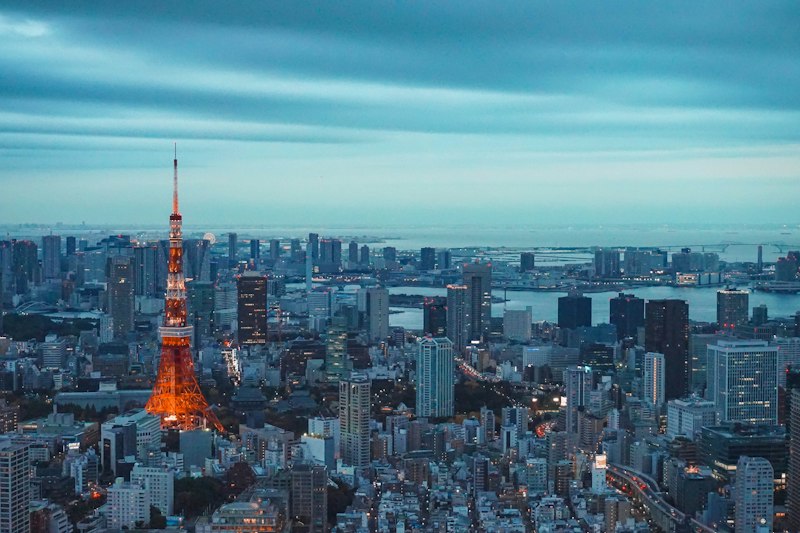
For more than six decades, a singular crimson-and-white lattice spire has defined the skyline of Japan’s capital. Completed in 1958, Tokyo Tower remains an enduring symbol of Japan’s post-war rebirth and an unmissable highlight of any modern Tokyo itinerary. Standing at a proud 333 meters in the heart of Minato City, it radiates a retro, analog charm that heavily contrasts with the ultra-modern, metallic aesthetic of the 634-meter Tokyo Skytree located on the opposite side of the city.
While Skytree may hold the record for sheer height, Tokyo Tower holds the city’s heart. Situated adjacent to the centuries-old Zojoji Temple and the lush greenery of Shiba Park, Tokyo Tower offers a breathtaking juxtaposition of historic Japan and futuristic metropolis. From its dual observation decks, visitors are treated to stunning panoramic views of the sprawling urban landscape, including Roppongi Hills, the Tokyo Bay waterfront, and, on clear days, the snow-capped peak of Mount Fuji.
If you are planning a trip to Japan in 2026, visiting Tokyo Tower requires a bit of logistical preparation. Between distinguishing the Main Deck from the exclusive Top Deck Tour, navigating timed-entry reservations, understanding ticket prices, and figuring out the best train routes from your hotel, there is a lot to consider. This exhaustive, 5,000+ word guide is the only resource you will need. We will cover exact 2026 admission prices, floor-by-floor breakdowns, photography tips, dining recommendations, and detailed access maps to ensure your Tokyo Tower experience is absolutely flawless.
1. Understanding the Decks: Main Deck vs. Top Deck
One of the most common points of confusion for international tourists is understanding the layout of Tokyo Tower. The tower features two completely distinct observation levels. Deciding how high you want to go determines which ticket you need to purchase.
The Main Deck (150 Meters)
The Main Deck is the primary observation level, situated 150 meters above the ground. It is spread across two floors (Main Deck 1F and Main Deck 2F), offering spacious viewing galleries with sweeping, 360-degree vistas of the city.
At 150 meters, you are elevated enough to see the sheer scale of Tokyo, yet low enough that individual landmarks, cars, and people are still distinctly visible. This is where most of the tower's interactive features are located. You will find the famous Skywalk Window (glass floors that let you look straight down to the base of the tower), a cafe for light refreshments, the official souvenir shop, and even a functioning Shinto shrine. The Main Deck is highly accessible, spacious, and perfect for families or travelers on a moderate budget.
The Top Deck (250 Meters)
Floating 100 meters above the Main Deck is the Top Deck, situated at an altitude of 250 meters. This deck underwent a massive renovation in recent years and features a futuristic, kaleidoscope-like interior adorned with geometric mirrors and LED lighting.
Crucial Note for 2026: You cannot simply ride an elevator up to the Top Deck on a whim. The Top Deck can only be visited as part of the official "Top Deck Tour." This premium experience includes admission to the Main Deck, but adds a transfer to a dedicated, glass-paneled elevator that whisks you up to the 250-meter mark. The Top Deck Tour offers a much more intimate, guided experience with complimentary voice guides, a photo service, and a sophisticated atmosphere. Because the physical footprint of the Top Deck is much smaller than the Main Deck, capacity is strictly limited.
2. Tokyo Tower 2026 Ticket Prices and Admission Guide
Navigating ticket prices in Tokyo can be overwhelming, but Tokyo Tower maintains a structured, tiered pricing system based on age and deck access. Below are the verified, exact prices for 2026.
Main Deck Admission Prices
If you only wish to visit the 150-meter Main Deck, you can purchase standard admission tickets. These can be bought online in advance or on the day of your visit at the 1F ticketing counters in FootTown.
- Adults: 1,500 yen
- High school students: 1,200 yen
- Elementary/junior high school students: 900 yen
- Children (age 4 and up): 600 yen
- Infants (under age 4): Enter for free
Top Deck Tour Prices (Includes Main Deck + Top Deck)
Because the Top Deck Tour requires strict capacity management, Tokyo Tower incentivizes booking online in advance with slightly discounted rates compared to walking up on the day of your visit.
Advance / Online Top Deck Tour Prices:
- Adults: 3,300 yen
- High school students: 3,100 yen
- Elementary/junior high school students: 2,200 yen
- Children (age 4 and up): 1,400 yen
Same-Day / Walk-Up Top Deck Tour Prices: If you wait until the day of your visit to purchase a Top Deck Tour ticket at the counter, the prices are higher. The same-day combined admission for an adult is 3,500 yen.
Please note: There is also a premium experience known as the "Tokyo Diamond Tour," which includes a private lounge and exclusive perks. Prices and inclusions for this ultra-premium tier vary, so please check the official Tokyo Tower website if you are interested in this option. Furthermore, for any multi-attraction combo tickets or bundle deals, check the official ticket page directly as offerings rotate.
The Timed-Entry System: Why You Must Be Punctual
The Top Deck Tour operates on a strict timed-entry system. When you book your ticket online, you must select a specific date and entry time block (typically broken down into 15-minute intervals).
Do not be late. Several ticket sources and official policies note that arriving after your assigned entry time can void your Top Deck reservation entirely, without a refund. The elevators to the Top Deck operate on a precise schedule to prevent overcrowding. If you miss your slot, the staff cannot simply bump you to the next one, as it is likely already sold out. However, even if you are late and lose your Top Deck reservation, your ticket will typically still grant you access to the Main Deck.
Advance Reservations vs. Walk-Ups for the Top Deck
Is it absolutely mandatory to book the Top Deck Tour in advance? Technically, no. Sources suggest that walk-up Top Deck tickets can sometimes be available at the 1F ticket counter. However, they are frequently sold out by early morning, especially on weekends, Japanese national holidays, and clear-weather days. To guarantee your entry to the 250-meter level, you are highly advised to book online in advance rather than assuming you can just walk up.
Tip on Paying: When booking online, credit cards are standard. If you are buying Main Deck tickets or same-day Top Deck tickets at the physical counter, both cash and major credit cards (as well as IC cards) are generally accepted. If you want to know more about handling currency in Japan, read our guide on Cash vs Card in Japan 2026: How Much Cash Do You Need?.
3. Operating Hours and the Best Time to Visit
Tokyo Tower 2026 Operating Hours:
- Open: 9:00 daily
- Close: 23:00 daily
- Last Entry: 22:30
Because Tokyo Tower is open 365 days a year from 9:00 in the morning until 11:00 at night, you have immense flexibility in planning your visit. The best time to visit depends entirely on what you want to experience:
- Morning (9:00 – 11:00): This is the best time to beat the crowds. The air is often crisp and clear, providing the absolute best chance of spotting Mount Fuji to the west. Morning light is also phenomenal for photographing the vibrant red structure against a blue sky.
- Late Afternoon / Sunset (16:30 – 18:30): The transition from daylight to dusk to night is magical. You can watch the sprawling city light up as the sun dips below the mountains. However, this is heavily crowded. If booking a Top Deck Tour for sunset, you must book weeks in advance.
- Night (19:00 – 22:30): The city becomes a glittering carpet of lights. Tokyo Tower itself lights up. This is incredibly romantic and much quieter than the sunset rush.
Note on Events: Tokyo Tower frequently hosts seasonal illuminations, collaborations with popular anime franchises (often covered in guides like Anime Pilgrimage in Japan: A Beginner), and special weekend events. Because these change constantly, you must check the official Tokyo Tower website's news and events section to see exactly what temporary attractions or light-up schedules are happening during your 2026 visit. Do not rely on outdated blogs promising specific seasonal festivals.
4. Floor-by-Floor Guide: What to Expect Inside
A visit to Tokyo Tower is more than just a view; it is a multi-level entertainment complex.
FootTown (Base Building)
Directly beneath the tower is a 5-story commercial building called FootTown. You can enter FootTown for free without an observation deck ticket.
- 1F: The main entrance, ticket counters, and the elevator banks to the observation decks. You will also find crepe stands and outdoor seating.
- 2F: A massive souvenir hall. Here you can buy Tokyo Tower magnets, keychains, traditional Japanese sweets, and Tokyo Banana cakes. There is also a small food court offering ramen, burgers, and donburi bowls.
- 3F: The official "Galaxy" shop, an information desk, and resting areas.
- 4F & 5F: Home to RED° TOKYO TOWER, a massive indoor e-sports and digital entertainment amusement park featuring VR games, racing simulators, and interactive physical challenges. (Note: RED° requires a separate admission ticket, not included with observation deck passes).
Main Deck 1F (150m)
Upon riding the elevator up, you generally arrive at the two-story Main Deck. The first floor of the Main Deck is famous for the Skywalk Window. These reinforced glass panels are set right into the floor. Step onto them and look straight down 150 meters to the cars and pedestrians below—not for the faint of heart! This floor also houses Club333, a stage area for live music and radio broadcasts, as well as Café La Tour, where you can grab a soft-serve ice cream or a beer to enjoy with the view.
Main Deck 2F (150m)
You can take the internal stairs up to the second floor of the Main Deck. This floor features the Great Shinto Shrine of the Tower (Tower Daijingu). It is the highest Shinto shrine in Tokyo's 23 wards. Many students visit this shrine to pray for success in exams, and couples pray for romantic success. You can even purchase exclusive Tokyo Tower omamori (lucky amulets) here.
The Top Deck (250m)
If you hold a Top Deck Tour ticket, you will proceed to the designated transfer gate on the Main Deck. You are served a complimentary beverage while waiting for the glass-paneled elevator to the top. Once you reach the 250-meter mark, the atmosphere shifts dramatically. The Top Deck is heavily stylized with fragmented mirrors that reflect the city lights and the LED illumination of the room, creating an immersive, cyberpunk-meets-luxury aesthetic. The views here are less obstructed by neighboring high-rises, offering a truer panorama of the Kanto plain.
5. Exact Access Guide: Getting to Tokyo Tower in 2026
Tokyo Tower’s central location in Minato City makes it incredibly accessible, though there is no single "Tokyo Tower Station" directly underneath it. Instead, it is surrounded by a ring of subway and JR stations. Depending on where you are traveling from in Tokyo, you will choose one of the following five access points.
Using a prepaid transport card makes navigating these different subway lines effortless. If you haven't decided on one yet, review our guide: What is the Best IC Card for Tourists in Japan 2026? | Suica vs Pasmo vs ICOCA.
Here are the nearest stations and their verified walking times:
1. Akabanebashi Station (Toei Oedo Line) — About 5 Minutes Walk
Best if coming from: Shinjuku, Roppongi, or Tsukiji. This is the closest and most visually striking approach. Take the Akabanebashi Gate exit. As soon as you emerge from underground, Tokyo Tower dominates the sky directly in front of you. The walk is a gentle uphill stroll along a wide sidewalk.
2. Onarimon Station (Toei Mita Line) — About 6 Minutes Walk
Best if coming from: Otemachi, Hibiya, or Meguro. Use Exit A1. This route takes you past the northern edge of Shiba Park. It is a quiet, leafy walk that provides excellent framing of the tower through the trees.
3. Kamiyacho Station (Tokyo Metro Hibiya Line) — About 7 Minutes Walk
Best if coming from: Ginza, Ueno, or Ebisu. Use Exit 1. The walk from Kamiyacho takes you through a slightly more commercial/residential neighborhood. It involves a slightly steeper incline as you approach the base of the tower.
4. Shibakoen Station (Toei Mita Line) & Daimon Station (Toei Asakusa/Oedo Lines) — About 10 Minutes Walk Each
Best if coming from: Asakusa (use Daimon) or Haneda Airport (use Daimon via the Keikyu line). Walking from either of these stations allows you to approach the tower by walking through the grounds of Zojoji Temple or the expansive lawns of Shiba Park. It extends the walk but turns the journey into a sightseeing activity of its own.
5. JR Hamamatsucho Station (JR Yamanote Line / Keihin-Tohoku Line) — About 15-20 Minutes Walk
Best if coming from: Tokyo Station, Shibuya, or if you strictly want to use a JR Pass. Use the North Exit. While this is the longest walk, it is essentially a straight line heading west. You will pass under the monumental Daimon Gate, walk straight into Zojoji Temple, and see Tokyo Tower rising majestically behind the temple’s main hall. It is a highly recommended walking route for first-time visitors despite the 20-minute distance.
Practical tip for summer walkers: The walk from JR Hamamatsucho offers very little shade until you reach the temple grounds. If visiting between June and September, the Tokyo heat is brutal. Ensure you are prepared by checking out the Best Japanese Sunscreens 2026 | TOP5 for Western Travelers and stay hydrated (read up on Can You Drink Tap Water in Japan? | City by City Guide 2026 for bottle-refilling advice).
6. Top 5 Photography Spots Around Tokyo Tower
You do not need to go up Tokyo Tower to appreciate it. In fact, many would argue that looking at the tower from the outside is just as rewarding as looking from it. Here are 5 incredibly specific locations near the tower that offer the best photo opportunities, complete with precise maps so you don't get lost.
1. Zojoji Temple Grounds
Zojoji is the head temple of the Jodo sect of Japanese Buddhism in the Kanto region and the family temple of the Tokugawa shoguns. Standing in the main courtyard, you can photograph the grand, sweeping wooden eaves of the traditional temple architecture with the ultra-modern steel lattice of Tokyo Tower looming directly behind it.
- Access: 3 minutes walk from Shibakoen Station, or a 10-minute walk from Tokyo Tower.
- Entry: Free. Grounds generally open 9:00–17:00.
2. Tokyo Tower Underground Parking Lot Stairs
This is arguably the most viral photo spot of Tokyo Tower on social media. Located just across the street from the tower base, near the Tofuya Ukai restaurant, there is a staircase leading down to an underground parking facility. By positioning a camera at the bottom of the stairs pointing upward, the concrete walls perfectly frame the soaring tower above.
- Access: 5 minutes from Akabanebashi Station. Look for the parking garage entrance right next to the "Tokyo Shiba Tofuya Ukai" compound.
- Tip: Because it is an active parking garage, respect the security guards and do not block pedestrian or vehicle traffic. Wait your turn, as queues often form here.
3. Shiba Park (Block 4 / 4-Gochi)
Shiba Park is broken up into several different lots. "Block 4" (4-gochi) features a beautifully manicured promenade flanked by tall trees leading directly toward Tokyo Tower. It is an excellent spot for couples or families to take wide landscape shots, or to sit on the grass and enjoy a picnic.
- Access: 2 minutes from Onarimon Station (Exit A6).
4. Prince Shiba Park (In front of The Prince Park Tower Tokyo)
Not to be confused with the public Shiba Park, this private-yet-accessible green space is located on the grounds of The Prince Park Tower Tokyo hotel. It offers an elevated, perfectly unobstructed view of the tower rising above a lush, perfectly manicured lawn. In spring, this area is framed by stunning cherry blossoms.
- Access: 3 minutes from Akabanebashi Station, near the hotel entrance.
5. Keio University East Gate / Mita Dori
If you walk about 15 minutes south of the tower into the Mita neighborhood, turning back to look north up the main avenue (Mita-dori) yields a classic "urban canyon" shot. The towering red spire is framed by modern glass office buildings and chaotic Tokyo street traffic.
- Access: About an 8-minute walk from Mita Station or Tamachi Station.
7. Where to Eat Near Tokyo Tower in 2026
Exploring observation decks and hunting for photo spots works up an appetite. Minato City is home to everything from cheap convenience store bites to world-class fine dining. If you are curious about budgeting for your meals here, check our guide on How Much Does Food Cost in Japan? 2026 Konbini vs Restaurant.
Here are 5 highly recommended specific dining spots near Tokyo Tower, complete with access data.
1. Terrace Dining TANGO
Located directly across the street from the base of Tokyo Tower, this Italian restaurant features an outdoor terrace that boasts an absolutely stunning, neck-craning view of the tower. It’s perfect for a romantic dinner or a relaxed lunch.
- Cuisine: Italian (Pasta, grilled meats, seafood).
- Budget: Lunch sets ~1,500 – 3,000 JPY. Dinner ~6,000 – 10,000 JPY.
- Hours: 11:30–15:00 (Lunch), 17:00–22:30 (Dinner). Closed on irregular days, reservations highly recommended.
- Access: 5-7 minutes walk from Akabanebashi Station.
2. Tokyo Shiba Tofuya Ukai
For an unforgettable, high-end traditional Japanese dining experience, Tofuya Ukai is unparalleled. Set in an expansive traditional Japanese garden at the very foot of Tokyo Tower, this restaurant specializes in meticulously crafted, multi-course kaiseki meals centered around artisanal tofu.
- Cuisine: Tofu Kaiseki / Traditional Japanese.
- Budget: Lunch starts around 8,000 JPY. Dinner starts around 15,000 JPY.
- Hours: 11:45–15:00, 17:00–21:30. (Closed Mondays). Advance reservations are virtually mandatory.
- Access: 5 minutes walk from Akabanebashi Station.
3. Marion Crepes Tokyo Tower
If you just want a quick, iconic Japanese street food snack, look no further than Marion Crepes located right on the 1F plaza of FootTown. Originating in Harajuku, Marion Crepes serves massive cones of thin crepes stuffed with whipped cream, fresh strawberries, chocolate sauce, and even slices of cheesecake.
- Cuisine: Japanese Dessert Crepes.
- Budget: ~500 – 800 JPY per crepe.
- Hours: 10:00–20:00 daily.
- Access: Located at the entrance of Tokyo Tower.
4. FootTown 2F Food Court
For families looking for a fast, casual meal without leaving the tower, the 2F food court inside FootTown is the most convenient option. It offers standard Japanese fast-casual fare, including ramen shops, curry stalls, and a Mos Burger.
- Cuisine: Ramen, Burgers, Japanese Curry, Donburi.
- Budget: ~800 – 1,500 JPY per person.
- Hours: Generally 10:00–21:00 (individual stalls may vary).
- Allergy Tip: Food courts can be tricky for those with dietary restrictions. If you or someone in your group has severe food allergies, read Allergy Travel Japan | Nut Egg Dairy Free Dining with Translation Cards before your trip to learn how to communicate your needs to the stall staff.
5. Le Pain Quotidien Shibakoen
A short walk away in the Shibakoen area, this beloved bakery and cafe is perfect for a morning stop before climbing the tower. It offers excellent organic breads, tartines, and coffee in a rustic, wood-paneled setting with outdoor seating facing the park.
- Cuisine: European Bakery / Cafe.
- Budget: ~1,000 – 2,500 JPY.
- Hours: 7:30–21:00 daily.
- Access: 3 minutes from Onarimon Station or 7 minutes from Tokyo Tower.
8. Nearby Attractions to Pair with Your Visit
To make the most of your travel day in Minato City, consider combining your Tokyo Tower visit with these nearby attractions.
- Zojoji Temple (Next Door): As mentioned in the photography section, Zojoji is right at the tower's base. Do not just take photos from the outside; explore the temple grounds, view the impressive main hall, and observe the touching rows of Jizo statues adorned with red beanies along the temple perimeter.
- Atago Shrine (15 Min Walk): Nestled on the highest natural peak in Tokyo's 23 wards (a modest 26 meters), Atago Shrine is famous for the "Stone Steps of Success." It is a steep, grueling climb of 86 steps, but legend has it that conquering them brings success in business and career.
9. Practical Tips & 2026 FAQ for International Tourists
Before you finalize your itinerary, review these practical logistical details to ensure a smooth visit.
Are there luggage lockers at Tokyo Tower?
Yes. If you are visiting Tokyo Tower immediately after checking out of your hotel or before heading to Haneda Airport (which is highly convenient via the monorail at Hamamatsucho), you do not need to drag your suitcases to the observation deck. Coin lockers are available on the 1st floor of FootTown. They come in various sizes, capable of holding standard carry-on suitcases and some larger checked bags, typically costing between 300 to 700 yen (cash coins or IC card).
Is Tokyo Tower wheelchair and stroller accessible?
Absolutely. Tokyo Tower is fully barrier-free. There are ramps at the main entrances to FootTown, and all elevator banks are accessible. Wheelchair-accessible multi-purpose restrooms are available on the 1st, 2nd, and 3rd floors of FootTown, as well as on the Main Deck. Strollers can be brought up to the Main Deck, though during intensely crowded periods, staff may ask you to fold them. If you are doing the Top Deck Tour, staff will assist with elevator transfers.
Can I re-enter Tokyo Tower after leaving?
No. Your ticket is valid for a single entry. Once you descend from the Main Deck or the Top Deck back down to FootTown, you cannot ride the elevators back up without purchasing a new ticket. Take all the time you need on the observation decks before deciding to leave.
How long does a visit usually take?
- Main Deck Only: Budget about 60 to 90 minutes. This gives you time to ride the elevator, walk around the 360-degree perimeter, look through the Skywalk Window, and browse the shrine/shop.
- Top Deck Tour: Budget at least 2 to 2.5 hours. Because of the timed entry, the beverage service, the elevator transfers, and visiting both the Top Deck and the Main Deck, the premium tour requires more of a time commitment.
- Add an extra 45 minutes if you plan on thoroughly exploring the FootTown souvenir shops.
How do I avoid window glare when taking photos at night?
The observation decks are brilliantly lit, which unfortunately means heavy reflections on the glass when you try to shoot the Tokyo nightscape.
- Get your camera lens as close to the glass as physically possible without scratching it.
- Use a dark piece of clothing (like a black jacket or scarf) to cup around the lens, blocking the interior light from hitting the glass.
- Some serious photographers use a silicone lens hood specifically designed for shooting through glass.
Is the Top Deck Tour worth the extra cost?
For many travelers, the Main Deck (150m) provides a perfectly satisfying experience, especially at the lower price point (1,500 yen for adults vs 3,300 yen advance Top Deck Tour). The view from 150 meters is actually excellent for photographing distinct city streets and seeing the architecture of nearby buildings in detail.
However, the Top Deck Tour is highly recommended if you value a quieter, less chaotic environment. The strict capacity limit means you will never be shoulder-to-shoulder fighting for a window view, which can sometimes happen on the Main Deck during peak sunset hours. The aesthetic of the Top Deck is also unique, and the sense of exclusivity makes it a memorable "event" rather than just a sightseeing stop.
Final Thoughts for Your 2026 Visit
Tokyo Tower represents a fascinating bridge between Japan's 20th-century history and its 21st-century present. While newer, taller observatories have popped up across the city (such as Shibuya Sky or Tokyo Skytree), none possess the distinct, warm, retro-futuristic soul of the 333-meter red spire in Minato City.
By utilizing this guide, you now have the exact 2026 ticket prices (remember, 1,500 yen for the Main Deck, 3,300 yen for an advance Top Deck Tour!), the crucial knowledge of the timed-entry system, and a curated map of the best surrounding photo spots and dining options. Book your Top Deck tickets online, double-check your subway route using an IC card, arrive on time, and prepare to take in one of the most iconic cityscapes on the planet.
FAQ
Q: What is the difference between the Main Deck and the Top Deck at Tokyo Tower?
The Main Deck is at 150 meters and offers 360-degree views, the Skywalk Window, and a cafe. The Top Deck is at 250 meters, requires a premium Top Deck Tour ticket, and offers a more intimate, guided experience with futuristic decor and fewer crowds.
Q: How much do Tokyo Tower tickets cost in 2026?
Main Deck tickets are 1,500 yen for adults. The Top Deck Tour costs 3,300 yen if booked in advance online, or 3,500 yen for same-day walk-ups. Discounts are available for students and children.
Q: Do I need to book Tokyo Tower tickets in advance?
While Main Deck tickets can be easily purchased on the day, it is highly recommended to book the Top Deck Tour online in advance due to strict capacity limits and timed-entry requirements.
Q: Are there luggage lockers available at Tokyo Tower?
Yes, coin lockers are available on the 1st floor of FootTown. They cost between 300 to 700 yen and can fit standard carry-on suitcases and some larger checked bags.
Q: Is Tokyo Tower wheelchair and stroller accessible?
Yes, Tokyo Tower is fully barrier-free with ramps, accessible elevators, and multi-purpose restrooms on several floors. Strollers are allowed, though staff may ask you to fold them during peak crowded times.
Q: Can I re-enter the Tokyo Tower observation decks after leaving?
No, tickets are valid for a single entry only. Once you descend back down to FootTown from the observation decks, you cannot go back up without purchasing a new ticket.