[PR] This article contains affiliate links.
Welcome, fellow trainer, to the ultimate guide for Pokémon card hunting in Japan for 2026! You’ve made the pilgrimage to the birthplace of Pokémon, a land where Charizards shimmer in shop windows and every convenience store holds the potential for a rare pull. But the landscape of collecting in Japan is vast and can be intimidating. While everyone flocks to the neon-drenched streets of Akihabara, the savviest collectors know that true treasures often lie just a short train ride away, hidden in the sprawling suburbs of Tokyo.
This is not just another guide pointing you to the most crowded, picked-over stores. This is your master plan. We will dive deep into the strategies, etiquette, and secret spots that will transform your trip from a simple shopping spree into a legendary Pokémon card adventure. We'll uncover why a 30-minute journey to places like Hachioji or Machida can yield more fruitful results than hours spent in the tourist centers. Get your deck box ready—we’re going on a hunt.
The State of Pokémon TCG in Japan: A 2026 Outlook
As we head into 2026, the Pokémon Trading Card Game has never been more popular in its home country. The boom that started in the early 2020s has solidified into a permanent, passionate collecting culture. This means two things for you as a visiting collector: incredible variety and intense competition.
The 30th Anniversary Effect: 2026 marks the 30th anniversary of the original Pokémon Red and Green games. Expect The Pokémon Company to release several highly sought-after commemorative sets. This will drive hype to an all-time high, making new sealed products—especially booster boxes—extremely difficult to find at their retail price (MSRP).
Lottery Systems are King: For new, popular releases, forget walking into a store and buying a box off the shelf. Most major retailers (including Pokémon Centers, electronics stores, and even some card shops) use a lottery system (抽選販売, chūsen hanbai). You often need a Japanese app or phone number to enter, making it challenging for tourists.
The Singles Market is Your Best Friend: While sealed products are a challenge, the market for single cards (シングルカード, shinguru kādo) is the most vibrant and accessible in the world. This is where your focus should be. From pristine vintage cards to the latest Japanese-exclusive alternate arts, the sheer volume of singles available is staggering.
The Suburban Advantage: The intense competition in central hubs like Akihabara and Ikebukuro means stores are often crowded, and high-demand cards are priced at a premium. By venturing into suburban centers, you'll find stores that cater more to local players than deep-pocketed collectors, often resulting in more reasonable prices, hidden gems, and a much more relaxed shopping experience.
Your Pre-Hunting Mission Briefing: What to Know Before You Go
Preparation is key to a successful hunt. Don't leave your hotel without this essential knowledge and toolkit.
Managing Expectations: The Thrill is in the Hunt
- Sealed Boxes are Rare: Do not expect to find booster boxes of the latest hot set sitting on a shelf for 5,400 JPY. If you do, buy it immediately. More likely, you'll find them at heavily marked-up reseller prices.
- Prices Vary Wildly: The price of the same card can differ by 20-30% between two shops on the same street. Price comparison is your best tool.
- Stock Changes Daily: The card you saw yesterday might be gone today. If you see a card you truly want at a price you're comfortable with, it's often best to get it.
Your Essential Shopping Toolkit
- Passport: Absolutely essential for tax-free shopping on purchases over 5,000 JPY (before tax) at participating stores. Keep it on you at all times.
- Payment Methods: While Japan is increasingly card-friendly, many smaller, independent card shops still prefer cash, especially for smaller purchases. Carry a mix of both. For a full breakdown, check our guide on Cash vs Card in Japan | Best Way to Pay in 2026. A good starting point is detailed in our guide on How Much Cash Should I Bring to Japan? | 2026 Practical Budget Guide.
- IC Card (Suica/Pasmo): For zipping around on trains to the suburbs, an IC card is a must. It makes travel seamless. Learn more about What is the Best IC Card for Tourists in Japan 2026? | Suica vs Pasmo vs ICOCA.
- Smartphone & Data: You'll need it for Google Maps, translation apps, and on-the-fly price checking. Consider getting an eSIM for convenience. Our guide How to Set Up Japan eSIM | iPhone Android Step-by-Step Guide can walk you through it.
- Your "Want" List: Have a list of cards you're looking for, ideally with their Japanese names and set numbers. A picture on your phone works wonders. (e.g., がんばリーリエ - Ganba Lillie, or just show a photo of the Lillie Full Art from Sun & Moon).
- Protective Gear: Bring a small deck box or hard-shell case to protect your valuable purchases on the go. You can buy sleeves and toploaders easily in Japan, but it's good to have something to start.
Decoding Japanese Card Conditions
You won't always find English-speaking staff. Understanding the key terms for card condition is crucial. Look for these labels on price tags or display cases.
- 完美品 (Kanpeihin): Gem Mint. Flawless, perfect condition. Very rare and expensive.
- 美品 (Bihin): Near Mint (NM). A beautiful card with maybe one minuscule imperfection. This is the standard for most collector-grade cards.
- プレイ用 (Purei-yō): "For Play." This is the most common term. It means the card is suitable for playing and will have some whitening on the edges or minor surface scratches. Equivalent to Lightly Played (LP) or Excellent (EX).
- 傷あり (Kizu-ari) / ダメージ (Damēji): Damaged. These cards have noticeable scratches, whitening, or even creases. Prices are significantly lower. Sometimes you'll find a binder of these "junk" cards with incredible bargains if you don't mind the wear.
Beyond Akihabara: The Suburban Hunter's Strategy
The biggest mistake a visiting Pokémon card collector can make is spending their entire trip in Akihabara. While it's an essential experience, the real value lies beyond. By hopping on a train from Shinjuku, you can access a different world of collecting.
Why Go Suburban?
- Less Tourist Traffic: You're competing with local players, not a busload of tourists who just read the same top 5 blog posts.
- Lower Overheads, Better Prices: Rent is cheaper in the suburbs, and this can be reflected in the pricing of non-hype single cards.
- Different Stock: These stores buy from a local clientele. You might find collections that have never been seen in a central Tokyo shop.
- The "Recycle Shop" Goldmine: Sprawling "recycle shops" like Bookoff and Hard Off have huge footprints in the suburbs, offering a treasure trove of unpredictable finds.
Deep Dive: Hachioji - The Western Tokyo Frontier
Just 35-40 minutes from Shinjuku Station lies Hachioji, a major city in its own right and a fantastic, underrated hub for card hunting. It's a perfect day trip that combines shopping with a glimpse into everyday Tokyo life.
Access: From Shinjuku Station, take the JR Chuo Line (Special Rapid / 中央特快). It's a direct shot and takes approximately 38 minutes, costing around 500 JPY. Be sure to board the Special Rapid (painted orange) for the fastest journey.
Store 1: Bookoff SUPER BAZAAR Hachioji Minamino (The Behemoth)
This isn't your average bookstore. Bookoff Super Bazaars are multi-level department stores of second-hand goods, and their trading card sections are often massive and chaotic in the best way possible.
- What to Expect: A sprawling section with glass cases for valuable cards (¥1,000+) and enormous binders or "bulk boxes" (often priced at ¥30, ¥50, or ¥100 per card) for everything else. This is where you hunt for hidden gems, reverse holos, and cool commons/uncommons for your binder collections. Their stock is entirely dependent on what people sell to them, so it's different every single day.
- Pricing: Singles in the cases are typically priced competitively but fairly. The real value is in the bulk boxes. You could spend hours digging and walk away with a stack of cards for the price of a coffee. Sealed product is rare, but if they have it, it's usually from older, less popular sets.
- Opening Hours: Typically 10:00 AM - 9:00 PM (check Google Maps for the latest).
- Access: From Hachioji Station, take the JR Yokohama Line one stop to Minamino Station (3 minutes). The store is a 10-minute walk from the station. It's a large, unmissable building.
Store 2: Toys "R" Us Hachioji (The Sealed Product Gamble)
Don't sleep on Toys "R" Us! In Japan, they are a primary retailer for new Pokémon cards and often a better bet than the Pokémon Center for finding stock. Suburban locations like this one are your target.
- What to Expect: Go to the video game and TCG section. Here you might find booster packs, starter decks, and sometimes even full booster boxes at their official retail price. They often enforce a "one box per customer" rule.
- The Strategy: Restocks are unpredictable, but your best chance is on the official release date of a new set (usually a Friday). Arriving shortly after opening could reward you. Even on a random weekday, it's worth checking as they might have had a small restock.
- Pricing: MSRP. A standard booster box is typically around 5,400 JPY. Individual packs are 180 JPY for standard sets.
- Opening Hours: 10:00 AM - 8:00 PM.
- Access: It's located in the "Mina-no City" shopping complex, right next to the Bookoff Super Bazaar. You can visit both in one go.
Store 3: Card Kingdom Hachioji (The Local Player's Spot)
Card Kingdom is a well-known chain of specialty card shops. While their Akihabara store is a famous battleground, the Hachioji branch offers a more relaxed atmosphere.
- What to Expect: A dedicated card game store. Walls of glass cases with neatly organized singles, sorted by set. They have a strong focus on cards for playing the game (
プレイ用), so you'll find a deep selection of staples. They also have a good range of collector cards. This is a great place to find specific cards on your list. - Pricing: Generally follows market trends, but you might find their prices slightly more competitive than in central Tokyo. They also sell card supplies like sleeves and deck boxes.
- Opening Hours: Weekdays 12:00 PM - 9:00 PM, Weekends 11:00 AM - 9:00 PM.
- Access: A 5-minute walk from the North Exit of JR Hachioji Station.
Deep Dive: Machida - Tokyo's Southern Powerhouse
Another fantastic suburban option, Machida is a bustling city that feels like a mini-Shibuya. It's a major transportation hub connecting Tokyo with Kanagawa prefecture, and it's packed with fantastic shops.
Access: From Shinjuku Station, take the Odakyu Line (Rapid Express / 快速急行). The journey is about 32 minutes and costs around 380 JPY. It's cheaper and often faster than JR for this route.
Store 1: Bookoff SUPER BAZAAR Machida Chuo-dori (The Multi-Floor Maze)
Similar to its Hachioji cousin, this Bookoff is a multi-story paradise for second-hand hunters. Its TCG section is extensive and well-stocked.
- What to Expect: This location is known for having a slightly better-organized card section than some other Super Bazaars. Look for the glass cases with mid-to-high-end cards and the numerous binders sorted by Pokémon type or rarity. They often have a decent selection of "lightly played" vintage cards that have been traded in by older collectors.
- Pro-Tip: Check out their video game section as well. Sometimes they bundle old Pokémon games with promo cards that have been forgotten about for years.
- Opening Hours: 10:00 AM - 9:00 PM.
- Access: A 7-minute walk from Machida Station (both JR and Odakyu lines).
Store 2: Yellow Submarine Machida Store (The Hobbyist's Haven)
Yellow Submarine is a legendary name in the Japanese hobby scene, famous for board games, model kits, and, of course, trading cards.
- What to Expect: A clean, well-lit, and highly organized store. Their single card display is top-notch, often using a digital pricing system. They are known for having fair prices and a very accurate grading of card conditions. It’s an excellent place to buy with confidence. They also have one of the best selections of high-quality Japanese card sleeves and storage boxes.
- Pricing: Market-rate, but very fair for the stated condition. A great place to buy
Bihin(Near Mint) cards without worry. - Opening Hours: 12:00 PM - 8:00 PM (Weekends open at 11:00 AM).
- Access: Located inside the Machida 109 building, just a 2-minute walk from JR Machida Station.
Store 3: Amenity Dream Machida (The Competitive Edge)
Amenity Dream is another strong chain that caters heavily to the competitive player base, which is great news for collectors looking for specific playable cards.
- What to Expect: A no-frills store focused purely on TCGs. Large play space, and comprehensive binders of playable cards from recent sets. If you're looking to build a Japanese deck to play with friends back home, this is the spot. They also have collector's items in their display cases, but the focus is on playability.
- Unique Feature: They often have a "discount" or "kizu-ari" section with playable cards at a great price. Perfect if you don't mind a little edge wear.
- Opening Hours: 12:00 PM - 9:00 PM.
- Access: A short 4-minute walk from Machida Station, close to the main shopping arcades.
The Akihabara Gauntlet: Still a Must-Do
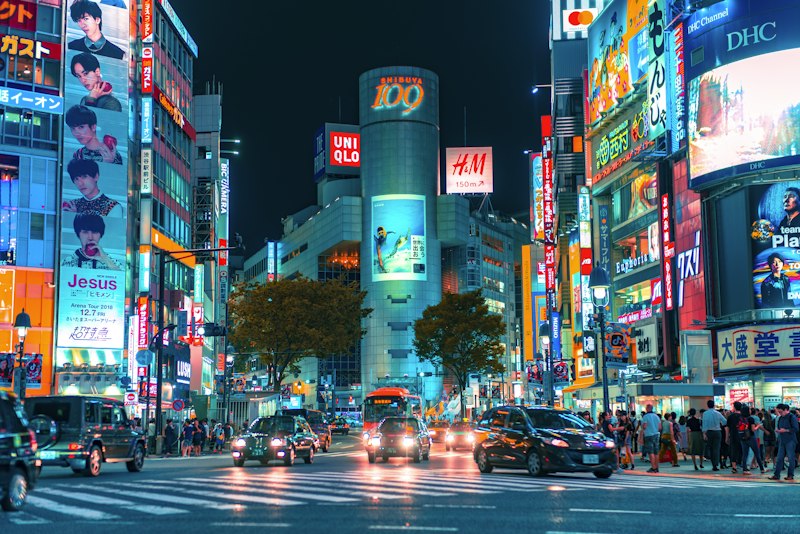
No guide would be complete without mentioning Akihabara, the electric heart of otaku culture. While we advocate the suburban strategy for finding value, you simply must experience Akihabara. The sheer density of card shops is a sight to behold.
The key is to go in with a plan. It's easy to get overwhelmed by the flashing lights and towering buildings packed with stores. Be prepared for higher prices on chase cards and larger crowds, but also an unparalleled selection of high-end, graded, and rare promo cards.
For a floor-by-floor, store-by-store breakdown of this incredible district, we have prepared a dedicated, exhaustive guide. Consider it your essential companion for tackling Electric Town. ➡️ Read the full guide here: Akihabara Pokemon Card Shopping Guide 2026 | Best Stores TOP10
After a long day of card hunting in Akihabara, you'll be hungry. Check out some of our top food recommendations in the area with our Best Restaurants in Akihabara 2026 | Must-Try After Anime Shopping guide. And if you're planning to make Akihabara your home base, we've also scouted out the Best Hotels Near Akihabara 2026 | Value Location Convenience.
Hunting for Sealed Products: The Art of the Possible
So, you're still determined to bring home a sealed Japanese booster box. It's the ultimate souvenir. While challenging, it's not impossible. Here’s where to look.
- Big Box Electronic Stores (Yodobashi Camera, Bic Camera): These massive stores have huge toy departments. They receive large allocations of new products but also sell out fast. They almost always have a one-box-per-person limit. Check the stores in major hubs like Shinjuku and Ikebukuro, but also the ones in suburban cities like Hachioji.
- Pokémon Centers: The official source. They will have new products on release day, but expect long lines and a lottery system for anything popular. They are great for official merchandise like exclusive deck boxes and sleeves that you can't get anywhere else.
- Convenience Stores (7-Eleven, Family Mart, Lawson): Your secret weapon. On the morning of a new set release, combinis in residential (not touristy) areas will often get a small stock of 5-10 booster packs. They are placed behind the counter, so you have to ask the clerk:
「ポケモンの新しいパックありますか?」("Pokemon no atarashii pakku arimasu ka?" - Do you have the new Pokémon packs?). For more on combini culture, see our Convenience Store vs Restaurant | Real Price Comparison Japan 2026 guide. - GEO / TSUTAYA: These are primarily video game and media rental stores, but many larger locations have TCG sections and get allocations of new products.