ASOVENTURE · JAPAN LINENOW BOARDING · 9 LANGUAGES · TOKYO — OSAKA — SAPPORO — FUKUOKA
Events

Nagasaki Lantern Festival 2027: Ultimate English Guide

Nagasaki Lantern Festival 2027: Ultimate English Guide

Checked against official sources and updated regularly by a JAPHIC-certified operator. About us →

⚡ Quick facts

Plan your trip to the Nagasaki Lantern Festival 2027 with our complete guide. Discover event dates, the Emperor's Parade, Chinatown street food, and train access from Fukuoka.

  • 📂 Events
  • 🔄 Updated 2026-10-29
  • #Nagasaki
  • #Winter Festivals
  • #Kyushu
📅

Got your dates locked in?

Now that this event is on your calendar, here's the order to book everything else for your Japan trip.

See the full trip planning checklist →

🔥 Keep Reading

Theme Parks

Huis Ten Bosch Japan 2026 Guide: Tickets, Prices & Attractions

USJ & Theme Parks

USJ Express Pass Complete Guide 2026 | Which Passes Are Worth Buying

📶

Get Your Japan eSIM Before You Go!

Connect to internet immediately on arrival · No airport SIM card needed

Compare eSIM →
📑 Contents

[PR] This article contains affiliate links.

When international travelers plan a winter trip to Japan, their itineraries are often dominated by Hokkaido’s snow festivals or the glittering illuminations of Tokyo. However, tucked away on the western edge of Kyushu is a cultural phenomenon that rivals any winter event in the country: the Nagasaki Lantern Festival (長崎ランタンフェスティバル).

Far removed from the standard cherry blossom and autumn foliage trails, this massive Lunar New Year celebration transforms the historic port city of Nagasaki into a glowing dreamscape of over 15,000 vibrant, hand-crafted Chinese lanterns. For 2027, the event will take place over 17 magical days from February 5 to February 21, 2027.

This exhaustive, in-depth guide is designed specifically for inbound tourists looking to experience the Nagasaki Lantern Festival 2027. We will cover everything from the intricate history of Nagasaki’s Chinese merchant community and the spectacular Emperor’s Parade, to navigating the local food stalls in Shinchi Chinatown and mastering the train routes from Fukuoka. If you are looking for an authentic, large-scale cultural event with profound historical depth, read on.


1. The Historical Soul of the Nagasaki Lantern Festival

To truly appreciate the Nagasaki Lantern Festival, you must first understand why a Japanese city hosts one of the most spectacular Chinese New Year celebrations in the world. This is not merely a modern tourist attraction; it is a celebration deeply rooted in centuries of multicultural history.

The Era of Isolation (Sakoku) and the Chinese Merchants

During Japan’s Edo period (1603–1867), the Tokugawa shogunate enforced a strict isolationist policy known as Sakoku. Under this policy, almost all foreigners were barred from entering Japan, and Japanese citizens were forbidden from leaving. There was, however, one major exception: the port of Nagasaki.

Nagasaki was designated as the sole window to the outside world. While Dutch traders were confined to the famous fan-shaped artificial island of Dejima, Chinese merchants were allowed to reside in the city. Initially, the Chinese sailors and traders lived somewhat freely among the local Japanese populace, establishing temples and introducing their cuisine, architecture, and customs to Kyushu.

The Establishment of Tojin Yashiki

As the volume of trade (and smuggling) increased, the shogunate decided to restrict the movements of the Chinese merchants. In 1689, a dedicated walled settlement known as Tojin Yashiki (唐人屋敷) was constructed. At its peak, up to 10,000 Chinese residents lived in this vibrant, densely packed neighborhood. They brought with them the traditions of the Lunar New Year (Spring Festival), hanging lanterns, setting off firecrackers, and performing traditional dances to pray for safe voyages and prosperity.

From a Local Custom to a City-Wide Phenomenon

For centuries, the Spring Festival was celebrated privately by the residents of Nagasaki’s Shinchi Chinatown. It wasn't until 1994 that the local community and the city government collaborated to expand the neighborhood’s traditional Chinese New Year celebrations into a massive, city-wide event.

Rebranded as the Nagasaki Lantern Festival, the event exploded in popularity. Today, it draws over a million visitors annually, serving as a powerful homage to the Chinese merchants who helped shape Nagasaki’s unique, cosmopolitan identity. When you walk beneath the glowing red lanterns in 2027, you are participating in a tradition that has echoed through these streets for over 300 years.


2. Nagasaki Lantern Festival 2027: Event Essentials

Planning a trip around the lunar calendar requires precision, as the dates shift every year. The Nagasaki Lantern Festival traditionally begins in accordance with the Lunar New Year, following a specific pattern: it opens on the first Friday of February and runs for exactly 17 days.

Confirmed 2027 Dates and Times

  • Festival Dates: February 5 (Friday) to February 21 (Sunday), 2027.
  • Lighting Hours: The lanterns across the city are beautifully illuminated every evening from 17:00 to 22:00.
  • Daytime Illumination: In the primary hubs of Shinchi Chinatown and the Hamanmachi Arcade, the lanterns are scheduled to be turned on starting at 12:00 (noon), allowing for atmospheric daytime photography (note: daytime hours are marked as "scheduled" by organizers and should be double-checked closer to the event).

Admission Fees: Is it Free?

The Nagasaki Lantern Festival is a sprawling, city-wide public event. Viewing the lanterns in the streets, navigating Shinchi Chinatown, and entering the primary public parks (like Minato Park and Chuo Park) is completely free. You do not need a ticket to soak in the general atmosphere, watch the main stage performances from the standing areas, or walk along the illuminated riversides.

Important Caveats for International Tourists:

  1. Special Viewing Seats: While the parades are free to watch from the sidewalks, the city sometimes sets up special grandstand seating or reserved viewing areas for VIPs and lottery winners.
  2. Private Venues: Certain participating historical venues, most notably the Nagasaki Confucius Shrine (Koshibyo), maintain their standard daytime entry fees (typically around 660 yen for adults) even during the festival, though the spectacular lantern displays inside make the fee more than worth it.

3. The Grand Parades: 2027 Schedule & Details

If your travel itinerary allows for flexibility, you must time your visit to align with one of the festival's two major named processions. These parades are the crown jewels of the Nagasaki Lantern Festival, featuring hundreds of participants in elaborate, historically accurate costumes.

The Emperor's Parade (皇帝パレード)

2027 Dates: February 13 (Saturday) and February 20 (Saturday)

The Emperor's Parade is a breathtaking reenactment of a Qing Dynasty (1636–1912) imperial procession. Historically, during the Lunar New Year, the Chinese Emperor and Empress would leave the palace to celebrate with the common people and pray for a bountiful harvest.

In Nagasaki, this tradition is brought to life on a massive scale. The parade features an "Emperor" and "Empress" (often played by local celebrities, actors, or prominent public figures—in 2024, mega-star Masaharu Fukuyama famously took the role, drawing record-breaking crowds) riding in incredibly ornate, hand-carried palanquins.

  • The Scale: The royal couple is accompanied by a massive retinue of over 150 participants, including flag bearers, marching bands playing traditional Chinese instruments, guards armed with ceremonial spears, and dancers.
  • The Route: The parade typically forms at Chuo Park, winding its way slowly through the Hamanmachi Arcade, crossing through the city center, and culminating at the main stage in Minato Park.
  • Viewing Strategy: Because this is the most popular event of the festival, the route—especially inside the covered Hamanmachi Arcade—gets incredibly congested. To secure a good view, find a spot along the wider outdoor streets between Chuo Park and Minato Park at least an hour before the parade begins.

The Mazu Procession (媽祖行列)

2027 Dates: February 7 (Sunday) and February 14 (Sunday)

While the Emperor's Parade is characterized by royal grandeur, the Mazu Procession offers a deep dive into the spiritual and maritime history of the Chinese merchants. Mazu (known as Maso in Japanese) is the revered Chinese goddess of the sea, the protector of sailors and fishermen.

During the Edo period, whenever a Chinese trading ship arrived in Nagasaki after a perilous journey across the East China Sea, the crew’s first act upon docking was to carefully unload the statue of Mazu from their ship's altar. They would then carry her in a vibrant, noisy procession through the streets of Nagasaki to Tojin Yashiki, where she would be enshrined in a temple for the duration of the ship's stay. When the ship was ready to depart, a return procession would carry her back to the vessel.

  • The Performance: The modern Mazu Procession faithfully recreates this historical ritual. You will see a group of sailors, priests, and guards in Qing Dynasty naval uniforms escorting the goddess.
  • The Highlights: The procession is famous for its theatrical elements, including acrobatic flag bearers, the burning of incense, the rhythmic beating of gongs and drums, and specialized dances meant to ward off evil spirits along the route.
  • The Route: The Mazu Procession generally starts at the Confucius Shrine (Koshibyo), travels up into the historic Tojin Yashiki area, and then moves toward the main festival venues.

4. The 7 Must-Visit Lantern Venues in Nagasaki
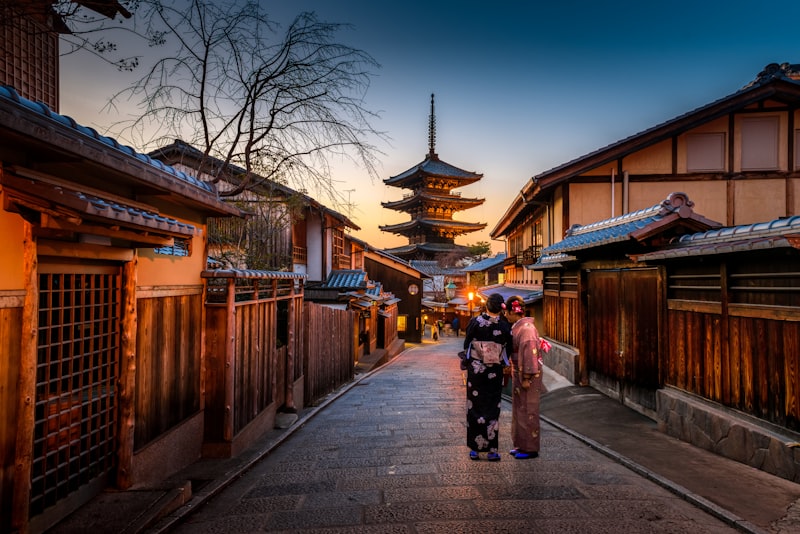
The festival is not confined to a single street; it blankets the central districts of the city. To experience the full scope of the event, you should aim to visit the following seven primary venues.

1. Shinchi Chinatown (新地中華街) - The Luminous Heart

Nagasaki’s Shinchi Chinatown is one of Japan's three great Chinatowns (alongside Yokohama and Kobe). During the festival, the main intersecting streets of this district are blanketed by a "sky" of thousands of glowing red paper lanterns. The density of the lanterns here is staggering, casting a warm, crimson glow over the entire neighborhood.

  • Vibe: Extremely festive, crowded, aromatic with street food, and visually overwhelming in the best way possible.
  • Access: A 1-minute walk from the "Shinchi Chinatown" (新地中華街) tram stop on Line 1.

2. Minato Park (湊公園) - The Main Stage

Located just a two-minute walk south of Shinchi Chinatown, Minato Park serves as the primary festival hub. This is where you will find the largest and most elaborate lantern sculptures. Massive, multi-story lanterns depicting legendary figures, dragons, soaring phoenixes, and the zodiac animal of the year (2027 is the Year of the Sheep/Goat) are erected across the park.

  • Features: The park features a large outdoor stage that hosts daily performances, including Chinese acrobatics, Erhu (two-stringed fiddle) concerts, and the iconic Ja-Odori (Dragon Dance).
  • Access: A 3-minute walk from the Shinchi Chinatown tram stop.

3. Meganebashi (眼鏡橋 - Spectacles Bridge) - The Yellow Lanterns

Built in 1634 by a Chinese monk, Meganebashi is Japan’s oldest stone arch bridge. Its name comes from the reflection its arches cast on the Nakashima River, which looks like a pair of spectacles. Unlike the red lanterns of Chinatown, the riverbanks around Meganebashi are adorned entirely with bright yellow lanterns.

  • Photography Tip: Visit during the "blue hour" (just after sunset) when the sky is deep blue and the yellow lanterns reflect perfectly on the calm water of the river. The contrast is spectacular. Look out for the famous zodiac animal lanterns floating on pontoons in the river itself.
  • Access: A 2-minute walk from the "Meganebashi" (眼鏡橋) tram stop.

4. Chuo Park (中央公園) - The Secondary Hub

If Minato Park is too crowded, head to Chuo Park. Located closer to the Nakashima River, this park acts as the festival’s secondary main venue. It has its own large stage with a full schedule of performances, an impressive array of towering animal and deity lanterns, and an excellent perimeter of street food stalls.

  • Access: A 3-minute walk from the "Meganebashi" tram stop or a 5-minute walk from the Hamanmachi Arcade.

5. Hamanmachi Arcade (浜町アーケード) - Shopping Under the Lights

This is Nagasaki’s premier covered shopping street. During the festival, the high glass ceilings of the arcade are strung with endless rows of red lanterns and massive, hanging illuminated sculptures of dragons and mythical beasts.

  • Benefit: Because it is entirely roofed, Hamanmachi is the perfect place to enjoy the festival atmosphere if it happens to rain or if the winter winds become too biting. It’s also an excellent spot to browse local drugstores and souvenir shops. (For travelers looking to maximize their shopping budget, check out our guide on the 7 Best Free Klook Shopping Coupons for Japan in 2026).
  • Access: Direct access from the "Hamanomachi Arcade" (浜町アーケード) tram stop.

6. Tojin Yashiki (唐人屋敷跡 - Former Chinese Settlement) - The Historic Ruins

For a more atmospheric, slightly quieter experience, walk up the hill from Chinatown to the Tojin Yashiki area. This is the historic site of the walled Chinese settlement from the Edo period. The winding, narrow cobblestone alleys are lit by traditional red lanterns, leading you to four beautifully preserved historic Chinese halls (Do-mura, Tenko-do, Kannon-do, and Fukken Kaikan).

  • Vibe: Mysterious, historic, and highly photogenic without the massive crowds of Minato Park.
  • Access: About a 5 to 7-minute uphill walk from Shinchi Chinatown.

7. Nagasaki Confucius Shrine (長崎孔子廟 - Koshibyo)

Built in 1893 by the Chinese government and local residents, this is the only Confucian shrine built by Chinese hands outside of China. During the Lantern Festival, the courtyard—flanked by 72 life-sized stone statues of Confucius's disciples—is decorated with incredibly ornate, colorful lanterns.

  • Admission: Typically requires an entry fee (around 660 JPY).
  • Highlight: This venue is famous for hosting performances of Bian Lian (Sichuan mask-changing), a traditional dramatic art where performers change brightly colored masks in a fraction of a second with a swipe of a fan.
  • Access: A 5-minute walk from the "Ouratenshudo" (大浦天主堂) tram stop.

5. Stage Performances: Music, Acrobatics, and Dragons

Wandering the illuminated streets is only half the experience. The festival stages at Minato Park and Chuo Park offer a rotating, daily schedule of mesmerizing traditional performances. Check the official event schedules (usually posted at the tourist information center at Nagasaki Station) for daily times, but keep an eye out for these highlights:

The Nagasaki Ja-Odori (Dragon Dance)

Originally performed in the Tojin Yashiki settlement to pray for rain, the Ja-Odori has evolved into a uniquely Nagasaki-style dragon dance. The dragon, measuring up to 20 meters long, is manipulated by a team of highly coordinated dancers dressed in traditional garb. They chase a golden orb (representing the moon/wisdom) to the deafening, rhythmic sounds of Chinese gongs, cymbals, and long trumpets. The speed and agility of the performers as the dragon coils and lunges into the crowd is breathtaking.

Chinese Acrobatics (中国雑技)

Professional acrobatic troupes are invited to perform jaw-dropping feats of balance, strength, and flexibility. Acts often include chair balancing (stacking chairs precariously high while performing handstands on top), plate spinning, and hoop diving.

Erhu Performances (二胡演奏)

For a more serene moment, catch an Erhu concert. The Erhu is a traditional Chinese two-stringed bowed musical instrument. Its hauntingly beautiful, melancholic sound carries across the cold winter air, providing a perfect soundtrack as you gaze at the glowing lanterns.

Sichuan Mask-Changing (変面 - Bian Lian)

As mentioned above, this is a heavily guarded secret of Sichuan opera. The performer wears multiple thin layers of silk masks. With sharp, dramatic movements of the head or a sweep of a cape, the mask changes instantaneously to reveal a new face and emotion. It is a stunning display of sleight of hand.

Klook.com

6. The Ultimate Chinatown Food Guide: What to Eat & Where

A massive part of the Nagasaki Lantern Festival experience is the food. Nagasaki’s local cuisine is deeply influenced by its historic Chinese population, resulting in "Wakaran" (Japanese-Chinese-Dutch) culinary traditions you won't find in Tokyo or Kyoto.

When navigating the food stalls and restaurants in Shinchi Chinatown, keep in mind that many street vendors prefer cash. (Unsure about your yen strategy? Read our guide: Cash vs Card in Japan 2026: How Much Cash Do You Need?).

Here are the specific local specialties and renowned shops to target during the festival:

1. Nagasaki Champon (長崎ちゃんぽん)

Champon is the undisputed king of Nagasaki cuisine. Created in the Meiji era by a Chinese restaurant owner to provide cheap, filling, and nutritious food to Chinese international students, it consists of thick, chewy noodles cooked directly in a rich, creamy broth made from pork and chicken bones, topped with a mountain of stir-fried cabbage, bean sprouts, pork, squid, and shrimp.

  • Where to Eat: Kozanro (江山楼) Shinchi Honten. Located right near the East Gate of Shinchi Chinatown, this is one of the most famous Champon restaurants in the city.
  • Price: Expect to pay around 1,200 to 1,600 JPY for a bowl.
  • Tip: During the festival, the line for Kozanro starts forming before they open at 11:30. Arrive early. (Note for travelers with dietary restrictions: Champon relies heavily on pork broth and shellfish. See our Allergy Travel Japan | Nut Egg Dairy Free Dining with Translation Cards guide if you have specific seafood or meat concerns).

2. Sara Udon (皿うどん)

The sister dish to Champon. Sara Udon features the same rich, savory topping of stir-fried vegetables, pork, and seafood, but instead of being served in a soup with thick noodles, the thick, gravy-like sauce is poured over a plate (sara) of crispy, deep-fried thin vermicelli noodles. The contrast between the crunch of the noodles and the hot, savory gravy is incredible.

  • Where to Eat: Available at Kozanro or almost any sit-down restaurant in Chinatown. Add a dash of local sweet vinegar (su) halfway through the meal to change the flavor profile!

3. Kakuni Manju (角煮まんじゅう)

This is the ultimate festival street food. Kakuni Manju is a thick, meltingly tender slice of braised pork belly (slow-cooked in soy sauce, sugar, and sake until it falls apart) sandwiched inside a steaming, fluffy white bun. It is perfect for keeping your hands warm while walking through the cold night air.

  • Where to Eat: Iwasaki Honpo (岩崎本舗). They have a prominent shop right inside Shinchi Chinatown. You can’t miss it; just follow the steam and the long line.
  • Price: Approximately 500 to 600 JPY per bun.
  • Hours: Usually open from 9:30 to 21:00 during the festival.

4. Hatoshi (ハトシ)

A fascinating Sino-Japanese fusion snack. Hatoshi is essentially shrimp toast. Minced shrimp paste is spread onto bread, which is then rolled up or folded and deep-fried until golden brown and crispy. It’s savory, oily, and highly addictive.

  • Where to Eat: Look for temporary food stalls near Minato Park or the permanent Nagasaki Bus Terminal Hotel bakery nearby, which often sells excellent street-side Hatoshi during the event.
  • Price: Around 350 to 450 JPY per piece.

5. Goma Dango (ごま団子 - Sesame Balls)

For something sweet, pick up freshly fried Goma Dango. These are balls of glutinous rice flour filled with sweet red bean paste (anko), rolled in white sesame seeds, and deep-fried. They are incredibly hot when served, boasting a crispy exterior and a chewy, sweet interior.

  • Where to Eat: Dozens of storefronts in Chinatown set up small fryers right on the street during the festival.
  • Price: Typically 150 to 200 JPY per ball.

A Note on Dining Hydration

If you're buying street food and want to save money on drinks, you might wonder about local water safety. Nagasaki's municipal water is perfectly safe and delicious. For a wider look at water safety across the country, check out Can You Drink Tap Water in Japan? | City by City Guide 2026.


7. Access Guide: Getting to Nagasaki from Fukuoka

For the vast majority of international tourists, the city of Fukuoka (specifically Hakata Station or Fukuoka Airport) serves as the primary gateway to Kyushu. Reaching the Nagasaki Lantern Festival from Fukuoka is straightforward, but the opening of the Nishi-Kyushu Shinkansen in 2022 changed the route.

Here is the exact access information you need for 2027.

Option 1: By Train (The Fastest & Most Comfortable Route)

Thanks to the Nishi-Kyushu Shinkansen, the travel time between Hakata (Fukuoka) and Nagasaki has been significantly reduced, taking approximately 85 to 107 minutes depending on the specific train connection.

  1. Step One: Board the Relay Kamome Limited Express train at Hakata Station.
  2. Step Two: Ride the Relay Kamome to Takeo-Onsen Station (about 1 hour).
  3. Step Three: At Takeo-Onsen, perform a "same-platform transfer." You simply step off the Relay Kamome, walk 5 meters across the platform, and board the sleek, modern Nishi-Kyushu Shinkansen (Kamome).
  4. Step Four: Ride the Shinkansen to Nagasaki Station (about 25-30 minutes).
  • Cost: Approximately 6,000 JPY for an unreserved seat (one way).
  • Rail Passes: This entire route is fully covered by the nationwide Japan Rail Pass (JR Pass) as well as the regional Kyushu Rail Pass (All Kyushu or Northern Kyushu versions).

Option 2: By Highway Bus (The Direct & Economical Route)

If you do not have a rail pass, the highway bus is an excellent, cost-effective alternative that requires zero transfers.

  • The Route: The Kyushugo (九州号) highway bus runs directly from Hakata Bus Terminal (adjacent to Hakata Station) or Tenjin Expressway Bus Terminal in central Fukuoka, straight to the Nagasaki Station Bus Terminal.
  • Travel Time: Approximately 2 hours and 15 minutes to 2.5 hours, depending on traffic.
  • Cost: Roughly 3,000 JPY (one way), making it half the price of the train.
  • Reservation: Highly recommended to book in advance via the highwaybus.com portal, especially on weekends during the Lantern Festival, as buses sell out quickly.

Once you arrive at Nagasaki Station, the festival venues are incredibly easy to reach using the city's charming vintage tram network (Nagasaki Electric Tramway).

  • To Shinchi Chinatown / Minato Park: Take Tram Line 1 (Blue line, heading towards Sofukuji) from Nagasaki Station. Ride for about 8 minutes and disembark at the "Shinchi Chinatown" (新地中華街) stop. The main gates of Chinatown are a 1-minute walk away.
  • Fares: The tram operates on a flat fare of 140 JPY per ride for adults (70 JPY for children). You pay when you exit the tram at the front door.
  • IC Cards: The trams fully accept major national IC cards like Suica, Pasmo, and ICOCA. Just tap when you board (back door) and tap when you exit (front door). (Need help choosing a card? Read: What is the Best IC Card for Tourists in Japan 2026? | Suica vs Pasmo vs ICOCA).

8. Suggested 2027 Itineraries

To fully appreciate the Nagasaki Lantern Festival, a minimum of one overnight stay is strongly recommended. While a day trip from Fukuoka is physically possible (the last train leaves Nagasaki around 22:15), rushing through the crowded illuminated streets to catch a train severely detracts from the magic of the evening.

The Ultimate 2-Day Overnight Itinerary

Day 1: Arrival & The Heart of the Festival

  • 12:00 PM: Arrive at Nagasaki Station via Shinkansen. Check into your hotel (drop bags).
  • 1:00 PM: Take Tram Line 1 to Shinchi Chinatown. Enjoy a late lunch of Nagasaki Champon at Kozanro.
  • 2:30 PM: Walk up the hill to explore the historic Tojin Yashiki area during the quiet daylight hours.
  • 4:30 PM: Walk down to Meganebashi (Spectacles Bridge). Find a good spot along the riverbank.
  • 5:00 PM: Illumination Begins! Watch the yellow lanterns turn on against the twilight sky. Take your reflection photos.
  • 6:00 PM: Walk over to Chuo Park to grab some street food and watch a stage performance.
  • 7:30 PM: Plunge into the glowing red madness of Shinchi Chinatown at night. Buy a Kakuni Manju to keep your hands warm.
  • 8:30 PM: End the evening at Minato Park to see the giant Zodiac lanterns and catch the acrobatic shows or the Dragon Dance.

Day 2: Parades & Heritage

  • 9:00 AM: Head south to the Oura district. Visit Glover Garden and Oura Catholic Church (not lantern-related, but essential Nagasaki history).
  • 11:00 AM: Visit the Nagasaki Confucius Shrine (Koshibyo). Pay the entry fee to see the spectacular lanterns set against the traditional yellow-roofed architecture.
  • 1:00 PM: Head towards the Hamanmachi Arcade to secure a viewing spot for the Emperor’s Parade or Mazu Procession (depending on the date of your visit).
  • 2:00 PM - 4:00 PM: Watch the spectacular historical parade.
  • 5:00 PM: Purchase souvenirs in the arcade, retrieve luggage, and catch the evening Shinkansen back to Fukuoka.

9. Practical Tips for International Tourists

Attending a massive, crowded festival in the middle of winter requires a bit of practical preparation. Here are the insider tips you need for a smooth experience.

Weather and Clothing

Do not underestimate the cold. In February, Nagasaki’s temperatures typically range from a high of 10°C (50°F) to a low of 4°C (39°F). Because Nagasaki is a port city built around a bay, the wind coming off the water at night can be piercing.

  • What to pack: A windproof winter coat, thermal innerwear (like Uniqlo Heattech), gloves, and a good scarf are mandatory. You will be standing outside for hours viewing parades and stage shows.

Accommodations: Book Extremely Early

The Nagasaki Lantern Festival draws over 1 million visitors to a relatively compact city. Hotels in central Nagasaki (especially near Nagasaki Station, Shinchi Chinatown, and Oura) book out months in advance.

  • Booking Timeline: For the February 2027 festival, you should begin securing your hotel reservations by August or September 2026. If central Nagasaki is completely sold out, look for hotels near Isahaya Station (a 15-minute Shinkansen ride away) or consider staying in Fukuoka and biting the bullet on a late-night return trip.

Managing the Crowds & Etiquette

  • Avoid Tripods: While the lantern photography is spectacular, setting up a tripod in Shinchi Chinatown, Minato Park, or on the narrow paths near Meganebashi during peak evening hours is highly frowned upon (and often explicitly banned by security guards) due to the severe congestion. Shoot handheld with a fast lens.
  • Walk on the Left: When navigating the incredibly crowded streets of Chinatown, follow the flow of traffic. Do not stop abruptly in the middle of a narrow street to take a selfie; step to the edge of the stalls.
  • Public Restrooms: With large crowds, public restrooms at Minato Park and Chuo Park will have long lines, particularly the women's restrooms. Use the facilities at Nagasaki Station, inside the Hamanmachi Arcade department stores, or at your hotel before diving into the festival core.

10. Frequently Asked Questions (FAQ)

Is the Nagasaki Lantern Festival held every day during the 17-day period? Yes. The lanterns are illuminated every single night from February 5 to February 21, 2027. Stage events at Minato Park and Chuo Park also occur daily, though the major parades (Emperor and Mazu) are restricted to the specific weekend dates noted above.

Can I rent traditional clothing to wear during the festival? Yes! Several local kimono and costume rental shops in Nagasaki offer traditional Chinese dresses (qipao/cheongsam) or Japanese hakama/kimono rentals during the festival. Walking through Tojin Yashiki or the Confucius Shrine in period clothing makes for incredible photographs. Ask your hotel concierge to help you book a rental shop in advance.

Is it worth visiting Nagasaki if I miss the Emperor's Parade? Absolutely. While the parades are spectacular highlights, the core magic of the festival lies in the sheer scale of the illumination and the atmosphere of the city. Walking through Shinchi Chinatown under 15,000 glowing red lanterns on a random Tuesday night is still one of the most unforgettable visual experiences you can have in Japan.

Are there English signs and information available? Yes. Nagasaki has a long history of welcoming foreigners, and the central tourist information desk at Nagasaki Station is exceptionally well-equipped with English maps, festival schedules, and English-speaking staff. Many of the major food stalls in Chinatown also have pictorial menus or basic English translations, though a quick translation app on your phone will easily bridge any gaps.


The Nagasaki Lantern Festival 2027 is a powerful reminder of Japan’s layered, diverse history. It is a time when the normally quiet winter streets of this historic port city are set ablaze with light, music, and the incredible aromas of Wakaran cuisine. By utilizing this guide to navigate the venues, sample the food, and perfectly time your trip from Fukuoka, you are guaranteed an unforgettable journey into the luminous heart of Kyushu.

FAQ

Q: Is the Nagasaki Lantern Festival held every day during the 17-day period?

Yes. The lanterns are illuminated every single night from February 5 to February 21, 2027. Stage events at Minato Park and Chuo Park also occur daily, though the major parades are restricted to specific weekend dates.

Q: Can I rent traditional clothing to wear during the festival?

Yes! Several local kimono and costume rental shops in Nagasaki offer traditional Chinese dresses or Japanese kimono rentals during the festival. Ask your hotel concierge to help you book in advance.

Q: Is it worth visiting Nagasaki if I miss the Emperor's Parade?

Absolutely. While the parades are spectacular, the core magic of the festival lies in the incredible illumination of over 15,000 lanterns and the bustling atmosphere of Shinchi Chinatown at night.

Q: Are there English signs and information available?

Yes. The central tourist information desk at Nagasaki Station is well-equipped with English maps and schedules, and many food stalls have pictorial menus or basic English translations.

Q: Is the Nagasaki Lantern Festival free to attend?

Yes, viewing the lanterns in the streets, navigating Shinchi Chinatown, and entering the primary public parks is completely free. Only certain private historical venues, like the Confucius Shrine, maintain standard entry fees.

Q: How do I get to the Nagasaki Lantern Festival from Fukuoka?

The fastest route is taking the Relay Kamome train from Hakata Station, then transferring to the Nishi-Kyushu Shinkansen at Takeo-Onsen. The total trip to Nagasaki Station takes about 85 to 107 minutes.

Klook.com
Klook.com

📚 Recommended Guides

Theme Parks

Huis Ten Bosch Japan 2026 Guide: Tickets, Prices & Attractions

USJ & Theme Parks

USJ Express Pass Complete Guide 2026 | Which Passes Are Worth Buying

Otaku & Pop Culture

Best Anime Pilgrimage Locations in Western Japan 2026

Destinations

Mount Aso & Takachiho Gorge: Ultimate Kyushu Travel Guide 2026

Disclosure: This article contains affiliate links. We may earn a commission at no extra cost to you.