[PR] This article contains affiliate links.
The reality of traveling in Japan is that your itinerary rarely lines up perfectly with the clock. You might find yourself standing outside a subway station at 1:45 PM with a hotel check-in strictly enforced at 3:00 PM. Perhaps you finished a morning temple tour early and have an awkward 45-minute wait before your highly anticipated lunch reservation. Or maybe you are simply waiting for a friend whose Shinkansen was delayed.
If you happen to be standing near Karasuma-Oike Station (烏丸御池駅) in Nakagyo-ku, central Kyoto, you are in luck.
Karasuma-Oike is the only station in the city where Kyoto’s two main subway lines—the north-south Karasuma Line and the east-west Tozai Line—intersect. It is the beating heart of Kyoto’s modern transit grid. But rather than standing idly on the sidewalk or scrolling on your phone in a convenience store, this immediate neighborhood offers a treasure trove of fascinating, highly accessible micro-destinations.
Welcome to our Quick Detours & Time-Fillers series—guides explicitly designed not for a full day of sightseeing, but for those awkward gaps in your schedule. We have scoured the streets around Karasuma-Oike Station to bring you genuinely quick, verifiable things to do within a few minutes’ walk. Whether you have just 15 minutes to spare or a full two hours to kill, here is your definitive 2026 guide to making the most of your waiting time in central Kyoto.
15 Minutes to Kill: The Ultimate Quick Sprints
When you only have 15 to 20 minutes, you cannot afford to wander aimlessly or pay for an expensive entry ticket you won't get to fully enjoy. You need something immediately accessible, visually rewarding, and ideally, free. Here are the two best options right outside the station.
1. Rokkaku-dō (Chōhō-ji Temple): The Navel of Kyoto
Best for: History lovers, architecture fans, and a moment of zen.
If you have a mere 15 minutes and want to experience something profoundly historic, Rokkaku-dō (officially named Shiunzan Chōhō-ji) is the absolute fastest and shortest option available. Hidden in plain sight among modern office buildings, this temple is a stunning architectural and cultural marvel.
The Logistics:
- Walking Time: About 3 to 4 minutes from Karasuma-Oike Station (take Exit 5 and head south).
- Admission: The temple grounds are completely free to enter.
- Address: 京都市中京区六角通東洞院西入ル堂之前町248 (248 Donomaecho, Nakagyo Ward, Kyoto). Search "Rokkaku-do" or "六角堂" in Google Maps for turn-by-turn directions from wherever you're standing.
What Makes It Special: Rokkaku-dō translates to "Hexagonal Hall," a name you will immediately understand upon seeing its unique six-sided main building. But its shape is only part of its allure. Traditionally said to have been founded in 587 CE (attributed to the legendary Prince Shōtoku), Rokkaku-dō is remarkably older than the city of Kyoto itself, which was established as the capital (Heian-kyo) in 794 CE.
While wandering the free grounds, you must look for the "heso-ishi" (へそ石), or the "navel stone." According to deep-rooted local legend—and we must stress this is a legendary tale, not a verified historical record—when Emperor Kanmu was laying out the massive grid street plan for the new capital in 794, this very stone stood directly in the way of a planned major road. The emperor prayed, and miraculously, the temple hall moved itself slightly north, leaving the foundation stone behind in the street. Because of this, the stone was nicknamed the "navel of Kyoto," marking the symbolic center of the old capital. For centuries, the stone sat out in the street obstructing traffic until the Meiji era (around 1877), when it was finally moved securely inside the temple gates where you can view it today.
Furthermore, Rokkaku-dō is deeply revered as the official birthplace of the Ikenobo school of ikebana (Japanese flower arrangement). The early priests of this temple resided by a pond (ike-no-bo) and began a tradition of crafting elaborate floral offerings to the Buddhist deities, which eventually evolved into the formal art of ikebana.
In just 15 minutes, you can walk through the gate, admire the hexagonal architecture, spot the famous navel stone, perhaps see the resident swans and pigeons, and soak in a site that predates the city itself—all before heading back to the subway.
2. Ace Hotel Kyoto / Shinpūkan (新風館): Free Contemporary Art
Best for: Art enthusiasts, design lovers, and escaping the weather.
If temples aren't your style or you prefer to stay indoors (perhaps to escape the intense Kyoto summer heat or a sudden rain shower), the lobby of the Ace Hotel Kyoto inside the Shinpūkan building is a magnificent, highly productive way to kill 15 to 20 minutes.
The Logistics:
- Walking Time: Directly connected to, or within about a 5-minute walk of, Karasuma-Oike Station’s south exit.
- Admission: The ground-floor lobby gallery is free and open to the public (you do not need to be a hotel guest).
- Address: There is a well-known discrepancy in how the address is listed. The hotel commonly lists it as 京都市中京区烏丸通姉小路下ル場之町586-2, while other official registries list it as 車屋町245番2 新風館内. (This is a quirk of Kyoto's historic intersection-based address system). Search "Ace Hotel Kyoto" or "新風館" in Google Maps — it's attached to Karasuma-Oike Station, so it comes up instantly.
What Makes It Special: The Ace Hotel occupies floors 2 through 7 of Shinpūkan, a gorgeous 1926 heritage building that originally served as the Kyoto Central Telephone Office. Recently renovated under the guidance of world-renowned architect Kengo Kuma, the building seamlessly blends Taisho-era red brick with modern wood-lattice design.
For the time-pressed tourist, the main draw is the hotel's ground-floor lobby gallery space. The hotel is currently running an ongoing "Artist in Residence 2026-2027" exhibition series in direct partnership with BRUTUS magazine. Because this is a rotating gallery, there is typically something new on view—meaning this spot holds recurring value no matter when you visit.
Past installments have featured deeply compelling works, such as a photo display by Kohey Kanno during Pride Month 2026, and the highly popular exhibition "KYOTO" by the minimalist illustrator Noritake (which ran from August 1 to October 31, 2026, and is now closed). Because the art rotates frequently, we highly recommend checking the Ace Hotel Kyoto’s official website or Instagram account to see what is currently showing during your visit.
You can easily spend 15 minutes walking through the beautiful central courtyard of Shinpūkan, admiring the heritage architecture, and browsing the free art gallery in the lobby.
45 Minutes to 1 Hour: The Medium Dwell
If you find yourself with slightly more time—say, your travel companion is stuck on a delayed train, or you have exactly one hour before a timed-entry reservation nearby—you can afford to walk a tiny bit further and dive into a dedicated cultural space.
3. Kyoto International Manga Museum
Best for: Pop culture fans, architecture buffs, and families.
Just a stone's throw from the station lies one of Japan's most unique museums. If you have 45 to 60 minutes, you have just enough time to walk over, purchase a ticket, and do a fast, targeted sweep of the main floors.
The Logistics:
- Walking Time: About 2 minutes' walk from Karasuma-Oike Station (Exit 2 is generally the closest).
- Hours: Commonly cited hours are 10:00–17:00 (with last entry at 16:30), though some recent seasonal adjustments have pushed this to 10:30–17:30. The museum is closed on Wednesdays (or the following day if Wednesday is a national public holiday). Because hours can fluctuate, always check their official site on the day of your visit.
- Address: 京都市中京区烏丸通御池上ル (Karasuma-dori Oike-agaru, Nakagyo-ku, Kyoto).
What Makes It Special: Housed in the former Tatsuike Primary School—a beautifully preserved building built in the late 1920s—the Kyoto International Manga Museum is an astonishing archive of Japanese sequential art. Even from the outside, the sight of visitors lounging on the artificial turf reading manga in the sun is a charming Kyoto staple.
Because your time is limited to about an hour, you won't be able to sit down and read a 20-volume series from their massive "Wall of Manga." Instead, you can use your 45-to-60 minutes to admire the historic schoolhouse architecture, walk the main exhibition halls to see the chronological history of manga, and browse the fantastic gift shop for exclusive merchandise.
Note: Because this museum is so expansive, we have built an entirely separate, exhaustive guide to its contents. If you want to know exact ticket prices, what exhibitions are inside, and how to navigate the collection, please read our dedicated Kyoto International Manga Museum Guide 2026.
1 to 2 Hours: The Mini-Excursion
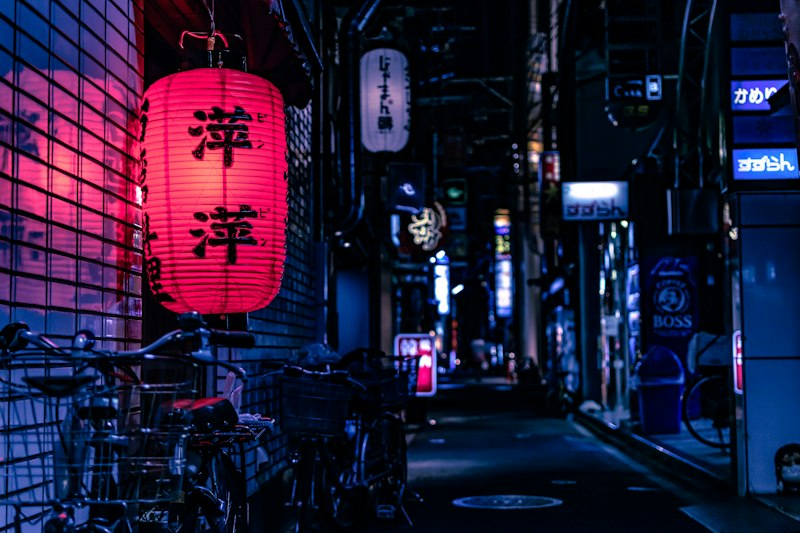
When your itinerary gap stretches past the one-hour mark, you have the luxury of taking a micro-transit journey. With 1.5 to 2 hours, you can easily hop on the subway, immerse yourself in a dense sensory experience, and make it back with time to spare.
4. Nishiki Market (錦市場) & The Shopping Arcades
Best for: Foodies, souvenir hunters, and rainy days.
Known affectionately as "Kyoto's Kitchen," Nishiki Market is a narrow, five-block-long shopping street lined with more than a hundred shops and stalls. While it is located relatively close to Karasuma-Oike geographically, navigating the city streets on foot can take time. With 1 to 2 hours, you can utilize the subway to get there efficiently, browse, eat, and return.
The Logistics:
- Getting There: While you could walk from Karasuma-Oike, it is not an easily confirmed single timeframe due to stoplights and foot traffic. The fastest, simplest, and most verified route is to take the Karasuma Subway Line one stop south from Karasuma-Oike Station to Shijo Station (四条駅). From Shijo Station (which shares a junction with Hankyu Karasuma Station), it is approximately a 3-minute walk to the entrance of the market.
- Admission: Free to walk through. (You only pay for what you eat or buy).
- Hours: Individual shop and stall hours vary wildly. There is no single fixed closing time for the entire market, but be aware that many stalls begin to close up in the early-to-mid evening (around 5:00 PM to 6:00 PM). It is best visited in the late morning or early afternoon.
- Payment: While many stalls now take cards, having cash on hand is highly recommended. (For a deep dive into payment methods in Japan, see our guide: Cash vs Card in Japan 2026: How Much Cash Do You Need?).
What Makes It Special: Nishiki Market is a dense, aromatic corridor of Kyoto's culinary heritage. Here you will find everything from fresh seafood, pickled vegetables (tsukemono), and Kyoto heirloom vegetables, to modern tourist-friendly street food like tamagoyaki (rolled omelets) on a stick, matcha sweets, and grilled seafood skewers.
Because you have up to two hours, you can take your time strolling down the market. Important tourist etiquette note: Eating while walking is strongly discouraged in Nishiki Market. Please stand by the stall where you purchased your food to eat it before moving on.
The Rainy Day Extension: If you reach the eastern end of Nishiki Market, you will naturally hit the Teramachi and Shinkyogoku covered shopping arcades. These two parallel shopping streets run north-south and intersect Nishiki Market. If you are trying to kill time during a heavy downpour or a blistering summer afternoon, this massive interconnected network of covered arcades is the perfect sanctuary. You can easily burn an extra 45 minutes wandering these adjacent streets, which feature a chaotic, wonderful mix of clothing boutiques, ancient standalone temples tucked between stores, claw machine arcades, and traditional craft shops.
(Transit Tip: If you plan on hopping the subway down to Shijo and back, make sure you are using a tap-on transit card for maximum efficiency. Unsure which to get? Read: What is the Best IC Card for Tourists in Japan 2026? | Suica vs Pasmo vs ICOCA).