ASOVENTURE · JAPAN LINENOW BOARDING · 9 LANGUAGES · TOKYO — OSAKA — SAPPORO — FUKUOKA
Otaku & Pop Culture

Ultimate Kanto Anime Pilgrimage Guide 2026: Real-Life Tokyo Locations

Ultimate Kanto Anime Pilgrimage Guide 2026: Real-Life Tokyo Locations

Checked against official sources and updated regularly by a JAPHIC-certified operator. About us →

⚡ Quick facts

Embark on an epic anime pilgrimage (seichi junrei) across the Kanto region. Discover real-world locations in Tokyo, Saitama, Chiba, and beyond from hit anime like Your Name, Jujutsu Kaisen, and Steins;Gate.

  • 📂 Otaku & Pop Culture
  • 🔄 Updated 2026-10-27
  • #Anime Pilgrimage
  • #Seichi Junrei
  • #Tokyo

🔥 Keep Reading

USJ & Theme Parks

USJ Express Pass Complete Guide 2026 | Which Passes Are Worth Buying

Otaku & Pop Culture

A Free ONE PIECE Card Inside Shonen Jump?! The ¥300 Souvenir Tourists Can Grab at Any Konbini (July 2026)

📶

Get Your Japan eSIM Before You Go!

Connect to internet immediately on arrival · No airport SIM card needed

Compare eSIM →
📑 Contents

[PR] This article contains affiliate links.

The Kanto region is the undisputed epicenter of Japan’s anime industry. Home to most of the nation’s major animation studios, publishers, and creators, it is only natural that the streets, shrines, and train stations of Tokyo and its surrounding prefectures serve as the backdrop for countless iconic series. For inbound tourists, embarking on an anime pilgrimage—known in Japanese as seichi junrei (holy site pilgrimage)—across Kanto offers an unparalleled mix of pop-culture nostalgia and authentic local exploration.

Unlike rural pilgrimages that require renting a car or taking long-distance overnight buses, Kanto is a brilliantly connected hub. From the neon-drenched crossings of Shibuya to the quiet, doll-making suburbs of Saitama and the space-age research facilities of Ibaraki, every location on this list is accessible via the world’s most efficient public transit system.

Whether you are chasing the ghosts of classic 20th-century masterpieces or walking in the footsteps of the 2020s' biggest shonen hits, this exhaustive regional roundup covers 19 of the most notable real-world anime locations across Tokyo, Kanagawa, Chiba, Saitama, Ibaraki, and Tochigi.


What is Seichi Junrei? Understanding Anime Pilgrimage in Japan

The term seichi junrei originally referred to religious pilgrimages, but over the last two decades, it has been completely co-opted by Japanese pop culture. It describes the act of visiting the real-world locations that inspired the settings of anime, manga, and light novels.

Historically, this began as a grassroots, fan-driven hobby. Dedicated fans would pause VHS tapes or DVDs, meticulously match background art to real-world street corners, and share their findings on early internet forums. Today, seichi junrei is a massive, often government-backed sector of the inbound tourism economy. Cities actively court animation studios to feature their landmarks, and local municipalities frequently launch official "stamp rallies," custom manhole covers, and collaborative cafes to welcome international fans.

Pilgrimage Etiquette: The Golden Rules for Tourists

Before setting out on your Kanto adventure, it is crucial to understand that many of these locations are not theme parks. They are functional, everyday spaces—residential neighborhoods, active shrines, and busy commuter stations.

  1. Respect Residential Privacy: Never point cameras directly into private homes or yards, and keep noise to an absolute minimum in quiet neighborhoods.
  2. Obey Traffic Laws: Do not stand in the middle of roads or block pedestrian crossings to get the "perfect shot."
  3. Support the Local Economy: If a pilgrimage site is a restaurant, buy a meal. If it’s a shrine, purchase an ema (votive tablet) or offer a small coin donation.
  4. Official vs. Unofficial Sites: Some locations have official stamp rallies and character standees; others are just real streets where fans gather unofficially. Respect the lack of infrastructure at unofficial sites.

For a deeper dive into the broader culture and history of this phenomenon, check out Anime Pilgrimage in Japan: A Beginner's guide.


Essential Prep: Navigating Kanto’s Anime Sites

Because this itinerary spans multiple prefectures (Tokyo, Saitama, Chiba, Kanagawa, Tochigi, and Ibaraki), logistics are everything. You will be hopping between JR lines, private railways, and municipal subways.

The Ultimate Tool: The IC Card

You cannot efficiently do a Kanto anime pilgrimage using single-journey paper tickets. You need a prepaid transit card. If you are wondering how to navigate the current semiconductor shortages affecting transit cards, read our comprehensive breakdown: What is the Best IC Card for Tourists in Japan 2026? | Suica vs Pasmo vs ICOCA.

Payment Methods

While Tokyo's major anime shops take credit cards, many of the suburban shrines, local ramen shops, and bus lines you will use to reach rural pilgrimage sites remain strictly cash-only. Read Cash vs Card in Japan 2026: How Much Cash Do You Need? to prepare your wallet for suburban Kanto.

Rail Passes

While the nationwide JR Pass has seen steep price increases, the JR Tokyo Wide Pass (a 3-day regional pass) is highly recommended for knocking out the Ibaraki, Tochigi, and Gunma locations on this list, as it covers limited express trains into the deeper Kanto suburbs.


Category 1: The Heart of Tokyo (Shinjuku, Shibuya, Minato)

Tokyo’s bustling central wards are the default setting for urban fantasy, high-stakes dramas, and modern shonen epics. Because these areas are incredibly dense, you can easily visit multiple sites in a single afternoon.

Your Name (Kimi no Na wa) | Suga Shrine Stairs, Yotsuya

These iconic stairs served as the real-world model for the emotional final reunion scene in Makoto Shinkai’s Your Name, becoming one of the most consistently sought-out anime tourism spots in Tokyo. Because this is a quiet residential area, visitors are strongly urged to observe local etiquette and avoid excessive noise or crowding while taking photos. (Note: The film's other famous pilgrimage site is located in Hida-Furukawa, Gifu Prefecture, which we cover in our wider overview guides).

  • Access: A 10-minute walk from Yotsuya-Sanchome Station (Marunouchi Line) or a 15-minute walk from Yotsuya Station (JR Chuo/Sobu Lines).

Tokyo Revengers | Shibuya Scramble Crossing & Shinjuku Station

As one of the most popular 2020s shonen hits internationally, Tokyo Revengers draws heavily on the real-world grit of Shibuya and Shinjuku, though it is recognized primarily through commercial guided tours and journalism rather than a single dedicated municipal government campaign. Shibuya locations like Hachiko Square and the Scramble Crossing were officially highlighted in the "ANIME PLACE 2023" sacred-sites promotion, and several commercial anime-tour companies now run dedicated walking routes starting here.

  • Access: Immediately outside the Hachiko Exit of JR Shibuya Station.

Jujutsu Kaisen | Sendagaya Tunnel & Shibuya

While this remains a real-but-unofficial pilgrimage activity documented largely by Japanese fan-guide sites and food bloggers, the real Sendagaya Tunnel is specifically identified as the location used in the anime's first opening sequence. Furthermore, the massive "Shibuya Incident" arc has inspired fans to retrace the characters' exact battle routes through Shibuya Station and surrounding commercial buildings, making it a staple of modern DIY pop-culture walks.

  • Access (Sendagaya Tunnel): A 10-minute walk from Kokuritsu-Kyogijo Station (Toei Oedo Line) or Sendagaya Station (JR Chuo-Sobu Line).

March Comes in Like a Lion (3-gatsu no Lion) | Sendagaya & Tsukishima

This beloved shogi drama beautifully contrasts the quiet intensity of the shogi hall with the warm, nostalgic streets of Tokyo's traditional neighborhoods. An official manhole-cover route featuring six different characters across nine locations was installed near Sendagaya on February 26, 2020. Additionally, Tsukishima's real Monja Street and a specific long-running local restaurant are confirmed as explicit filming references for the Kawamoto family's neighborhood.

  • Access: Sendagaya manholes are scattered around JR Sendagaya Station; Tsukishima is accessible via the Toei Oedo and Tokyo Metro Yurakucho Lines.

Category 2: Otaku Capitals & Historic Hubs (Akihabara, Kanda, Ikebukuro, Ueno)
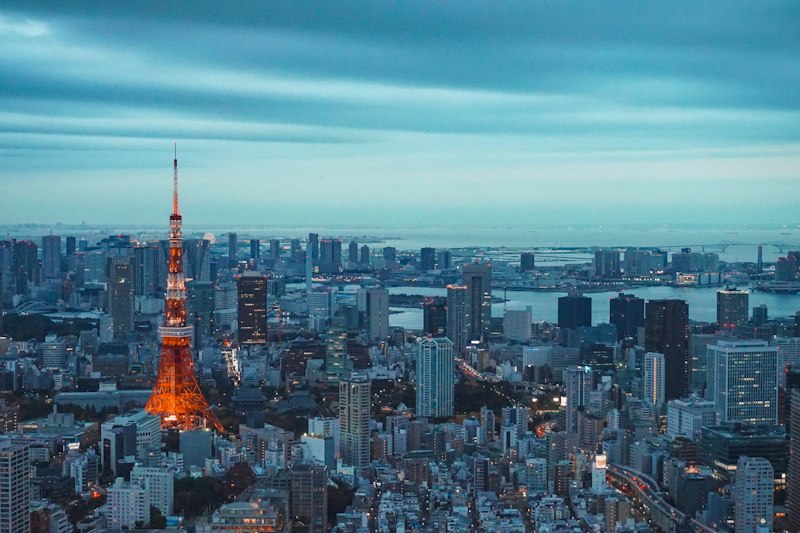
No anime tour of Tokyo is complete without visiting the historic subculture meccas. If you are basing your stay in this area, be sure to check our guide to the Best Hotels Near Akihabara 2026 | Value Location Convenience and grab dinner at the Best Restaurants in Akihabara 2026 | Must-Try After Anime Shopping.

Steins;Gate | Radio Kaikan Building, Akihabara

Consistently documented across countless English-language travel guides as one of the most famous pilgrimage spots in the world, the real Akihabara Radio Kaikan building is the undeniable epicenter of Steins;Gate. While there is no overarching city campaign, the building embraces its legacy with near-identical signage to the anime and in-building Steins;Gate-branded vending machines that sell Dr Pepper as a commercial tie-in.

  • Access: Literally steps away from the Electric Town Exit of JR Akihabara Station.

Love Live! School Idol Project | Kanda Myojin Shrine, Chiyoda

In one of the most successful official collaborations between a historic religious site and an anime production, Sunrise officially approached the 1,300-year-old Kanda Myojin Shrine in 2014. The shrine fully embraced the series, selling official illustrated ema (votive tablets) from 2015 onward, officially recognizing the character Nozomi Tojo as a shrine mascot, and even hosting voice actor guest appearances during the 2015 Kanda Matsuri festival.

  • Access: A 5-minute walk from Ochanomizu Station (JR Chuo Line / Marunouchi Line) or Suehirocho Station (Ginza Line).

Durarara!! | Ikebukuro, Toshima

Ikebukuro’s chaotic, colorful streets were immortalized in this frantic urban mystery series. Toshima City's tourist association actively supports the legacy, hosting an official "Japanese Anime 88-Spots" certification plate and memorial stamp program for fans visiting the iconic "Ikefukuro" owl statue, Ikebukuro West Gate Park, and Sunshine City.

  • Access: Locations are scattered around JR Ikebukuro Station, with the Ikefukuro statue located directly inside the station's East Exit underground concourse.

Blue Period | Tokyo University of the Arts (Geidai), Ueno

Note: This is an un-official, heavy-hedged pilgrimage. The real, operating Tokyo University of the Arts (Geidai) serves as the explicit, undisguised setting for this beloved art manga and anime, with reviewers and journalists confirming that campus gates and Ueno Park scenes are directly recognizable. However, because this is an active educational institution, there is no official stamp rally or city tourism tie-in; visitors should appreciate the exterior architecture and the surrounding Ueno Park atmosphere without trespassing on private campus grounds.

  • Access: A 15-minute walk through Ueno Park from JR Ueno Station (Park Exit).

Category 3: West Tokyo & Suburbs (Nerima, Musashino, Setagaya)

Moving west from the city center, you enter the historic heartland of Japan's animation industry. Nerima and Musashino were home to the first animation studios in the 1950s and 60s, and these residential wards celebrate their legacy with massive public art displays.

Sazae-san | Sakurashinmachi, Setagaya

Holding the Guinness World Record (certified 2013) for the longest-running animated TV series in history, Sazae-san is a national treasure. The neighborhood of Sakurashinmachi, where creator Machiko Hasegawa lived, features a themed "Sazae-san Dori" street, a themed cafe, and 12 bronze character statues across 4 locations that were unveiled in 2012, culminating at the Hasegawa Machiko Art Museum and its 2020 memorial annex.

  • Access: Sakurashinmachi Station on the Tokyu Den-en-toshi Line (about 10 minutes from Shibuya).

Shirobako | Musashi-Sakai, Musashino

This critically acclaimed anime about making anime is explicitly set in Musashino City, a real-world hub for animation studios. For the show's 10th anniversary, the official Tokyo tourism site confirmed the installation of three city-commissioned manhole covers near Musashi-Sakai Station's north exit, allowing fans to trace the exact route down the real-life "Skip Shopping Street" frequently seen in the series.

  • Access: Musashi-Sakai Station on the JR Chuo Line.

Ashita no Joe | "Oizumi Anime Gate," Nerima

A perfect stop for fans of classic 1970s seinen masterpieces, the official Tokyo metropolitan tourism board designates this as a major tourist spot honoring the legendary boxing series. Because both writer Ikki Kajiwara and illustrator Tetsuya Chiba lived and worked in Nerima, the city installed a stunning life-size bronze statue of Joe Yabuki and a custom manhole cover right outside the station.

  • Access: Oizumi-gakuen Station North Gate on the Seibu Ikebukuro Line.
Klook.com

Category 4: Tokyo Bay & Islands (Odaiba)

Odaiba is Tokyo’s futuristic, man-made island in the bay. It has served as the backdrop for science fiction and digital adventures for decades, characterized by its wide-open plazas and iconic architecture.

Mobile Suit Gundam | DiverCity Tokyo Plaza, Odaiba

The history of giant mechs in Odaiba is legendary; a predecessor RX-78-2 statue drew 4.15 million visitors in 52 days back in 2009, eventually leading to the massive 19.7m life-size Unicorn Gundam installed in 2017 under the official "Tokyo Gundam Project." Important Caveat: The Unicorn statue's outdoor public display ended on August 31, 2026; however, the massive Gundam Base Tokyo (the ultimate gunpla shop and showcase) remains open inside DiverCity Plaza for all your mecha needs.

  • Access: A 5-minute walk from Tokyo Teleport Station (Rinkai Line) or Daiba Station (Yurikamome Line).

Digimon Adventure | Fuji TV Headquarters & Rainbow Bridge, Odaiba

Riding high on international nostalgia, the 1999 Digimon Adventure franchise is inextricably tied to Odaiba. Fuji TV (the network that produced the show, headquartered in the bizarre spherical building on the island) officially recognizes August 1 as "Odaiba Memorial Day" with various events, and official pop-up collaborations, like a high-profile ramen tie-in at Aqua City Odaiba mall, ran as recently as Autumn 2026.

  • Access: Daiba Station on the Yurikamome Line drops you directly at Fuji TV and Aqua City.

Category 5: Kanagawa & Chiba (Bays, Beaches, and Youth Dramas)

Venturing just outside Tokyo's borders, you will find coastal towns and suburban waterfronts that host some of the most emotionally resonant slice-of-life and romance series.

Note: For fans of Slam Dunk, the legendary Kamakura Kokomae railway crossing in Kanagawa is considered the "basics" of anime tourism—we cover it extensively in our general guide. Similarly, the deep coastal pilgrimages for Rascal Does Not Dream of Bunny Girl Senpai have their own dedicated write-ups on this site, which you can find in our Enoshima and Yokohama Anime Pilgrimage 2026 guides.

Doraemon | Fujiko F. Fujio Museum, Kawasaki, Kanagawa

While technically an art museum rather than a "found" setting, this official facility built by the author's estate is listed under "Anime Tourism" on Japan's official national tourism site and is an absolute must-visit. Opened on September 3, 2011 (Doraemon's in-universe birthday), the museum requires an advance-ticket-only system via Lawson convenience stores and features stellar multilingual (English, Chinese, Korean) audio guides for international families.

  • Access: Take the Odakyu Line or JR Nambu Line to Noborito Station, then ride the official shuttle bus (10 minutes).

My Teen Romantic Comedy SNAFU (Oregairu) | Chiba City, Chiba Prefecture

Chiba City serves as the distinct, real-world setting for this beloved romantic comedy, featuring landmarks like the Chiba Port Tower and Inage Seaside Park. The region fully embraced the series, landing it on the official "Japanese Anime 88-Spots" 2025 list, hosting official stamp rallies on the JR Keiyo Line, and running a massive full-train graphics wrap on the Chiba Urban Monorail through March 2022.

  • Access: Chiba Port Tower is a 12-minute walk from Chiba-Minato Station (JR Keiyo Line or Chiba Urban Monorail).

Category 6: Saitama (Suburbs, Dolls, and Classic Comedy)

Saitama, directly north of Tokyo, has a reputation as a quiet commuter prefecture, but its local municipalities are notoriously aggressive and successful at capitalizing on anime tourism.

Note: For classic otakus, the Washinomiya Shrine (from Lucky Star) in Saitama essentially birthed the modern era of government-backed anime tourism. It is covered in our general overview. Similarly, the emotional pilgrimage for Anohana: The Flower We Saw That Day in Chichibu, Saitama, is covered in our deeper standalone guides.

Crayon Shin-chan | Kasukabe

The late creator Yoshito Usui lived in Kasukabe, making it the explicit, undeniable setting for one of Japan’s most famous mischievous children. The city produces an official "Kasukabe Crayon Shinchan Strolling Map" (in English, Chinese, and Korean), the mayor has publicly commented on the 5 official manhole covers near the station, and ongoing 25th-anniversary promotions co-sponsored by Tobu Railway helped drive a reported 50% increase in foreign visitors to the tourist info center in the year to March 2026.

  • Access: Kasukabe Station on the Tobu Skytree Line and Tobu Urban Park Line.

My Dress-Up Darling (Sono Bisque Doll wa Koi wo Suru) | Iwatsuki, Saitama City

Caveat: Currently documented primarily via Japanese-language sources rather than major English travel journalism. The ward of Iwatsuki is historically famous as Japan's "doll town" and serves as the confirmed real-world setting for the series; a real doll workshop is identified as the model for the story's "Gojo Dolls" shop. Hardcore fans visit local bookstores that keep official pilgrimage notebooks for visitors to sign, cementing its grassroots popularity.

  • Access: Iwatsuki Station on the Tobu Urban Park Line (about 15 minutes from Omiya Station).

Category 7: Northern Kanto (Ibaraki, Tochigi, Gunma)

As you push further north into the less urbanized parts of Kanto, the scenery shifts to mountains, space centers, and rural railway crossings.

Note: Northern Kanto holds two of the most legendary pilgrimage sites in the country. The drifting mountain passes of Mt. Haruna in Gunma from Initial D and the seaside town of Oarai in Ibaraki from Girls und Panzer. Oarai is arguably the most successful municipal anime collaboration in Japanese history—we highly recommend reading the deepest pilgrimage story in the region in our standalone article.

Space Brothers (Uchu Kyodai) | JAXA Tsukuba Space Center, Ibaraki

This is a phenomenal, highly credible pilgrimage for international fans of hard sci-fi. The Japan Aerospace Exploration Agency (JAXA) itself produced an official promotional flyer and exhibition tying the manga/anime directly to the real Tsukuba Space Center, officially stating that visitor guided-tour numbers rose significantly due to the "Space Brothers effect."

  • Access: A 15-minute bus ride from Tsukuba Station (Tsukuba Express Line, roughly 45 minutes from Akihabara).

5 Centimeters per Second | Iwafune Station, Tochigi

Before Makoto Shinkai shattered box office records with Your Name, he broke hearts with 5 Centimeters per Second. The film's pivotal, snowy reunion scene is set at this exact rural station, and it remains a widely recognized, deeply melancholic fan pilgrimage site documented by cinephiles worldwide.

  • Access: Iwafune Station is a small, unstaffed station on the JR Ryomo Line in Tochigi Prefecture.

Expanding Your Kanto Pop Culture Journey

A true seichi junrei adventure isn't just about taking photos of backgrounds; it's about immersing yourself in the culture that birthed these stories. If you want to mix traditional sightseeing with your anime hunt, consider exploring broader Japanese experiences.

For example, after visiting the Tokyo sites, you might want to learn about traditional food preparation. Look into the Best Sushi-Making Classes in Asakusa, Tokyo: 2026 Guide to rest your feet and eat well. If your travel partners are concerned about dietary restrictions while eating at rural ramen shops or local pilgrimage diners, be sure to print out resources from our Allergy Travel Japan | Nut Egg Dairy Free Dining with Translation Cards guide.

And finally, while Kanto is the unquestioned king of anime locales, if your trip extends further south toward the Izu Peninsula, you absolutely cannot miss combining coastal fireworks with anime history by checking out the Atami Fireworks Festival & Anime Pilgrimage Tour 2026 Guide.

Conclusion

The Kanto region is a living, breathing museum of Japanese animation. From the official stamp rallies of Chiba to the quiet, snow-dusted platforms of Tochigi, every train ride offers a chance to step through the screen and into the real world. By utilizing regional rail passes, respecting the local residents who call these "holy sites" home, and armed with this massive roundup, your next trip to Tokyo can easily become the ultimate otaku adventure.

FAQ

Q: What does seichi junrei mean in Japan?

Originally referring to religious pilgrimages, 'seichi junrei' has been adopted by Japanese pop culture to describe the act of visiting real-world locations that inspired the settings of anime, manga, and light novels.

Q: What is the best way to travel between anime pilgrimage sites in Kanto?

Because the Kanto region is highly connected, the best way to travel is by public transit using a prepaid IC card (like Suica or Pasmo) for quick transfers, or a JR Tokyo Wide Pass if you are visiting deeper suburban sites in Ibaraki or Tochigi.

Q: What are the rules and etiquette for visiting real-life anime locations?

Visitors should always respect residential privacy, keep noise levels down, obey local traffic laws, avoid blocking pedestrian crossings for photos, and support the local economy by purchasing items at the shrines, cafes, or shops they visit.

Q: Where are the real-life locations for Tokyo Revengers and Jujutsu Kaisen?

Both of these popular series feature notable real-world locations in Tokyo's central wards. Fans often visit the Shibuya Scramble Crossing, Shinjuku Station, and the Sendagaya Tunnel to retrace the steps of their favorite characters.

Q: Can I still see the life-size Gundam statue in Odaiba?

The outdoor public display of the 19.7m life-size Unicorn Gundam at DiverCity Tokyo Plaza ended on August 31, 2026. However, fans can still visit the massive Gundam Base Tokyo shop located inside the plaza.

🛒

Order & Ship to Your Hotel!

Amazon Japan online order → delivered to your hotel next day

Amazon Japan →
🗺️

Explore Tokyo

Find tours, activities & experiences in Tokyo

Explore Activities →

🚄 Planning multi-city travel? Check the JR Pass →

Klook.com
Klook.com

🛍️ Exclusive Japan Shopping Coupons

Show these digital coupons on your phone at checkout to save up to 17%!

🐧

🐧 Don Quijote Tax-Free Coupon

10% Tax-Free + Extra 5% OFF (For purchases over 10,000 JPY)

Get Donki Coupon →
📷

📷 Bic Camera Privilege Coupon

10% Tax-Free + Extra 7% OFF on electronics, cameras, and watches

Get Bic Camera Coupon (Free) →

📚 Recommended Guides

USJ & Theme Parks

USJ Express Pass Complete Guide 2026 | Which Passes Are Worth Buying

Otaku & Pop Culture

A Free ONE PIECE Card Inside Shonen Jump?! The ¥300 Souvenir Tourists Can Grab at Any Konbini (July 2026)

Otaku & Pop Culture

One Piece Mugiwara Store Tokyo & Osaka 2026: Locations, Prices & Exclusives

🧾 Before you buy: tax-free, payment and getting it home

Tax-free basics

Bring your passport and spend at least ¥5,000 at one shop on the same day.

Since 1 November 2026 you pay the full price including consumption tax in the shop and complete a refund procedure before you leave Japan. Buying tax-free at the register has ended.

The same reform abolished the general-goods/consumables split, the ¥500,000 daily cap on consumables and the special sealed packaging. What changes on 1 November 2026 →

⚠️ Since 1 April 2025, goods shipped to your home country by international parcel are no longer tax-exempt. If you want the tax break, carry the item out yourself as baggage — shipping is for convenience, not for saving tax.

Paying

Big electronics and chain stores take international cards. Small card shops and second-hand stalls are often cash-only, so keep some yen on you.

Wallets from 17 countries and regions work at PayPay's QR terminals through Alipay+ — including Singapore, Hong Kong, Malaysia and the Philippines. You pay with your own app and the yen amount converts automatically. Cards from the US, UK and Australia are not part of this, so use your card or cash there.

Sources: Japan National Tourism Organization (japan.travel) / PayPay (about.paypay.ne.jp)

Disclosure: This article contains affiliate links. We may earn a commission at no extra cost to you.