ASOVENTURE · JAPAN LINENOW BOARDING · 9 LANGUAGES · TOKYO — OSAKA — SAPPORO — FUKUOKA
Otaku & Pop Culture

Ultimate Guide to The Eternal Power: Go Nagai Exhibition Kyoto 2026

Ultimate Guide to The Eternal Power: Go Nagai Exhibition Kyoto 2026

Checked against official sources and updated regularly by a JAPHIC-certified operator. About us →

⚡ Quick facts

Discover everything you need to know to visit 'The Eternal Power: Go Nagai Exhibition' in Kyoto (2026-2027). See miraculously rescued Devilman and Mazinger Z manuscripts, get ticketing tips, and plan the perfect otaku itinerary.

  • 📂 Otaku & Pop Culture
  • 🔄 Updated 2026-10-21
  • #Kyoto
  • #Manga
  • #Anime Exhibitions

🔥 Keep Reading

USJ & Theme Parks

USJ Express Pass Complete Guide 2026 | Which Passes Are Worth Buying

Otaku & Pop Culture

Zelda 40th Anniversary Concert 2027: Japan Dates & Tickets

📶

Get Your Japan eSIM Before You Go!

Connect to internet immediately on arrival · No airport SIM card needed

Compare eSIM →
📑 Contents

[PR] This article contains affiliate links.

For inbound travelers to Japan, curating the perfect itinerary often means balancing traditional heritage with the pulsating, neon-lit realms of pop culture. Kyoto is globally renowned for the former, boasting thousands of temples, shrines, and classical gardens. But in the winter of 2026, the ancient capital will host a monumental event that bridges the gap between historical reverence and modern artistic genius.

From November 28, 2026, to January 11, 2027, the Kyoto Cultural Museum will host "The Eternal Power: Go Nagai Exhibition" (不滅の力 永井豪展), subtitled the "Go Nagai Memorial Museum Revival."

This is not merely a showcase of classic manga. It is an emotionally charged, historically significant exhibition born from a genuine modern miracle. Featuring the legendary creator of Mazinger Z and Devilman, this event displays original manuscripts that literally survived the devastating January 2024 Noto Peninsula earthquake. Framed explicitly as a prayer for the region’s recovery, this is a profound cultural event that demands a spot on your Kyoto itinerary.

Whether you are a lifelong mecha fan, a newcomer who discovered Go Nagai's dark fantasy through Netflix’s global hit Devilman Crybaby, or simply a traveler interested in the resilience of Japanese art, this exhaustive guide covers absolutely everything you need to know to visit this exhibition, secure your tickets, and build the ultimate Kyoto pop-culture trip around it.


Part 1: Who is Go Nagai? The Architect of Global Pop Culture

Before stepping into the Kyoto Cultural Museum, it is crucial to understand the sheer gravity of the artwork you are about to witness. To say Go Nagai is a "famous manga artist" is a vast understatement. He is a foundational architect of modern global pop culture. His innovations in the late 1960s and 1970s created entire genres that are still dominating global box offices and streaming platforms today.

The Invention of the Mecha Cockpit: Mazinger Z

If you have ever enjoyed Neon Genesis Evangelion, Mobile Suit Gundam, Pacific Rim, or Power Rangers, you owe a debt to Go Nagai. Prior to 1972, giant robots in Japanese media—such as Tetsujin 28-go (Gigantor)—were remote-controlled from the outside. Go Nagai changed everything while sitting in a traffic jam, imagining how convenient it would be if his car could sprout legs and step over the vehicles in front of him.

This thought birthed Mazinger Z, the very first manga and anime to feature a giant robot piloted from within a cockpit located inside the robot's head. This paradigm shift transformed the robot from a mere tool into an extension of the human pilot's body, blending human emotion with mechanical invincibility. It sparked the super robot boom, defining Japanese exports for a generation and achieving massive, unprecedented fame in Europe, Latin America, and the Middle East.

The Genesis of Dark Fantasy: Devilman

While Mazinger Z was conquering the realm of science fiction, Nagai was simultaneously writing a masterpiece that would redefine horror and dark fantasy: Devilman (1972). Frustrated by the squeaky-clean morality of traditional superhero comics, Nagai created Akira Fudo, a pure-hearted teenager who merges with a demon to fight off an ancient demonic invasion, only to realize that humanity's own paranoia and cruelty might be worse than the monsters.

Devilman is a shocking, apocalyptic, and deeply tragic narrative that pushed the boundaries of what could be published in shonen (boys') magazines. Its visceral imagery and philosophical depth directly inspired later landmarks like Kentaro Miura’s Berserk and Hideaki Anno's Evangelion. In 2018, director Masaaki Yuasa brought the story to a massive new generation with the Netflix original anime series Devilman Crybaby, proving that Nagai's themes of prejudice, human frailty, and tragic love remain just as devastatingly relevant in the 21st century.

Cutie Honey and the Magical Girl Transformation

As if defining mecha and dark fantasy were not enough, Go Nagai also revolutionized the "magical girl" (mahou shoujo) genre with Cutie Honey (1973). By introducing a transforming heroine who fought villains using various disguises and a distinct sci-fi action edge, Nagai laid the groundwork for future warrior-women franchises, heavily influencing the DNA of mega-hits like Sailor Moon.

When you view the original manuscripts at this exhibition, you are looking at the raw, unedited ink strokes that birthed these multi-billion-dollar global genres.


Part 2: The Emotional Core—A Miracle in the Rubble

To truly appreciate the "Eternal Power" exhibition, one must understand the tragedy and the miracle that preceded it.

Go Nagai was born in Wajima City, located on the Noto Peninsula in Ishikawa Prefecture. To honor his legacy, the city established the Go Nagai Memorial Museum in 2009. It was a beloved cultural landmark, housing original manuscripts, massive statues, and exclusive artwork celebrating his 50-plus-year career.

On January 1, 2024, the Reiwa-6 Noto Peninsula earthquake struck. The massive 7.6 magnitude tremor devastated the region. In Wajima City, the famous Asaichi-dori (Morning Market Street), where the museum was located, was completely consumed by a massive conflagration following the quake. News footage showed the museum engulfed in flames, and fans worldwide mourned the presumed loss of priceless cultural heritage.

However, days later, a miracle was confirmed. When local authorities and representatives from Dynamic Production (Go Nagai’s studio) safely accessed the ruins, they discovered that the museum’s specialized, fireproof exhibition vault had done its job. The original manuscripts, original color artwork, and irreplaceable manga pages had miraculously survived both the crushing collapse and the subsequent inferno.

The Kyoto Revival

Following an initial emotional staging in Tokyo, this 2026–2027 Kyoto exhibition is explicitly framed as a "Go Nagai Memorial Museum Revival" and a tribute prayer for the ongoing recovery of the Noto Peninsula. Supported by Ishikawa Prefecture alongside the Kyoto Cultural Museum and other organizers, the event allows visitors to view these rescued treasures firsthand.

It is a testament to the exhibition's title: The Eternal Power. The art is immortal, surviving the ultimate test of nature. Visiting this exhibition is not just an act of fandom; it is a way to witness a physical miracle of cultural preservation.


Part 3: Exhibition Details and What to Expect
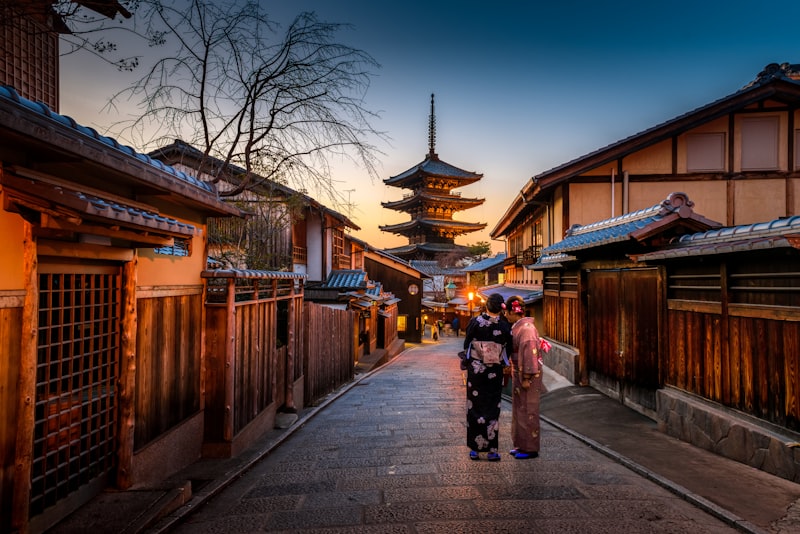
The exhibition will be held in the heart of Kyoto, easily accessible for tourists staying in the city center.

Venue Information

Kyoto Cultural Museum (京都文化博物館) - 3rd Floor Exhibition Hall The museum itself is a stunning piece of architecture. While the main complex is modern, the museum's annex (the former Bank of Japan Kyoto Branch) is a gorgeous Meiji-era red-brick building. It sits right in the Nakagyo Ward, blending Kyoto's ancient history with its modernization.

  • Address: 623-1 Higashikatamachi, Takakura-dori Sanjo-agaru, Nakagyo-ku, Kyoto 604-8183
  • Japanese Address: 京都市中京区高倉通三条上ル東片町623-1
  • Access:
    • A 3-minute walk from Karasuma Oike Station (Kyoto City Subway Karasuma Line / Tozai Line), Exit 5.
    • A 7-minute walk from Karasuma Station (Hankyu Kyoto Line), Exit 16.

Dates and Opening Hours

Planning your dates carefully is the most critical part of attending this exhibition, especially due to the Japanese New Year holidays.

  • Exhibition Run: November 28, 2026 (Saturday) to January 11, 2027 (Monday/National Holiday)
  • Total Run: 33 operating days.
  • Daily Hours: 10:00 AM – 6:00 PM (Last entry at 5:30 PM)
  • Friday Extended Hours: 10:00 AM – 7:30 PM (Last entry at 7:00 PM)

⚠️ CRITICAL CLOSURE DATES TO NOTE ⚠️

If you are traveling to Japan for the winter holidays, pay close attention to the museum's closure calendar to avoid a wasted trip:

  1. Weekly Monday Closures: The museum is closed on Mondays.
  2. The Exception: The final day of the exhibition, January 11, 2027 (Monday), is Coming of Age Day (Seijin no Hi), a national holiday. The museum WILL BE OPEN on this specific Monday.
  3. The New Year Gap (DO NOT MISS THIS): The museum will be entirely closed from December 28, 2026, through January 4, 2027. This is standard for many Japanese institutions during the Oshogatsu (New Year) period. If your Kyoto trip is strictly between these dates, you will not be able to attend the exhibition. Plan to be in Kyoto before Dec 28 or after Jan 4.

Inside the Exhibition

While full photography rules will be posted at the venue (usually, Japanese art exhibitions prohibit photography except in designated areas), visitors can expect a massive curation of Go Nagai’s life work. Highlights include:

  • The Rescued Wajima Manuscripts: The undeniable centerpiece of the exhibition. You will see the physical, original pages from Mazinger Z, Devilman, and more that were extracted from the fireproof vault.
  • Original Color Artworks: Nagai's vibrant, psychedelic color illustrations that defined 1970s manga magazine covers.
  • New Illustrations: Art specifically drawn by Go Nagai for this exhibition, highlighting the ongoing, immortal power of his creativity.
  • Merchandise/Goods Shop: Exclusive memorial merchandise. Be prepared: limited-edition prints, apparel, and artbooks at Japanese exhibitions sell out fast. (If you're wondering how much Japanese currency to bring for an otaku shopping spree, read our guide on Cash vs Card in Japan 2026: How Much Cash Do You Need?).

Part 4: Ticketing Guide & The Facial Recognition System

Buying tickets for major Japanese exhibitions has become more complex in recent years as organizers combat scalping (resale). The ticketing for this event is handled via eplus.jp, one of Japan’s largest ticketing agencies.

Important Note: As of October 2026, the official admission price in yen has not been published. Do not rely on old pricing from prior tours. Always check the official site (nagaigo-eternalspirits-exh.com) or the eplus portal closer to your travel dates for exact pricing.

Ticket Sales Windows

  • Advance Tickets: On sale from September 16, 2026, to November 27, 2026. Purchasing advance tickets usually saves you a few hundred yen and guarantees entry if weekend time-slots sell out.
  • Same-Day / Door Tickets: Available starting November 28, 2026.

The Facial Recognition Entry System (Must Read)

According to the official eplus ticketing page, this exhibition employs a strict anti-scalping entry system that requires facial photo registration. This is increasingly common at major Japanese theme parks, concerts, and high-profile exhibitions, but it can catch international tourists off guard.

Here is what you need to know about navigating this:

  1. Advance Online Purchase: When buying tickets online via eplus, you will be required to create an account.
  2. Companion Registration: You cannot simply buy "4 tickets" and hand them to your friends at the door. You must pre-register the names of any companions in your party during the application/ticketing process.
  3. Uploading Photos: You (and your registered companions) will be prompted to upload a clear facial photograph. This photo is tied directly to your digital ticket.
  4. At the Venue: Instead of just scanning a QR code or handing over a piece of paper, the venue's entry gate will utilize a camera/tablet to scan your face and match it to the photo on file. If the face doesn't match the ticket, you will be denied entry.

Tips for Tourists:

  • Read the English instructions on the ticketing page carefully (use Google Translate on your browser if a dedicated English page isn't provided).
  • Ensure the photo you upload has good lighting, no sunglasses, no hats, and clearly shows your face from the shoulders up—similar to a passport photo.
  • If you are uncomfortable with uploading a photo, or if the eplus system rejects foreign credit cards (a common issue), you may need to rely on purchasing same-day tickets physically at the Kyoto Cultural Museum box office on the day of your visit. However, please verify on the official website closer to the opening date if physical same-day tickets will be sold at the door, or if the digital-only photo system is strictly enforced for all attendees.
Klook.com

Part 5: Building a Kyoto Pop-Culture Itinerary

Since you are traveling to Kyoto to celebrate one of manga's greatest pioneers, you should maximize your time by visiting other spectacular anime, manga, and pop-culture destinations in the city. The Kyoto Cultural Museum’s central location makes it the perfect launchpad.

Here are the top spots to combine with the Go Nagai Exhibition for the ultimate otaku day out.

1. Kyoto International Manga Museum

Just a 5-minute walk from the Kyoto Cultural Museum, this is an absolute must-visit. Housed in a beautifully repurposed elementary school, this museum holds over 300,000 manga volumes, ranging from Edo-period caricatures to modern hits. You can grab almost any book off the massive "Wall of Manga" and read it on the artificial grass outside. They also frequently host live drawing demonstrations.

  • Why it pairs well: After seeing Go Nagai’s raw manuscripts, come here to see the published volumes of Devilman and Mazinger Z in their historical context alongside his contemporaries like Osamu Tezuka and Shotaro Ishinomori.
  • Access: 5-minute walk from Kyoto Cultural Museum, right next to Karasuma Oike Station.

2. Teramachi Shopping Arcade & Surugaya Kyoto Teramachi

A short walk east from the museum brings you to Teramachi-dori, a massive covered shopping arcade. While famous for traditional tea and incense shops, the northern end of Teramachi is Kyoto's mini-Akihabara. Look for Surugaya, a massive secondhand goods store where you can hunt for vintage Mazinger Z Chogokin (die-cast metal) robot toys, retro games, and classic anime DVDs.

  • Access: About a 10-minute walk east of the Kyoto Cultural Museum.

3. Mandarake Kyoto

Mandarake is Japan's premier chain for vintage otaku goods. If there is a rare, 1970s Devilman sofubi (soft vinyl) figure or an out-of-print Go Nagai artbook you desperately want to find after being inspired by the exhibition, Mandarake is your best bet. The Kyoto branch is located just south of the Shijo-Kawaramachi intersection, easily reachable after exploring the museum.

  • Access: A 15-minute walk southeast from the exhibition venue, or a quick hop on the subway.

4. Toei Kyoto Studio Park (Eigamura) & Evangelion Kyoto Base

Since Go Nagai's Mazinger Z essentially birthed the mecha genre, why not go see the modern evolution of his concept? Head to the western side of Kyoto to visit Eigamura, an active film set for samurai dramas that also acts as a theme park. Here, you will find the Evangelion Kyoto Base, featuring a massive, 15-meter-tall upper half of Evangelion Unit-01. You can climb up and sit in the entry plug (cockpit)—a direct lineage to the cockpit concept Nagai invented!

  • Access: Take the JR Sagano Line from Kyoto Station to Uzumasa Station (about a 15-minute ride), then walk 5 minutes.
  • Tip: If you love tracking down anime locations in real life, be sure to check out our guide on Anime Pilgrimage in Japan: A Beginner.

5. Animate Kyoto

For fans who discovered Go Nagai through recent adaptations or modern spiritual successors, Animate is the center for modern anime goods. While Mandarake focuses on the vintage, Animate is where you go for brand-new acrylic stands, keychains, and current manga volumes.

  • Access: Located in the Teramachi shopping district, about a 10-minute walk from the Kyoto Cultural Museum.

6. Gear Theatre (Art Complex 1928)

If you want an evening entertainment option that captures the kinetic, non-verbal excitement of a visual medium like manga, you must book tickets to Gear. It is a long-running, wordless stage production in Kyoto that combines mime, breakdancing, magic, and projection mapping, set in a dystopian toy factory. It shares the inventive, sci-fi theatricality that fans of 70s mecha and sci-fi manga will deeply appreciate.

  • Access: A 10-minute walk from the museum, located on Sanjo-dori.

7. Inoda Coffee Honten (Main Store)

After absorbing hours of intense manga art, you will need a place to decompress. Just a stone's throw from the Kyoto Cultural Museum is the flagship store of Inoda Coffee. Operating since 1940, its dark wood interior, red velvet chairs, and nostalgic atmosphere offer a "kissaten" (retro Japanese coffee shop) experience perfectly aligned with the Showa-era birth of Go Nagai’s greatest works. Order their signature "Arabian Pearl" coffee blend.

  • Access: A 5-minute walk south from the museum.

8. Nishiki Market

No trip to central Kyoto is complete without walking through Nishiki Market, known as "Kyoto's Kitchen." It’s a narrow, five-block-long shopping street lined with over a hundred shops and stalls selling street food, pickles, fresh seafood, and traditional sweets. It is roughly three blocks south of the Kyoto Cultural Museum, making it the perfect spot for lunch before or after your exhibition visit.

  • Access: A 10-minute walk south from the museum.

Part 6: Practical Tips for Navigating Kyoto in Winter 2026/2027

Since the "Eternal Power" exhibition spans late November through early January, visitors will be dealing with Kyoto's winter climate and unique holiday pacing.

1. Weather and Dress Code

Late November in Kyoto still catches the very tail-end of the autumn foliage season, meaning the city will be heavily crowded, but temperatures will be crisp and cool (around 10°C to 15°C / 50°F to 59°F). By late December and January, Kyoto becomes quite cold, often dropping near freezing at night (0°C to 5°C / 32°F to 41°F). The Kyoto Cultural Museum is well-heated, but you will be walking outside a lot to get between stations and cafes. Bring a warm, easily removable coat, as Japanese indoor heating is notoriously strong.

2. Navigating the New Year Chaos

As mentioned, the Go Nagai exhibition shuts down from December 28 to January 4. During these exact dates, millions of Japanese people travel back to their hometowns. Bullet trains (Shinkansen) become fully booked weeks in advance.

If you are stranded in Kyoto during this exhibition closure, use the time to engage in Hatsumode (the first shrine visit of the year). Yasaka Shrine, Fushimi Inari Taisha, and Heian Shrine will be extraordinarily festive, filled with food stalls and millions of locals praying for good fortune.

If you want to escape the crowded city center during the New Year break, take a scenic day trip. Read our Ultimate Arashiyama Travel Guide 2026: Bamboo Grove, Tenryu-ji & Togetsukyo Bridge for inspiration on exploring Kyoto's stunning western mountains.

3. Transportation and Accommodation

The Kyoto Cultural Museum is on the subway lines, making it incredibly easy to reach from Kyoto Station. If you are staying in Osaka and making a day-trip to Kyoto, take the Hankyu Line from Umeda Station directly to Karasuma Station in Kyoto (about 45 minutes).

If you plan to heavily indulge in Kyoto's pop-culture offerings, consider booking a hotel in the Kawaramachi / Sanjo / Karasuma Oike area. This puts the Kyoto Cultural Museum, the Manga Museum, Animate, Mandarake, and countless incredible restaurants directly within walking distance, sparing you from relying on Kyoto's notoriously overcrowded city bus system.


Final Thoughts: A Testament to Immortality

The title "The Eternal Power" (不滅の力) carries a double meaning. Firstly, it references the immortal, raw, creative energy of Go Nagai. His ability to tap into the primal fears and heroic aspirations of humanity produced works like Devilman and Mazinger Z that refuse to age, continually reinventing themselves for new generations.

But secondly, and perhaps more profoundly, the title speaks to the physical artwork itself. When the flames ravaged the Wajima Morning Market in January 2024, the world held its breath, assuming the physical legacy of Go Nagai was reduced to ash. The survival of these manuscripts is a testament to the foresight of those who built the vault, the bravery of the recovery teams, and the resilient spirit of Ishikawa Prefecture.

Attending this exhibition at the Kyoto Cultural Museum in the winter of 2026 is an opportunity to stand face-to-face with history. You are not just looking at manga. You are looking at the foundational blueprints of modern global pop culture, singed by tragedy, but entirely unbowed.

As you plan your Kyoto itinerary, ensure that this miraculous revival of the Go Nagai Memorial Museum holds a prominent place. Book your tickets carefully, respect the facial recognition entry systems, heed the holiday closure dates, and prepare to be awestruck by the eternal power of human creativity.

FAQ

Q: When and where is the Go Nagai Exhibition in Kyoto?

The exhibition runs from November 28, 2026, to January 11, 2027, at the Kyoto Cultural Museum on the 3rd Floor Exhibition Hall.

Q: What makes this Go Nagai exhibition special?

The exhibition features original manuscripts of works like Mazinger Z and Devilman that miraculously survived a massive fire during the January 2024 Noto Peninsula earthquake.

Q: Is the exhibition open during the Japanese New Year holidays?

No, the museum and exhibition will be closed from December 28, 2026, through January 4, 2027, for the New Year holidays.

Q: How do I buy tickets for the Go Nagai exhibition?

Tickets are sold online via eplus.jp. Advance ticket purchases require a facial photo registration, and entry relies on a facial recognition scan at the venue to prevent scalping.

Q: What other pop culture attractions are near the Kyoto Cultural Museum?

Nearby attractions include the Kyoto International Manga Museum, Mandarake Kyoto, Animate Kyoto, and vintage goods stores like Surugaya in the Teramachi Shopping Arcade.

🛒

Order & Ship to Your Hotel!

Amazon Japan online order → delivered to your hotel next day

Amazon Japan →
🗺️

Explore Kyoto

Find tours, activities & experiences in Kyoto

Explore Activities →

🏨 Need a place to stay in Tokyo? Check Klook →

Klook.com
Klook.com

🛍️ Exclusive Japan Shopping Coupons

Show these digital coupons on your phone at checkout to save up to 17%!

🐧

🐧 Don Quijote Tax-Free Coupon

10% Tax-Free + Extra 5% OFF (For purchases over 10,000 JPY)

Get Donki Coupon →
📷

📷 Bic Camera Privilege Coupon

10% Tax-Free + Extra 7% OFF on electronics, cameras, and watches

Get Bic Camera Coupon (Free) →

📚 Recommended Guides

USJ & Theme Parks

USJ Express Pass Complete Guide 2026 | Which Passes Are Worth Buying

Otaku & Pop Culture

Zelda 40th Anniversary Concert 2027: Japan Dates & Tickets

Otaku & Pop Culture

Japanese Retro Feature Phone (Galapagos Keitai) Collector Guide 2026 | Where to Buy Used Gara-kei in Akihabara

🧾 Before you buy: tax-free, payment and getting it home

Tax-free basics

Bring your passport and spend at least ¥5,000 at one shop on the same day.

From 1 November 2026 the system changes: you pay the full price including consumption tax in the shop, then complete a refund procedure before you leave Japan. Buying tax-free at the register ends.

The same reform abolished the general-goods/consumables split, the ¥500,000 daily cap on consumables and the special sealed packaging. What changes on 1 November 2026 →

⚠️ Since 1 April 2025, goods shipped to your home country by international parcel are no longer tax-exempt. If you want the tax break, carry the item out yourself as baggage — shipping is for convenience, not for saving tax.

Paying

Big electronics and chain stores take international cards. Small card shops and second-hand stalls are often cash-only, so keep some yen on you.

Wallets from 17 countries and regions work at PayPay's QR terminals through Alipay+ — including Singapore, Hong Kong, Malaysia and the Philippines. You pay with your own app and the yen amount converts automatically. Cards from the US, UK and Australia are not part of this, so use your card or cash there.

Sources: Japan National Tourism Organization (japan.travel) / PayPay (about.paypay.ne.jp)

🌏 Also available in: 繁體中文 · 简体中文 · 한국어 · ไทย · Tiếng Việt · Bahasa · Español · Français · हिन्दी · العربية

Disclosure: This article contains affiliate links. We may earn a commission at no extra cost to you.