[PR] This article contains affiliate links.
Stepping into Dogo Onsen is like stepping into a living, breathing painting of Meiji-era Japan. Located in the vibrant city of Matsuyama in Ehime Prefecture, Shikoku, Dogo Onsen is widely celebrated as Japan’s oldest hot spring retreat. Boasting a rich history that spans over 3,000 years, its legendary healing waters have drawn emperors, wandering poets, weary pilgrims, and legendary novelists. Today, it stands as an unmissable destination for inbound tourists seeking the quintessential Japanese hot spring experience in 2026.
At the center of this historic hot spring town sits the magnificent Dōgo Onsen Honkan, an iconic, multi-tiered wooden public bathhouse erected in 1894. With its intricate timber framing, labyrinthine corridors, winding staircases, and atmospheric tatami rooms, the Honkan famously served as a major visual inspiration for the bathhouse in Studio Ghibli’s Academy Award-winning masterpiece, Spirited Away.
Whether you are planning a dedicated pilgrimage to Shikoku or looking for a magical detour from the Golden Route, this massive, exhaustive 2026 guide covers everything you need to know about visiting Dogo Onsen. From decoding the complex ticketing courses and understanding the recent historic renovations, to the best local delicacies and nearby shrines, prepare to dive deep into Japan's most historic bathing culture.
The Historical Prestige of Dōgo Onsen Honkan
Dogo Onsen is not just a place to wash; it is a monument to Japanese cultural heritage. The thermal waters here are mentioned in the Nihon Shoki (The Chronicles of Japan, completed in 720 AD) and the Man'yoshu (the oldest existing collection of Japanese poetry). Legend states that a white egret with an injured leg discovered the healing properties of the alkaline water, curing itself by soaking in a puddle trickling from the rocks. You will see egret motifs adorning the crests, woodwork, and rooftop towers of the bathhouse to this day.
The 1894 Meiji Masterpiece
The current main building, known as the Honkan, was built in 1894 under the visionary leadership of Isaniwa Yukiya, the town’s first mayor. Despite intense local opposition due to the astronomical cost of the project, Isaniwa insisted on building a grand, three-story wooden structure that would stand the test of time and become a symbol for centuries. His gamble paid off. The striking Shinrokaku (the distinctive square tower on the roof fitted with red Giya-man glass windows) houses the Toki Taiko, a grand drum that is still beaten daily at 6:00 AM, 12:00 PM, and 6:00 PM to signal the passage of time to the town.
Due to its stunning architectural preservation and historical significance, the Dōgo Onsen Honkan was designated a National Important Cultural Property in December 1994, becoming the first public bathhouse in Japan to receive such an honor while still operating as an everyday community bath.
The Great Heisei-Reiwa Conservation Project: What You Need to Know for 2026
For decades, the wooden Honkan withstood earthquakes, typhoons, and the humid local climate. However, to ensure this architectural treasure survives for another century, the city embarked on the largest structural preservation effort in its history.
If you are researching Dogo Onsen for your 2026 trip, you may come across confusing or conflicting information regarding closures. Let’s set the record straight with the official facts so you can plan your trip with absolute confidence.
The Two Crucial 2024 Dates
The massive conservation repair work on the Honkan ran continuously from January 2019 to December 20, 2024 (the official construction-completion date). However, tourists traveling in 2026 should understand that the interior bathing facilities actually reopened to the public before the exterior construction officially wrapped up.
- Public Reopening (July 11, 2024): The entire building, including all the atmospheric rest areas, changing rooms, and modernized restrooms, fully reopened to the public on July 11, 2024. This was roughly five months before the construction work was completely finished. From this date onward, visitors were able to experience the full grandeur of the historic interior.
- Conservation Completion (December 20, 2024): This later date marks the absolute finalization of all exterior touch-ups, backend structural reinforcements, and the removal of the last pieces of administrative scaffolding.
Important Note for 2026 Travelers: The Dogo Onsen Honkan is 100% open and operating normally. It is not closed, and it is not under renovation. You will have unrestricted access to all designated public bathing areas and rest halls exactly as the architects intended.
Dogo Onsen Honkan 2026 Bathing Courses & Price Guide
Visiting the Honkan is not a simple "pay a fee and walk in" experience. Because of the building's historical nature and various VIP rooms, there is a tiered ticket system. You must decide which "course" you want before purchasing your ticket. Courses determine which bath you can enter, whether you get access to the tatami mat resting areas, whether a yukata is provided, and how much time you are allowed to stay inside.
There are two main bath areas in the Honkan:
- Kami-no-yu (Bath of the Gods): The grander, larger public baths located on the ground floor. There are separate facilities for men (which has two bathing rooms) and women (which has one larger room). The walls are adorned with magnificent ceramic murals.
- Tama-no-yu (Bath of the Spirits): A smaller, more exclusive, and slightly more premium bath located deeper within the facility. Historically, this bath was built for upper-class visitors.
2026 Honkan Course Comparison Table
Note: Child pricing generally applies to ages 2–11. However, for any course that includes the Yūshinden (the Imperial Bath viewing), the child rate strictly applies to ages 6–11, as per the official guidelines.
| Course Name | Access Provided | Time Limit | Adult Price | Child Price | Operating Hours (Last Entry) |
|---|---|---|---|---|---|
| Kami-no-yu (Bath Only) | Ground floor Kami-no-yu bath only. No lounge access. | 60 mins | ¥700 | ¥350 (Ages 2-11) | 6:00 – 23:00 (Last entry 22:30) |
| Kami-no-yu (Bath + 2nd Floor Rest) | Kami-no-yu bath + 2nd-floor public tatami hall access. Includes rental yukata. | 60 mins | ¥1,300 | ¥650 (Ages 2-11) | 6:00 – 22:00 (Last entry 21:00) |
| Tama-no-yu (Bath + 2nd Floor Rest + Yūshinden) | Tama-no-yu bath + Kami-no-yu bath + 2nd-floor premium lounge + Yūshinden exterior viewing. Includes rental yukata & towel. | 60 mins | ¥2,000 | ¥1,000 (Ages 6-11) | 6:00 – 22:00 (Last entry 21:00) |
| Tama-no-yu (Bath + 3rd Floor Private Room + Yūshinden) | Tama-no-yu bath + Kami-no-yu bath + 3rd-floor private tatami room + Yūshinden guided viewing. Includes rental yukata, towel, and tea/sweets. | 90 mins | ¥2,500 | ¥1,250 (Ages 6-11) | 6:00 – 22:00 (Last entry 20:30) |
| Yūshinden Guided Viewing Only (No Bath) | 30-minute guided tour of the Imperial bathing quarters. No bathing permitted. | 30 mins | ¥500 | ¥250 (Ages 6-11) | 9:00 – 17:00 (Last entry 16:30) |
Deep Dive into the Courses
1. Kami-no-yu, ground floor, bath only This is the most authentic, local way to experience Dogo Onsen. For Adult ¥700 / Child ¥350, you are granted a 60-minute time limit to enjoy the Kami-no-yu baths on the ground floor. You bring your own towel and soap (or buy them at the counter), use the changing rooms, bathe, and leave. It operates from 6:00 to 23:00, with last entry at 22:30. It’s perfect for travelers who just want a quick, historic dip.
2. Kami-no-yu, bath + 2nd-floor hall rest area If you want the classic aesthetic experience, this is highly recommended. For Adult ¥1,300 / Child ¥650 (60-minute time limit), you bathe in the Kami-no-yu, but you are also granted access to the vast 2nd-floor tatami hall. You will be provided with a traditional yukata to wear. After your bath, you can sit on the tatami, cool down, sip tea, and soak in the historic ambiance. Hours are 6:00–22:00, last entry 21:00.
3. Tama-no-yu, bath + 2nd-floor rest + Yūshinden exterior viewing Stepping up the luxury, the Adult ¥2,000 / Child ¥1,000 course gives you access to the more exclusive Tama-no-yu bath, plus a dedicated, slightly quieter 2nd-floor rest area. You also get to view the exterior of the Imperial Yūshinden facility. You are given 60 minutes for this experience. Hours are 6:00–22:00, last entry 21:00.
4. Tama-no-yu, bath + 3rd-floor private room + Yūshinden viewing This is the ultimate Dogo Onsen public walk-in experience. For Adult ¥2,500 / Child ¥1,250, you get a 90-minute time limit. You have access to the Tama-no-yu baths, and afterward, you are escorted to a private, traditional tatami room on the 3rd floor. You are served tea and Botchan dango (a local sweet), provided with a yukata, and given a guided viewing of the Yūshinden. Hours are 6:00–22:00, last entry 20:30.
5. Yūshinden guided viewing only, no bathing Built in 1899, the Yūshinden is the only bathhouse structure in Japan built explicitly for the Imperial Family. Emperors Taisho and Showa have both bathed here. If you cannot soak due to time constraints, tattoos, or preference, you can take a 30-minute guided tour of this stunning architectural wing for Adult ¥500 / Child ¥250. Hours are 9:00–17:00, last entry 16:30. Note that no bathing is allowed on this course.
The Exclusive Private Rooms: Shirasagi-no-ma and The Soaring Room
For travelers seeking absolute privacy and luxury in a culturally unparalleled setting, Dogo Onsen Honkan offers private-room-only courses in two meticulously restored special chambers: Shirasagi-no-ma and The Soaring Room (Hisho-no-ma).
These are not your typical walk-in tickets. These courses are strictly reservation-only and are limited to just 5 groups per day each. Because the official fee structure combines a base per-group room charge with a separate per-person add-on for the Yūshinden viewing, the exact total varies based on your party size. Therefore, these courses are categorized as "price confirmed at booking" rather than a flat rate.
How to Book the Private Rooms:
- Advance Reservations: Online reservations are highly recommended and close at 22:00 the day before your intended visit via the official Dogo Onsen reservation site.
- Same-Day Bookings: If you decide on a whim and there is an unlikely cancellation or open slot among the 5 daily groups, same-day booking is strictly handled by phone at 089-921-5141. English support by phone may be limited, so having your hotel concierge call on your behalf is advised.
Exploring the Annexes: The 3-Bathhouse Tour Ticket
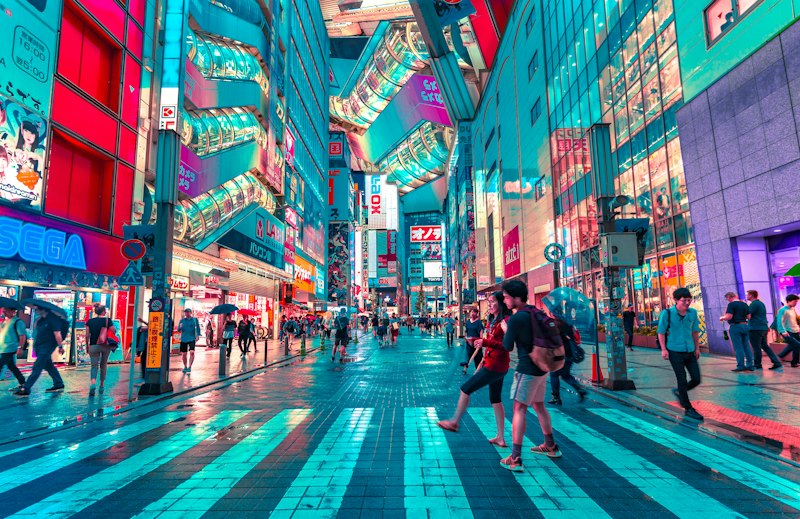
While the Honkan is the crown jewel, the Dogo Onsen village features two other exceptional public bathhouses, each offering a totally distinct architectural and bathing experience. All three facilities draw from the exact same pure, unheated, undiluted thermal source.
If you are a true hot spring enthusiast, you should take advantage of the 3-Bathhouse Tour Ticket.
- Price: Adult ¥1,440 / Child ¥680.
- Validity: Valid for 2 days (the day of purchase + 1 consecutive day).
- Savings: This bundled ticket is about 20% cheaper than paying for each bathhouse separately.
- What it covers:
- The Honkan Kami-no-yu ground floor (bath only)
- Tsubaki-no-Yu
- Asuka-no-Yu
- Rules: Courses cannot be changed once the ticket is purchased (e.g., you cannot upgrade your Honkan portion to a 2nd-floor lounge course on the fly).
Dogo Onsen Annex Asuka-no-Yu
Opened in 2017, Asuka-no-Yu was built in the architectural style of the Asuka period (592–710), paying homage to the era when Prince Shotoku famously visited Dogo in 596 AD. The interior is a breathtaking fusion of traditional craftsmanship and modern art, featuring sprawling murals made of local Tobe porcelain, intricate woodwork, and Washi paper art. Unlike the Honkan, Asuka-no-Yu features an open-air bath (rotenburo) and even allows you to rent a private bathing room modeled after the Emperor's bath.
Dogo Onsen Tsubaki-no-Yu
Located adjacent to Asuka-no-Yu, Tsubaki-no-Yu (The Bath of the Camellia) is deeply beloved by Matsuyama locals. Originally built in 1953, it features a massive granite bath and a spacious, high-ceilinged interior. It is typically less crowded with tourists than the Honkan, making it the perfect spot if you want to observe everyday Japanese community bathing culture.
How to Access Dogo Onsen in 2026
Dogo Onsen is located in the eastern part of Matsuyama City. The city's transport infrastructure is highly developed, making it incredibly easy for inbound tourists to navigate.
From JR Matsuyama Station: Take the Iyotetsu tram (specifically the line bound for "Dogo Onsen"). The tram ride takes about 25 minutes. You will ride charming, retro streetcars through the heart of the city, passing Matsuyama Castle along the way.
From Matsuyama-shi Station (Iyotetsu): If you arrived in the city via a highway bus or a regional Iyotetsu train, you will likely start at Matsuyama-shi Station. From here, take the Iyotetsu tram bound for Dogo Onsen. The journey takes about 20 minutes.
Fares and IC Cards: Please check Iyotetsu Railway's official fare page or a reliable transit app (like Google Maps, Navitime, or Japan Transit Planner) before traveling. Tram fares in regional Japanese cities frequently undergo adjustments. You can tap compatible IC cards on most Matsuyama transit. If you are unsure which travel card is best for your Japan trip, check out our guide: What is the Best IC Card for Tourists in Japan 2026? | Suica vs Pasmo vs ICOCA.
By Taxi: A taxi ride from either JR Matsuyama Station or Matsuyama-shi Station to Dogo Onsen will take approximately 20 to 25 minutes, depending on city traffic.