[Disclosure] This article contains affiliate links. We may earn a commission at no extra cost to you.
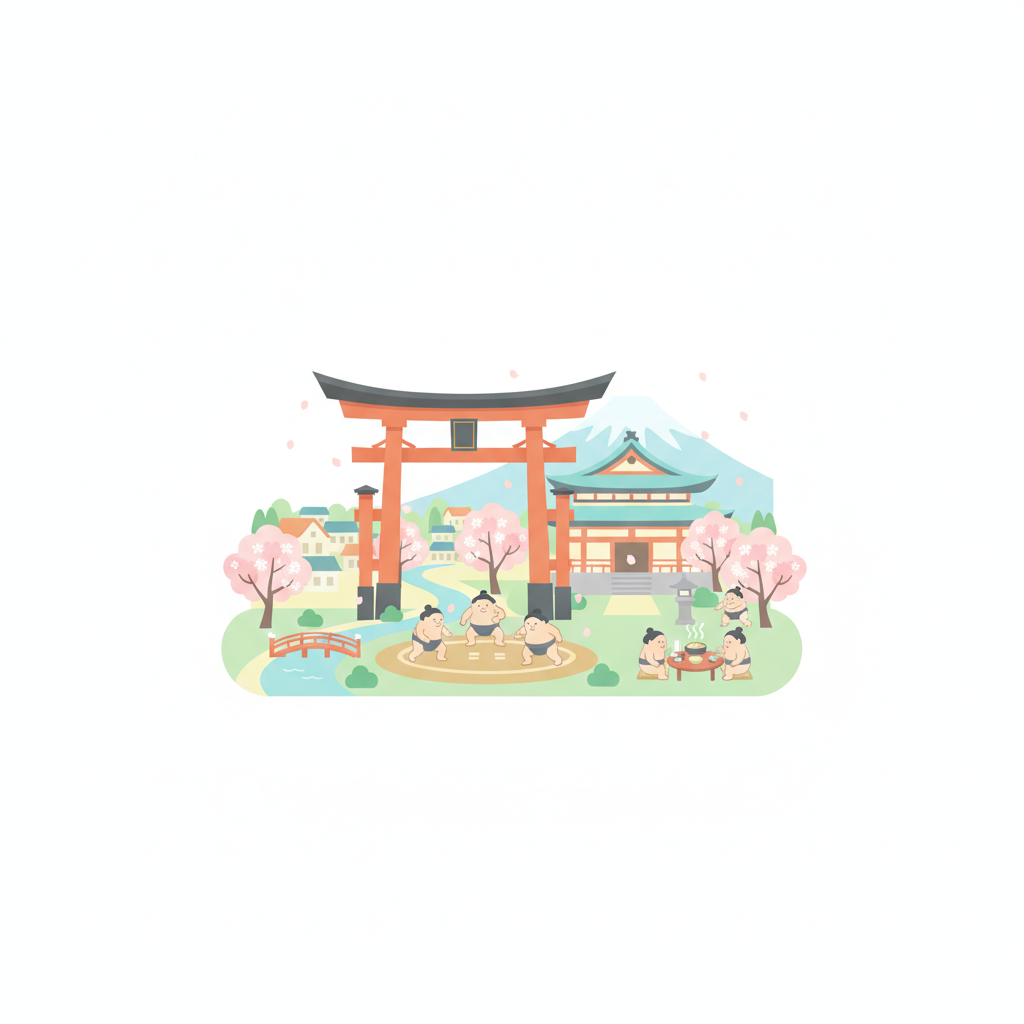
For most travelers planning a Tokyo itinerary in 2026, catching a live sumo match feels like an impossible dream. Unless your trip perfectly aligns with the January, May, or September Grand Tournaments at Ryogoku Kokugikan—and you somehow beat the domestic ticket bots—you are likely out of luck. Enter the Asakusa Sumo Show and Chanko Nabe dinner experience. What is it? It is a specialized, 2-hour entertainment dining event where retired professional wrestlers perform traditional techniques, live bouts, and comedy routines right next to your dinner table. Why should you care? Because it offers guaranteed, up-close access to Japan’s national sport 365 days a year, alongside an all-you-can-eat feast of the exact hot pot (Chanko Nabe) that actual wrestlers eat to build mass. In this guide, you will learn the unvarnished truth about the 2026 pricing, what the meal actually tastes like, how to avoid the "wrong Asakusa station" trap, and whether this English-friendly spectacle is worth your ¥16,000.
What You'll Get From This Guide
- Real 2026 Pricing: Exact ticket costs in JPY and USD, including hidden fees.
- The Station Trap: Why 40% of tourists arrive late (and how to navigate Asakusa correctly).
- Menu Breakdown: Honest reviews of the Chanko Nabe and all-you-can-eat sides.
- Tournament Comparisons: How this entertainment show stacks up against an official Honbasho.
- Local Booking Tips: Why you should skip the VIP upgrade and save your money.
The Reality of Asakusa Sumo Shows in 2026
When tourists search for "Asakusa sumo show," they are primarily looking for the Asakusa Sumo Club (浅草すもう亭), a venue that exploded in popularity across social media over the last two years. Located on the 1st floor (ground level) of a commercial building in Nishi-Asakusa, the venue revolves around a central, raised clay ring known as a dohyo.
Entertainment vs. Competition
The biggest mistake tourists make is expecting a solemn, highly competitive athletic event. This is not the Japan Sumo Association. The performers are retired professional rikishi who now focus on education and entertainment. The 2-hour set kicks off with a traditional Geisha dance performance, transitions into a bilingual (English and Japanese) explanation of sumo rules, and ends with a series of comedic, theatrical bouts. You will witness real slaps, authentic lifting, and traditional throws, but the matches are choreographed for maximum audience engagement rather than ranked competition.
The Ring Challenge: Suit Up
During the final 30 minutes, the MC invites guests to volunteer for a "Ring Challenge." If selected, you don a padded, oversized sumo suit (or a fabric loincloth belt over your clothes) and attempt to push the 150kg+ wrestlers out of the ring. It is pure slapstick comedy, incredibly photogenic, and the main reason this experience holds a 4.8-star average on major booking platforms.
(Tip: If you are organizing your larger Tokyo schedule, make sure you also Book Shibuya Sky / Tokyo Disneyland / Universal Studios Japan on Klook to guarantee entry for the city's other high-demand attractions.)
Breaking Down the 2026 Ticket Prices
In 2026, the Asakusa Sumo Club operates four daily shows: 12:00 PM, 3:00 PM, 6:00 PM, and 8:30 PM. Prices have standardized since their chaotic launch, but you need to know exactly what you are paying for.
| Ticket Type | Price (JPY) | Price (USD)* | What's Included | Is It Worth It? |
|---|---|---|---|---|
| Standard Adult | ¥16,000 | ~$110 | Entry, Show, All-you-can-eat Chanko, Karaage | Yes. The best baseline value for most tourists. |
| Standard Child (3-12) | ¥9,000 | ~$62 | Same as adult, child-friendly portions | Yes. Kids love the interactive comedic elements. |
| VIP / Front Row | ¥21,000 | ~$145 | First row seating next to the dohyo | No. Overrated. The venue is tiny; back rows see fine. |
| Drink Pass | ¥2,500 | ~$17 | All-you-can-drink alcohol (2 hours) | Yes, if you plan to drink 4+ beers. |
| (Note: USD conversions are approximate based on 2026 ¥145/$1 rates) |
What's Overrated: Paying the extra ¥5,000 (~$35 USD) for "VIP Front Row" seating. The main venue only seats around 80 people. Even if you are in the "back row" (which is actually just the third ring of tables), you are mere meters from the action. Save that upgrade money and spend it on souvenirs or drinks.
The Food: Eating Like a Rikishi
A sumo show is only half the draw; the other half is the Chanko Nabe (sumo hot pot). At the Asakusa Sumo Club, the ticket includes an all-you-can-eat spread.
The Symbolism of Chicken Chanko Nabe
Local Tip: When a tourist brochure tells you that you are eating a "highly guarded secret wrestler flavor," they just mean you are eating a chicken and kombu (kelp) dashi. In the sumo world, eating four-legged animals (pork or beef) is bad luck, because putting your hands on the ground in a match means you lose. Chickens stand on two legs, representing victory. Authentic Chanko Nabe is almost always chicken-based.
Quality Over Quantity?
The hot pot is served in massive communal bowls featuring chicken meatballs, tofu, wheat gluten, and seasonal vegetables. Surprisingly for a tourist-heavy venue, the broth is excellent—rich, deeply umami, and not overly salty. Your admission also includes unlimited karaage (Japanese fried chicken) and inari sushi (sweet tofu-wrapped rice). You order refills via a QR code at your table. The inari sushi is the hidden gem here; it absorbs the sweet vinegar perfectly and pairs excellently with a cold draft beer.
Tourist Traps vs. Authentic Alternatives
How does this specific restaurant compare to the real thing, or other popular Tokyo options like Yokozuna Tonkatsu Dosukoi Tanaka?
| Feature | Asakusa Sumo Club (Entertainment) | Ryogoku Honbasho (Official Tournament) |
|---|---|---|
| Schedule | 4 times daily, 365 days a year | 15 days in Jan, May, Sept only |
| Ticket Difficulty | Easy (Book 2-3 weeks ahead) | Brutal (Sells out in minutes via lottery) |
| Atmosphere | Loud, comedic, English-friendly | Serious, traditional, strictly Japanese |
| Food & Drink | Included all-you-can-eat hot pot | Expensive bentos bought separately |
| Competitors | Retired professionals (Rikishi) | Active, ranked professional wrestlers |
| Audience Interaction | High (You can step in the ring) | Zero (Do not touch the wrestlers) |
If you are a hardcore sports fan who wants to see bruised, bleeding giants fighting for their careers, the Asakusa Sumo Club will feel like a tourist trap. But if you want cultural context, guaranteed good food, and a fantastic photo opportunity for your family, it is vastly superior to staring at the back of heads from the nosebleed section of an official Honbasho.
How to Get There (And The Station Trap)
The Tsukuba Express Advantage
One of the most common navigational mistakes foreign tourists make is assuming all "Asakusa Stations" are the same place. The Asakusa Sumo Club is a 1-minute walk from the Tsukuba Express (TX) Asakusa Station (Exit A2).
If you are relying on a standard Tokyo Subway Ticket and take the Tokyo Metro Ginza Line or the Toei Asakusa Line, you will arrive at the historic Asakusa Station near the Kaminarimon Gate. This is a 12 to 15-minute walk away. If you book the 6:00 PM show and arrive at the Ginza Line station at 5:55 PM, you will be late. Map your route specifically to "Asakusa Sumo Club Nishi-Asakusa" and budget an extra 20 minutes to cut through the heavy pedestrian traffic around Senso-ji Temple.
(Need a basecamp nearby? Search best hotels in Japan on Booking.com to find accommodations in the quieter Nishi-Asakusa neighborhood.)
Frequently Asked Questions
Q: Is the Asakusa sumo show a real professional tournament?
Tourists frequently misunderstand the nature of the Asakusa Sumo Club show, mistaking it for an official professional tournament (Honbasho). In 2026, official tournaments only happen six times a year (three of which take place in Tokyo at the Ryogoku Kokugikan during January, May, and September). The Asakusa Sumo Show is not a competitive ranking event. Instead, it is an immersive, daily entertainment spectacle featuring retired professional sumo wrestlers (rikishi). Because they are no longer competing in the rigorous Japan Sumo Association rankings, the matches prioritize entertainment, education, and lighthearted comedy over brutal competition. You will see authentic techniques, traditional slapping, and real lifting, but the bouts are choreographed to showcase the art of the sport rather than to determine a champion. If you want severe, silent, traditional competition, you need a Honbasho ticket. If you want an English-friendly, interactive comedy-sports show where you can take photos and eat simultaneously, this Asakusa experience is exactly what you are looking for.
Q: How much does the Asakusa Sumo Experience cost in 2026, and is it worth it?
For the 2026 season, standard admission at the main Asakusa Sumo Club venue costs ¥16,000 (approximately $110 USD) for adults, and ¥9,000 ($62 USD) for children aged 3 to 12. This flat rate covers your entry, the live English-commentated sumo presentation, a geisha dance performance, and an all-you-can-eat Chanko Nabe (chicken hot pot) meal that includes unlimited fried chicken (karaage) and inari sushi. Alcoholic beverages like draft beer or highballs are typically billed separately at around ¥800 ($5.50 USD) per drink, ordered via a QR code at your table. Upgraded VIP or front-row tables occasionally push the price to ¥21,000 (~$145 USD). While the base price might seem steep for a 2-hour lunch or dinner, you are paying for a multi-layered cultural package. Considering a standard nice dinner in Tokyo can run ¥8,000 on its own, the remaining ¥8,000 for a private, up-close entertainment show with retired professionals offers excellent value for tourists with limited time in Japan.
Q: Is the sumo experience suitable for vegetarians, vegans, or halal diets?
The traditional Chanko Nabe served at these venues is strictly chicken-based. According to sumo tradition, eating chicken is auspicious because a chicken stands on two legs, mirroring a victorious wrestler, whereas eating beef or pork (four-legged animals) symbolizes a loss. Consequently, the standard broth uses chicken and kombu (kelp). However, reacting to the massive influx of international tourists in 2026, the Asakusa Sumo Club now offers a dedicated vegan and vegetarian hot pot option if requested at least 48 hours in advance during your booking. The vegan alternative replaces the chicken meatballs with extra tofu, mushrooms, and seasonal root vegetables, utilizing a pure kombu dashi broth. Unfortunately for halal diners, the venue does not maintain a strict halal-certified kitchen, and cross-contamination with non-halal meat or cooking alcohol (mirin) is highly likely. Travelers with severe celiac disease should also exercise extreme caution, as the soy sauce utilized heavily in the broth and the side dishes contains wheat.
Q: What is the difference between the Main Venue and the Asakusa Sumo Annex?
Due to explosive viral popularity on social media throughout 2025, the original Asakusa Sumo Club (located at 3-1-11 Nishi-Asakusa) frequently sold out months in advance. To accommodate the 2026 tourist demand, management opened the "Asakusa Sumo Annex" just a few blocks away. The main difference lies in the venue size and atmosphere. The original Main Venue holds roughly 80 guests, offering an incredibly intimate, sweaty, and high-energy environment where the front tables are practically touching the clay ring (dohyo). The Annex is slightly larger, accommodating tour groups and overflow bookings, resulting in a slightly less intimate but equally entertaining show. The meal quality, the retired wrestlers performing, and the 2-hour schedule (12:00 PM, 3:00 PM, 6:00 PM, and 8:30 PM slots) remain identical across both locations. If you have the choice, book the Main Venue for the classic, authentic claustrophobia of a real Tokyo dining experience, but do not cancel your trip if you get bumped to the Annex.
Q: Which Asakusa train station should I use to get to the restaurant?
One of the most common navigational mistakes foreign tourists make in Tokyo is assuming all "Asakusa Stations" are located in the same place. They are not. The Asakusa Sumo Club is located a mere 1-minute walk from the Tsukuba Express (TX) Asakusa Station. However, if you are relying on a Tokyo Subway Ticket or riding the Tokyo Metro Ginza Line, the Toei Asakusa Line, or the Tobu Skytree Line, you will arrive at the historic Asakusa Station near the Kaminarimon Gate. This main station is situated on the complete opposite side of the neighborhood. Walking from the Ginza Line Asakusa Station to the sumo venue takes approximately 10 to 15 minutes, cutting directly through the crowded Nakamise shopping street or the covered Shin-Nakamise arcade. Always map your route to "Asakusa Sumo Club Nishi-Asakusa" rather than just the neighborhood name, and buffer your arrival time by at least 20 minutes to account for Tokyo's notoriously dense pedestrian traffic. (Pro-tip: If you want to dive deeper into sumo culture after the show, Buy authentic sumo goods (相撲グッズ) on Amazon Japan before you fly home to avoid inflated tourist-shop prices).
Bottom Line
The Asakusa Sumo Show and Chanko Nabe dinner is an undeniably commercial, tourist-focused event, but it executes its premise flawlessly. For ¥16,000, you receive excellent entertainment, interactive cultural education, and surprisingly high-quality food in an air-conditioned, English-friendly environment. However, this is NOT for purists expecting the solemn, silent traditions of an official sumo tournament, nor is it for budget backpackers counting every yen. If you only have a few days in Tokyo and want a highly memorable, photogenic dinner without the stress of navigating Japanese ticket lotteries, this is an easy recommendation.
📝 この記事について
監修・運営: Futuristic Imagination LLC
専門分野: 日本旅行・インバウンド
AI技術と専門家の知見を組み合わせ、信頼性の高い情報をお届けします。