[PR] This article contains affiliate links.
Stepping into the timeless streets of Edo-era Japan is a dream for many travelers, and nowhere makes this fantasy more tangible than Uzumasa Kyoto Village (widely known locally as Uzumasa Eigamura). For decades, this active film-studio-turned-theme-park has served as the backdrop for countless Japanese television shows, movies, and historical dramas (jidaigeki). Walking its dirt paths, you might cross bridges favored by cinematic samurai, wander past Edo-period merchant houses, and maybe even catch a live television production in progress.
A note on the name: If you've seen this park referred to as "Toei Kyoto Studio Park" in older guides or on existing signage, that's the same place. As part of a ¥12 billion, multi-year renovation project, the park rebranded to Uzumasa Kyoto Village when its Phase 1 reopened on March 28, 2026 — the long-used local nickname "Uzumasa Eigamura" still applies either way, and you'll see both the old and new names used interchangeably for a while.
If you are planning a trip to Kyoto in 2026, Uzumasa Kyoto Village is a must-visit destination. However, the park is currently undergoing a massive, multi-year redevelopment. With its highly anticipated "Phase 2" reopening planned for spring 2027, visiting in 2026 requires a bit of strategic planning. Ticketing structures, operating hours, and transit methods have all unique nuances this year.
This massive, exhaustive 2026 visitor guide is designed specifically for international tourists. We will break down exactly how much it costs (down to the yen), dissect the intricate access routes from Kyoto Station, debate the merits of daytime versus nighttime admission, and ensure you know exactly how to navigate the park’s unique base-admission-plus-extras pricing model.
1. The 2026 Context: Visiting During the "Phase 2" Transition
Before diving into prices and trains, it is absolutely vital for 2026 visitors to understand the current state of Uzumasa Kyoto Village.
The park is currently in the midst of a monumental, multi-year revitalization project. To bring the park into a new era while preserving its historic charm, management has broken the renovations down into phases. Right now, the park is operating under its transitionary period, leading up to a grand "Phase 2" reopening scheduled for spring 2027.
What does this mean for your 2026 visit? Because the park is an active, evolving space, different zones, historical sets, or attractions may be temporarily closed off to the public for construction or refurbishment on any given week.
- Rule #1 of visiting in 2026: Do not assume your favorite set, ninja maze, or anime exhibition is open based on a YouTube video you watched from 2019.
- Rule #2 of visiting in 2026: You must check the official Toei Eigamura website (eigamura.com) immediately prior to your visit. The official website maintains up-to-date lists of which specific areas are accessible and which are behind construction walls during your specific travel dates.
Despite the renovations, the park remains a fantastic, deeply immersive experience. The management has carefully calibrated their 2026 ticket prices to reflect this transitional phase, holding these prices steady until the big spring 2027 relaunch.
2. Uzumasa Kyoto Village 2026 Admission Prices
Understanding the pricing structure at Uzumasa Eigamura is critical for budgeting your Kyoto itinerary. Theme parks in Japan often utilize different pricing models than those in North America or Europe, and Toei is no exception.
The park has explicitly stated that the following admission prices are valid through its current renovation phase, leading up to the Phase 2 reopening planned for spring 2027. (Note: Because prices could change again around the spring 2027 reopening, visitors traveling in late 2026 or early 2027 should double-check the official site).
Here are the verified, exact base admission prices for 2026.
1-Day Admission (Entry from 10:00)
The standard 1-Day ticket allows you entry to the park right from the morning, giving you maximum time to explore the Edo townscapes and exhibits.
- Adult (Junior high school age and up): 2,800 yen
- Child (Age 3 through elementary school): 1,600 yen
- Infants (Under age 3): Admitted free of charge
A Note on Teenagers: You may notice that the "Adult" tier begins relatively early here—at junior high school age (typically ages 12–13 in Japan). Some Japanese theme parks offer a middle-tier price specifically for middle and high school students. While the current official baseline pricing groups "junior high school age and up" firmly into the 2,800 yen adult category, ticketing promotions can occasionally shift. If you are traveling with teenagers, it is always worth checking the official English ticketing page right before you buy, just in case age-specific student discounts have been introduced for the season.
Night Admission (Entry from 17:00)
For travelers who prefer to spend their daylight hours exploring Kyoto’s temples and save the theme park for the evening, Toei offers a discounted Night Admission ticket. This allows entry starting at 5:00 PM.
- Adult: 2,000 yen
- Child (Age 3 through elementary school): 1,300 yen
(Note: As with 1-Day admission, children under age 3 are free, and junior high school age and up are currently classified under the Adult price).
What About Purchasing Tickets?
Tickets can typically be purchased at the front gate ticket booths upon arrival. However, to save time and skip the queues, international tourists are highly encouraged to purchase web tickets in advance through the official Eigamura website or their authorized ticketing partners.
When planning your payment strategy for souvenirs and food inside the park, it helps to understand Japan's evolving financial landscape. While theme parks usually take credit cards at the gate, smaller food vendors inside might still prefer cash. For a deep dive into handling money on your trip, read our guide on Cash vs Card in Japan 2026: How Much Cash Do You Need?.
3. The Ultimate Decision: 1-Day vs. Night Admission
One of the biggest dilemmas tourists face when planning their Uzumasa Eigamura trip is choosing between the 1-Day ticket (2,800 yen) and the Night ticket (2,000 yen). Because the park's general hours run roughly from 10:00 to 21:00 (with variations we will discuss later), you have a substantial window of time to work with.
Here is an exhaustive breakdown to help you decide which ticket fits your specific travel persona.
The Case for the 1-Day Ticket (2,800 yen)
Entering at or near the 10:00 AM opening time is the traditional way to experience Uzumasa Kyoto Village.
Best For:
- Families with young children: The energy levels of kids are usually best accommodated during the day. Furthermore, if you are relying on the Kyoto city bus system, daytime transit is significantly more frequent and easier to navigate.
- Die-hard Jidaigeki and Tokusatsu fans: If your main goal is to geek out over historical sets, or explore Toei’s rich history of Kamen Rider and Super Sentai (Power Rangers) properties, you want daylight. Daytime provides the best lighting for photography. If you want to pose on the Nihonbashi bridge replica or capture the intricate details of a traditional samurai residence, the sun is your best friend.
- Those wanting to do "Cultural Experiences": Many of the park's premium experiences (such as renting traditional Edo-period costumes to walk around the park) take time. Getting dressed up in a kimono or samurai armor is an investment of both money and hours. You want a full day to strut around the sets and take photos before you have to return the garments.
The Drawbacks of the 1-Day Ticket:
- Summer Heat: Kyoto in the summer is notoriously humid and oppressive. Because the park is largely an outdoor film set with vast stretches of dirt and gravel, there is little shade. Walking the Edo streets at 1:00 PM in July or August can be brutal.
- Time Commitment: Kyoto has hundreds of temples, shrines, and gardens. Dedicating a full day (or even half a day) to Eigamura means sacrificing time at Fushimi Inari, Kinkaku-ji, or Kiyomizu-dera.
The Case for the Night Admission Ticket (2,000 yen)
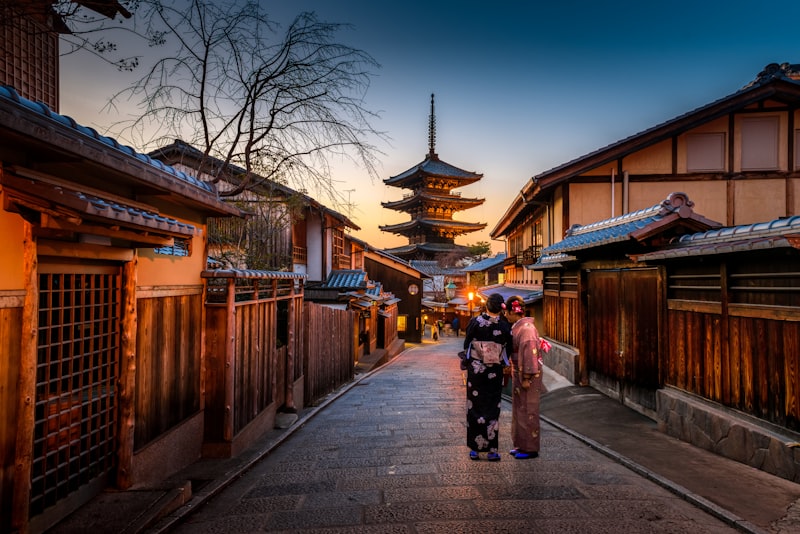
Entering from 17:00 (5:00 PM) unlocks a completely different atmosphere. The setting sun casts long shadows over the wooden facades, and as darkness falls, traditional paper lanterns illuminate the dirt roads.
Best For:
- The Atmosphere Seekers: Edo-era streets look incredibly cinematic at night. The glow of lanterns creates a moody, nostalgic vibe that is impossible to replicate during the day. It feels less like a theme park and more like you have actually time-traveled to a twilight village.
- The Itinerary Crammers: If you want to spend your morning at the Arashiyama Bamboo Grove and your early afternoon at Tenryu-ji Temple, the 17:00 Night Admission is the perfect capstone to a busy day in western Kyoto. You can transition seamlessly from traditional sightseeing to theme park entertainment without feeling rushed.
- Budget Travelers: Saving 800 yen per adult ticket might not seem like a massive windfall, but for a family of four, those savings add up—perfect for buying an extra bowl of ramen or a few exclusive Toei souvenirs.
The Drawbacks of the Night Ticket:
- Shorter Window for Paid Attractions: This is the most crucial caveat for the Night Ticket. Some paid in-park attractions close earlier than the park's main closing time. If you arrive at 17:00, you may find that certain ninja mazes, trick-art museums, or exhibition halls are already winding down or closed.
- Limited Photography: Unless you have a high-end camera or a very good modern smartphone, taking crisp photos of the outdoor sets at night can be challenging due to low light.
4. General Hours and the "No Fixed Closing Day" Rule
Planning a trip to Uzumasa Kyoto Village requires a proactive approach to scheduling. Unlike some Western theme parks that have rigid, year-round operating hours, Eigamura’s schedule is fluid and heavily dependent on the season.
Understanding the Daily Hours
- General Opening Window: The park operates on a general timeframe of roughly 10:00 to 21:00.
- Seasonal Variations: These hours are not set in stone for every day of the year. During slower winter months, the park might close much earlier in the evening. During peak golden week or summer holidays, hours may stretch to their maximum.
- Last Admission Rule: Regardless of when the park closes on your specific day, last admission is always one hour before closing. Do not show up at 20:30 expecting to get in if the park closes at 21:00.
- Attraction Closures: As mentioned in the Night Ticket section, the 21:00 closing time applies to the park gates. Individual paid attractions, restaurants, and shops inside the park frequently close earlier than the main gate.
The Ultimate Rule: Check the Official Calendar
You may read outdated guidebooks or third-party travel blogs claiming that Uzumasa Kyoto Village "always closes on Tuesdays" or has a specific weekly shut-down day. Do not listen to these third-party sources.
There is currently no confirmed, consistent, fixed weekly closing day — you will not find a "the park is always closed on Tuesdays" rule. There is, however, a recurring annual closure period in mid-January for maintenance, which is worth building into your trip planning if you're visiting in winter.
Beyond that January window, the park has undergone various additional periods of closure in recent years directly tied to its Phase 2 renovation schedule, and these are less predictable — sometimes closing on a random weekday for maintenance, other times staying open 30 days straight. Furthermore, the park hosts time-limited seasonal programs (such as summer yokai/ghost events, winter illuminations, or night festivals) that change yearly. Because these special events dictate the park's hours, the schedule shifts constantly outside of the known January closure.
Actionable Advice: The absolute only way to guarantee the park is open, confirm the exact hours for the day, and see if any special seasonal events are running, is to visit the official English events and calendar page at eigamura.com a few weeks before your trip.
5. Budgeting Your Visit: Base Admission vs. Paid Extras
One aspect of Japanese theme parks that often confuses international tourists is the concept of separate attraction fees.
In many Western parks, your entry ticket includes unlimited access to every ride and show. At Uzumasa Kyoto Village, your 1-Day or Night ticket is a base admission. It grants you entry to the park, access to wander all the open historical sets, view the outdoor Edo-town architecture, and watch certain free street performances or open-air shows.
However, many of the indoor attractions, mazes, and interactive experiences require an additional fee on top of your general admission.
To avoid sticker shock at the park, here is exactly how to budget for these extras.
The "Extra Attractions" (Small Additional Fee Each)
Throughout the park, you will find a variety of interactive amusement facilities. These are generally small-scale, highly themed experiences. While specific attractions may be closed or relocated due to the Phase 2 renovations, historically, these have included things like:
- Ninja mystery houses (trick houses with hidden doors)
- Laser mazes (where you must dodge lasers like a spy/ninja)
- Trick-art museums (optical illusion photo spots)
- Haunted houses (Japanese ghost houses, often incredibly scary and featuring live actors)
- Evangelion or Anime-themed interactive exhibits
When you arrive at the entrance of one of these specific attractions, you will typically find a ticket vending machine or a staff member, and pay a small additional fee right there on top of your base admission. Exact prices vary by attraction and can change between visits, so check the signage at each attraction's entrance rather than budgeting around an assumed figure.
If you are traveling with kids who want to do several ninja mazes and trick houses, it's worth setting aside a flexible cash buffer for these add-ons.
The "Cultural Experiences" (Costume Rentals & Photo Ops)
Beyond the standard amusement attractions, Eigamura is famous for its deep cultural immersion. The park offers premium experiences that allow you to literally become part of the Edo period.
The most accessible of these is the kids' ninja costume rental (sized for roughly 90–140cm), priced at 1,000 yen plus a 2,000 yen refundable deposit returned when you bring the costume back. For a more elaborate experience, the park's full costume photo sessions (samurai, geisha, and townsperson outfits with professional styling) start at 5,800 yen and go up from there depending on the costume and photo package you choose — these are a step above a casual rental, so budget accordingly if this is a priority for your visit.
Budgeting Tip: If you are an anime fan planning to buy specialized merchandise at the park, make sure to read up on how to transport fragile items. Also, if your fandom extends beyond live-action to anime, check out our guide on Anime Pilgrimage in Japan: A Beginner's Guide.