🔍Checked against official sources and updated regularly by a JAPHIC-certified operator. About us →
⚡ Quick facts
Deciding between Tokyo and Osaka for your 2026 trip? This guide goes beyond tourist brochures with real 2026 prices, local insights, and honest comparisons for a truly informed first-time visit.
In this guide
Real 2026 Prices: Specific costs for food, transport, and attractions in both cities.
Hyper-Specific Locations: We name exact shops, stations, and districts, not vague "popular spots."
Unbiased Pros & Cons: An honest look at each city's strengths and weaknesses for first-timers.
[Disclosure] This article contains affiliate links. We may earn a commission at no extra cost to you.
Planning your inaugural trip to Japan in 2026 often presents a fundamental dilemma: Tokyo or Osaka? Both are vibrant, iconic cities, but they offer vastly different experiences beyond the glossy brochure images. For the English-speaking traveler who has already devoured generic guides and is now craving truly actionable, local-level insights, understanding these nuances is critical. This comprehensive guide will equip you with specific, up-to-date 2026 information, breaking down the true costs, cultural vibes, and practicalities to help you make an informed decision that perfectly aligns with your travel style, not just follow the crowd. You’ll learn where your yen goes further, what tourist traps to avoid, and which city truly captures the essence of your ideal Japanese adventure.
What You'll Get From This Guide
Real 2026 Prices: Specific costs for food, transport, and attractions in both cities.
Hyper-Specific Locations: We name exact shops, stations, and districts, not vague "popular spots."
Unbiased Pros & Cons: An honest look at each city's strengths and weaknesses for first-timers.
Local-Level Tips: Insider advice that contradicts common tourist narratives.
Overrated vs. Must-See: Guidance on what's genuinely worth your time and money.
Direct Comparison Tables: Clear, at-a-glance data to aid your decision.
Tokyo vs Osaka for First-Timers: Quick Answer (2026)
Choose Tokyo for iconic landmarks, high fashion and cutting-edge variety; choose Osaka for hearty street food, a friendlier vibe, USJ and easy day trips to Kyoto and Nara — and expect Tokyo to cost roughly 10–20% more.
At a glance
Factor
Tokyo
Osaka
Best for
Landmarks, fashion, pop culture, diversity
Street food, nightlife, USJ, Kyoto/Nara day trips
Vibe
Polished, efficient, trend-setting
Friendly, boisterous, compact
Mid-range hotel (night)
¥18,000 – 25,000
¥15,000 – 22,000
Ramen bowl
¥1,200 (~$8)
¥1,000 (~$6.80)
Overall cost
~10–20% higher
More budget-friendly
Tokyo vs. Osaka: The Core Vibe
Understanding the soul of each city is paramount. Tokyo operates with a refined, almost futuristic precision, while Osaka hums with a down-to-earth, boisterous energy. Many tourists mistakenly believe Tokyo is only about neon and high-tech, and Osaka is just about food. While elements of truth exist, both cities offer far more depth, and their underlying character profoundly impacts your daily experience.
Tokyo's Pulsating Precision
Tokyo, the capital, is an ever-evolving metropolis known for its efficiency, cutting-edge trends, and incredible diversity across its many districts. From the frantic pace of Shibuya Scramble Crossing to the serene gardens of Shinjuku Gyoen National Garden, Tokyo offers a meticulously organized, yet endlessly stimulating environment. It's a city of quiet contemplation amidst the chaos, where fashion statements are art and every train runs exactly on time. English proficiency is generally higher in major tourist hubs like Shinjuku and Shibuya, making initial navigation slightly less daunting for some. Expect more structured interactions, impeccable service, and a palpable sense of striving for perfection in every detail.
Osaka's Gritty Charm
Osaka, often dubbed "Japan's kitchen" or "the nation's funny bone," boasts a warmer, more approachable, and undeniably more casual atmosphere. Here, interactions are direct, people are famously outgoing (and often hilarious), and the focus is squarely on good food, good company, and good times. The Dotonbori canal area, with its iconic Glico Man sign and endless food stalls, epitomizes Osaka's vibrant, unpretentious spirit. It feels less about being "seen" and more about simply "being." While English signage is present, locals might be less inclined to speak English, but their willingness to help often bridges the language barrier with gestures and humor. The pace is a touch slower, the laughter louder, and the overall vibe is one of authentic, unvarnished fun.
The Culinary Battlefield: Eating Your Way Through Japan
Japan's food scene is legendary, and both Tokyo and Osaka offer world-class gastronomy. However, their approaches and specialties differ significantly, impacting both your taste buds and your wallet in 2026.
Tokyo's Refined Gastronomy
Tokyo excels in variety, Michelin-starred establishments, and a globalized culinary scene. Here, you'll find everything from intricate sushi (e.g., Sushi Saito in Akasaka, though reservations are near impossible for tourists) to inventive French-Japanese fusion. For a more accessible, yet authentic experience, a bowl of ramen at Afuri (Shinjuku Lumine 1 B2F, approx. ¥1,200 / ~$8 USD) offers exquisite yuzu-shio ramen. A more local tip: Skip the long lines at tourist-heavy Ichiran for ramen. Instead, head to Tsukemen Gogyo in Nishiazabu for their unique "burnt miso" ramen (approx. ¥1,400 / ~$9.50 USD) – a truly memorable, less-touristy experience. Coffee culture is robust; a pour-over at Fuglen Coffee Roasters (Tomigaya) will set you back around ¥700 / ~$4.75 USD. Expect higher prices for quality dining across the board.
Osaka's Soulful Street Food
Osaka is the undisputed king of kuidaore – "eat till you drop." Its food culture is celebrated for its affordability, bold flavors, and an emphasis on street food and casual dining. Iconic dishes like takoyaki (octopus balls) and okonomiyaki (savory pancakes) are staples. You can grab a plate of 6 takoyaki from Creo-Ru Dotonbori for ¥700 / ~$4.75 USD, made fresh right in front of you. For okonomiyaki, Chibo Dotonbori (Chuo Ward, Dotonbori) serves up delicious creations starting from ¥1,300 / ~$9 USD. A local tip: While the flashy Kani Doraku crab restaurant in Dotonbori is iconic, it's often an overpriced tourist trap. For truly excellent crab, seek out a smaller, local izakaya in Namba or Umeda that specializes in seasonal seafood. A simple bowl of kitsune udon at Dotonbori Imai Honten (Chuo Ward, Dotonbori) costs ¥950 / ~$6.50 USD and offers a comforting taste of Osaka's culinary heritage, far from the tourist rush. Coffee is also prevalent, with independent cafes offering brews around ¥550 / ~$3.75 USD.
Shopping & Entertainment: Retail Therapy and Nightlife
Both cities are retail powerhouses and offer thrilling nightlife, but the scale and style differ.
Tokyo's Cutting-Edge Commerce
Tokyo is a global trendsetter. From the luxury boutiques of Ginza (e.g., Wako Store, Ginza 4-chome) to the streetwear havens of Harajuku (take the Takeshita Street exit from Harajuku Station) and the electronics paradise of Akihabara (try Yodobashi Akiba near Akihabara Station, 1F to 9F), Tokyo has it all. For anime and manga fans, Mandarake Complex in Akihabara is an institution. Nightlife ranges from sophisticated jazz clubs in Ginza to themed bars in Shinjuku Golden Gai. A typical craft beer at Taproom Shinjuku might cost ¥1,000 / ~$6.80 USD. For tech, expect a new camera body like a Sony Alpha 7 IV to be around ¥310,000 / ~$2,100 USD at Bic Camera Shinjuku East Exit.
Osaka's Lively Leisure
Osaka's shopping is more concentrated and often perceived as more affordable. Umeda offers department stores like Hankyu Umeda Main Store and the underground mall Whity Umeda. For youth fashion and quirky goods, Amerikamura (Amemura) near Shinsaibashi Station is the place to be. The Nipponbashi Denden Town area is Osaka's answer to Akihabara, with electronics and anime shops like Joshin Super Denki and various smaller independent stores. Nightlife in Osaka is famously vibrant and friendly, centered around Dotonbori and Namba. Imagine grabbing a drink at a standing bar (tachinomi) in Shinsekai for ¥500 / ~$3.40 USD or hitting a club in Shinsaibashi with an entry fee of ¥2,500 / ~$17 USD. Prices for consumer electronics are often comparable to Tokyo, but local promotions might offer slight advantages.
Attractions & Day Trips: Icons and Hidden Gems
Each city serves as a gateway to distinct attractions and regional exploration.
Tokyo's Landmark Line-up
Tokyo itself is packed with iconic sights: Tokyo Skytree (entry ¥2,700 / ~$18 USD for Tembo Deck), Meiji Jingu Shrine (free), Senso-ji Temple (Asakusa, free), and the immersive digital art museum teamLab Planets TOKYO (Toyosu, tickets around ¥3,800 / ~$26 USD in 2026). For day trips, options include the serene lakeside beauty of Hakone (Mt. Fuji views, around 1.5 hours by Romancecar from Shinjuku Station, Odakyu Hakone Free Pass for 2 days approx. ¥6,100 / ~$41 USD), or the historic capital of Kamakura (1 hour by JR Yokosuka Line from Tokyo Station, approx. ¥950 / ~$6.50 USD one way).
Osaka's West Japan Hub
Osaka boasts its own impressive landmarks like Osaka Castle (entry ¥600 / ~$4 USD) and the futuristic Umeda Sky Building with its Floating Garden Observatory (entry ¥1,500 / ~$10 USD). For theme park enthusiasts, Universal Studios Japan (USJ) is a major draw, especially with its Super Nintendo World expansion (base ticket from ¥9,800 / ~$66 USD depending on date, check their official website for 2026 prices). Day trips from Osaka are incredibly convenient for exploring Western Japan. Kyoto is a mere 15 minutes by Shinkansen (approx. ¥1,500 / ~$10 USD from Shin-Osaka to Kyoto Station on a non-reserved seat) or 30 minutes by JR Special Rapid Service (¥580 / ~$4 USD). Nara, famous for its deer park and Todai-ji Temple, is also an easy 40-minute train ride from Namba Station (Kintetsu Nara Line, approx. ¥580 / ~$4 USD).
Both cities have world-class public transport, but their scale and layout present different challenges.
Tokyo's Seamless Grid
Tokyo's public transport system, primarily JR lines and the Tokyo Metro, is incredibly efficient, expansive, and often daunting at first glance. The sheer number of lines and transfers can be overwhelming. However, once you grasp the basics (e.g., using a Suica or Pasmo IC card, available for ¥500 deposit), it's the fastest way to get around. A single subway ride typically costs ¥180-320 / ~$1.20-2.20 USD depending on distance. A common misconception: Getting lost on Tokyo's trains is a rite of passage, but most stations have excellent English signage and helpful staff. Local Tip: While the Yamanote Line is great for hitting major hubs, don't be afraid to venture onto the less crowded subway lines; they often provide more direct routes to specific neighborhoods.
Osaka's Compact Convenience
Osaka's public transport, while still excellent, feels more manageable due to its smaller size and slightly simpler network focused around the Osaka Metro and JR lines. Major hubs like Umeda, Namba, and Tennoji are well-connected and less sprawling than Tokyo's equivalents. Most tourist attractions are easily reachable, and walking between districts is often a pleasant option. A single subway ride typically costs ¥180-380 / ~$1.20-2.60 USD. Like Tokyo, an IC card (such as ICOCA, compatible with Suica/Pasmo) is essential. Navigating Osaka often feels less stressful for first-timers due to its more compact and intuitive layout.
The Yen's Tale: A 2026 Cost Comparison
Let's talk money. While Japan is often perceived as expensive, smart planning can stretch your yen further. For 2026, we anticipate a slight increase in general prices compared to 2024, factored into our estimates. (Exchange rate used: 1 USD = ~¥147, reflecting general trends for 2026).
Accommodation
Tokyo generally demands higher prices for accommodation. A mid-range business hotel like APA Hotel Shinjuku-Kabukicho Tower for two might cost ¥18,000-25,000 / ~$122-170 USD per night. Budget capsule hotels can be found from ¥6,000 / ~$41 USD. Osaka offers slightly more bang for your buck. A comparable hotel like Hotel Monterey Grasmere Osaka near Namba could be ¥15,000-22,000 / ~$102-150 USD. Budget options often start around ¥4,500 / ~$30 USD.
Daily local transport costs are fairly similar, averaging around ¥800-1,200 / ~$5.50-8 USD in both cities for general sightseeing. The main difference comes with longer-distance travel to day trip destinations, where Tokyo's options (Hakone, Kamakura) can be slightly pricier than Osaka's (Kyoto, Nara) if you don't opt for a rail pass.
Entry Fees
Attraction prices are generally comparable, with major theme parks like USJ being a significant expense in Osaka (from ¥9,800 / ~$66 USD) and Tokyo having a wider array of museums and galleries with entry fees typically ¥1,000-2,000 / ~$6.80-13.60 USD.
Key Differences at a Glance: Tokyo vs. Osaka (2026)
Feature
Tokyo (2026 Estimate)
Osaka (2026 Estimate)
Vibe
Polished, efficient, trend-setting, diverse, sometimes overwhelming
Less common, but locals are very helpful and expressive
2026 Price Comparison: Common Items
Item (2026 Estimate)
Tokyo Price
Osaka Price
Ramen Bowl
¥1,200 / ~$8 USD
¥1,000 / ~$6.80 USD
Basic Coffee
¥650 / ~$4.40 USD
¥550 / ~$3.75 USD
Subway Ride (avg.)
¥250 / ~$1.70 USD
¥230 / ~$1.55 USD
Budget Hotel
¥10,000 / ~$68 USD
¥8,000 / ~$54 USD
Craft Beer (pint)
¥1,000 / ~$6.80 USD
¥850 / ~$5.75 USD
Considering accommodation is a major expense, Osaka often wins out for budget travelers. You can often save 10-20% on hotels, allowing for more experiences or a longer stay. For budget-conscious travelers, Osaka allows for more flexibility. Search hotels on Klook
Frequently Asked Questions
Q: Which city is better for a solo traveler in 2026?
A: Both Tokyo and Osaka are incredibly safe and welcoming for solo travelers in 2026. However, they cater to different solo travel styles. Tokyo, with its endless array of niche experiences, from quiet cafes in Shimokitazawa to bustling arcades in Akihabara, allows solo travelers to immerse themselves deeply without feeling isolated. There's always something to do, and anonymity is easy to find. Many restaurants have counter seating perfect for one. Osaka, on the other hand, might appeal more to the solo traveler looking for social interaction. Its famously friendly locals and vibrant, less formal nightlife scene around Dotonbori and Namba make it easier to strike up conversations, even with limited Japanese. The compact nature of Osaka also means less travel time between sights, making it efficient for a solo explorer. Neither city presents significant safety concerns, even late at night, but Osaka's more laid-back atmosphere might feel slightly more approachable for an impromptu chat or shared meal. For accommodation, both cities offer excellent capsule hotels like Nine Hours Shinjuku-North (Tokyo) or The Millennials Osaka (Namba), which are perfect for solo travelers.
Q: How much more expensive is Tokyo than Osaka in 2026?
A: In 2026, Tokyo remains generally 10-20% more expensive than Osaka, particularly concerning accommodation and high-end dining. For a mid-range hotel, you might pay ¥18,000-25,000 / ~$122-170 USD per night in Tokyo for a twin room, whereas a comparable hotel in Osaka could be ¥15,000-22,000 / ~$102-150 USD. Food costs also lean higher in Tokyo; a quality ramen bowl is around ¥1,200 / ~$8 USD compared to Osaka's ¥1,000 / ~$6.80 USD. Even common items like a standard coffee or a local beer show a slight premium in the capital. Transportation within the cities is fairly similar for single rides (¥180-380 / ~$1.20-2.60 USD), but Tokyo's vastness might lead to more frequent or longer rides. The biggest cost difference truly emerges when considering multi-day passes or regional travel, where certain Tokyo-centric passes can be more expensive. It's not a deal-breaker, but budget-conscious travelers will notice the difference in their daily spending.
Q: Which city has better day trips for first-timers in 2026?
A: For first-timers in 2026, Osaka offers slightly more convenient and culturally rich day trip options within close proximity. Its strategic location makes it an ideal hub for exploring the Kansai region. Kyoto, the ancient capital with its temples, geisha districts, and traditional gardens, is just 15 minutes away by Shinkansen (¥1,500 / ~$10 USD) or 30 minutes by JR Special Rapid Service (¥580 / ~$4 USD) from Shin-Osaka Station. Nara, famous for its wild deer and the Great Buddha at Todai-ji Temple, is also a quick 40-minute direct train ride from Namba Station (¥580 / ~$4 USD). Both offer a stark contrast to Osaka's urban buzz and are easily doable as full-day excursions. Tokyo's day trips, while equally beautiful, often involve slightly longer travel times or more complex routes. Hakone, with its stunning views of Mount Fuji and hot springs, requires about 1.5-2 hours. Kamakura, with its giant Buddha and temples, is about an hour. While both cities have fantastic day trip opportunities, Osaka's proximity to two world-renowned cultural capitals makes it a standout choice for first-timers looking to maximize their cultural immersion efficiently.
Q: Is Tokyo Skytree or Tokyo Tower better in 2026?
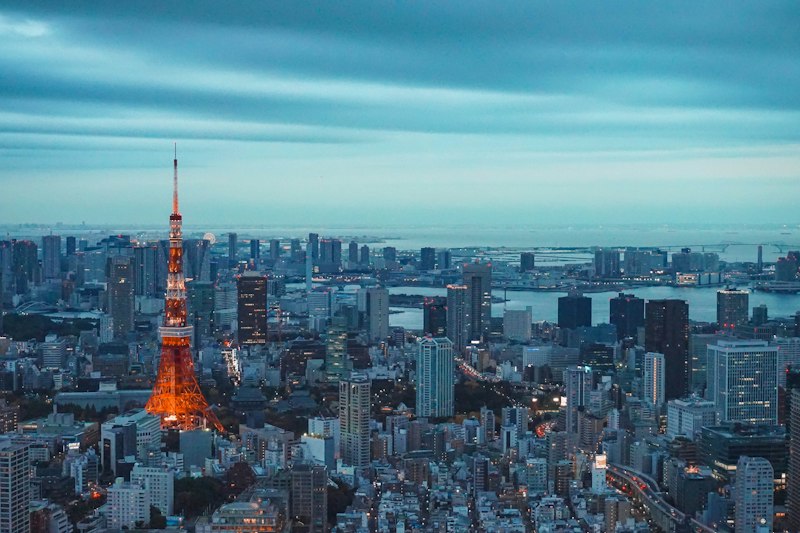
A: In 2026, for a first-time visitor, Tokyo Skytree is unequivocally the better choice over Tokyo Tower for several compelling reasons. While Tokyo Tower (entry ¥1,200 / ~$8 USD to main deck) offers a nostalgic, retro charm and iconic views of the city's older skyline, it's often considered overrated for its viewing experience compared to its modern counterpart. Its height (333m) is dwarfed by the Skytree. Tokyo Skytree (entry from ¥2,700 / ~$18 USD to Tembo Deck) provides a significantly higher vantage point (634m), offering truly panoramic and unobstructed views of the sprawling metropolis, including clearer sights of Mount Fuji on a clear day. Furthermore, the Skytree complex, Tokyo Solamachi, offers a much more extensive array of shopping, dining, and entertainment options (e.g., Sumida Aquarium, planetarium) making it a destination in itself. While Tokyo Tower holds historical significance and a certain charm, if you only have time for one, the Skytree provides a superior, more modern, and comprehensive viewing experience for your 2026 visit.
Q: What's the best way to book hotels for an overseas visitor in 2026?
A: For overseas visitors booking hotels in Japan for 2026, the best and most reliable method is typically through international online travel agencies (OTAs) like Booking.com or Agoda. These platforms offer extensive inventories, competitive pricing, and user-friendly interfaces in English. They also provide comprehensive filters (e.g., location, budget, amenities, review scores) and often allow for free cancellation, which is crucial for flexible travel planning. While specific Japanese booking sites like Rakuten Travel Japan are popular for residents and expats within Japan, their English-language interfaces can sometimes be less intuitive, and their inventory might not always align perfectly with the needs or payment methods of international travelers. Moreover, international OTAs often bundle deals with flights or car rentals. When booking, always pay attention to the specific cancellation policies, check for any hidden resort fees (rare in Japan but good to verify), and confirm the check-in/check-out times, as they can sometimes differ from Western norms. Reading recent reviews on your chosen platform is also key for ensuring quality and suitability.
Bottom Line
Choosing between Tokyo and Osaka for your first 2026 Japan trip boils down to your personal priorities. If you crave unparalleled diversity, cutting-edge trends, meticulous efficiency, and don't mind a slightly higher budget, Tokyo is your city. It's for the traveler who wants to experience multiple "Japans" within one urban landscape. However, if you prioritize a more relaxed, approachable atmosphere, a deep dive into hearty street food culture, easier social interactions, and want to use your yen more efficiently while having incredibly convenient access to Japan's ancient capitals like Kyoto and Nara, Osaka is the clear winner. This guide is NOT for those seeking a quiet, rural escape or who are strictly adhering to a shoestring backpacker budget without any interest in cultural immersion.
Check on Amazon Japan for Japan travel guides and essentials before your trip.