[PR] This article contains affiliate links.
If you are reading this right now in Tokyo, drop your current itinerary and make immediate room in your schedule.
Starting tomorrow, October 30, and running for exactly five days until November 3, 2026, the legendary Tokyo Ramen Festa 2026 is taking over the Central Plaza of Komazawa Olympic Park in Setagaya, Tokyo.
For inbound tourists, this is the Holy Grail of Japanese culinary events. Instead of spending weeks traveling by bullet train to the far corners of Hokkaido, Fukuoka, or Fukushima to sample authentic regional ramen, the masters of these local broths are coming directly to you. Operating out of bustling food trucks and temporary stalls, 12 meticulously selected ramen shops from across Japan will serve their signature bowls in an electrifying, open-air festival atmosphere.
However, this year carries an immense, bittersweet weight: Multiple official sources have confirmed that 2026 will be the final year the Tokyo Ramen Festa is held at Komazawa Olympic Park.
For over a decade, Komazawa Park has been the spiritual home of Tokyo’s largest ramen gathering. While the festival itself may evolve or relocate in future years, this specific iteration—slurping a steaming bowl of regional tonkotsu or miso ramen under the autumn foliage of Komazawa’s iconic plaza—is ending. This makes the October 30 - November 3 window your absolute last chance to experience this specific slice of modern Tokyo culinary history.
This massive, exhaustive 2026 guide is designed specifically for inbound travelers. We will break down exactly how the ticketing system works, how to navigate the event, what special collaborations (like the Ramen Akaneko anime tie-in and the debut of the "Ra-Kare" fusion dish) to look out for, and how to become an instant expert on Japanese regional ramen styles before you step up to the stalls.
Read fast, grab your IC card, and get ready to eat. The clock is ticking.
1. Event Overview: Fast Facts for Tokyo Ramen Festa 2026
Before we dive into the deep cultural nuances of ramen and festival logistics, here is the critical data you need to plan your trip this weekend. Do not rely on outdated information from previous years; these are the verified, official facts for the 2026 event.
- Official Event Name: Tokyo Ramen Festa 2026 (東京ラーメンフェスタ2026)
- Dates: October 30 (Friday) to November 3 (Tuesday, a Japanese National Holiday - Culture Day).
- Operating Hours: 11:00 AM to 8:00 PM (20:00) daily.
- CRITICAL EXCEPTION: On the final day, November 3, the festival closes one hour early at 7:00 PM (19:00). Ingredients may run out earlier, so do not wait until the last minute.
- Venue: Komazawa Olympic Park Central Plaza (Setagaya-ku, Tokyo).
- Admission: Entry to the festival grounds is completely FREE. You only pay for the food you eat.
- Price Per Bowl: 1,100 JPY (tax included) via a universal ticket system.
- Number of Participating Shops: 12 elite ramen vendors from across Japan.
- Weather Policy: Rain or shine. The event will not be canceled for standard rain, though extreme weather (like a late-season typhoon) could prompt safety closures.
Because this event falls over a weekend and ends on a major Japanese national holiday (Culture Day, Nov 3), you can expect massive crowds of passionate local foodies. Arriving with a game plan is essential.
2. Why the "Last Chance at Komazawa" Matters
To understand the gravity of Tokyo Ramen Festa 2026, you have to understand the venue. Komazawa Olympic Park was originally constructed for the 1964 Tokyo Summer Olympics. Its sprawling concrete Central Plaza, flanked by the futuristic, brutalist-style Olympic Memorial Tower, has served as a dramatic, retro-futuristic backdrop for this ramen festival for years.
For Tokyo locals, the arrival of the Ramen Festa at Komazawa signals the true beginning of autumn. The air turns crisp, the massive ginkgo trees lining the park begin to turn a brilliant golden yellow, and the distinct, savory aroma of simmering pork bones, dried sardines (niboshi), and toasted miso wafts over the Setagaya neighborhood.
Due to upcoming logistical shifts, park redevelopment, and the evolving scale of the event, organizers have signaled that 2026 marks the end of the Komazawa era. When an iconic Japanese event leaves its long-time home, the final edition is typically treated with immense reverence. You can expect the participating chefs to bring their absolute A-game, offering higher quality cuts of chashu (braised pork), richer broths, and exclusive toppings to honor the venue's legacy.
As an inbound tourist, attending this final Komazawa edition gives you incredible bragging rights. You aren't just going to a food festival; you are participating in a major cultural milestone for Tokyo’s food scene.
3. How the Ticket System Works (A Beginner's Guide)
One of the most confusing aspects of Japanese food festivals for first-time visitors is the payment system. You cannot simply walk up to a food truck, hand the chef a 1,000 yen bill, and ask for a bowl of ramen.
Japanese food festivals utilize a centralized ticket system to maintain strict hygiene (chefs handling food shouldn't handle dirty cash) and to ensure rapid service. Here is your step-by-step survival guide to eating at Tokyo Ramen Festa 2026.
Step 1: Locate the Central Ticket Booth
When you enter the Central Plaza of Komazawa Olympic Park, do not get in line for a ramen stall right away. Look for the large tents marked "Tickets" (チケット売り場 - Chiketto Uriba).
Step 2: Purchase Your Ramen Tickets
Every single bowl of ramen at the festival, regardless of which of the 12 shops you choose, costs exactly 1,100 yen. You must buy a physical paper ticket for each bowl you intend to eat.
- If you plan to eat two bowls, buy two tickets (2,200 yen).
- If you are with a group of four and everyone wants one bowl, buy four tickets (4,400 yen).
- Payment Methods: The ticket booths generally accept cash, major credit cards, and local transportation IC cards. If you need guidance on managing your money for the trip, check our guide on Cash vs Card in Japan 2026: How Much Cash Do You Need? or learn about loading up your digital wallet via our breakdown of What is the Best IC Card for Tourists in Japan 2026? | Suica vs Pasmo vs ICOCA.
Step 3: Choose Your Stall and Queue
Once you have your tickets, survey the 12 stalls. Each stall represents a different region or specific collaboration. Find the one that makes your mouth water and join the end of the line. The end of the line is usually marked by a staff member holding a sign saying "End of Line" (最後尾 - Saikoubi).
Step 4: The "Cash for Toppings" Exception
This is a crucial pro-tip: While the base bowl of ramen is paid for with your 1,100 yen paper ticket, almost every stall offers premium extra toppings that are NOT covered by the ticket. These extras might include an ajitama (soft-boiled marinated egg), extra slices of premium wagyu beef, extra chashu, nori (seaweed), or a pat of Hokkaido butter.
- How to buy toppings: You pay for these extra toppings in cash directly at the stall counter when you hand over your paper ticket.
- Preparation: Bring plenty of 100-yen and 500-yen coins. Toppings usually range from 100 to 500 yen. Do not try to hand a busy ramen chef a 10,000 yen note for a 150 yen egg; they may not have change, and it slows down the line.
Step 5: Receive Your Bowl and Find a Seat
The chefs are masters of volume cooking. Once you hand over your ticket (and any cash for toppings), your bowl will be assembled in seconds. Carry it carefully to the massive communal dining tents set up in the center of the plaza.
- Seating Etiquette: Seating is free-for-all. It is common to share large tables with strangers. Do not "hog" a table by sending one person to reserve it while the rest of your group waits in line for 45 minutes. Find a seat after you have your food.
Step 6: The Art of Trash Sorting
Japan takes waste management very seriously, and food festivals are no exception. When you finish your ramen, do not leave your bowl on the table. Carry your empty bowl to the designated Eco-Station (ゴミステーション - Gomi Sute-shon).
- You will be instructed to dump leftover broth into a specific liquid bucket.
- Chopsticks go into a separate bin.
- The plastic/styrofoam bowl goes into another bin.
- Staff volunteers will be there to guide you—just follow their hand gestures!
4. Exclusive 2026 Menu Highlights
While the rotating roster of regional shops ensures traditional favorites are always available, Tokyo Ramen Festa 2026 is pushing the culinary envelope for its grand finale at Komazawa. There are two major highlights that you absolutely must seek out this weekend.
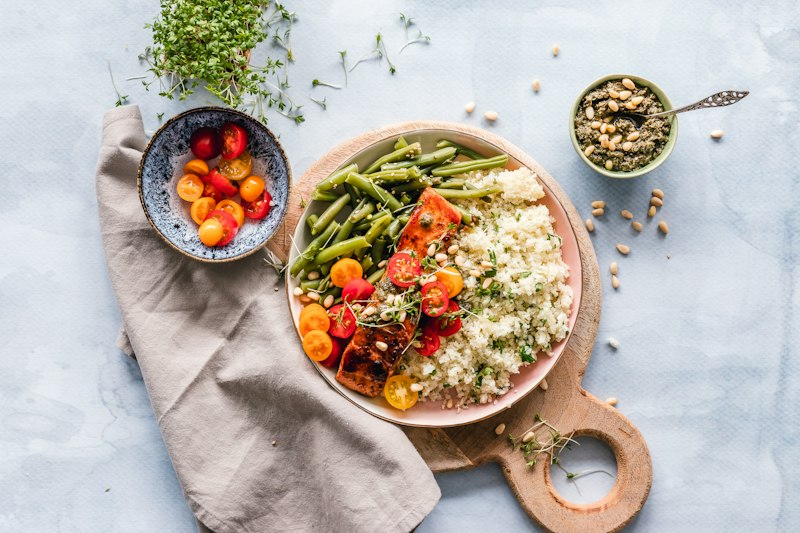
The Debut of "Ra-Kare" (ラーカレー)
For the first time in the festival's history, the 2026 event is introducing a rice-based menu item designed to bridge the gap between Japan's two greatest comfort foods: Ramen and Curry.
Dubbed the "Ra-Kare", this is not simply curry-flavored ramen noodles (which already exists in regions like Hokkaido). Instead, this is a groundbreaking fusion dish where the deep, complex, slow-simmered broths usually reserved for ramen are reduced and blended with Japanese curry spices, then served over rice.
Imagine a curry roux made not with water, but with a 24-hour simmered Tonkotsu (pork bone) or Tori Paitan (creamy chicken) broth, infused with the umami of ramen tare (seasoning base). This dish represents a massive innovation for the festival. If you only have room for two dishes at the event, make sure one is a traditional bowl of ramen and the other is a plate of Ra-Kare. Note that the ticketing and pricing for the Ra-Kare will follow the central festival guidelines, but it provides an entirely different textural and flavor experience.
The "Ramen Akaneko" (ラーメン赤猫) Anime Collaboration
Anime tourism is a massive draw in Japan, and this year, Tokyo Ramen Festa is partnering with the hit TV anime series Ramen Akaneko.
For the uninitiated, Ramen Akaneko is a heartwarming, slice-of-life comedy series about a human woman who gets a job at a ramen shop run entirely by talking, meticulous, and highly professional cats. The series has exploded in popularity due to its cozy vibes and incredibly accurate depictions of ramen shop management and Japanese hospitality.
At the 2026 festival, you can expect:
- Special Photo Ops: Life-sized standees of the feline staff members (Bunzo the stoic chef, Sasaki the sharp-dressed manager, etc.) will be placed around the venue.
- Potential Merchandise/Novelties: While stock is strictly limited, anime collaborations at food festivals often feature exclusive clear files, stickers, or specialized chopsticks given away with certain purchases or available at a dedicated merch tent.
- Themed Atmosphere: The wholesome, welcoming spirit of Ramen Akaneko aligns perfectly with the festival's goal of bringing joy through hot food.
(If you are an anime fan looking to explore more specialized pop-up cafes and events while in Japan, be sure to read our guides on the Ace Attorney 25th Anniversary Cafe: Tokyo & Osaka Guide or check out the BLACK LAGOON 25th Anniversary Art Exhibition Tokyo 2026.)
5. The 12-Shop Lineup: A Masterclass in Regional Japanese Ramen
The core hook of the Tokyo Ramen Festa is its role as a culinary time-saver for tourists. Under normal circumstances, trying the distinct regional variations of Japanese ramen requires thousands of dollars in Shinkansen (bullet train) tickets and weeks of travel.
Because the exact 12 shops participating in the 2026 roster are operating under a veil of high anticipation, inbound tourists should prepare by understanding the categories of regional ramen that historically dominate this festival. When you walk up to the 12 stalls this weekend, you will likely be choosing between the following legendary styles. Consider this your masterclass in Japanese ramen geography.
1. Hokkaido: Sapporo Miso Ramen (The Winter Warmer)
Hokkaido is Japan’s frigid northern frontier, and its ramen is designed to warm you from the inside out. Sapporo-style ramen is famous for its rich, hearty Miso-based broth.
- The Secret Technique: Unlike other styles where broth is simply poured over a flavor base in a bowl, authentic Sapporo ramen requires the chef to wok-fry the miso paste with vegetables (bean sprouts, onions) and ground pork, then pour the broth directly into the blazing hot wok. This creates a deeply toasted, smoky flavor and a layer of liquid lard that floats on the surface of the soup, trapping the heat so the bowl stays scalding hot until the last bite.
- The Noodles: Thick, curly, and yellow (thanks to a high alkaline water content), designed to hold up in the thick soup.
- Recommended Extra Topping: Always pay the extra cash for a pat of Hokkaido butter and sweet corn.
2. Fukuoka: Hakata Tonkotsu Ramen (The Creamy Classic)
From the southern island of Kyushu comes the world's most globally recognized ramen style: Tonkotsu.
- The Broth: Made by boiling pork bones at a rolling boil for 12 to 24 hours until the marrow, fat, and calcium emulsify into a milky, creamy, intensely savory soup.
- The Noodles: Extremely thin, straight, and low-hydration noodles. They cook in a matter of seconds. Because they absorb soup quickly and get soggy, portions are small, encouraging diners to order Kae-dama (a refill of noodles).
- Festival Note: At an outdoor festival, Hakata-style is often the fastest line to move because the noodle boiling time is under 30 seconds.
3. Fukushima: Kitakata Ramen (The Morning Ramen)
Kitakata is a small city in Fukushima with the highest ratio of ramen shops per capita in Japan. They love it so much they eat it for breakfast (a practice known as Asa-Ra).
- The Broth: A delicate, clear soy sauce (Shoyu) broth made from a blend of pork bones and niboshi (dried baby sardines). It is light, clean, and not greasy.
- The Noodles: The star of the show. Kitakata noodles are wide, flat, heavily hand-crimped, and contain high water content. They have an incredibly satisfying, bouncy, chewy texture.
- The Meat: Usually topped with an overwhelming amount of tender, thinly sliced pork belly chashu.
4. Toyama: Toyama Black Ramen (The Salty Powerhouse)
If you see a stall serving a broth that looks as dark as a cup of black coffee, you have found Toyama Black.
- The History: Originally created for physical laborers who needed to replenish sodium after sweating all day, the broth gets its intense color from a dark, concentrated soy sauce tare and a heavy dusting of black pepper.
- The Flavor: Despite looking terrifyingly salty, it actually possesses a deep, sweet, and complex umami profile. It is historically meant to be eaten alongside a bowl of white rice.
5. Wakayama Ramen (The Perfect Hybrid)
Also known locally as Chuka-soba, Wakayama ramen perfectly bridges the gap between Tokyo's soy sauce styles and Kyushu's pork bone styles.
- The Broth: A "Tonkotsu-Shoyu" blend. It has the creamy, rich mouthfeel of pork bone soup, but the sharp, tangy, salty bite of a fermented dark soy sauce.
- The Garnish: Often served with a slice of Kamaboko (pink and white fish cake) and a scattering of bright green scallions.
6. Tokyo: Niboshi Ramen (The Concrete Jungle Flavor)
Tokyo has its own distinct styles, and one of the most popular modern trends is hyper-concentrated Niboshi (dried sardine) ramen.
- The Broth: Chefs use massive quantities of dried fish to create a soup that walks a razor-thin line between incredibly savory and slightly bitter. The most extreme versions look like wet cement and pack an umami punch that can knock a first-timer off their feet.
- The Vibe: This is for advanced ramen lovers. If you love bold, oceanic flavors, seek out the Niboshi stall.
By understanding these regional differences, you transform the Tokyo Ramen Festa from a simple meal into a highly curated culinary tour of Japan.