[PR] This article contains affiliate links.
If you are planning to spend New Year’s Eve in Tokyo, you might be imagining a countdown reminiscent of Times Square, complete with fireworks, roaring crowds, and champagne toasts. However, the authentic Japanese New Year (Oshogatsu) is an entirely different experience. It is a profoundly spiritual, quietly majestic, and deeply traditional time of year. Rather than ending the year with a chaotic party, locals transition into the new year through ancient rituals that emphasize purification, reflection, and the welcoming of fresh beginnings.
For inbound tourists whose travel itineraries span December 31st and January 1st, experiencing this transition firsthand is the ultimate cultural immersion. Rather than merely standing on the sidelines and watching the locals, you can actively participate in the two most iconic Japanese New Year traditions: Joya no Kane (the ringing of the temple bell on New Year’s Eve) and Hatsuhinode (the viewing of the first sunrise on New Year’s Day).
This massive, exhaustive guide is designed to be your ultimate companion for navigating Tokyo on New Year’s Eve and New Year’s Day. We will cover the deep cultural meanings behind these practices, provide an exhaustive list of practical, accessible locations where you can ring the bell yourself (not just watch), highlight the best spots to catch the first sunrise (both within the city and via quick coastal day-trips), and walk you through the rigorous logistics of winter weather, all-night transportation, and etiquette.
Note: While the traditions described here happen every single year, the exact logistical details—such as ticket distribution times, public transport schedules, and facility opening hours—can shift slightly from year to year. We strongly advise travelers to double-check official local sources close to their travel dates.
Part 1: Understanding Joya no Kane (The New Year’s Eve Bell)
Before you step into the freezing midnight air of a Tokyo winter, it is vital to understand what you are actually doing. Joya no Kane (除夜の鐘) translates to the "bell of the old year passing." Across Japan, Buddhist temples ring their massive, bronze bonsho bells exactly 108 times, beginning late on the night of December 31st and usually finishing the final rings just as midnight strikes and January 1st begins.
The Significance of the Number 108
Why 108? In Buddhist philosophy, humans are plagued by 108 earthly desires, anxieties, and worldly passions—known as Bonnou (煩悩). These encompass everything from greed and anger to jealousy and ignorance. These desires are believed to be the source of human suffering. Each strike of the heavy wooden beam against the temple bell is meant to symbolically cleanse one of these 108 desires, purifying the soul and allowing you to enter the new year with a clean, unburdened spirit.
Typically, the monks ring the bell 107 times during the final hours of the old year, and the 108th ring is struck exactly at midnight. However, at select temples, the privilege of striking the bell is extended to the general public. For a tourist, grasping the heavy wooden rope and feeling the deep, vibrating resonance of the bell echo through your chest is an unforgettable, goosebump-inducing experience.
The Physical Mechanics and Etiquette of Bell Ringing
Japanese temple bells are not rung by a clapper swinging on the inside. Instead, a large suspended log or wooden beam, called a shumoku, is swung from the outside. If you manage to secure a spot to ring a bell at a Tokyo temple, follow this basic etiquette:
- Approach and Bow: As you step up to the bell tower (shoro), place your hands together in front of your chest in a prayer position (gassho) and bow once to the bell and the presiding monks.
- Take the Rope: Grip the rope attached to the wooden beam. You will usually ring it together with your travel partners (often 2 to 4 people per strike to accommodate the crowds).
- The Strike: Pull the beam back gently to gain momentum, then swing it forward firmly to strike the raised medallion (tsukiza) on the side of the bronze bell. Do not slam it violently, but strike with enough force to create a deep, sustained tone. Never strike the bell more than once.
- Step Back: Release the rope, perform one more gassho bow, and peacefully make your way down the stairs to allow the next group their turn.
Part 2: Where to Ring the Joya no Kane in Tokyo (General Public Access)
Finding a temple that allows the general public to ring the bell can be tricky. Many famous temples reserve the bell ringing strictly for the resident monks. As a tourist, you have two primary routes: the Advance Planning Route (requires getting a ticket weeks in advance) and the Same-Night Route (requires lining up on December 31st).
Here is a deep dive into the best temples in Tokyo that actually allow visitors to participate in Joya no Kane.
1. Zojoji Temple (Shiba, Minato Ward) – The Advance Planning Route
If you want the most iconic, visually stunning New Year's Eve experience in Tokyo, Zojoji Temple is the gold standard. Located in Shiba Park, this grand Buddhist temple serves as the head temple of the Jodo sect in the Kanto region and is deeply tied to the Tokugawa shogunate. Its most defining feature, however, is its location: it sits directly at the base of Tokyo Tower, offering an unbelievable juxtaposition of traditional wooden temple architecture glowing against the modern, bright orange lattice of the tower.
The Bell-Ringing Experience at Zojoji: The bell at Zojoji, known as the Daibonsho, is one of the largest in Eastern Japan, weighing over 15 tons. Because of the temple's massive popularity, you cannot simply walk up on New Year's Eve and expect to ring the bell.
- Ticket Logistics: Zojoji requires a paid bell-ringing ticket (鐘つき券 - kanetsuki-ken). Historically, the temple begins distributing these limited tickets on December 1st, directly at the temple office. They are highly sought after and routinely sell out very quickly. The cost is usually around 2,000 JPY to 3,000 JPY (which typically includes a commemorative souvenir).
- For Tourists: If you arrive in Japan in late December, you will likely be too late to secure a ticket here. However, if your trip begins in late November or early December, securing a ticket from Zojoji should be your first priority. Even if you cannot get a ticket to ring the bell yourself, visiting Zojoji on New Year's Eve is still highly recommended to watch the ceremony and soak in the incredible atmosphere.
- Access: Zojoji is extremely accessible. It is a 3-minute walk from Onarimon Station or Shibakoen Station on the Toei Mita Line, a 5-minute walk from Daimon Station on the Toei Asakusa and Oedo Lines, or a 10-minute walk from JR Hamamatsucho Station (Yamanote and Keihin-Tohoku Lines).
2. Ikegami Honmonji (Ota Ward) – The Best "Same-Night" Option for Tourists
For the vast majority of international tourists who do not have the luxury of buying a ticket a month in advance, Ikegami Honmonji is the absolute best recommendation in Tokyo. It is grand, historic, and most importantly, accessible on a first-come, first-served basis on the night of December 31st.
Ikegami Honmonji is the sprawling head temple of the Nichiren sect, situated atop a hill in southern Tokyo. It features beautiful grounds and an impressive five-story pagoda that survived the firebombings of WWII.
The Bell-Ringing Experience at Ikegami Honmonji: Unlike Zojoji, Ikegami Honmonji offers free participation for the general public, limited to the first 600 people.
- Ticket Logistics: Numbered tickets (seiriken) are distributed on the night of December 31st. Historically, the distribution begins precisely at 23:00 (11:00 PM). Because the limit is 600 people, a line begins to form well before 23:00. If you want to guarantee your spot, it is highly recommended to arrive at the temple grounds between 21:30 and 22:00. Dress incredibly warmly (more on this later), as you will be standing still in the winter night air for several hours.
- The Atmosphere: Once you secure your ticket, the bell ringing begins right at midnight. The atmosphere here is deeply local and festive. Food stalls (yatai) often dot the approach to the temple, selling hot drinks, amazake (sweet, low-alcohol rice wine), and street food to keep the waiting crowds warm and fed. You will climb the impressive 96-step stone staircase (the Kyoho-danno) to reach the main hall, joining hundreds of locals in the crisp winter air.
- Access: The temple is located in Ota Ward, making it a very easy trip from central Tokyo or Shinagawa. Take the Tokyu Ikegami Line to Ikegami Station. From the station, the temple is a straightforward, well-lit 10-minute walk through a charming local neighborhood.
3. Homyoji Temple (Toshima Ward) – The Quiet, Local Alternative
If you prefer to avoid the massive crowds of Zojoji and Ikegami Honmonji, Homyoji offers a more serene, intimate experience. Located in the Zoshigaya neighborhood—an area known for its narrow streets, ancient trees, and retro Tokyo atmosphere—Homyoji is a beautiful Nichiren Buddhist temple.
The Bell-Ringing Experience at Homyoji: Homyoji is considered a secondary option for tourists because its policies can occasionally shift based on local circumstances. However, in many years, they have allowed the general public to participate in striking the bell on a first-come, first-served basis.
- The Vibe: This is a purely local neighborhood experience. You will likely be standing in line with families who have lived in Zoshigaya for generations. The temple grounds are quiet, surrounded by cherry trees that stand bare in the winter, making the deep boom of the bell feel incredibly isolated and spiritual.
- Access: It is surprisingly close to major hubs, despite feeling a world away. Homyoji is a 15-minute walk south from the massive JR Ikebukuro Station, or a highly convenient 5-minute walk from Zoshigaya Station on the Tokyo Metro Fukutoshin Line.
🛑 CRITICAL WARNING: Sensoji Temple (Asakusa)
Many tourists assume that because Sensoji is Tokyo’s most famous temple, it must be the best place to ring the New Year's bell. This is a misconception. The general public is NOT permitted to ring the bell at Sensoji. The Joya no Kane at Sensoji is strictly performed by members of the temple and selected local dignitaries. While you cannot ring the bell at Sensoji, the temple remains the absolute epicenter of Hatsumode (the first shrine/temple visit of the new year). The crowds converging on the Kaminarimon Gate and Nakamise shopping street starting at midnight are legendary. If you simply want to be engulfed in the chaotic, joyous energy of millions of people welcoming the new year, Asakusa is wonderful. But if your specific goal is to physically strike a temple bell yourself, do not go to Sensoji on New Year's Eve.
Part 3: Understanding Hatsuhinode (The First Sunrise)
Once the bells have stopped ringing in the early hours of January 1st, the focus of the Japanese New Year shifts from Buddhism to Shintoism, and from the night sky to the horizon. This brings us to Hatsuhinode (初日の出) — the viewing of the first sunrise of the year.
The Shinto Roots of the First Sunrise
In Japanese folklore and Shinto belief, the new year brings the arrival of the Toshigami-sama (年神様), the deity of the incoming year who brings luck, bountiful harvests, and blessings to households. It is believed that the Toshigami-sama arrives precisely with the first rays of the sun on January 1st. Therefore, viewing the Hatsuhinode is not just about watching a pretty sunrise; it is a spiritual act of welcoming the New Year deity and praying for health, prosperity, and happiness for the next 365 days.
Because Japan is a mountainous island nation, people traditionally climbed mountains or hiked to the eastern coastlines to get the clearest, earliest view of the sun. Fortunately for the modern tourist, you do not need to embark on a grueling alpine hike to participate. Tokyo and its surrounding prefectures offer spectacular, accessible locations to welcome the Toshigami-sama.
When planning your Hatsuhinode experience, you have two choices: stay within the urban confines of Tokyo, or take an early-morning coastal excursion. In Tokyo, the sun typically rises around 6:50 AM on January 1st, giving you plenty of time to transit from your Joya no Kane temple to a sunrise viewing spot.
Part 4: Best Urban Hatsuhinode Spots in Tokyo (No Mountains Required)
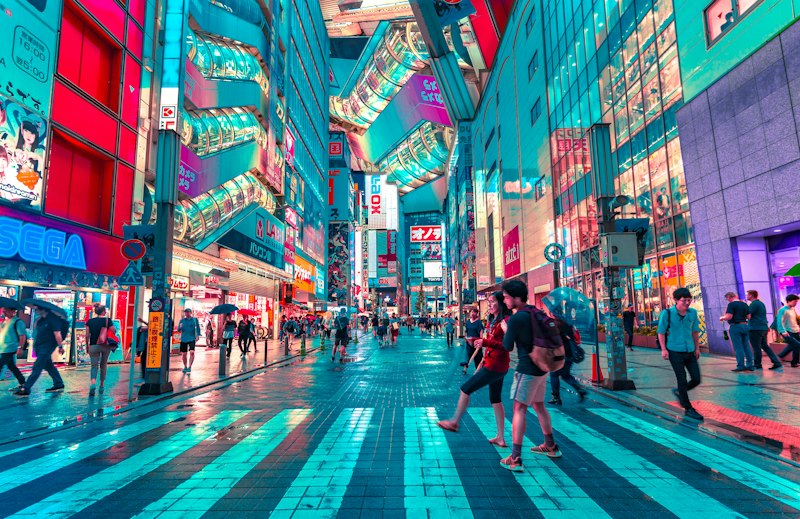
If you prefer to stay within the city limits after ringing the midnight bells, Tokyo offers several magnificent vantage points. Because the city is dense with skyscrapers, you need specific sightlines—either high above the city, or looking out over Tokyo Bay.
1. Jingu-bashi Bridge and Omotesando (Harajuku)
If you want to combine your sunrise viewing with an immediate visit to Tokyo’s most important shrine (Meiji Jingu), this is the optimal route. Omotesando is the broad, elegant, tree-lined avenue that leads directly up to the entrance of Meiji Jingu shrine. The street slopes gently upward toward the shrine. If you stand near Jingu-bashi Bridge (the bridge located right outside Harajuku Station, crossing the train tracks), you can look back down the length of Omotesando avenue facing east.
- The View: While you won't see an unobstructed horizon, watching the first light of the new year spill down the urban canyon of Omotesando, illuminating the city streets, is a uniquely "Tokyo" way to experience the tradition.
- The Strategy: Because this spot is essentially a public street/bridge, it is completely free and requires no tickets. Hundreds of people will gather here around 6:30 AM. Once the sun has risen and the crowd cheers, you can simply turn around, walk across Jingu-bashi, and join the massive procession into Meiji Jingu for your Hatsumode prayers.
- Access: Take the JR Yamanote Line to Harajuku Station (the Omotesando Exit), or the Tokyo Metro Chiyoda/Fukutoshin Line to Meiji-jingumae Station. The bridge is right outside the station doors.
2. Haneda Airport Terminal 2 Observation Deck
For an unobstructed view of the horizon without leaving the bounds of Tokyo, the airport is surprisingly one of the city's best-kept secrets. Haneda Airport sits on the edge of Tokyo Bay, and Terminal 2 faces perfectly east over the water.
- The View: The Terminal 2 Observation Deck offers a sprawling, panoramic view of the ocean, the runways, and the rising sun reflecting off Tokyo Bay. Watching airplanes take off against the backdrop of the first sunrise is incredibly cinematic.
- The Perks: The greatest advantage of Haneda Airport is the infrastructure. Waiting for the sunrise in January is brutally cold. At Haneda, you can wait inside the heated, 24-hour terminal areas, grab a hot coffee from a 24-hour convenience store or cafe, and only step out onto the freezing observation deck a few minutes before the sun breaches the horizon.
- Important Logistics: Haneda often adjusts the opening hours of its observation decks specifically for New Year’s Day to accommodate the crowds. It is imperative that you check the official Haneda Airport website in late December to confirm the exact opening time of the deck for January 1st.
- Access: Take the Tokyo Monorail from Hamamatsucho Station directly to Haneda Airport Terminal 2 Station, or the Keikyu Line from Shinagawa Station.
3. Tokyo Tower and Tokyo Skytree (Advance Booking Required)
The absolute highest vantage points in the city belong to Tokyo's two iconic broadcasting towers. Unsurprisingly, seeing the first sunrise from 250 to 450 meters in the air is fiercely popular.
- The Reality: You cannot simply show up to Tokyo Tower or Tokyo Skytree on the morning of January 1st. Both towers hold special, limited-capacity early morning viewing events.
- Ticketing: Tokyo Skytree usually runs a lottery system for its New Year's Day sunrise tickets starting in November, or sells fixed advance tickets that vanish in minutes. Tokyo Tower operates similarly. If your heart is set on this, you must aggressively monitor their official websites starting in late autumn. If you manage to secure a ticket, the view over the sprawling Kanto plain is unmatched.
- Access: Tokyo Skytree is located right at Tokyo Skytree Station (Tobu Skytree Line) or Oshiage Station (Hanzomon and Asakusa Lines). Tokyo Tower is a short walk from Akabanebashi Station (Toei Oedo Line) or Kamiyacho Station (Tokyo Metro Hibiya Line).
4. Kasai Rinkai Park (Edogawa Ward)
Located on the easternmost edge of Tokyo, right before the border with Chiba Prefecture, Kasai Rinkai Park is a massive public park sitting directly on Tokyo Bay.
- The View: The park features wide open promenades and a massive Ferris wheel (the Diamond and Flower Ferris Wheel). If you walk to the edge of the park facing the water, you have a completely unobstructed view of Tokyo Bay. If you look closely, you will be watching the sun rise directly over the spires of Tokyo Disneyland, which sits just across the water in Urayasu.
- The Vibe: Because it is a massive public park, it easily absorbs the crowds. It is a favorite spot for local families and amateur photographers. It is heavily exposed to the ocean winds, so extreme winter clothing is mandatory here.
- Access: Extremely easy. Take the JR Keiyo Line from Tokyo Station. The ride takes about 15 minutes, and you get off at Kasai-Rinkai Park Station. The park entrance is immediately outside the station.