ASOVENTURE · JAPAN LINENOW BOARDING · 9 LANGUAGES · TOKYO — OSAKA — SAPPORO — FUKUOKA
Local Japanese Knowledge

Standing Bar Culture Japan | Tachinomi Guide for Tourists

Standing Bar Culture Japan | Tachinomi Guide for Tourists

Checked against official sources and updated regularly by a JAPHIC-certified operator. About us →

⚡ Quick facts

Master Japan’s tachinomi (standing bar) culture. Real 2026 prices, hidden local spots in Tokyo, ordering etiquette, and how to avoid tourist traps.

  • 📂 Local Japanese Knowledge
  • 🔄 Updated 2026-11-07
  • #Tachinomi
  • #Tokyo Nightlife
  • #Budget Travel Japan

🔥 Keep Reading

USJ & Theme Parks

USJ Express Pass Complete Guide 2026 | Which Passes Are Worth Buying

Local Japanese Knowledge

Japan Depachika Guide | The Underground Food Halls No Tourist Knows About

📶

Get Your Japan eSIM Before You Go!

Connect to internet immediately on arrival · No airport SIM card needed

Compare eSIM →
📑 Contents

[Disclosure] This article contains affiliate links. We may earn a commission at no extra cost to you.
Standing Bar Culture Japan | Tachinomi Guide for Tourists

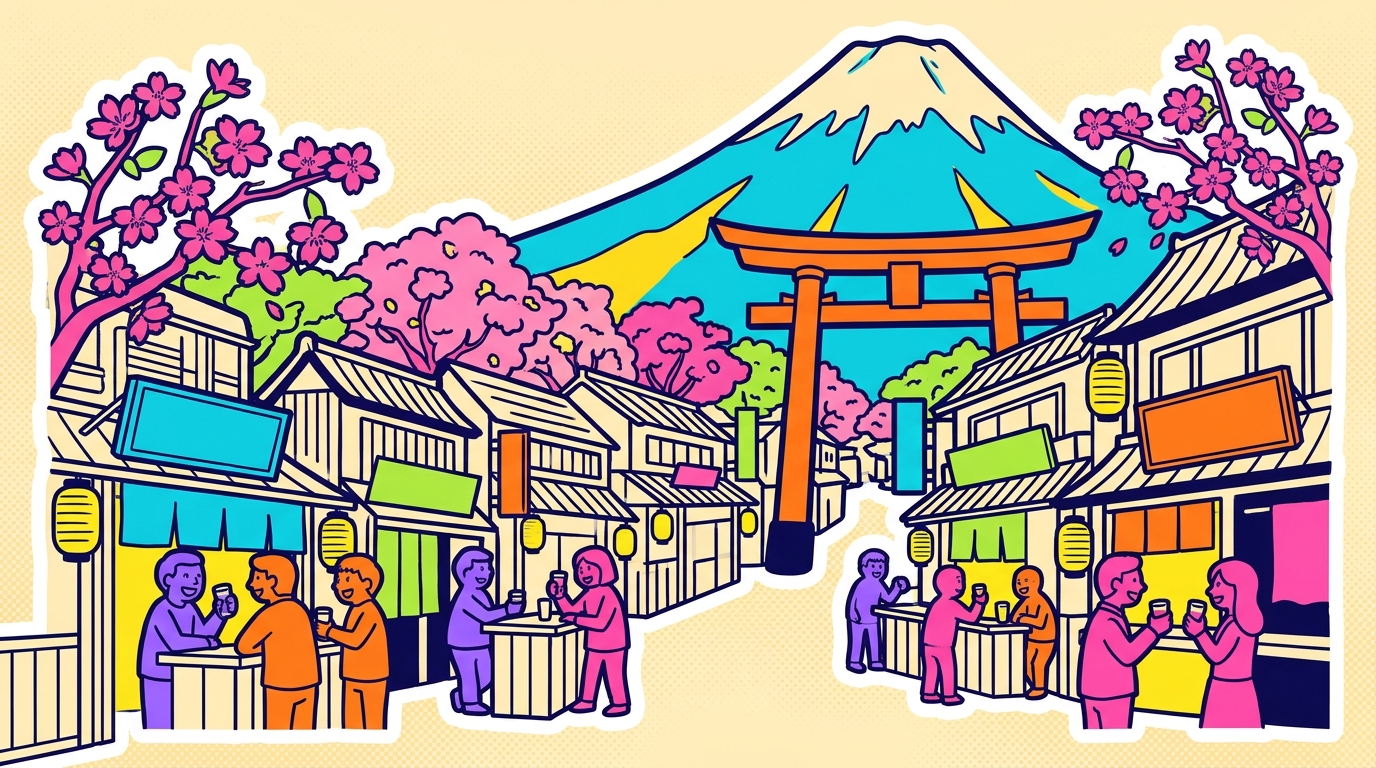
If you have ever wandered the neon-soaked alleys of Tokyo and felt too intimidated to slide open a frosted glass door, you are missing out on tachinomi. Tachinomi literally translates to "standing and drinking," and it is the beating heart of working-class Japanese nightlife. But why should you, a foreign visitor, care? Because in 2026, standing bars remain the cheapest, most authentic, and socially interactive way to experience Japan after dark. You will bypass the sanitized tourist traps, skip the hidden cover charges, and drink shoulder-to-shoulder with locals. In this guide, you will learn exactly how to navigate these often un-English-friendly spaces. We break down the unspoken etiquette, the specific "cash-on" delivery systems, and exact spots in Tokyo where you can get a draft beer and high-quality sashimi for under ¥1,000 without feeling like an intruder.

What You'll Get From This Guide

  • The reality of 2026 tachinomi pricing (the evolution of the "senbero")
  • Step-by-step instructions on the "cash-on" ordering system
  • Why heavily promoted drinking alleys are a rip-off, and where locals actually go
  • Specific bar recommendations with exact station exits, walking times, and menu prices
  • Cost comparisons proving exactly how much money you save standing up

The Tourist Illusion vs. The 2026 Tachinomi Reality

The biggest misconception tourists hold about standing bars is that they are gritty, smoke-filled hideouts exclusively for exhausted, middle-aged male salarymen. While those certainly still exist (and are glorious), the 2026 tachinomi landscape is heavily segmented.

Post-pandemic economic shifts and the rise of "neo-izakayas" have transformed standing culture. Today, you will find sleek natural wine tachinomi in Nakameguro packed with 20-somethings, and craft gin standing bars seamlessly integrated into high-end department stores.

Furthermore, you need to understand the concept of senbero. A portmanteau of sen (1,000) and bero-bero (drunk), it historically meant getting drunk for ¥1,000. Let’s be brutally honest: Due to inflation and the 2026 cost of living, a true ¥1,000 senbero is nearly extinct. Today, a "senbero" effectively costs ¥1,200 to ¥1,500 (~$8.00 to $10.00 USD). It is still incredibly cheap, but don't walk in expecting 2015 prices.

The Three Tiers of Standing Bars

To help you navigate, here is how the standing bar scene breaks down today:

Tachinomi Type Typical Vibe & Patrons Avg. Drink Price Best Tokyo Neighborhood English Friendly?
Old-School (Showa Era) Gritty, smoky, older salarymen, loud ¥250 - ¥400 (~$1.65 - $2.65) Shimbashi, Akabane, Ueno Very Low
Neo-Tachinomi Bright, neon signs, young crowds, trendy ¥500 - ¥800 (~$3.30 - $5.30) Shibuya, Koenji, Shimokitazawa Medium (QR Menus)
Kakuuchi Inside a retail liquor store, ultra-local ¥200 - ¥300 (~$1.30 - $2.00) Kuramae, Asakusa, local suburbs Low

How to Order: The "Cash-On" System Explained

If you walk into a traditional tachinomi, sit at a non-existent table, and wait for a waiter, you will be ignored.

The defining feature of classic standing bars is the Cash-On Delivery (COD) system. When you secure your spot at the counter, you will often notice a small wooden box (masu), a plastic tray, or a small bowl in front of you.

Here is the local protocol:

  1. Load the Tray: Put ¥2,000 or ¥3,000 in cash into the tray before you order.
  2. Order: Catch the bartender's eye and say your order (e.g., "Nama-biru hitotsu, onegaishimasu" - One draft beer, please).
  3. The Transaction: The bartender brings your drink, takes the exact change out of your little tray, and walks away.
  4. Top Up: When your tray runs out of coins, you either add more bills or you leave.

Note on 2026 payments: While Japan is heavily cashless now, old-school standing bars in Shimbashi and Akabane strictly prefer cash. Neo-tachinomi will usually use a QR code ordering system where you pay at the end via Suica or credit card. Always bring ¥100 and ¥500 coins just in case.

If you know you have a heavy night of drinking ahead, do as the locals do and hit a convenience store beforehand for a turmeric liver tonic. You can also stock up on Ukon no Chikara on Amazon Japan if you are staying long-term.

The Local Tip: Skip Omoide Yokocho
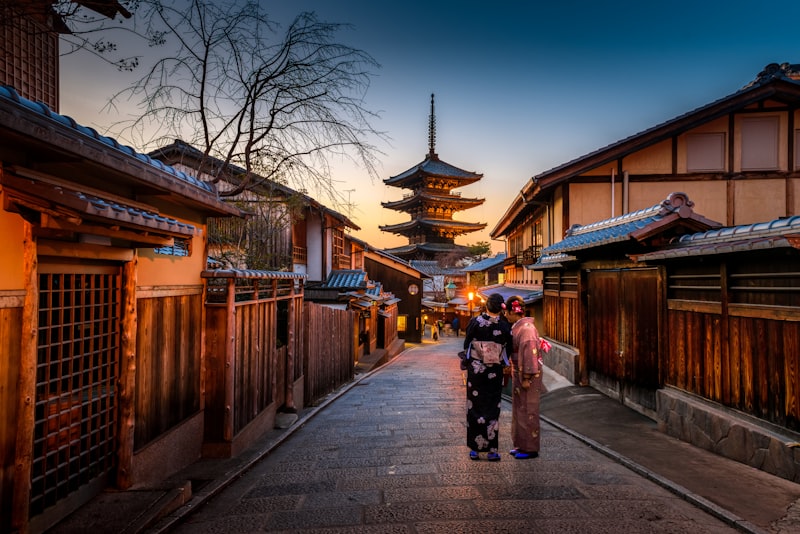
Travel brochures and Instagram reels will tell you to go to Shinjuku's "Omoide Yokocho" (Piss Alley) for an authentic local drinking experience. This is a massive tourist trap in 2026.

Omoide Yokocho now caters almost entirely to foreign tourists. Many stalls charge a mandatory otoshi (seating charge) of ¥500 to ¥800 (~$3.30 - $5.30 USD) per person, force you to buy minimum drink orders, and serve mediocre yakitori at inflated prices (¥300+ per skewer).

Where to go instead: If you want the real, gritty Tokyo salaryman experience, take the Yamanote Line to Shimbashi Station. Walk out the Karasumoriguchi Exit and head straight down into Shimbashi Station Building No. 1 (B1F). This underground labyrinth is packed with real tachinomi where skewers cost ¥120 and there are zero cover charges.

Top 3 Tachinomi Spots for Tourists in Tokyo

We have selected three specific locations that balance authentic atmosphere with approachability.

1. Tachinomi Ikoi (Akabane)

  • Location: 3-minute walk from Akabane Station (East Exit). 1-3-8 Akabane Minami, Kita-ku.
  • The Vibe: The undisputed king of the Tokyo senbero. It is loud, chaotic, and incredibly cheap. You stand outside around overturned beer crates.
  • Prices (2026): Highball: ¥250 ($1.65). Motsu-nikomi (tripe stew): ¥220 ($1.45).
  • System: Cash-on delivery. Bring coins.

2. Stand Baimen (Shibuya)

  • Location: B1F of Shibuya Parco (Chaos Kitchen area). 5-minute walk from Shibuya Station.
  • The Vibe: A perfect introduction for beginners. It is an ultra-modern neo-tachinomi focusing on craft gin and elevated small plates. Great place to grab a drink after catching the sunset; Book Shibuya Sky on Klook and walk right over for dinner.
  • Prices (2026): Craft Gin & Tonic: ¥900 ($6.00). Szechuan boiled dumplings: ¥550 ($3.65).
  • System: Order via QR code (English available), pay at the register.

3. Tachinomi Nemuro (Shimbashi)

  • Location: 1-minute walk from Shimbashi Station (Karasumoriguchi Exit).
  • The Vibe: Specializes in Hokkaido seafood. A fantastic place to get high-end sashimi at standing-bar prices. Packed with office workers by 6:00 PM.
  • Prices (2026): 3-piece sashimi assortment: ¥550 ($3.65). Crab cream croquette: ¥380 ($2.50). Draft Sapporo: ¥450 (~$3.00).
  • System: Order verbally, pay at the end.
Klook.com

Cost Breakdown: Standing Bar vs. Regular Izakaya

Why sacrifice the comfort of a chair? The math speaks for itself. Here is a real-world 2026 comparison of two people having a modest two drinks and two plates each.

Item / Charge Regular Izakaya (Shinjuku) Typical Tachinomi (Shimbashi)
Otoshi (Cover Charge) ¥500 x 2 (¥1,000) ¥0
Draft Beer (2 each) ¥600 x 4 (¥2,400) ¥400 x 4 (¥1,600)
Yakitori (4 skewers) ¥250 x 4 (¥1,000) ¥130 x 4 (¥520)
Edamame ¥400 ¥200
TOTAL (For Two) ¥4,800 (~$32.00 USD) ¥2,320 (~$15.50 USD)

You are literally paying half price just for the willingness to stand.

If you are planning your Japan itinerary and want to stay near the best local drinking spots, avoid staying in tourist-heavy Shinjuku. Look for accommodations in Ueno, Shimbashi, or Asakusa. Search best hotels in Japan on Booking.com or, for a more traditional stay slightly outside the chaos, Book traditional Japanese ryokan on Rakuten Travel Japan.

Frequently Asked Questions

Q: How much does a night out at a tachinomi cost in 2026?

A night out at a traditional standing bar will generally cost you between ¥1,500 and ¥2,500 (roughly $10.00 to $16.50 USD) per person. This estimate includes two to three alcoholic drinks—like draft beer, highballs, or lemon sours—and two to three small tapas-style dishes such as yakitori, potato salad, or sashimi. While the famous "senbero" (¥1,000 to get drunk) was common a decade ago, current inflation has pushed that baseline up to about ¥1,500. However, compared to standard seated izakayas where you might easily spend ¥4,000 to ¥5,000 per person, tachinomi remain the most budget-friendly drinking option in Japan by a wide margin.

Q: Is tachinomi culture safe for solo female travelers?

Yes, absolutely, but your experience will vary heavily depending on the neighborhood. Neo-tachinomi spots in Shibuya (like those in Parco B1F), Nakameguro, and Shimokitazawa are well-lit, trendy, and highly frequented by young Japanese women. These modern bars have a zero-tolerance policy for harassment and are incredibly welcoming to solo female travelers. Older, Showa-era spots in places like Shimbashi or Ueno are perfectly physically safe, but you may have to deal with loud, drunk older men trying to practice their English with you. If you want a comfortable, hassle-free solo drink, target modern "neo-izakayas" rather than under-the-train-track dives.

Q: Do I need to speak Japanese to order at a standing bar?

You do not need to be fluent, but a few basic phrases will make a massive difference. Because traditional tachinomi are loud and fast-paced, pointing and saying "Kore onegaishimasu" (This, please) works perfectly. In 2026, many older standing bars still do not have English menus, so having Google Translate's camera feature ready is essential. Furthermore, newer neo-tachinomi increasingly use QR codes that you scan with your phone, which automatically translate the entire menu into English, allowing you to order and even pay without speaking a single word of Japanese to the staff.

Q: Do standing bars charge an "Otoshi" (table charge)?

No, and this is one of the primary financial benefits of choosing a tachinomi. Standard izakayas in Japan almost universally charge an otoshi—a mandatory seating fee that usually costs between ¥300 and ¥600 per person, for which you are given a small appetizer you didn't ask for. Because standing bars have no seats and prioritize rapid customer turnover, they universally skip the otoshi. What you see on the menu is exactly what you pay. If a place claims to be a standing bar but tries to charge you a seating fee, you have walked into a tourist trap.

Q: How long is it polite to stay at a Japanese standing bar?

The golden rule of tachinomi is quick turnover. The Japanese phrase chotto ippai (just a quick drink) defines this culture. It is considered polite to stay for 45 to 60 minutes maximum. You grab a spot, have two drinks, eat a few skewers, and move on to the next location (a practice known as hashigo-zake, or bar-hopping). Standing bars run on razor-thin profit margins and rely on volume to survive. Nursing a single ¥300 highball for two hours while taking up valuable counter space is highly frowned upon and is a quick way to frustrate the bar staff and local regulars.

Bottom Line

Tachinomi culture is the undisputed champion of Japanese budget nightlife. It strips away the formalities, the hidden cover charges, and the tourist-focused sanitization of standard izakayas, offering an unfiltered look at how local Japanese people unwind. However, this is not for everyone. If you have mobility issues, bad knees, are traveling in a group larger than four people, or are looking for a romantic, intimate date night, standing bars will be a miserable experience. But if you are a solo traveler or a couple willing to endure a little noise, shoulder-bumping, and Google-translating a handwritten menu, a night out in Akabane or Shimbashi will be the highlight of your Japan trip.


📝 この記事について

監修・運営: Futuristic Imagination LLC
専門分野: 日本旅行・インバウンド
AI技術と専門家の知見を組み合わせ、信頼性の高い情報をお届けします。


🗺️

Explore Tokyo

Find tours, activities & experiences in Tokyo

Explore Activities →

🏨 Need a place to stay in Tokyo? Check Klook →

Klook.com
Klook.com

📚 Recommended Guides

USJ & Theme Parks

USJ Express Pass Complete Guide 2026 | Which Passes Are Worth Buying

Local Japanese Knowledge

Japan Depachika Guide | The Underground Food Halls No Tourist Knows About

Local Japanese Knowledge

Japanese Morning Routine | Kissaten Breakfast Culture & Mocha Coffee

Disclosure: This article contains affiliate links. We may earn a commission at no extra cost to you.