[Disclosure] This article contains affiliate links. We may earn a commission at no extra cost to you.
Japan beckons with its blend of ancient traditions and futuristic cities, and for the 60+ traveler, 2026 presents a unique opportunity to explore this captivating nation. However, beyond the glossy travel brochures, a genuinely accessible trip requires granular planning and an understanding of Japan's specific infrastructure. This guide is your no-nonsense resource for navigating Japan with mobility and comfort in mind, ensuring your dream trip isn't derailed by unexpected stairs or inaccessible routes. We'll cut through the generalities to provide concrete, actionable advice for a smooth and enjoyable journey tailored for the discerning senior traveler.
What is senior travel in Japan? It's about empowering older adults to experience Japan fully, adapting to their physical needs without compromising cultural immersion. Why should you care? Because a well-planned, accessible itinerary transforms potential stress into pure delight. You'll learn the truth about public transport, discover genuinely accessible accommodations, pinpoint specific sights suitable for varying mobility levels, and uncover essential pre-departure strategies for a seamless 2026 adventure.
What You'll Get From This Guide
- Honest 2026 Accessibility Insights: Real-world details on what to expect, from modern conveniences to overlooked challenges.
- Specific Transport Strategies: How to navigate trains, subways, and taxis with ease, including station-specific tips.
- Vetted Accommodation Recommendations: Hotels and ryokans with confirmed accessible features, complete with price ranges.
- Accessible Itinerary Planning: Discover sights in Tokyo and Kyoto that are genuinely senior-friendly, avoiding tourist traps that require strenuous effort.
- Essential Pre-Trip Checklist: From packing advice to medical preparedness, ensure you're ready for anything.
- Real Costs & Local Tips: Actual 2026 prices (¥/USD) and insider advice often missed by generic guides.
Japan's Accessibility Realities for Senior Travelers in 2026
Japan has made significant strides in accessibility, especially since the 2020 Tokyo Olympics. Major urban centers like Tokyo, Kyoto, and Osaka boast impressive infrastructure in many areas. However, universal accessibility, as understood in some Western countries, is not yet a reality. One common mistake tourists make is assuming that because Japan is modern, everything will be perfectly accessible. While major train stations are often well-equipped with elevators and ramps, older stations, historic temples, and even some pedestrian areas can present challenges.
For 2026, expect a dual landscape: brand-new, purpose-built facilities like Tokyo Skytree or the latest Shinkansen trains offer excellent accessibility. Contrast this with historic sites, many of which are designated UNESCO World Heritage sites, where modifications are limited to preserve their original structure. This means prioritizing your destinations and knowing exactly what to expect at each.
A local tip often overlooked is that Japanese staff, while incredibly polite and helpful, may not always be proactive in offering assistance unless explicitly asked, or if there's a clear indication of need (like a wheelchair). Don't hesitate to politely ask for help at ticket gates, train platforms, or hotel lobbies – a simple "Sumimasen, tetsudatte kuremasen ka?" (Excuse me, could you help me?) goes a long way.
Mastering Public Transport: Trains, Subways, and Taxis
Public transport is the backbone of travel in Japan, and for senior travelers, understanding its nuances is critical. The efficiency is legendary, but accessibility varies. We'll use an approximate exchange rate of ~¥155 = $1 USD for 2026 price conversions.
Shinkansen and JR Lines: Your Accessible Main Artery
The Shinkansen (bullet train) is generally excellent for accessibility. All trains have accessible carriages with wider seats and spaces for wheelchairs. You must book these seats in advance, either online via the JR East, JR Central, or JR West websites, or at a "Midori no Madoguchi" (ticket office) at major JR stations.
- Tokyo Station (Marunouchi Exit): Has numerous elevators and escalators leading to all Shinkansen platforms and connecting JR lines. Look for the "Barrier-Free Route" signs (緑の窓口) for dedicated accessible paths. JR staff are usually present to assist with boarding/disembarking the Shinkansen, including providing a ramp if needed.
- Kyoto Station: Similar to Tokyo, Kyoto Station is a modern hub with good accessibility. From the Hachijo Exit, direct access to Shinkansen platforms and several accessible hotels (e.g., Hotel Granvia Kyoto) is straightforward via elevators.
Example Fare (2026 estimate): Tokyo (Shinagawa Station) to Kyoto Station via Nozomi Shinkansen:
- Ordinary Car (reserved seat): ¥14,400 / ~$93 USD
- Accessible seat: Same as ordinary car, but requires specific booking.
Subway and Private Lines: Variable Accessibility
This is where planning truly matters. Tokyo's subway network is vast, but not all stations are created equal.
- Tokyo Metro and Toei Subway: Newer lines and stations (e.g., Toei Oedo Line, Tokyo Metro Fukutoshin Line) were designed with accessibility in mind, featuring elevators to all platforms and accessible restrooms. Older lines (e.g., Tokyo Metro Ginza Line, Marunouchi Line) often have fewer elevators, relying more on escalators or even stairs at certain exits. Always check station maps (available online and at stations) for elevator locations. Apps like "Japan Transit Planner" (Jorudan) or "Navitime Japan Travel" can filter for accessible routes.
- Osaka Metro: Generally good accessibility in major stations like Umeda, Namba, and Shin-Osaka, but again, older lines might have challenges.
Buses and Taxis: Local Heroes
- Buses: In major cities, many city buses are "non-step" buses, meaning they have a low floor and a ramp for wheelchair access. Look for the wheelchair symbol. However, they can be crowded, and navigating luggage can be difficult. Fares typically ¥230 / ~$1.50 USD per ride.
- Taxis: Readily available, but accessible taxis (Jumbo taxi, specific welfare taxis) are fewer. Booking through apps like "GO Taxi" or "DiDi" is recommended, specifying "wheelchair accessible" if needed. A standard taxi from Tokyo Station to Shinjuku Station might cost ¥2,500-¥3,500 /
$16-$23 USD, plus a surcharge for accessible vehicles.
| Tokyo Subway Line Accessibility (2026) | Elevator Access (Major Stations) | Key Accessible Stations (Examples) | Typical Challenges |
|---|---|---|---|
| Toei Oedo Line | Excellent (most stations) | Shinjuku, Roppongi, Tsukiji Shijo | Can be very deep underground, long walks to platforms |
| Tokyo Metro Fukutoshin Line | Excellent (most stations) | Shibuya, Shinjuku-sanchome, Ikebukuro | Limited coverage, less central stops for some attractions |
| Tokyo Metro Marunouchi Line | Good (major stations) | Tokyo, Shinjuku, Ginza | Some older stations (e.g., Hongo-sanchome) may require short stair use for certain exits |
| Tokyo Metro Ginza Line | Moderate (improving) | Ueno, Ginza, Shibuya (new station) | Oldest line, many stations still have limited elevator access to street level or transfers |
Finding Your Accessible Oasis: Hotels and Ryokans
Securing genuinely accessible accommodation requires diligence. Don't rely solely on a "wheelchair friendly" filter – often this only means ramp access at the entrance, not a roll-in shower or grab bars in the bathroom.
Hotel Chains vs. Ryokans: What to Look For
- Modern Hotel Chains: Generally your safest bet. Look for international brands like Hilton, Marriott, Hyatt, or major Japanese chains like Prince Hotels, Imperial Hotel, or JR Hotel Group. They often have dedicated "accessible rooms" or "universal rooms" with features like wider doorways (80cm+), roll-in showers, grab bars, and lower counters. Always call the hotel directly after booking to confirm specific accessible features and ensure they meet your needs.
- Recommendation:
- JR Kyushu Hotel Blossom Shinjuku (Tokyo): Located a 3-minute walk from Shinjuku Station's South Exit. Features several accessible rooms (universal design) with roll-in showers, grab bars, and ample space. Expected 2026 price: ¥25,000-¥40,000 / ~$160-$260 USD per night.
- Hotel Granvia Kyoto (Kyoto): Directly connected to Kyoto Station. Offers well-appointed accessible rooms. Excellent for convenient Shinkansen access. Expected 2026 price: ¥30,000-¥50,000 / ~$195-$325 USD per night.
- Recommendation:
- Budget Options: Look for brands like APA Hotel or Dormy Inn. While they may have some accessible features, specific accessible rooms are fewer and might only offer an accessible toilet, not a fully roll-in shower. Verify directly. Expected 2026 price: ¥12,000-¥25,000 / ~$78-$160 USD per night.
The Ryokan Reality Check: Traditional vs. Accessible
What tourists commonly get wrong: Many dream of a traditional ryokan stay, assuming it's a serene, universally welcoming experience. The reality is that traditional ryokans, with their tatami mat rooms, futon bedding on the floor, and communal onsen (hot spring baths) with steps, are generally NOT suitable for travelers with significant mobility issues.
- Local Tip: For an authentic feel with modern accessibility, seek out "barrier-free ryokans" or "universal design ryokans." These are often newer establishments or older ones that have undergone significant renovations. They will feature Western-style beds, private accessible bathrooms, and private onsen that are easier to enter.
- Recommendation: Hoshino Resorts KAI brand (various locations). Their properties are known for thoughtful design, and some (e.g., KAI Atami, KAI Hakone) offer specific barrier-free rooms with accessible private baths. These are luxury experiences, with 2026 prices from ¥60,000 / ~$390 USD per person per night, including meals.
Accessible Sightseeing: Kyoto's Temples to Tokyo's Towers
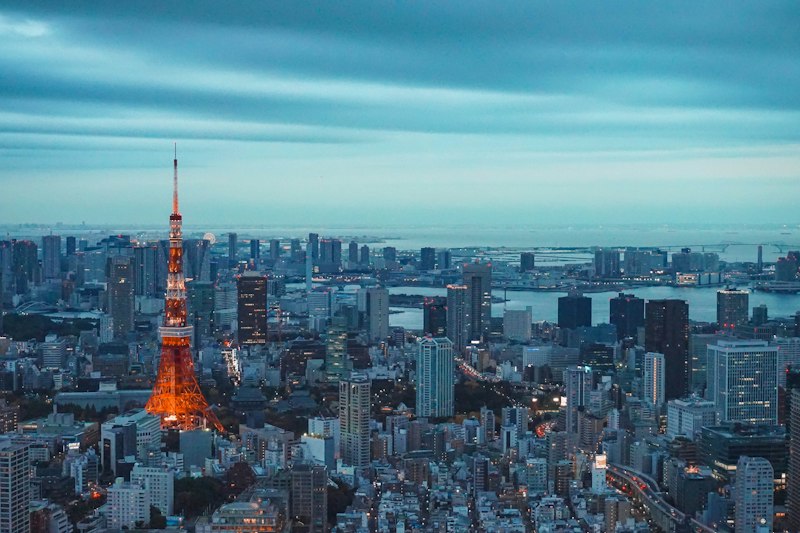
Japan's iconic sights can be enjoyed even with mobility constraints, but selection is key. What's overrated for senior travelers with mobility issues? Trying to "do it all" at sites known for their vastness or numerous stairs, like the full ascent of Fushimi Inari Taisha in Kyoto. While the main entrance and lower levels are accessible, reaching the upper shrines requires substantial walking and climbing.
Kyoto's Temples: Strategic Visits
- Fushimi Inari Taisha: The iconic torii gate path. The main approach, including the impressive Romon Gate and the first few hundred meters of torii gates, is relatively flat and paved. You can experience the famous photo opportunities without climbing far. Beyond the first two major shrines, the path becomes increasingly steep with numerous steps. Focus on the lower sections.
- Kiyomizu-dera: The main hall, including the famous wooden stage, is accessible via a gentle slope and an elevator at the entrance. The approach road (Kiyomizu-zaka) is a bustling uphill walk, which can be challenging. Consider taking a taxi directly to the temple's accessible entrance (near the parking lot) to avoid the climb.
- Kinkaku-ji (Golden Pavilion): Excellent accessibility. The path around the pavilion is flat and paved, offering stunning views from various angles. Wheelchair accessible restrooms are available. Entry fee: ¥500 / ~$3.25 USD (2026 estimate).
Tokyo's Best Bets: Modern and Manageable
- Tokyo National Museum (Ueno Park): Ueno Park itself is vast but largely flat, making it a great area for a stroll. The Tokyo National Museum offers excellent accessibility with ramps, elevators, and accessible restrooms. A truly enriching cultural experience without physical strain. Entry fee: ¥1,200 / ~$8 USD (2026 estimate).
- Tokyo Skytree: Superbly accessible. Elevators swiftly transport visitors to the observation decks (Tembo Deck at 350m and Tembo Galleria at 450m). Wide spaces, accessible restrooms, and incredible panoramic views. A designated barrier-free route leads from Oshiage Station (Skytree) directly to the entrance. Entry fee: ¥3,100-¥4,200 / ~$20-$27 USD depending on deck/day (2026 estimate).
- Ginza & Nihonbashi: Upscale shopping districts with wide, flat sidewalks. Department stores (e.g., Mitsukoshi Ginza, Takashimaya Nihonbashi) offer pristine accessibility, including elevators, accessible restrooms, and often staff assistance. Perfect for leisurely browsing and high-end dining.