[PR] This article contains affiliate links.
If you are traveling to Japan in 2026, you will quickly notice a fascinating juxtaposition on the streets of Harajuku, Shibuya, and Akihabara. Amidst the sea of locals carrying the latest high-end smartphones and mirrorless professional camera rigs, there is a massive subculture of youth clicking away on tiny, pastel-colored, low-resolution plastic digital cameras. This is the heart of Japan's current Y2K aesthetic revival, driven by the concept of emoi—a slang term derived from "emotional," used to describe something deeply nostalgic, sentimental, or delightfully retro.
At the very pinnacle of this trend is the ultimate Japanese souvenir: the officially licensed Sanrio retro toy digital camera.
These pocket-sized devices blend the beloved, globally recognized character designs of Japan's premier kawaii lifestyle brand with early-2000s digital imaging technology. The result? Hazy, low-contrast, heavily vignetted photographs with a watercolor-like softness and an unmistakable time-stamp aesthetic. Whether you are hunting for a brand-new 2026 reproduction engineered by Japanese camera makers like Kenko Tokina or digging through dusty thrift store bins in the Tokyo suburbs for an authentic 2005 release, securing one of these cameras is an adventure in itself.
This exhaustive guide covers everything you need to know about buying, operating, styling, and bringing home a Sanrio retro toy digital camera from Japan.
The Y2K "Emoi" Revolution: Why Toy Digital Cameras Rule Japan in 2026
To understand why these cameras are routinely selling out in major electronics stores across Tokyo, you have to look at the cultural shift among Gen Z and Millennials in Japan. Modern smartphone cameras have become almost too perfect. Their computational photography automatically brightens shadows, sharpens edges, and removes the atmospheric haze of real life. For a generation craving authenticity and a tactile connection to the past, this hyper-reality is exhausting.
The Intersection of Kawaii Culture and Lo-Fi Tech
Enter the toy digital camera. By deliberately utilizing tiny CMOS sensors (often ranging from a mere 1.3 to 3.0 megapixels) and cheap plastic lenses, these cameras artificially replicate the organic flaws of vintage film. They struggle in low light. Their color reproduction is wildly inaccurate, often leaning heavily into cool magentas or warm, washed-out yellows. And that is exactly the point. The images look like faded memories the second you snap them.
When you wrap this low-fidelity technology in the casing of an iconic Japanese character, the appeal skyrockets. You are no longer just holding a camera; you are holding a piece of interactive fashion. A camera shaped like a minimalist white cat with a bright red bow on her left ear, or a floppy-eared, cafe-dwelling white puppy, instantly signals to the world that you are participating in both the global Y2K tech revival and traditional Japanese kawaii culture. It pairs perfectly with other nostalgic tech hobbies, such as those detailed in our Japanese Retro Feature Phone (Galapagos Keitai) Collector Guide 2026 | Where to Buy Used Gara-kei in Akihabara.
Understanding the Sanrio Toy Camera Landscape in 2026
Before you set out on your shopping expedition, you need to understand exactly what you are looking to buy. The market is split into two distinct categories: new contemporary releases and authentic vintage devices.
1. New Releases (The Kenko Tokina Pieni Series & Similar Models)
According to official press releases from Japanese optical manufacturer Kenko Tokina, their lineup of ultra-compact toy digital cameras has been specifically engineered to combine a retro feel with modern usability. These officially licensed Sanrio collaborations are incredibly small—often no larger than a matchbox or a large coin.
Key Features of 2026 New Releases:
- Aesthetics: Pastel resin bodies featuring screen-printed character art or entirely custom-molded silicone shells shaped like the heads of famous characters (such as the mischievous pink-skulled rabbit or the golden retriever in a brown beret).
- Sensor Specs: Typically a 1.3 to 2.0-megapixel CMOS sensor.
- File Formats: JPEG for images, MJPEG (AVI) for video (usually without audio or with extremely muffled, lo-fi audio).
- Storage: MicroSD / MicroSDHC (usually supporting up to 16GB or 32GB).
- Power: Built-in lithium-ion batteries that charge via USB-C (a welcome 2026 standard update from the older mini-USB models).
- Price Range: 4,500 JPY to 7,000 JPY brand new.
These cameras intentionally lack a digital viewfinder screen. Instead, you look through a tiny, inaccurate optical plastic square to frame your shot, meaning you never truly know how the picture turned out until you upload the files to a computer or phone. This element of surprise mimics the delayed gratification of developing traditional film.
2. True Vintage (The 2000s Digicam Hunt)
For hardcore collectors, new reproductions are not enough. They want authentic, early-2000s digital cameras that were manufactured by brands like Casio, Fujifilm, or generic Japanese toy companies during the original Y2K era, featuring elaborate Sanrio branding.
Key Features of Vintage Digicams:
- Aesthetics: Chunky, metallic, or translucent plastic bodies, often adorned with original 2005-era character artwork. Some models flip open; others slide.
- Sensor Specs: 2.0 to 5.0 megapixels, usually utilizing older CCD sensors which render colors differently (often with a highly sought-after film-like grain) compared to modern CMOS sensors.
- Storage: Older SD cards (often capped at 2GB, meaning modern SDXC cards will not work) or even obscure formats like xD-Picture Cards or Memory Sticks.
- Power: Typically AA or AAA batteries, or proprietary lithium-ion batteries that may need replacing.
- Price Range: Highly volatile. A junk-bin find might cost 1,500 JPY, while a pristine, boxed 2006 character-branded Exilim or FinePix can fetch anywhere from 15,000 JPY to 40,000 JPY due to the immense current demand.
The 10 Best Stores to Buy Sanrio Retro Toy Cameras in Japan
Navigating Japan’s retail landscape can be overwhelming. To help you find your perfect Y2K souvenir, we have curated a list of the ten best physical stores in the greater Tokyo area (with some options branching out to accessible suburbs). These locations offer the best mix of brand-new inventory and thrilling secondhand treasure hunts.
1. Yodobashi Camera Multimedia Akiba (New Releases)
For brand-new, officially licensed Sanrio digital toy cameras, your first stop should be the electronics behemoths. Yodobashi Camera in Akihabara is quite arguably the largest electronics store in the world.
The Experience: Head straight to the camera department on the 3rd floor (though floor layouts occasionally shift, the camera floor is always heavily advertised). Look for the "Toy Camera" (トイカメラ) or "Instax/Cheki" (チェキ) sections. You will find pegs lined with the latest Kenko Tokina Sanrio models. Because they stock deep inventory, this is the most reliable place to find the specific character you want, whether it’s the lazy yellow egg character or the classic bow-wearing white cat.
Location & Access: A massive complex located just a 1-minute walk from the JR Akihabara Station Showa-dori Exit. It is impossible to miss. If you are staying in the area, check out our guide to the Best Hotels Near Akihabara 2026 | Value Location Convenience to base yourself near the tech action, and read up on the Best Restaurants in Akihabara 2026 | Must-Try After Anime Shopping for a post-shopping meal.
2. Sanrio World Ginza (New Releases & Exclusive Merch)
If you want the absolute zenith of the character lifestyle experience, skip the electronics stores and head to the flagship character store. Sanrio World Ginza boasts the largest selection of official merchandise in the world across its two floors.
The Experience: While they primarily sell plushies, stationery, and apparel, they frequently stock the latest tech collaborations, including digital toy cameras, instant cameras, and phone accessories. The added benefit of buying here is that you can immediately purchase matching lanyards, carrying pouches, and sticker sheets to customize your new camera. The inventory here leans heavily toward premium, gift-ready packaging.
Location & Access: Located inside the Nishi-Ginza Department Store. It is a 3-minute walk from the Tokyo Metro Ginza Station, via Exit C4.
3. Book Off Super Bazaar Machida Chuo-dori (The Vintage Hunt)
For tourists willing to step slightly off the beaten path, Machida (a bustling suburb on the border of Tokyo and Kanagawa) offers an unparalleled secondhand shopping experience without the aggressive tourist markups found in Akihabara.
The Experience: Book Off "Super Bazaar" locations are massive, multi-story thrift department stores. Head to the "Digital Home Appliances" (デジタル家電) section. Here, you will find glass cases filled with carefully inspected used digital cameras from the 2000s, often including rare character-branded limited editions.
More importantly, check the "Junk" (ジャンク) bins. In Japan, "junk" does not necessarily mean broken; it often just means untested or missing a charger. Armed with your smartphone and Google Translate, you might find an authentic 2006 Sanrio CCD digital camera for 2,000 JPY sitting in a blue plastic crate.
Location & Access: A 10-minute walk down the lively Chuo-dori shopping street from JR Machida Station or Odakyu Machida Station. Just swipe your transit card and enjoy the ride. Speaking of which, ensure you have the right card by checking our guide on What is the Best IC Card for Tourists in Japan 2026? | Suica vs Pasmo vs ICOCA.
4. Hard Off Hachioji Owada (The Ultimate Tech Thrift Mecca)
If you are a serious Y2K tech collector and want the largest selection of retro electronics in the Kanto region, you must make the pilgrimage to the Hard Off Hachioji Owada Eco Town.
The Experience: Hard Off specializes purely in hardware. This specific location in Hachioji is legendary among Japanese retro tech YouTubers and collectors. The camera section is astonishingly vast. You will find aisles dedicated exclusively to early 2000s compact digital cameras. The likelihood of spotting a vintage character-branded digicam here is significantly higher than in central Tokyo. They rigorously grade their items, so if a camera is in a glass case, it is guaranteed to work. It’s easy to spend 4 to 5 hours just browsing the tech here, so make sure to stay hydrated—read up on Can You Drink Tap Water in Japan? | City by City Guide 2026 to prepare for your suburban trek.
Location & Access: Take the JR Chuo Line to Hachioji Station (about 45 minutes from Shinjuku). From Hachioji Station North Exit, take the local Keio Bus bound for "Owada" and get off at the "Owada 2-chome" stop. It is a massive warehouse complex impossible to miss.
5. Don Quijote Shinjuku Kabukicho (Late Night New Releases)
Sometimes, the urge to buy a cute toy camera strikes at 2:00 AM after a night of karaoke. Don Quijote (affectionately known as "Donki") is Japan’s premier discount variety store, and this specific flagship location is a 24-hour neon-lit labyrinth of consumer goods.
The Experience: Navigate through the chaotic aisles of snacks, cosmetics, and cosplay gear to the electronics and character goods floors. Donki heavily stocks youth-oriented trends, meaning they frequently carry the new Kenko Tokina Pieni toy cameras alongside Fujifilm Instax gear. The prices here are often slightly discounted compared to official character stores, and they offer tax-free shopping for tourists at all hours.
Location & Access: A 5-minute walk from the JR Shinjuku Station East Exit, located right at the entrance of the famous Kabukicho entertainment district. Look for the massive yellow and black penguin mascot on the building.
6. Kiddy Land Harajuku (New Releases & Culture)
If you want to experience the epicenter of Japanese kawaii culture, Kiddy Land in Harajuku is mandatory. While primarily a toy store, it is highly attuned to the tastes of trendy teenagers and tourists alike.
The Experience: Kiddy Land features multiple floors dedicated to different character franchises, with Sanrio usually dominating a significant portion of a floor. Their selection of toy digital cameras is usually positioned near the register as high-demand impulse buys. Because it caters directly to the Harajuku demographic that popularized the Y2K aesthetic, the staff are experts at keeping the most popular character designs in stock.
Location & Access: A 3-minute walk from Tokyo Metro Meiji-Jingumae Station, or a 7-minute walk down Omotesando from JR Harajuku Station.
7. Janpara Akihabara Main Store (High-End Used Tech)
If you are looking for used Y2K tech but are too intimidated by the dusty "junk" bins of Hard Off, Janpara offers a cleaner, more curated secondhand experience.
The Experience: Janpara specializes in used smartphones, tablets, and digital cameras. Their inventory is meticulously cataloged, cleaned, and tested. While they focus heavily on modern mirrorless cameras, their "compact digital camera" (コンデジ) section has exploded in size to accommodate the 2026 Y2K trend. You will frequently spot rare early 2000s character-themed tech here in pristine condition, though you will pay a premium for the quality assurance.
Location & Access: Located on Chuo-dori (the main street of Akihabara), about a 5-minute walk from JR Akihabara Station Electric Town Exit.
8. Bic Camera Shibuya East Exit (New Releases)
Shibuya is the fashion capital of Tokyo, making it ground zero for spotting teenagers actively using their toy cameras in the wild. Bic Camera is Yodobashi’s main rival and offers a nearly identical, exhaustive selection of new electronics.
The Experience: Head to the camera floor. Because Shibuya Parco (housing the Nintendo Store and Pokémon Center) is nearby, the tourist traffic here is intense. Consequently, they stock heavy volumes of character goods, including the latest Sanrio toy digital cameras. The staff are highly accustomed to helping foreign tourists, making the tax-free checkout process incredibly smooth. If you are in the area visiting Shibuya Parco, you might also want to check out our Animal Crossing Gachapon Guide for Nintendo Tokyo & Osaka for cute capsule toys to accessorize your camera strap.
Location & Access: Directly outside the JR Shibuya Station East Exit, a 1-minute walk. You cannot miss the massive electronic billboards.
9. Village Vanguard Shimokitazawa (Alternative/Subculture Finds)
Shimokitazawa is Tokyo’s bohemian, thrift-store capital. Village Vanguard describes itself as an "exciting bookstore," but it is truly a labyrinth of subculture merchandise, novelty goods, and alt-fashion accessories.
The Experience: Village Vanguard heavily leans into the emoi retro aesthetic. Their stores are densely packed, featuring handwritten yellow signage with passionate, quirky product descriptions. Among the shelves of vintage band tees and strange snacks, you will often find dedicated end-caps featuring toy digital cameras, analog film, and retro character merchandise. They carry both new official releases and obscure third-party retro-style cameras.
Location & Access: A 3-minute walk from the Shimokitazawa Station (Odakyu or Keio Inokashira lines) South-West Exit.
10. Tokyu Hands (Hands) Shinjuku (Lifestyle & Crafting)
Recently rebranded simply to "Hands," this massive lifestyle department store is an incredible place to not only buy your camera but everything you need to customize it.
The Experience: Hands is famous for its stationery, crafting, and travel goods. However, they feature a superb lifestyle tech section. You will find modern toy digital cameras neatly displayed alongside instant printers and photo albums. The real draw of buying here is that you can immediately ride the escalator up to the crafting floors to buy stickers, rhinestones, and lanyards to personalize your new device.
Location & Access: Located inside the Takashimaya Times Square complex. A 2-minute walk from the JR Shinjuku Station New South Exit.
Decorating Your Toy Camera: The Oshikatsu Approach
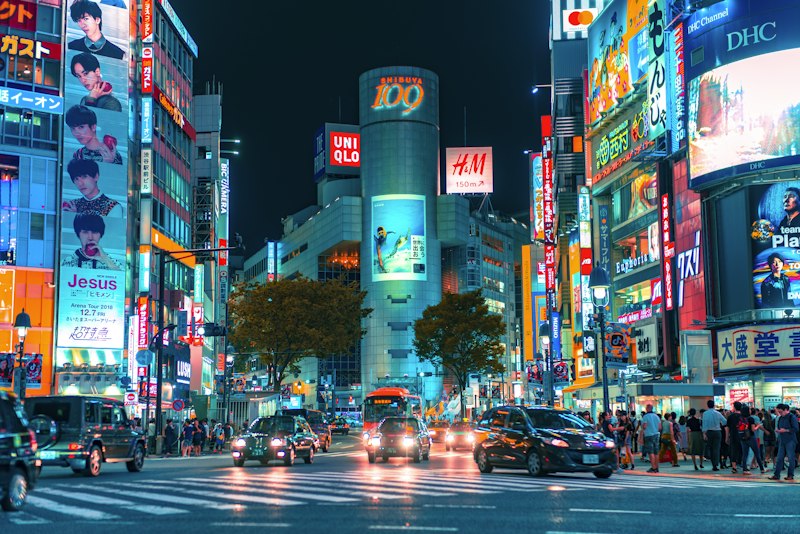
In 2026 Japan, leaving your tech bare is considered a missed opportunity for self-expression. The culture of oshikatsu—the act of enthusiastically supporting your favorite idol, anime character, or mascot—has heavily influenced how people treat their digital cameras.
Once you purchase your Sanrio toy camera, the next step is customization. The Y2K aesthetic demands excess. You will want to adorn the lanyard loop with heavy, beaded wrist straps (often spelling out names in colorful acrylic beads). You can buy metallic deco stickers, rhinestone sheets, and acrylic charm attachments.
For the absolute best and most budget-friendly customization tools, 100-yen shops are your best friend. For a deep dive into where to find these specific crafting materials, consult our Daiso & Seria Oshikatsu Supplies Guide 2026 | 100 Yen Shop Acrylic Stand Cases, Uchiwa Kits & Deco Stickers. By combining a high-quality officially licensed camera with a few hundred yen worth of elaborate decorations, you create a 1-of-1 souvenir that screams authentic modern Harajuku street style.