ASOVENTURE · JAPAN LINENOW BOARDING · 9 LANGUAGES · TOKYO — OSAKA — SAPPORO — FUKUOKA
Events

Osaka Festival of Lights 2026: Complete Winter Illumination Guide

Osaka Festival of Lights 2026: Complete Winter Illumination Guide

Checked against official sources and updated regularly by a JAPHIC-certified operator. About us →

⚡ Quick facts

Master the Osaka Hikari no Kyoen 2026 with our complete guide to the Midosuji Illumination and OSAKA Hikari Renaissance. Discover dates, routes, and best viewing spots.

  • 📂 Events
  • 🔄 Updated 2026-10-30
  • #Osaka
  • #Winter Illuminations
  • #Festival of Lights
📅

Got your dates locked in?

Now that this event is on your calendar, here's the order to book everything else for your Japan trip.

See the full trip planning checklist →

🔥 Keep Reading

USJ & Theme Parks

USJ Express Pass Complete Guide 2026 | Which Passes Are Worth Buying

Events

Ultimate Guide to PERSONA Memoria Exhibition Japan 2026-2027

📶

Get Your Japan eSIM Before You Go!

Connect to internet immediately on arrival · No airport SIM card needed

Compare eSIM →
📑 Contents

[PR] This article contains affiliate links.

When the crisp winter air descends on the Kansai region, the city of Osaka transforms into a sprawling, glittering canvas of light. Officially announced on September 24, 2026, the Osaka Hikari no Kyoen 2026 (Osaka Festival of Lights 2026) returns to reclaim its throne as western Japan’s most spectacular winter illumination event.

For inbound tourists, navigating Japan’s myriad winter festivals can be overwhelming, but Osaka’s flagship event is brilliantly accessible. It is divided into two monumental, complementary core programs: the Midosuji Illumination, a roughly 4-kilometer ribbon of light stretching down the city's central boulevard, and the OSAKA Hikari Renaissance (OSAKA光のルネサンス), a concentrated, art-focused spectacle centered on the historic Nakanoshima island featuring world-class projection mapping.

Whether you are a seasoned Japan traveler or visiting for the first time, this exhaustive guide will provide you with everything you need to master the Osaka Winter Illumination 2026. From exact dates and secret viewing spots to comprehensive dining recommendations and walking itineraries, we have curated the ultimate blueprint for your luminous Osaka evening.


Important Context: The Return to the Traditional Winter Schedule for 2026

Before diving into the glowing details, we must address a crucial scheduling anomaly that might confuse travelers researching this event online.

If you have been reading older travel blogs, Reddit threads, or watching YouTube videos from the previous year, you may have seen the Osaka Festival of Lights taking place in the spring. Do not be confused.

In 2025, Osaka hosted the monumental Expo 2025. Because the city’s resources, crowd control measures, and international tourism focus were entirely dedicated to the Expo, the traditional winter illumination schedule was temporarily shifted to a highly unusual spring schedule to align with the Expo's opening festivities.

For 2026, the Osaka Hikari no Kyoen is officially returning to its traditional, much-loved winter-only schedule. The events will run throughout November and December 2026. If you see search results mentioning spring dates, disregard them—those apply strictly to the 2025 Expo anomaly. Pack your winter coats, because the authentic, chilly, and romantic winter lights are back.


Overview: Osaka Hikari no Kyoen 2026

The "Osaka Hikari no Kyoen" translates to the "Osaka Festival of Lights." It serves as the umbrella brand for dozens of smaller community light-ups across the prefecture, but for international tourists, the focus should remain exclusively on its two official core sub-events:

  1. The Midosuji Illumination: A massive, linear light display running down Midosuji Avenue.
  2. OSAKA Hikari Renaissance: A localized, highly artistic installation centered around Osaka City Hall and Nakanoshima Park.

Both of these core events are 100% free to view and require no advance reservations or ticketing. They are designed to be enjoyed on foot, making them incredibly budget-friendly additions to your Osaka itinerary. Because they intersect near Yodoyabashi Station, they can easily be combined into a single, breathtaking evening walk.

Let us break down each event in exhaustive detail.


Deep Dive: Midosuji Illumination 2026

Midosuji Avenue is to Osaka what the Champs-Élysées is to Paris or Fifth Avenue is to New York. It is the city's primary north-south artery, lined with towering ginkgo trees, luxury boutiques, corporate headquarters, and historic architecture. During the Midosuji Illumination, this bustling boulevard is dressed in millions of LEDs, earning it a place in the Guinness World Records for the most illuminated trees on a single street.

The Essential Facts

  • Operating Dates: November 3 – December 31, 2026
  • Daily Lighting Hours: Approximately 17:00 – 25:00 (1:00 AM)
  • Location: Midosuji Avenue. The illuminated stretch covers roughly 4 kilometers, starting from the Hanshin-mae intersection (near Umeda/Osaka Station in the north) down to the Namba-nishi-guchi intersection (near Namba Station in the south).
  • Admission: Free
  • Access: The entire route runs directly above the Osaka Metro Midosuji Line. You can start, stop, or pause your walk at any of the following stations along the route: Umeda, Yodoyabashi, Hommachi, Shinsaibashi, or Namba.

The Route and Its Zones

Because a 4-kilometer walk can take over an hour without stops, it helps to understand the different "zones" of the Midosuji Illumination. The city historically divides the street into color-coded segments, creating a gradient effect as you walk from north to south.

1. The Umeda Zone (Hanshin-mae to Yodoyabashi) Starting near Osaka Station, this section is characterized by sleek, modern skyscrapers. The lighting here traditionally utilizes cooler tones—champagne golds, crisp whites, and icy blues—to reflect the corporate and contemporary vibe of the Umeda business district. Access: A 3-minute walk south from JR Osaka Station or Osaka Metro Umeda Station.

2. The Nakanoshima/Yodoyabashi Zone (Yodoyabashi to Hommachi) As you cross the river into the historic financial district, the architecture becomes older and more stately, featuring beautiful 1920s stone facades. The lights often transition into warmer golds and soft pinks. This is also where the Midosuji Illumination intersects with the OSAKA Hikari Renaissance, making it the busiest and most photogenic hub of the festival. Access: Directly outside Osaka Metro Yodoyabashi Station or Hommachi Station.

3. The Shopping District (Hommachi to Shinsaibashi) Moving further south, you enter the luxury shopping territory. High-end brands like Chanel, Dior, and Apple line the streets. The window displays of these boutiques compete with the street illuminations, creating an incredibly vibrant, dynamic walking experience. Expect bold, vivid colors in the tree lights here. Access: Directly outside Osaka Metro Shinsaibashi Station.

4. The Entertainment Hub (Shinsaibashi to Namba-nishi-guchi) The final southern stretch brings you to the neon-soaked chaos of Namba and Dotonbori. The illumination culminates at the Namba-nishi-guchi intersection. The lights here are festive, energetic, and perfectly set the mood for a late-night dinner in Osaka’s premier nightlife district. Access: Directly outside Osaka Metro Namba Station.

Special Event: The November 23 Pedestrian-Only Night

If your travel dates allow for it, you absolutely must plan to attend the special one-night-only pedestrian event on Midosuji Avenue.

  • Date: November 23, 2026
  • Time: 17:00 – 19:00
  • Location: Between Yodoyabashi intersection and Semba Chuo 3 intersection.

For exactly two hours, this massive multi-lane arterial road is completely closed to vehicular traffic. Tourists and locals are allowed to walk directly down the center of the street. Standing in the middle of a 4-kilometer tunnel of light, surrounded by towering, illuminated ginkgo trees with zero cars in sight, is an absolute dream for photographers.

Because this event is short (only two hours), crowds will be dense. Arrive at Yodoyabashi Station by 16:30, find a spot on the sidewalk, and wait for the police to officially open the street at 17:00.


Deep Dive: OSAKA Hikari Renaissance 2026 (Nakanoshima)
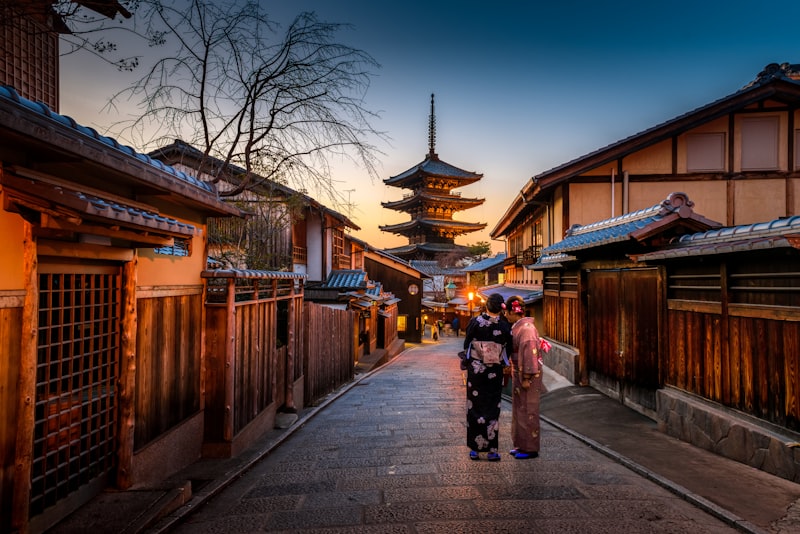
While the Midosuji Illumination is a long, ambient walking route, the OSAKA Hikari Renaissance is the concentrated, artistic crown jewel of the festival. Located on Nakanoshima—a picturesque sandbank island situated between the Dojima and Tosabori rivers—this event feels like a premium, ticketed light festival, but remains entirely free to the public.

Nakanoshima is Osaka’s civic and cultural heart, home to the retro-architecture of Osaka City Hall and the Osaka City Central Public Hall. The blend of historic masonry, riverside promenades, and cutting-edge light technology makes this a must-visit.

The Essential Facts

  • Operating Dates (Street & Facade): November 3 – December 31, 2026 (59 days total).
  • Operating Dates (Projection Mapping): December 11 – December 25, 2026.
  • Location: The Nakanoshima area, heavily centered around Osaka City Hall and the Nakanoshima Illumination Street.
  • Admission: Free
  • Nearest Stations: Yodoyabashi Station (Osaka Metro Midosuji Line / Keihan Line) or Kitahama Station (Osaka Metro Sakaisuji Line / Keihan Line).

Phase 1: Nakanoshima Illumination Street & City Hall Facade (Nov 3 – Dec 31)

For the entire 59-day duration of the festival, the Nakanoshima Illumination Street (the pedestrian path leading from City Hall toward the eastern tip of the island) is covered in elaborate light tunnels and artistic LED installations. Additionally, the grand facade of the Osaka City Hall building is bathed in colorful wash lighting.

This phase is perfect for a romantic, quiet evening stroll along the river. The reflections of the lights on the dark waters of the Tosabori River are incredibly striking.

Phase 2: The Flagship Projection Mapping Show (Dec 11 – Dec 25)

If you are lucky enough to be in Osaka during the latter half of December, you are in for a treat. The undisputed highlight of the OSAKA Hikari Renaissance is the massive projection mapping show projected directly onto the main building of Osaka City Hall.

  • Show Window: December 11 – December 25, 2026
  • Time: 17:30 – 21:30 daily.
  • Duration: The show runs on a continuous loop. Each cycle usually lasts about 5 to 10 minutes, with brief pauses in between to allow crowds to rotate.

Weather Policy: The projection mapping show utilizes extremely sensitive, high-lumen projectors. The official policy is that the show continues in light rain (bring an umbrella, as reflections on the wet pavement actually make the photos better!), but it will be paused or completely canceled in severe weather (such as high winds, torrential downpours, or lightning) for safety reasons.

Crowd Expectations: Make no mistake—this is a massive event. To put it into perspective, PR Times coverage from last season reported that the OSAKA Hikari Renaissance drew approximately 4.35 million visitors. While that figure is a reported estimate of total foot traffic over the season, it underscores how popular the Nakanoshima area becomes.

To beat the heaviest crowds during the Dec 11–25 projection mapping window:

  1. Avoid Weekends: Fridays, Saturdays, and Sundays are incredibly busy with locals on dates or family outings. Target a Tuesday or Wednesday evening.
  2. Arrive Early or Late: The show starts at 17:30. Being there right at 17:30 or arriving after 20:45 usually yields thinner crowds than the peak 18:30–20:00 dinner-hour rush.

The Ultimate 1-Evening Walking Itinerary

Because both the Midosuji Illumination and the OSAKA Hikari Renaissance are free and located in the same geographic corridor, the best way to experience them is to combine them into a single, epic evening walk.

Here is our optimized itinerary for travelers wanting to see the best of both worlds in one night.

16:00 – Late Afternoon Prep Before the lights turn on, spend your afternoon engaging in some of Osaka's unique daytime pop-culture offerings. If you are an anime or gaming fan, consider visiting the Ultimate Guide to CAPCOM CONNECT SPACE Osaka 2026 in Shinsaibashi, or grab a cute afternoon snack using our Ultimate Guide to Chiikawa Bakery OSAKA 2026: Tickets, Menu & Merch.

17:00 – Start at Umeda Take the train to JR Osaka Station or Osaka Metro Umeda Station. Walk south to the Hanshin-mae intersection. Right at 17:00, the Midosuji lights will flicker to life. Begin your walk south down Midosuji Avenue.

17:45 – Arrive at Yodoyabashi and Pivot to Nakanoshima After walking south for about 30 to 45 minutes, you will reach the Yodoyabashi bridge. Instead of continuing south, turn left (east) onto Nakanoshima island.

18:00 – Experience OSAKA Hikari Renaissance You are now at Osaka City Hall. If you are visiting between Dec 11–25, find a good vantage point to watch the projection mapping show. Even if you are visiting in November, walk down the Nakanoshima Illumination Street, grab a hot drink from one of the festival food stalls, and enjoy the riverside art installations. Spend about 45 minutes here.

18:45 – Dinner and Warming Up The wind off the river can be biting. Head to one of our recommended nearby cafes or restaurants (detailed in the next section) to warm up and eat.

20:00 – Resume the Midosuji Walk South Return to Midosuji Avenue at Yodoyabashi and continue your walk south through Hommachi and Shinsaibashi. The high-end window displays in Shinsaibashi paired with the street illuminations are spectacular.

21:00 – Finish in Namba You will reach the southern terminus at the Namba-nishi-guchi intersection. From here, you are steps away from the famous Dotonbori canal, the Glico Running Man sign, and endless late-night street food options.

Klook.com

Where to Eat, Drink, and Warm Up (10 Specific Spot Recommendations)

Walking 4 kilometers in the Japanese winter requires strategic pit stops. Knowing exactly where to duck inside for a hot coffee, a quick meal, or a premium dinner will make your evening infinitely more enjoyable.

When planning your spending for the evening, you might wonder about the Cash vs Card in Japan 2026: How Much Cash Do You Need?. While major department stores take cards, the temporary food stalls around Nakanoshima during the festival will almost exclusively require Japanese Yen in cash. Also, if you need to hydrate between stops, you can safely refill your water bottle; check out our guide on Can You Drink Tap Water in Japan? | City by City Guide 2026 for peace of mind.

Here are 10 highly specific, tourist-friendly spots along the illumination route, verified for the 2026 season:

1. Garb Weeks (Nakanoshima Area)

  • Vibe: A stylish, glass-walled riverside Italian restaurant located right in Nakanoshima Park.
  • Why it’s perfect: It is literally steps away from the OSAKA Hikari Renaissance light tunnels. You can look out at the illuminated river while eating authentic wood-fired Neapolitan pizza.
  • Price: 2,000 – 4,000 JPY for dinner.
  • Hours: Open until 22:30.
  • Access: A 2-minute walk from Kitahama Station (Exit 26) or a 5-minute walk east from Osaka City Hall.

2. Brooklyn Roasting Company Kitahama

  • Vibe: Industrial-chic coffee shop with an outdoor terrace over the river.
  • Why it’s perfect: The absolute best place to grab a high-quality latte or hot chocolate before braving the cold wind at the projection mapping show.
  • Price: 500 – 800 JPY for drinks.
  • Hours: Open until 19:00 (Closes early, so visit before the lights).
  • Access: A 1-minute walk from Kitahama Station.

3. Matsuya Midosuji Hommachi

  • Vibe: Fast, utilitarian Japanese beef bowl (gyudon) chain.
  • Why it’s perfect: If you are freezing, exhausted, and just need a hot meal in 5 minutes without dealing with reservations, Matsuya is a lifesaver. Order via a touchscreen (English available) and eat a hot bowl of beef and rice.
  • Price: 500 – 800 JPY.
  • Hours: Open 24/7.
  • Access: Located right on Midosuji Avenue, a 2-minute walk from Hommachi Station (Exit 3).

4. Daimaru Shinsaibashi Food Hall (B2F)

  • Vibe: A premium underground food court in one of Osaka's oldest department stores.
  • Why it’s perfect: It offers gourmet sushi, wagyu beef, truffles, and craft beer in an elevated food-court setting. Everyone in your group can order something different and sit together in a beautifully designed, warm environment.
  • Price: 1,500 – 4,000 JPY depending on what you order.
  • Hours: The B2F Food Hall is open until 23:00 (a rarity for department stores!).
  • Access: Directly connected to the underground concourse of Shinsaibashi Station.

5. Excelsior Caffé Midosuji Yodoyabashi

  • Vibe: Standard Japanese coffee chain, similar to Starbucks but usually with better seating availability.
  • Why it’s perfect: It has massive plate-glass windows facing directly onto Midosuji Avenue. You can sit at a window counter with a hot matcha latte and watch the illuminated ginkgo trees in complete warmth.
  • Price: 500 – 1,000 JPY.
  • Hours: Open until 21:00 (Weekdays), 20:00 (Weekends).
  • Access: A 1-minute walk south from Yodoyabashi Station (Exit 11).

6. Parco Shinsaibashi "Neon Shokudogai" (B2F)

  • Vibe: A retro-futuristic, cyberpunk-themed dining floor in the basement of the Parco department store.
  • Why it’s perfect: It captures the vibrant, loud soul of Osaka. Packed with izakayas, neon signs, and standing bars, it’s a fantastic place to drink hot sake and eat kushikatsu (deep-fried skewers) after viewing the lights.
  • Price: 2,000 – 4,000 JPY.
  • Hours: Open until 23:00.
  • Access: Directly connected to Shinsaibashi Station via the underground passageway.

7. Takashimaya Osaka (Namba) - Depachika

  • Vibe: Bustling department store basement food hall.
  • Why it’s perfect: If you want to finish your illumination walk with a feast back at your hotel, stop here. The "depachika" (basement food hall) sells incredibly high-end bentos, tempura, and pastries. Go around 19:15, as many stalls discount their fresh food before closing.
  • Price: 1,000 – 3,000 JPY.
  • Hours: Closes at 20:00.
  • Access: Directly above Namba Station (Nankai Line) and accessible via underground from the Metro Midosuji Line Namba Station.

8. 551 Horai Main Store (Namba)

  • Vibe: Iconic Osaka takeout counter.
  • Why it’s perfect: No winter trip to Osaka is complete without a steaming hot butaman (steamed pork bun) from 551 Horai. It is the ultimate hand-warmer and stomach-filler as you finish your walk at the Namba-nishi-guchi intersection.
  • Price: 420 JPY for a box of two buns.
  • Hours: Open until 22:00.
  • Access: A 3-minute walk north from Namba Station in the Ebisubashi-suji shopping arcade.

9. Nakanoshima Festival Plaza (Underground Dining)

  • Vibe: Sleek, corporate dining concourse beneath the Festival Tower.
  • Why it’s perfect: Located just west of the OSAKA Hikari Renaissance area, this underground complex has over a dozen restaurants ranging from udon to tonkatsu. It is far less crowded than the Dotonbori area, making it an easy dinner option after the projection mapping show.
  • Price: 1,000 – 3,000 JPY.
  • Hours: Most restaurants open until 22:00 or 23:00.
  • Access: Directly connected to Watanabebashi Station (Keihan Line) or a 5-minute underground walk from Higobashi Station (Yotsubashi Line).

10. Chibo Okonomiyaki (Midosuji Building Branch)

  • Vibe: Classic Osaka soul food restaurant specializing in savory pancakes.
  • Why it’s perfect: Okonomiyaki is cooked on a hot iron griddle right at your table. It is incredibly warm and satisfying. This specific branch is right off the illuminated avenue, offering a classy yet accessible take on the local dish.
  • Price: 1,500 – 2,500 JPY.
  • Hours: Open until 22:30.
  • Access: A 3-minute walk from Namba Station, right along the southern end of the Midosuji illumination route.

Photography Guide for the Osaka Illuminations

Capturing the massive scale of the Midosuji Illumination and the intricate details of the Nakanoshima projection mapping can be challenging for amateur photographers. Keep these expert tips in mind:

1. Managing Exposure: Smartphone cameras will automatically try to brighten the night sky, which causes the LED lights to blow out into white, formless blobs. Tap on the brightest part of the lights on your screen, and manually lower the exposure slider (usually a sun icon) until the deep colors of the LEDs reappear.

2. The Wet Pavement Trick: As mentioned, the Dec 11–25 projection mapping continues in light rain. If you get a drizzly night, consider yourself lucky. The wet stone pavement in front of Osaka City Hall acts like a mirror, reflecting the projection mapping and doubling the visual impact of your photos.

3. Etiquette and Tripods: The Midosuji sidewalks are active commuting routes for locals. Do not use a tripod on the sidewalks, as it creates a tripping hazard and blocks foot traffic. If you want long-exposure shots, use a clamp mount on a railing or set your camera on a flat utility box. At Nakanoshima, selfie sticks and tripods are highly discouraged in the thickest parts of the crowd during the projection mapping show.

4. The Nov 23 Sweet Spot: If you attend the November 23 pedestrian-only event, use a wide-angle lens (0.5x on most smartphones). Standing in the dead center of the multi-lane road looking north toward Umeda provides an unmatched vanishing-point perspective of the lights.


Practical Logistics & What to Wear

Osaka in November and December is cold, but not freezing. Average evening temperatures in late November hover around 10°C (50°F), while late December drops to about 5°C (41°F). However, the wind chill coming off the rivers at Nakanoshima can make it feel significantly colder.

Layering is Key: Japanese department stores, trains, and underground malls blast their heaters during winter. If you wear a massive, non-breathable arctic parka, you will be sweating profusely the moment you step inside a station. The best strategy is a thermal base layer (like Uniqlo HEATTECH), a sweater, and a windproof outer shell that you can easily unzip when you go inside to eat.

Footwear: You will be walking on hard concrete for several kilometers. Prioritize thick-soled, comfortable walking shoes over fashion boots.

Transit and IC Cards: You will be hopping on and off the Midosuji subway line and potentially the Keihan line. Buying individual paper tickets with freezing fingers is miserable. Make sure you have an IC card loaded with yen on your phone or in your wallet. If you are unsure which card to get, read our guide on What is the Best IC Card for Tourists in Japan 2026? | Suica vs Pasmo vs ICOCA before you arrive.

Restrooms: Public restrooms in Japan are generally excellent. Along Midosuji Avenue, simply duck down the stairs into any Osaka Metro station (Umeda, Yodoyabashi, Hommachi, Shinsaibashi, Namba)—they all have large, clean, free public restrooms located before you pass through the ticket gates.


Expanding Your Osaka Experience

Osaka is quickly becoming a powerhouse destination for global events. In addition to the winter illuminations, the city’s pop-culture calendar is expanding rapidly. If you are looking forward to future trips, note that major anime conventions are shifting focus to the Kansai region, as detailed in our coverage of AnimeJapan 2027 Moves to Osaka: Dates, Venue & Complete Visitor Guide.

However, for winter 2026, the Osaka Festival of Lights remains the absolute pinnacle of evening entertainment.

Frequently Asked Questions

Do I need to buy tickets for the projection mapping at Osaka City Hall? No. Both the OSAKA Hikari Renaissance projection mapping and the Midosuji Illumination are 100% free and unticketed. You can just walk up and watch.

Is the illumination running in the spring of 2026? No. The spring schedule was a one-time anomaly for the 2025 Expo. For 2026, the Midosuji Illumination runs from November 3 to December 31, 2026, and the Nakanoshima projection mapping runs from December 11 to December 25, 2026.

What time do the lights turn off? The Midosuji Avenue street lights stay on incredibly late—until 25:00 (1:00 AM). However, the Nakanoshima projection mapping ends strictly at 21:30.

Is the illumination wheelchair and stroller accessible? Yes. Midosuji Avenue has wide, flat, paved sidewalks with curb cuts at every intersection. Nakanoshima is also fully paved and accessible, though crowds during the December 11–25 window can make navigating a stroller or wheelchair challenging; we recommend arriving right at 17:30 to ensure easier mobility.

Can I drive through the Midosuji Illumination? Yes, except for the Nov 23 pedestrian-only event (17:00–19:00, Yodoyabashi to Semba Chuo 3), Midosuji is an active roadway. However, as a tourist, experiencing it on foot is highly recommended, as traffic moves very slowly and the driver cannot fully enjoy the view.

Enjoy your time in Osaka. The 2026 Winter Illumination is a masterclass in urban design, community art, and festive spirit. By following this guide, bundling up, and timing your evening correctly, you are guaranteed to experience one of the most magical nights Japan has to offer.

FAQ

Q: Do I need to buy tickets for the projection mapping at Osaka City Hall?

No. Both the OSAKA Hikari Renaissance projection mapping and the Midosuji Illumination are 100% free and unticketed. You can just walk up and watch.

Q: Is the illumination running in the spring of 2026?

No. The spring schedule was a one-time anomaly for the 2025 Expo. For 2026, the Midosuji Illumination runs from November 3 to December 31, 2026, and the Nakanoshima projection mapping runs from December 11 to December 25, 2026.

Q: What time do the lights turn off?

The Midosuji Avenue street lights stay on incredibly late-until 1:00 AM (25:00). However, the Nakanoshima projection mapping ends strictly at 21:30.

Q: Is the illumination wheelchair and stroller accessible?

Yes. Midosuji Avenue has wide, flat, paved sidewalks with curb cuts at every intersection. Nakanoshima is also fully paved and accessible, though arriving right at 17:30 is recommended to ensure easier mobility before crowds peak.

Q: Can I drive through the Midosuji Illumination?

Yes, except for the Nov 23 pedestrian-only event, Midosuji is an active roadway. However, experiencing it on foot is highly recommended as traffic moves very slowly and drivers cannot fully enjoy the view.

🗺️

Explore Osaka

Find tours, activities & experiences in Osaka

Explore Activities →

🏨 Need a place to stay in Tokyo? Check Klook →

Klook.com
Klook.com

📚 Recommended Guides

USJ & Theme Parks

USJ Express Pass Complete Guide 2026 | Which Passes Are Worth Buying

Events

Ultimate Guide to PERSONA Memoria Exhibition Japan 2026-2027

Events

Cho Tamagotchi Festival Tokyo 2026: Ultimate English Event Guide

🌏 Also available in: 繁體中文 · 简体中文 · 한국어 · ไทย · Tiếng Việt · Bahasa · Español · Français · हिन्दी · العربية

Disclosure: This article contains affiliate links. We may earn a commission at no extra cost to you.