[PR] This article contains affiliate links.
If there is one souvenir that has become completely synonymous with travel to Japan, it is the Japanese KitKat. For over two decades, what began as a simple chocolate wafer bar in the United Kingdom has evolved into a sprawling, hyper-localized cultural phenomenon across the Japanese archipelago. For inbound tourists arriving in 2026, hunting down rare, region-exclusive, and premium KitKat flavors is not just a shopping trip—it is an absolute culinary pilgrimage.
Because the Japanese phrase for "surely win" (kitto katsu) sounds remarkably similar to the brand name, these chocolates initially gained traction in Japan as good-luck charms for students taking university entrance exams. Today, that legacy of gifting has merged seamlessly with Japan's rich omiyage (souvenir) culture, resulting in hundreds of limited-edition flavors that represent the agricultural bounty and culinary heritage of specific Japanese prefectures.
However, the retail landscape for purchasing these coveted treats has shifted significantly in 2026. If you are relying on outdated travel blogs or pre-pandemic guidebooks, you might find yourself standing in front of boarded-up storefronts.
This exhaustive, massively detailed 2026 guide will serve as your ultimate playbook for navigating the current Japanese KitKat ecosystem. We will cover the major store closures you need to know about, reveal the stunning new flagship location in Yokohama, provide a definitive tasting guide to the current regional exclusive flavors, and break down exactly where to buy bulk boxes at the major airports and discount megastores.
Part 1: The 2026 KitKat Chocolatory Shake-Up (Closures and Relocations)
For years, the "KitKat Chocolatory" boutiques served as the crown jewels of the Japanese KitKat experience. These high-end retail counters, often situated in the basement food halls (depachika) of luxury department stores, were overseen by renowned pastry chefs and offered artisanal, premium versions of the classic wafer.
Tourists would historically flock to central Tokyo locations to buy beautifully packaged, high-end chocolate sets. However, the retail landscape in Tokyo has undergone massive redevelopment over the last few years, leading to the permanent closure of several beloved flagship locations.
The Permanent Closure of Ikebukuro Seibu and Ginza Flagships
As of 2026, it is confirmed that the famous KitKat Chocolatory Ikebukuro Seibu store is permanently closed. This closure is directly tied to the massive, multi-year renovations and structural ownership changes happening at the Seibu department store in Ikebukuro. For years, this counter was a staple for tourists staying in the northern hubs of Tokyo, but you must now strike it from your itinerary.
Furthermore, other former high-profile flagship locations, including the iconic standalone Ginza boutique (which famously featured a street-level cafe and interactive displays), have also permanently closed their doors. The shift away from these specific luxury department store counters reflects a broader change in retail strategy, moving toward high-traffic tourist entertainment complexes and streamlined airport distribution.
Traveler Pro-Tip: Because retail statuses in Japanese department stores can change rapidly, we strongly advise against relying solely on third-party map applications, which often fail to mark counters inside department stores as closed. Always check the current operating status of any boutique directly via the official Nestle Japan website or the official KitKat Japan portal before making a special trip.
Part 2: The New Premium Experience: KitKat Chocolatory Yokohama World Porters
With the traditional Tokyo flagships closed, where does a dedicated chocolate hunter go for a premium, interactive KitKat experience in 2026? The answer lies just south of Tokyo in the vibrant port city of Yokohama.
The current alternative flagship location is the KitKat Chocolatory Yokohama World Porters store. Situated inside the massive Yokohama World Porters shopping and entertainment complex in the Minatomirai district, this location has taken up the mantle as the premier destination for tourists wanting more than just a quick convenience store purchase.
Location and Access
Yokohama World Porters is exceptionally easy to reach for tourists staying in Tokyo, making it an ideal half-day trip.
- By Train: Take the Minatomirai Line (which connects seamlessly with the Tokyu Toyoko Line from Shibuya) and get off at Minatomirai Station or Bashamichi Station. The mall is about a 5 to 7-minute walk from either station, accessible via pleasant pedestrian bridges.
- Alternative Route: You can also take the JR Keihin-Tohoku Line to Sakuragicho Station. From there, it is about a 10-minute walk along the scenic Kishamichi Promenade, or you can take the Yokohama Air Cabin ropeway, which drops you off directly in front of World Porters.
- Navigating the complex: The KitKat Chocolatory is prominently located within the retail floors. Be sure to check the mall's floor directory upon arrival, as pop-up displays occasionally shift.
(Note: If you are figuring out your transit options from Tokyo to Yokohama, be sure to read our guide on What is the Best IC Card for Tourists in Japan 2026? | Suica vs Pasmo vs ICOCA to ensure seamless train transfers).
The 'Pick To Mix' Service
One of the main reasons the Yokohama World Porters location stands out as a true flagship is the exclusive 'Pick To Mix' service. Instead of being forced to buy a single box of one flavor, this interactive service allows customers to build their own custom assortment of premium Chocolatory KitKats.
You are provided with a beautiful, high-quality gift box and can hand-select individual mini-bars from a stunning display of premium flavors. This is the ultimate bespoke souvenir. It allows you to tailor a gift specifically to the flavor profile of the recipient back home, mixing bitter dark chocolates with vibrant, fruity creations. The packaging itself is elegant, moving far beyond the standard cardboard boxes found in supermarkets, making it a highly respectable corporate gift or a special present for loved ones.
The Chocolatory Cafe Menu
Beyond the retail shopping, the Yokohama World Porters location features a dedicated cafe menu that cannot be found in standard stores. This is a must-do for foodies and Instagram enthusiasts alike.
Currently, the cafe offers two highly sought-after signature items:
- KitKat Shakes (Starting from 650 yen): These are rich, decadent blended beverages that incorporate the signature chocolate and crushed wafer textures directly into the drink. The 650 yen base price offers a surprisingly affordable luxury experience, with seasonal variations sometimes rotating onto the menu. The crunch of the wafer mixed with high-quality chilled dairy is a revelation, especially during Japan's notoriously humid summer months.
- KitKat Ice Cream (450 yen): For a lighter treat, the 450 yen KitKat Ice Cream is a masterclass in texture. Smooth, premium ice cream is paired with the unmistakable snap of KitKat wafers. At under 500 yen, this is an absolute steal for a flagship boutique dessert in a major tourist district.
Taking your KitKat Shake and strolling out of World Porters to sit by the waterfront, looking out over the iconic Cosmo Clock 21 Ferris Wheel and the Yokohama skyline, is a quintessential 2026 travel experience.
Part 3: The Definitive Guide to 2026 Regional Exclusive Flavors
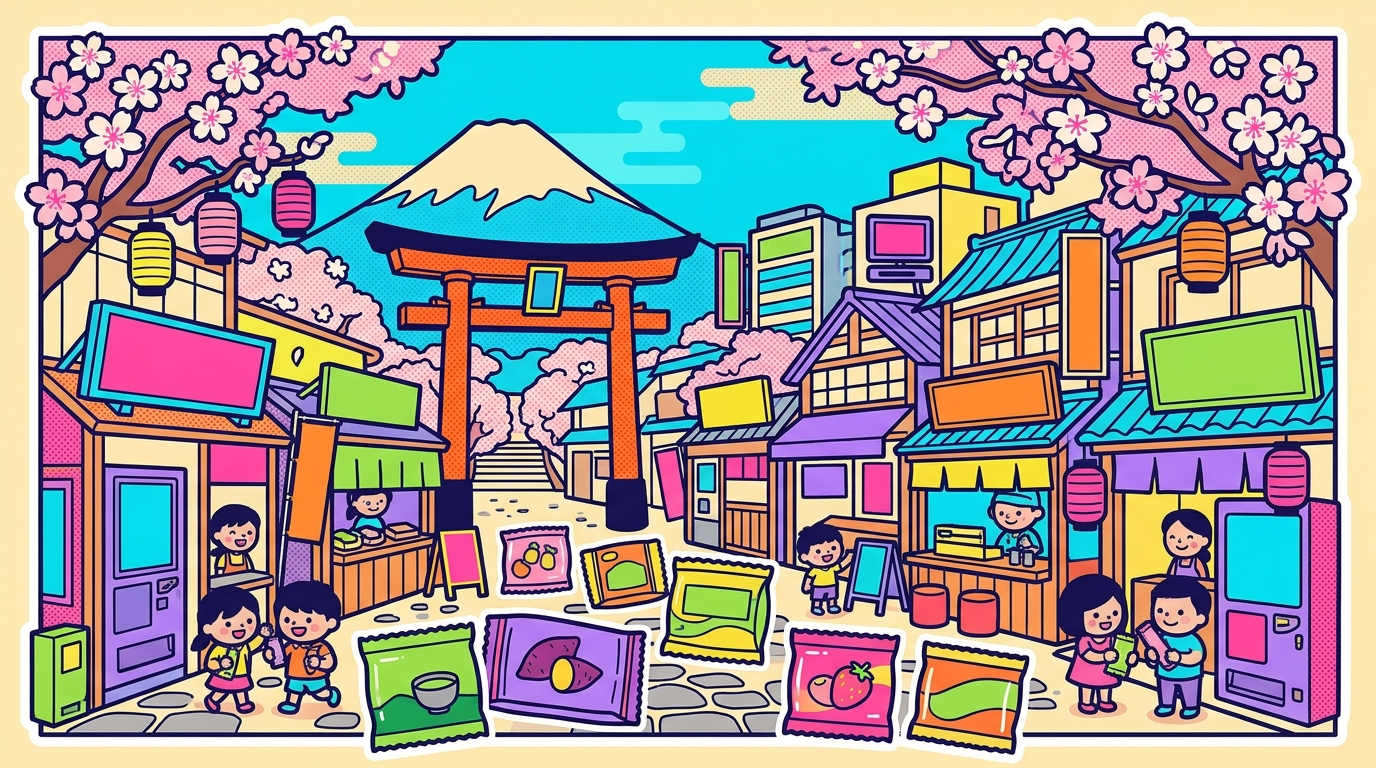
While the Chocolatory in Yokohama handles the premium, artisanal side of the brand, the true joy for many tourists lies in the Regional Exclusive Flavors (known as Gotouchi KitKats).
Japan is a country deeply rooted in local agriculture. Every prefecture is fiercely proud of its specific fruits, teas, and crops. Nestle Japan honors this tradition by creating flavors that are technically only meant to be sold in the specific regions they represent. Collecting them all is akin to a delicious, nationwide scavenger hunt.
Here is the exhaustive, officially confirmed list of currently available regional exclusive flavors for 2026, what they taste like, and the cultural context behind them.
1. Hokkaido Azuki & Strawberry
- The Region: Hokkaido, Japan's vast northernmost island, famous for its sprawling dairy farms and high-quality agriculture.
- The Flavor Profile: Azuki is sweet red bean paste, a fundamental ingredient in traditional Japanese confectionery (wagashi). This KitKat blends the earthy, comforting sweetness of 100% Hokkaido-grown azuki beans with a bright, tart burst of strawberry. The chocolate is expertly balanced so that the rich red bean flavor hits your palate first, followed immediately by the acidic, fruity strawberry notes that keep the wafer from being overly heavy.
- Cultural Context: This flavor is a modern nod to Ichigo Daifuku, a traditional mochi sweet stuffed with red bean paste and a whole strawberry.
2. Tokyo Island Lemon
- The Region: Tokyo. While you might think of Tokyo only as a concrete jungle, the Tokyo Metropolis actually includes several subtropical island chains stretching far into the Pacific Ocean, such as the Izu Islands and the Ogasawara Islands.
- The Flavor Profile: These islands produce a uniquely tart and aromatic type of lemon. The Tokyo Island Lemon KitKat features white chocolate infused with a sharp, incredibly refreshing citrus zest. It is significantly less sweet than standard lemon chocolates, prioritizing the bright, acidic punch of real lemon juice and peel.
- Why it's special: It tells a geographical story about Tokyo that most tourists are completely unaware of, highlighting the city's hidden tropical agricultural sector.
3. Yokohama Strawberry Cheesecake
- The Region: Yokohama (Kanagawa Prefecture), a historic port city just south of Tokyo.
- The Flavor Profile: This is a rich, dessert-forward KitKat. The chocolate base mimics the creamy, slightly tangy profile of baked cream cheese, while the wafers inside are layered with a sweet strawberry cream. It perfectly replicates the experience of eating a slice of decadent strawberry cheesecake.
- Cultural Context: Yokohama was one of the first Japanese ports opened to foreign trade in the 19th century. As a result, the city became a massive hub for Western influences, particularly Western-style baking, dairies, and pastries. The cheesecake flavor is a direct homage to Yokohama's history as a pioneer of Western sweets in Japan.
4. Shinshu Apple
- The Region: Shinshu, the traditional name for Nagano Prefecture. Located in the mountainous heart of the Japanese Alps.
- The Flavor Profile: Nagano is undeniably Japan's apple country. The Shinshu Apple KitKat features smooth milk chocolate that has been heavily infused with the crisp, sweet-and-sour essence of Nagano-grown apples. When you open the wrapper, the fragrance is remarkably authentic—like a freshly sliced Fuji apple. The chocolate offers a perfect, mellow sweetness that doesn't overpower the fruit notes.
- Pairing: This flavor pairs exceptionally well with a hot cup of black tea, making for a perfect afternoon snack.
5. Shizuoka Wasabi
- The Region: Shizuoka Prefecture, the region that is home to Mount Fuji, sprawling green tea plantations, and pristine mountain streams.
- The Flavor Profile: This is often the most intimidating flavor for tourists, but it is a masterpiece of culinary engineering. Real Shizuoka-grown wasabi—which requires incredibly pure, flowing mountain water to cultivate—is blended into pale green white chocolate. The taste is a revelation. It is sweet and creamy at first, followed by the distinct, aromatic, and slightly botanical flavor of real wasabi. It provides just a tiny hint of that famous horseradish-like tingle at the very back of the throat, but it is emphatically not a savory or spicy candy. It is a sweet treat with a botanical kick.
- The Verdict: A must-try. It perfectly encapsulates the adventurous spirit of Japanese snack culture.
6. Kyoto Uji Matcha and Hojicha
- The Region: Uji, a small city located just south of Kyoto, globally recognized as the birthplace of Japan's most premium green teas.
- The Flavor Profile (Uji Matcha): While there are many "green tea" KitKats available in supermarkets globally, the regional Kyoto Uji Matcha version uses rigorously selected tea leaves from Uji. The flavor is deeply grassy, incredibly aromatic, and features a distinct, refined bitterness that perfectly cuts through the sweetness of the white chocolate base.
- The Flavor Profile (Uji Hojicha): Hojicha is roasted green tea. The roasting process removes much of the caffeine and imparts a deep, nutty, caramel-like, and smoky flavor. The Hojicha KitKat is often cited by adult travelers as their absolute favorite flavor. It is warm, toasted, and remarkably sophisticated.
- (If you are passionate about Japanese tea flavors, you will want to expand your palate while in the capital. Check out our guide to the Best Matcha Desserts in Tokyo | Top Sweets Shops for more culinary adventures).
7. Kyushu Amaou
- The Region: Kyushu, Japan's southernmost main island, specifically Fukuoka Prefecture.
- The Flavor Profile: "Amaou" is not just any strawberry; it is a registered, premium brand of strawberry grown exclusively in Fukuoka. The name is an acronym for Amai (sweet), Marui (round), Ookii (big), and Umai (delicious). The Kyushu Amaou KitKat captures this specific berry's profile. It is significantly sweeter, juicier, and more floral-tasting than standard strawberry chocolates.
- Why it's special: It highlights Japan's obsession with branded, luxury fruits. Eating this KitKat is a cheap way to experience the flavor profile of a strawberry variety that often sells for thousands of yen per punnet in high-end fruit parlors.
8. Okinawa Beni-imo (Purple Sweet Potato)
- The Region: Okinawa, Japan's southernmost tropical prefecture.
- The Flavor Profile: Beni-imo is the Okinawan purple sweet potato, renowned for its vibrant, shocking purple color and earthy, nutty sweetness. This KitKat features visually striking purple chocolate. The taste is deeply comforting—resembling roasted sweet potato with notes of vanilla and caramel. It is distinctively different from the Azuki or Hokkaido flavors, offering a warmer, starchier sweetness that pairs perfectly with coffee.
- Cultural Context: Beni-imo is heavily heavily utilized in Okinawan cuisine and desserts, serving as a symbol of the islands' unique agricultural independence from the mainland.
9. Tokyo Banana Collaboration
- The Region: Tokyo.
- The Flavor Profile: This is a clash of two absolute titans in the Japanese souvenir industry. Tokyo Banana is arguably the most famous sponge cake souvenir in the capital (a soft, banana-custard filled cake). This collaborative KitKat features chocolate that tastes exactly like the creamy, nostalgic banana custard of the famous cake, embossed with the iconic Tokyo Banana bow logo.
- The Appeal: It is essentially two of the most famous Japanese souvenirs rolled into one product. It is incredibly sweet, very banana-forward, and a guaranteed crowd-pleaser for children and families.
(Note: If you have strict dietary restrictions while traveling, exploring these complex flavored chocolates can be challenging due to hidden dairy, soy, and wheat ingredients in the wafers and fillings. For comprehensive advice on navigating food allergies in Japan, please refer to our guide on Allergy Travel Japan | Nut Egg Dairy Free Dining with Translation Cards).