[Disclosure] This article contains affiliate links. We may earn a commission at no extra cost to you.
If you are traveling to Japan in 2026 with dreams of returning home with a suitcase stuffed full of cheap Game Boys and pristine Super Famicom cartridges, you need a serious reality check. The post-pandemic boom in retro gaming has permanently altered the landscape of Tokyo’s game hunting scene. Mainstream tourist guides still aggressively push Akihabara’s "Super Potato" as the ultimate gamer's paradise. But here is the brutal, honest truth: for locals and serious collectors, Super Potato is now treated as a museum, not a retail store.
This guide strips away the nostalgic tourist gloss to show you the current reality of retro game shopping in Japan. We will break down exactly how much you should be paying for hardware in 2026, which stores are secretly gouging foreign tourists, and why a 40-minute train ride to a suburban thrift store will net you better deals than the neon streets of Electric Town.
What You'll Get From This Guide
- Real 2026 Prices: Exact ¥ and USD costs for popular consoles and games.
- The "Junk Box" Secret: How to navigate Japan's legendary untested electronics bins.
- Akihabara Alternatives: Specific suburban stores where local resellers actually source their inventory.
- Hardware Region Locking: The truth about playing Japanese consoles back home.
- Voltage Warnings: Why you shouldn't plug a 100V console directly into a US wall outlet.
The Reality of Retro Gaming in Japan in 2026
If you watched a YouTube video from 2018 about finding rare Pokémon games for $5 in Tokyo, erase it from your memory. The exchange rate of 2026 (roughly ¥150 to $1 USD) makes buying in Japan highly favorable for Western travelers, but the base yen prices have skyrocketed to compensate.
The "Akihabara Tourist Tax"
Akihabara is ground zero for what locals call the "foreigner tax" (外国人価格). Stores on the main Chuo Dori strip know that Western tourists arrive with large budgets and limited time. Consequently, prices for universally beloved items—specifically anything related to Pokémon, Zelda, or Mario—have been marked up aggressively. A loose copy of Pokémon Emerald that costs ¥4,500 ($30 USD) in a quiet Saitama suburb will sit in an Akihabara display case for ¥8,000 ($53 USD).
Tourists commonly get this wrong: they assume because they are in the "nerd capital of the world," they are getting the best prices. In reality, you are paying for the convenience of location and English-speaking staff.
Super Potato Akihabara: A Museum, Not a Shop (The Overrated Truth)
Location: 1-11-2 Sotokanda, Chiyoda City (Kitabayashi Building) Access: 3-minute walk from Akihabara Station (Electric Town Exit) Floors: 3F (Consoles/Carts), 4F (PlayStation/Modern Retro), 5F (Retro Arcade & Snacks)
Let’s be incredibly specific about what Super Potato is overrated for: purchasing hardware.
Super Potato is visually stunning. The aisles are made of Famicom cartridges, the walls are plastered with pristine, boxed vintage consoles, and the 5th-floor arcade is an incredible place to drink a glass-bottle Coke and play Metal Slug. You absolutely must visit it.
But you should rarely buy anything here.
Super Potato prices its inventory 30% to 50% above current Japanese market value. An unboxed, yellowed Super Famicom console that sells for ¥2,500 ($16 USD) down the street will have a ¥4,980 ($33 USD) sticker here. They rely on the impulse-buy nature of tourists who don't want to spend their vacation hunting down better deals. Take your photos, enjoy the ambiance, and save your yen for the shops below.
Where the Locals Actually Buy Retro Games
If you want to pay the real market price in 2026, you need to visit the chains that Japanese collectors frequent.
Surugaya (Akihabara Main Store & Specialty Branches)
Location: 3-11-3 Sotokanda, Chiyoda City Access: 5-minute walk from Akihabara Station
Surugaya is the current undisputed king of Akihabara for fair pricing. While their stores are notoriously cramped (you will have to squeeze past other shoppers in aisles barely two feet wide), their pricing algorithm is brutally competitive. They update prices based on actual Japanese market trends, not tourist demand. They are excellent for boxed games and specific rare titles, though their hardware quality control can sometimes be slightly lower than competitors like Trader.
Hard Off (The Holy Grail in the Suburbs)
Local Tip: Stop shopping in central Tokyo on weekends. If you are serious about game hunting, take the Chuo Line west to Hard Off Hachioji-Owada (about 40 minutes from Shinjuku Station).
Hard Off is a massive second-hand chain. The real treasure here is the Junk Corner (ジャンク). In Japan, "junk" doesn't mean trash; it means "untested" or "missing a cable." Because Japanese gamers take immaculate care of their electronics, a "junk" Game Boy Pocket sitting in a blue plastic bin for ¥3,000 (~$20 USD) has a 90% chance of working perfectly once you put batteries in it. Finding hidden gems in the junk bins is the most authentic Japanese retro gaming experience you can have.
Plan your base camp: If you plan on taking heavy bags of consoles back to your room, book a hotel on the JR Chuo or Yamanote line for easy transit. Search best hotels in Japan on Booking.com.
2026 Price Guide: What You Should Actually Pay
To protect you from overpaying, here is a breakdown of realistic 2026 prices for unboxed, working condition items. Notice the steep difference between Akihabara tourist stores and suburban thrift shops.
Hardware Price Comparison
| Console (Loose / Unboxed) | Super Potato (Akihabara) | Hard Off / Book Off (Suburbs) | USD Equivalent (Suburbs) |
|---|---|---|---|
| Game Boy Advance SP | ¥18,500 | ¥12,000 | ~$80.00 |
| Nintendo 64 | ¥8,000 | ¥4,500 | ~$30.00 |
| Super Famicom | ¥4,980 | ¥2,500 | ~$16.50 |
| PlayStation Vita (OLED) | ¥16,000 | ¥11,000 | ~$73.00 |
| Sega Saturn | ¥9,500 | ¥5,500 | ~$36.50 |
Popular Game Cartridges (Loose)
| Game Title (Japanese Version) | Average Akihabara Price | Average Suburban Price | USD Equivalent (Suburbs) |
|---|---|---|---|
| Pokémon Emerald (GBA) | ¥8,000 | ¥4,500 | ~$30.00 |
| Super Mario World (SFC) | ¥1,200 | ¥300 (Often in Junk Bins) | ~$2.00 |
| Chrono Trigger (SFC) | ¥2,500 | ¥800 | ~$5.30 |
| Super Smash Bros (N64) | ¥2,200 | ¥900 | ~$6.00 |
Hardware Region Locks & Voltage Warnings
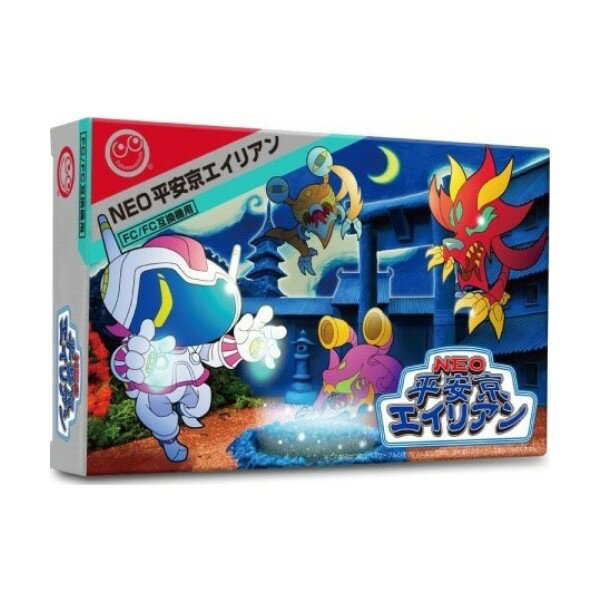 In stock now on Rakuten¥4,980
A fatal tourist mistake is buying hardware without understanding the regional limitations of 1990s electronics.
Region Locking
- Handhelds: The original Game Boy, Game Boy Color, Game Boy Advance, and Nintendo DS are completely region-free. You can play English games on Japanese hardware flawlessly.
- Cartridge Consoles: The Super Famicom and Nintendo 64 are physically locked. A US cartridge won't fit into the Japanese slot. However, this can be bypassed in 5 minutes by physically removing the plastic tabs inside the console slot.
- Disc Consoles: The PS1, PS2, Sega Saturn, and GameCube are software-locked. A Japanese PS2 will not play North American or European discs without complex internal modifications. Do not buy these unless you plan to play Japanese games.
Voltage Issues
Japanese power operates at 100V. North America operates at 120V. While you can physically plug a Japanese Super Famicom power brick into an American wall outlet, it will run much hotter and degrade the 30-year-old capacitors inside the console. We highly recommend buying modern universal replacement cables online rather than risking vintage Japanese AC adapters. Buy retro game accessories directly on Amazon Japan and have them shipped to your hotel.
Frequently Asked Questions
Q: How much does a used Game Boy Advance SP cost in Japan in 2026?
In 2026, the price of a used Game Boy Advance SP in Japan varies drastically depending on the store, the condition, and the specific shell color. At famous tourist hotspots like Super Potato in Akihabara, you can expect to pay anywhere from ¥18,000 to ¥24,000 ($120-$160 USD) for a scratched but functional unit, while limited edition models easily surpass ¥35,000 ($233 USD). However, if you venture out to a suburban Book Off Super Bazaar or Hard Off store, standard silver or blue GBA SP models often sit in the ¥12,000 to ¥15,000 ($80-$100 USD) range. Keep in mind that AGS-101 models (the backlit versions) were never officially released in Japan in large numbers, so nearly all Japanese models are the front-lit AGS-001 variant. If you want a cheaper alternative, the original Game Boy Advance (AGB-001) is widely available for around ¥7,500 ($50 USD).
Q: Is it worth buying used Japanese consoles if I don't speak Japanese?
Purchasing retro consoles from Japan is absolutely worth it, but buying games is an entirely different story. Most vintage gaming hardware—such as the Game Boy, Nintendo DS, and Super Famicom—is completely region-free or easily bypassed with physical modifications. The hardware menus (if any) are minimal and easy to navigate without knowing Japanese. However, RPGs, visual novels, and heavy text-based adventure games like Final Fantasy, Dragon Quest, or Mother 2 will be completely unplayable unless you can read Japanese. Platformers, fighting games, and arcade shooters (like Super Mario World, Street Fighter II, or Gradius) are entirely language-independent. One of the most common tourist mistakes is buying a pristine copy of Pokémon Red or Green in a nostalgic rush, only to realize that navigating the PC box system and move sets in pure Kana is highly frustrating. Stick to hardware, accessories, and arcade-style games.
Q: Do Japanese retro game shops accept credit cards and offer Tax-Free shopping?
Yes, in 2026, virtually all major retro game retailers in Japan accept international credit cards (Visa, Mastercard, Amex) as well as modern tap-to-pay systems like Apple Pay and Suica. This includes Super Potato, Surugaya, Trader, Book Off, and Hard Off. Regarding Tax-Free shopping, the standard Japanese consumption tax is 10%. To qualify for a tax exemption, you must spend over ¥5,000 (excluding tax) at a participating store on the same day, and you must present your physical passport with a valid temporary visitor stamp—digital copies or foreign ID cards will be strictly rejected. Super Potato, Surugaya, and major Akihabara-based Book Off locations have dedicated tax-free counters. Be warned that many rural Hard Off locations in the suburbs do not offer tax-free services because they don't see enough foreign tourists to justify the administrative overhead, so don't expect the 10% discount if you are hunting in the deep suburbs.
Q: Is Super Potato in Akihabara still worth visiting in 2026?
Super Potato is absolutely worth visiting as a living museum of video game history, but it is no longer the place to actually buy retro games. Spanning floors three to five of a narrow building just minutes from the Akihabara Electric Town exit, the store offers incredible photo opportunities, a retro arcade on the top floor complete with vintage Japanese snacks, and walls lined with immaculate, shrink-wrapped console boxes. However, the secret has been out for over a decade. Super Potato knows its primary customer base consists of nostalgic Western tourists, and their prices reflect this reality. You will pay a 30% to 50% "tourist tax" on almost every console and popular game cartridge compared to stores just a few blocks away. Visit Super Potato to breathe in the atmosphere, play a round of Metal Slug, take photos, and then walk over to Surugaya or Trader to actually spend your money.
Q: Can I plug a 100V Japanese retro console directly into a US 120V outlet?
This is a highly debated topic among retro collectors, but the short answer for travelers from North America is: you can, but you probably shouldn't use the original power bricks long-term. Japanese electronics are designed for a 100V power grid, while the United States and Canada use 120V. Most 1990s power adapters (like those for the Super Famicom or Sega Saturn) rely on linear voltage regulators. If you feed 120V into a 100V Japanese power supply, the internal components will run significantly hotter as they burn off the excess 20 volts as heat. For a quick 10-minute test, it usually won't instantly fry your system. However, prolonged use will significantly reduce the lifespan of 30-year-old capacitors and could damage the console. The best 2026 solution is to simply buy a modern, high-quality, third-party power supply that accepts 100-240V (universal voltage) when you return home, preserving both your console and safety.
Bottom Line
Hunting for retro games in Japan in 2026 is still highly rewarding, provided you know where to look and what to avoid. If you only have one afternoon in Tokyo, Akihabara's Surugaya and Trader offer the best balance of fair pricing and convenience, while Super Potato should be strictly reserved for sightseeing. However, this guide is not for the casual shopper who just wants a cheap souvenir without any effort. To get the legendary deals you see online, you must be willing to ride the trains out to suburban Hard Off locations, dig through dusty "junk" bins, and leave the tourist districts entirely behind.
📝 この記事について
監修・運営: Futuristic Imagination LLC
専門分野: 日本旅行・インバウンド
AI技術と専門家の知見を組み合わせ、信頼性の高い情報をお届けします。